How to see 'potentially hostile' interstellar object as it moves incredibly close to Earth this week

Christmas is coming early for fans of the mysterious interstellar comet, as we're just days away from its closest approach to our planet.
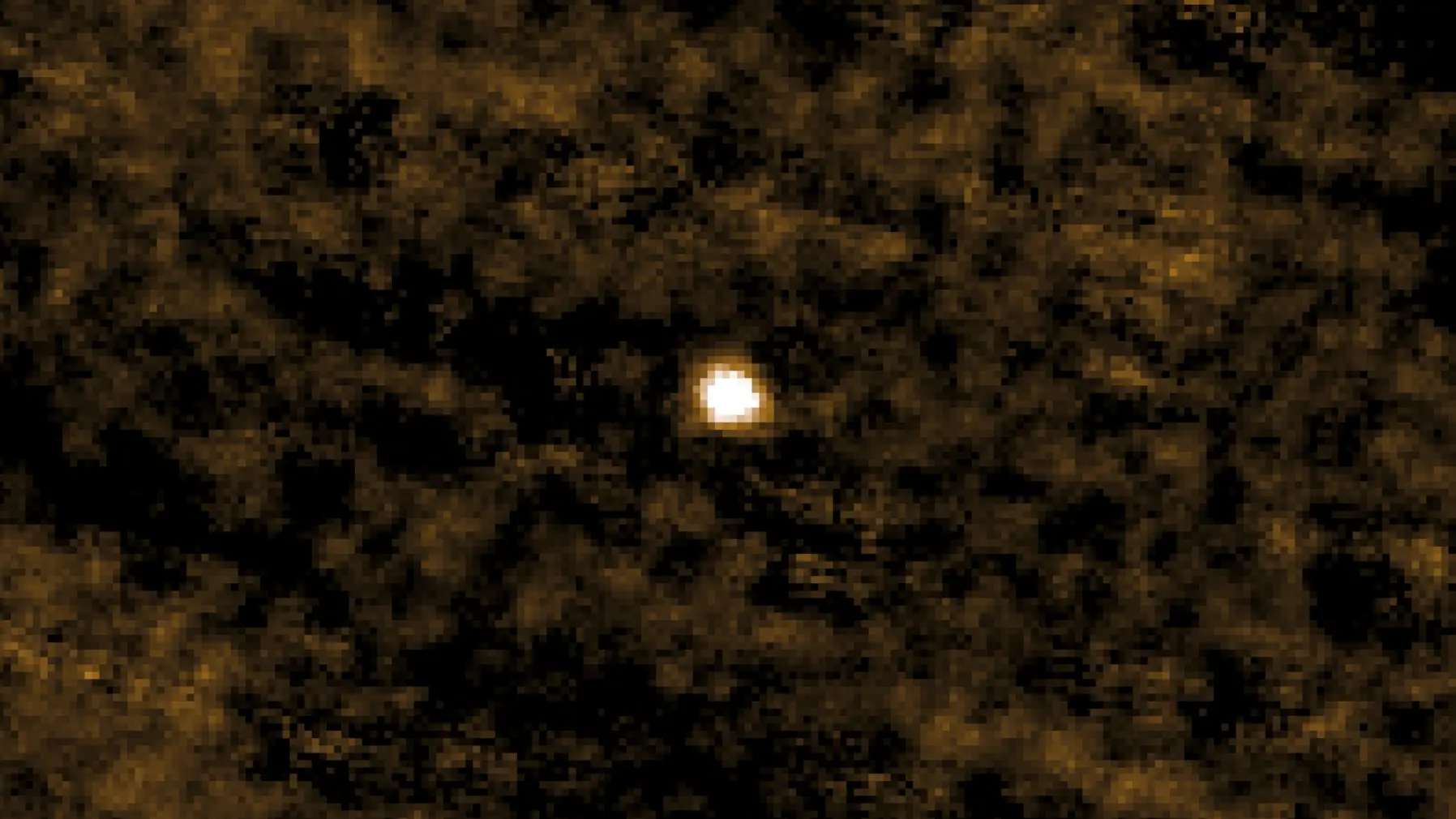
Scientists have been keeping tabs on the mysterious comet, 3I/ATLAS, since it was first spotted in July and they've shared an array of snaps of it along the way.
We've seen images of it taken via the Hubble Space Telescope, as well as the X-ray telescope XRISM, but it doesn't beat seeing it for yourself.
And as it makes its closest flyby to Earth in just a few days, we can all cosplay as astrophysicists for the evening and take a good old look at it for ourselves.
Advert
As it's only the third interstellar object from outside our solar system to be discovered passing through our celestial neighbourhood, it might be one for the books, too.
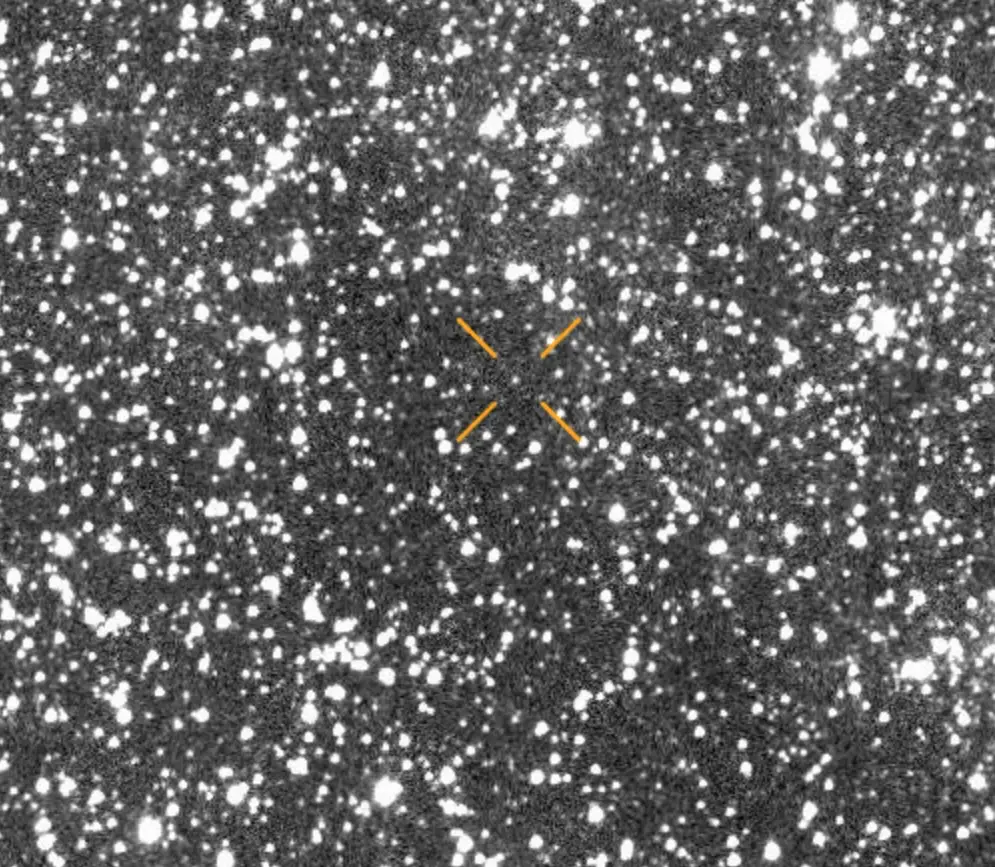
When it was first spotted by experts in Chile five months ago, 3I/ATLAS was around 420 million miles from Earth - but on Friday (19 December), it's getting a bit closer for comfort.
However, there's no need to panic, as NASA has reassured us that it 'poses no threat to Earth and will remain far away'. So, it's merely saying hello before swanning back off into the solar system.
But while it's still knocking about our solar neighbourhood, scientists want to learn as much as they can about it and hopefully get to the bottom of the mystery surrounding it.
Harvard physicist Avi Loeb has suggested that the interstellar object could be of alien origin and claimed it might be a 'potentially hostile', although other experts have rubbished this idea.
Anyway - according to NASA, 3I/ATLAS 'will be about 170 million miles away' - which is more than 700 times the distance between the Earth and the Moon - later this week.
How to see 3I/ATLAS
The US space agency explains that this is the 'closest approach' that it is making to our planet, and as a result, the average person can get a glimpse of it if they have a nifty telescope on hand.
"At this distance, skywatchers looking east to northeast in the early pre-dawn morning could catch the comet right under Regulus, a star at the heart of the constellation Leo, the lion," NASA said.
"To see the comet before it leaves our vicinity, you'll need to be looking through a telescope with an aperture of at least 30 centimetres."
Now, most people don't have this kind of kit just lying around - but if you do, you're in luck, as 3I/ATLAS might put on quite the show.
Alternatively, NASA suggests that those without a proper telescope should 'look for observatories and skywatching events in your local area'.
 Olivia Burke