
PETA 'responds' after restaurant’s pet ‘lobster’ died when activist stole it and threw it into sea

Although many people love animals when they're kept as pets, people are less keen on being reminded about what they're actually eating when a burger lands on their plate.
Activist groups are often taking drastic action to get their point across, with Just Stop Oil making a name for themselves in the UK after throwing soup on a Van Gogh or even tying themselves to goal posts at the football.
While they've since ended their protests and publicity stunts, there are plenty of other organisations and individuals who feel that big statements are the only way to get their point across.
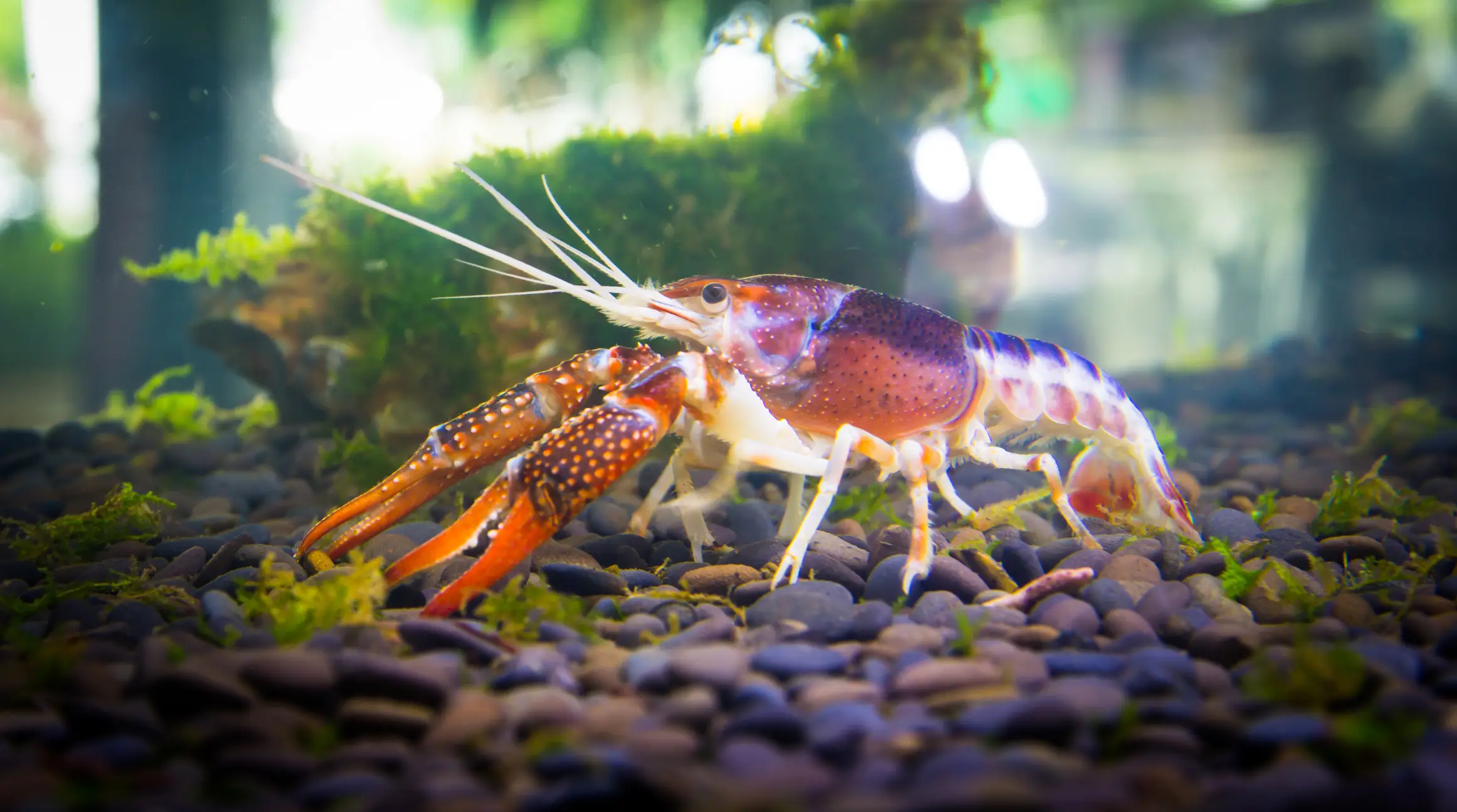
That was certainly the opinion of animal activist Emma Smart, who found herself in legal trouble after stealing what she thought was a lobster from the Catch at the Old Fish Market seafood restaurant, only for the establishment owner to claim it was his pet Ronnie and that she'd inadvertently killed him after throwing him into the sea.
Advert
She has since spoken out about the matter, saying she 'liberated that single miserable lobster' as a 'small, spontaneous act of kindness' during a time when she was at a 'dark low point' while 'navigating a mental health crisis'.
However, many disputed her claims after Ronnie, who was actually a pet crayfish and his mate, both died as a result of her actions, even if her heart was in the right place.
Sean Cooper, the restaurant's owner, told BBC Radio Solent's Dorset Breakfast show he'd had the animals as pets for a 'couple of years', but the difference in water temperature the activist threw it into meant it likely 'died the second it hit the harbour water'.
You can watch CCTV footage of Emma's heist below:
Some might have associated the activist with People for the Ethical Treatment of Animals (PETA), the largest animal rights organisation in the world.
And now the charity has spoken out in a new video which seems to be indirectly addressing the viral story, as they also responded to previous claims about liberating lobsters across the United States.
What have PETA said about the crayfish 'liberation'?
Although they denied rumours that they had released lobsters into freshwater in Nebraska, since that's around 20 hours drive from their headquarters in Virginia, they did suggest that they have supported 'lobster liberations' in the past.
The video states: "People love to hate us because we expose uncomfortable truths about animal abuse that they are still unwilling to confront.
"The truth is that PETA has gone undercover to expose lobster abusers and has helped rescue lobsters off menus, but the rest of the story is just a sea of lies.
"While no animal belongs in a tank, and PETA has supported lobster liberations, we make sure they end up in their rightful home."
It isn't the first time that Smart has found herself in legal trouble either, as she also previously confronted Sir David Attenborough at a restaurant, despite the 99-year-old being far more vocal than most about the perils of the animal planet.
Smart later pleaded guilty to criminal damage and has been banned from being within 10 metres of the Weymouth restaurant.
Speaking directly to LADbible, PETA’s Vice President of Programmes, Elisa Allen said:
"Who can blame someone for wanting to free any animal from captivity? Crustaceans belong in the open water – not in tanks, not in boiling pots. These are highly sensitive animals, capable of feeling pain and distress, and yet they’re confined, cut, and cooked.
"The real question isn’t why or how someone tried to free one; it’s why it isn’t a crime to treat animals in this way, including boiling or broiling them alive.
"The time for lobster liberation has come, and we can all do our part by refusing to eat these and other marine animals."

Can crayfish be ethically kept as pets?
Crayfish, also known as crawfish or freshwater lobsters, have been known to have been kept as aquatic pets for quite some time - but like all animals, they come with specific care requirements that will ensure they can live a happy and comfortable life.
Pets4Homes says it's crucial to not capture crayfish from the wild without appropriate permits and knowledge to distinguish species, and you must never release pet crayfish back into the wild, as this risks ecological damage.
It's also important to note that the Australian red-claw crayfish is the only species of crayfish permitted to be kept as a pet in the UK and Wales, and it must be kept in a sealed, heated indoor aquarium, per gov.uk.
 James Moorhouse