Major breakthrough on cancer vaccine as trial results released

Promising results have emerged from tests done on a cancer vaccine which uses personalised treatment to more effectively protect patients against cancer.
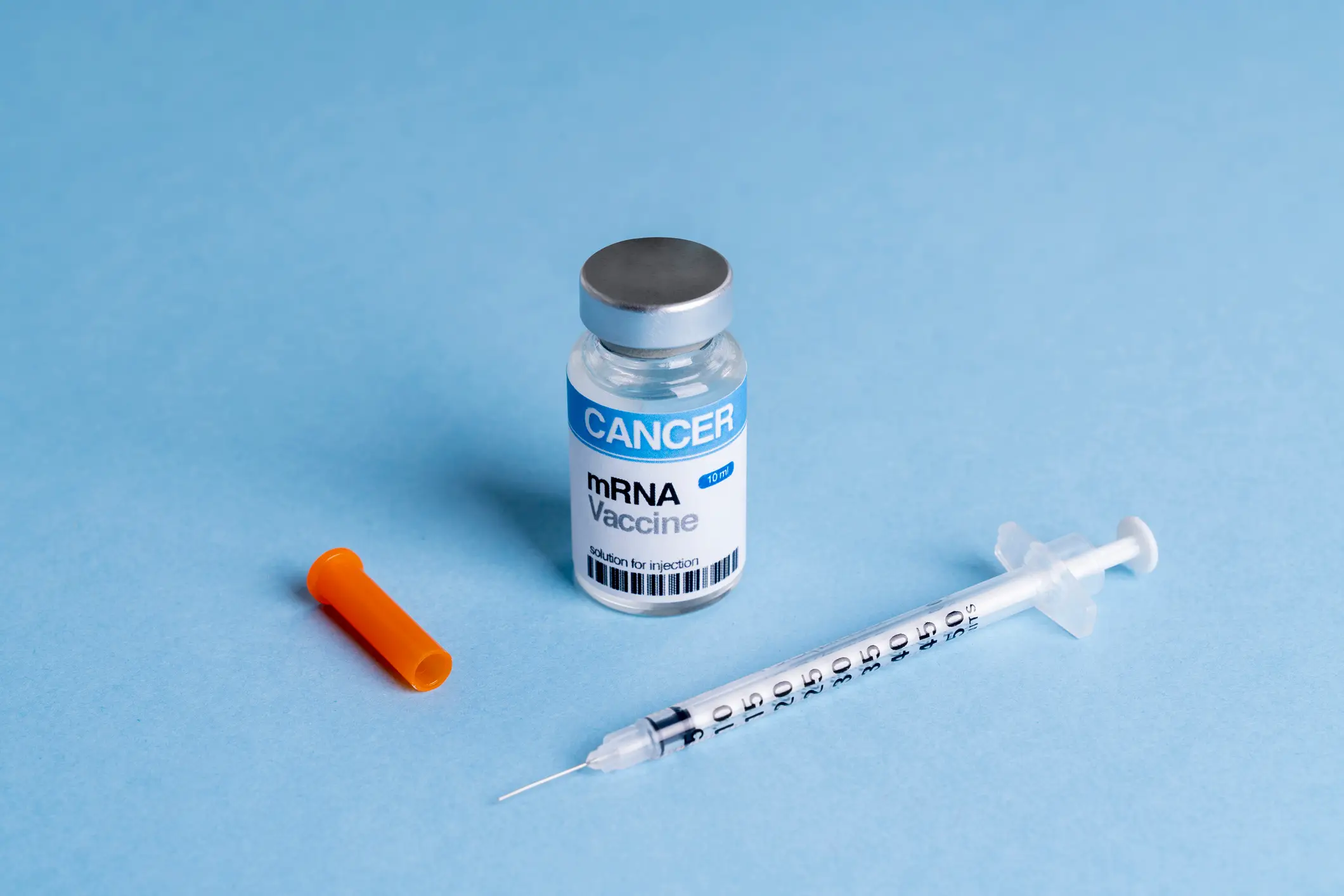
Companies Merck and Moderna put their vaccine through a late-stage trial and today (19 August) announced that they've got a step closer to getting it approved as a possible cancer treatment.
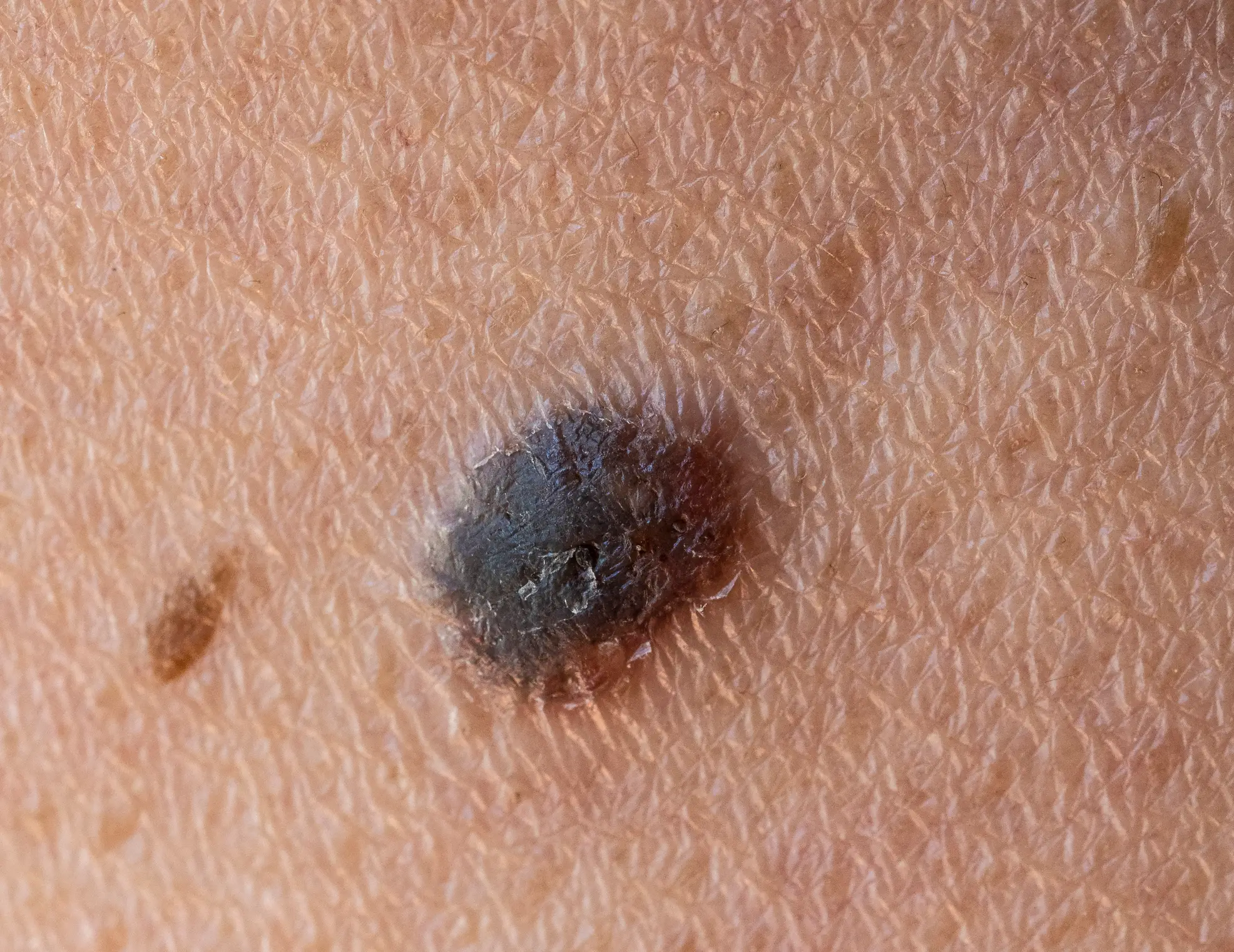
The study covered 1,137 patients with higher risk or advanced melanoma whose cancer had been removed through surgery.
Melanoma is the most serious and deadly form of skin cancer, responsible for a majority of the deaths caused by skin cancer and in most cases melanoma returns between two and three years after the cancer had previously been removed.
Advert
Volunteers received up to nine doses of remission drug Keytruda along with the cancer vaccine, which is called intismeran autogene, or just Keytruda by itself, over the course of the year and those on the combination treatment saw improved results.
Professor Georgina Long, medical director of Melanoma Institute Australia and the study's principal investigator, said the results had the potential to set up new treatments that could one day be 'helping patients remain cancer-free for longer'.
She said: “Today’s results represent a landmark moment for adjuvant melanoma treatment.
"This is the first Phase 3 study to show that intismeran, a treatment designed based on the unique mutational ‘fingerprint' of a patient's own tumor, given in combination with pembrolizumab can reduce the risk of recurrence or death in patients with completely resected stage IIB-IV melanoma compared to Keytruda alone."
Moderna boss Stéphane Bancel added: "For many years, the idea of creating an mRNA treatment designed specifically for an individual patient's cancer was aspirational.
"We are now helping turn that vision into a reality."
This trial builds on a previous one which had found that the combination of Keytrude and the experimental vaccine reduced risk of recurrence or death by 49 percent, and lowered the risk of distant metastasis or death by 59 percent compared to just taking Keytruda.
The cancer vaccine is designed to target unique mutations on a person's cancer rather than using one treatment that applies to everybody.
It's also being trialled to see how it works against various other kinds of cancer, including non-small cell lung cancer, bladder cancer and renal cell carcinoma.
However, it's the melanoma trials which are furthest progressed which means that's the cancer vaccine closest to possibly being approved.
With Merck and Moderna saying they've got successful trial results the vaccine will be presented at an international medical meeting, though when they would submit it to government authorities to be judged as a possible treatment the public could get is unclear.
There have been several attempts to create a cancer vaccine which teaches the body's own defences to attack the tumour.
These vaccines use messenger RNA (mRNA) which sends instructions to cells in the body to make antigens or proteins which can attack the tumour itself, and a successful version of this would mean the body was better at getting rid of cancer cells.
 Joe Harker