• iconNews
  • videos
  • entertainment
  • Home
  • News
    • UK News
    • US News
    • Australia
    • Ireland
    • World News
    • Weird News
    • Viral News
    • Sport
    • Technology
    • Science
    • True Crime
    • Travel
  • Entertainment
    • Celebrity
    • TV & Film
    • Netflix
    • Music
    • Gaming
    • TikTok
  • LAD Originals
    • FFS PRODUCTIONS
    • Say Maaate to a Mate
    • Daily Ladness
    • UOKM8?
    • FreeToBe
    • Citizen Reef
  • Advertise
  • Terms
  • Privacy & Cookies
  • LADbible Group
  • UNILAD
  • SPORTbible
  • GAMINGbible
  • Tyla
  • UNILAD Tech
  • FOODbible
  • License Our Content
  • About Us & Contact
  • Jobs
  • Latest
  • Topics A-Z
  • Authors
Facebook
Instagram
X
Threads
Snapchat
TikTok
YouTube

LAD Entertainment

YouTube

LAD Stories

Submit Your Content
How Chernobyl fungus developed its own superpower as scientists make incredible discovery

Home> News> Science

Updated 11:57 1 Dec 2025 GMTPublished 11:29 1 Dec 2025 GMT

How Chernobyl fungus developed its own superpower as scientists make incredible discovery

The behaviour of black mould found in the Chernobyl exclusion zone provides hope for cleaning up radiation zones

Emma Rosemurgey

Emma Rosemurgey

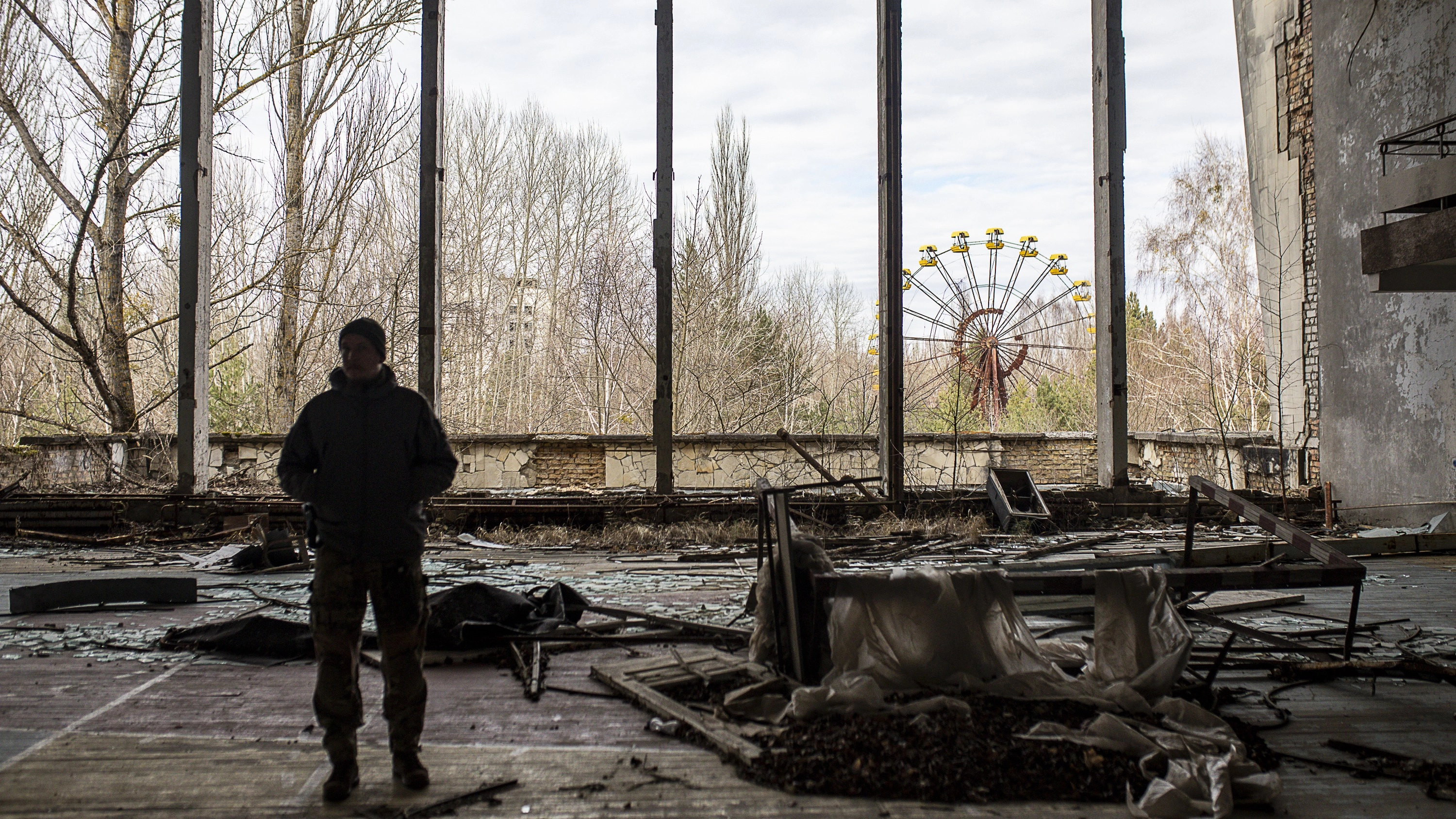
Nearly 40 years since the worst nuclear disaster in history, the Chernobyl exclusion zone remains off-limits to people.

In that time, just a few select people have been able to explore the area, which spans 19 miles around the worst reactive remains of reactor four, where the explosion took place.

The exclusion zone, or 'zone of alienation', was established to protect people from the long-term health complications associated with radiation poisoning, with the majority of deaths caused by radioactive iodine in the first few days and weeks, and the leading long-term cause being cancer.

One person to enter the zone was microbiologist Nelli Zhdanova, who led a team from the Ukrainian National Academy of Sciences on a field survey mission in 1997, to find out what life could be found in the shelter where the destroyed reactor still lies.

Advert
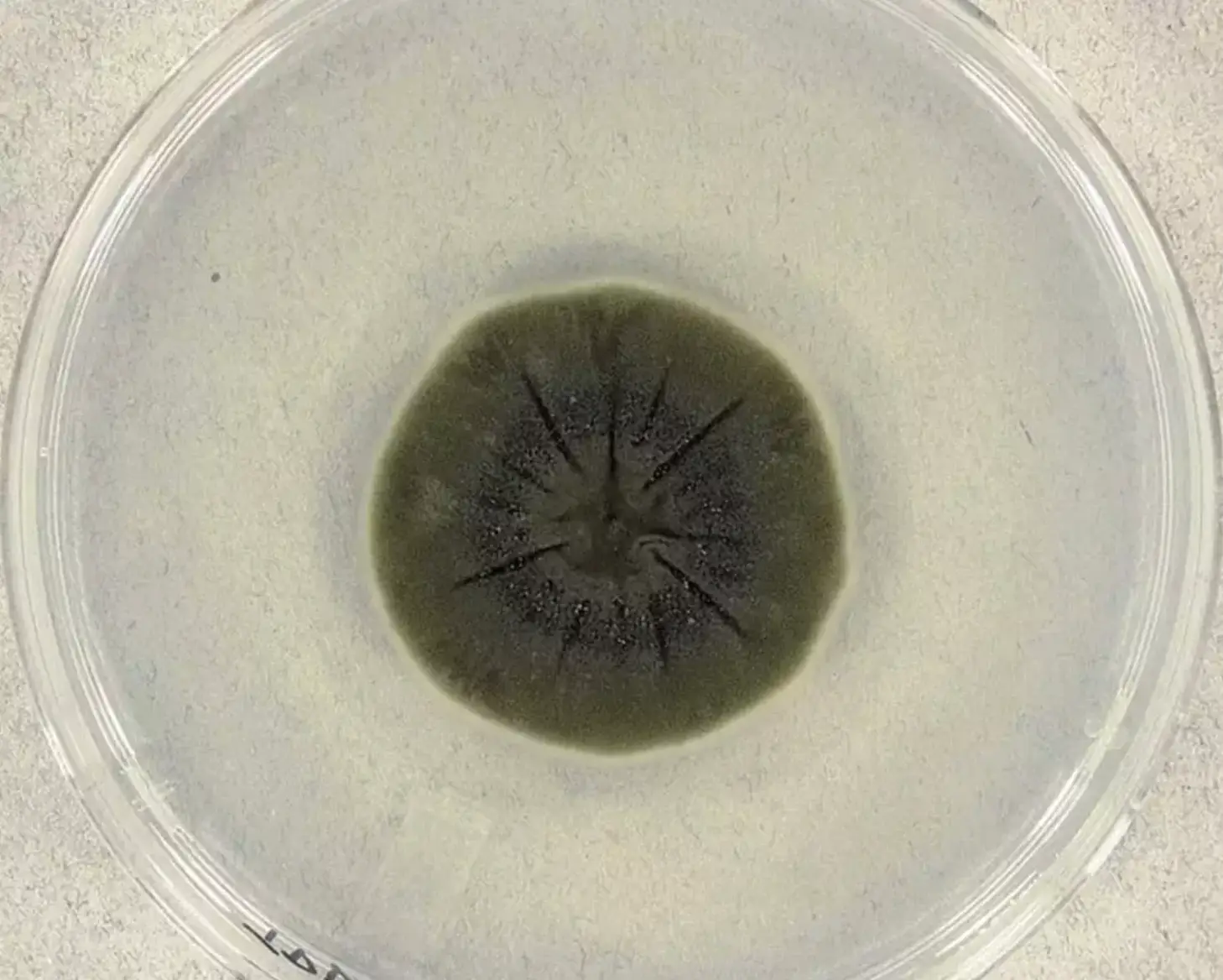
The black mould was essentially eating the radiation (Medmyco/Wikimedia)

The team very quickly learned they were not alone, and found 37 different species of fungi, including black mould, which was previously believed to be detrimental to life.

However, the most bizarre aspect of Zhdanova's discovery was the fact that the mould, which had completely taken over the area, was growing towards the radioactive particles in that area, even reaching the original source of the radiation.

The team's research revealed that the fungal hyphae of the black mould appeared to be attracted to the ionising radiation, which would usually cause harmful mutations, killing organisms and destroying cells, but not in this case.

In the last two decades, Zhdanova has worked on pioneering research on what she calls 'radiotropic fungi', not only discovering what could potentially be a new foundation of life, but also providing hope that radioactive sites like Ukraine's Chernobyl and Fukushima in Japan, may one day be cleaned up.

Advert

Her findings could also help protect astronauts from harmful radiation as they travel up into space, BBC Future reports.
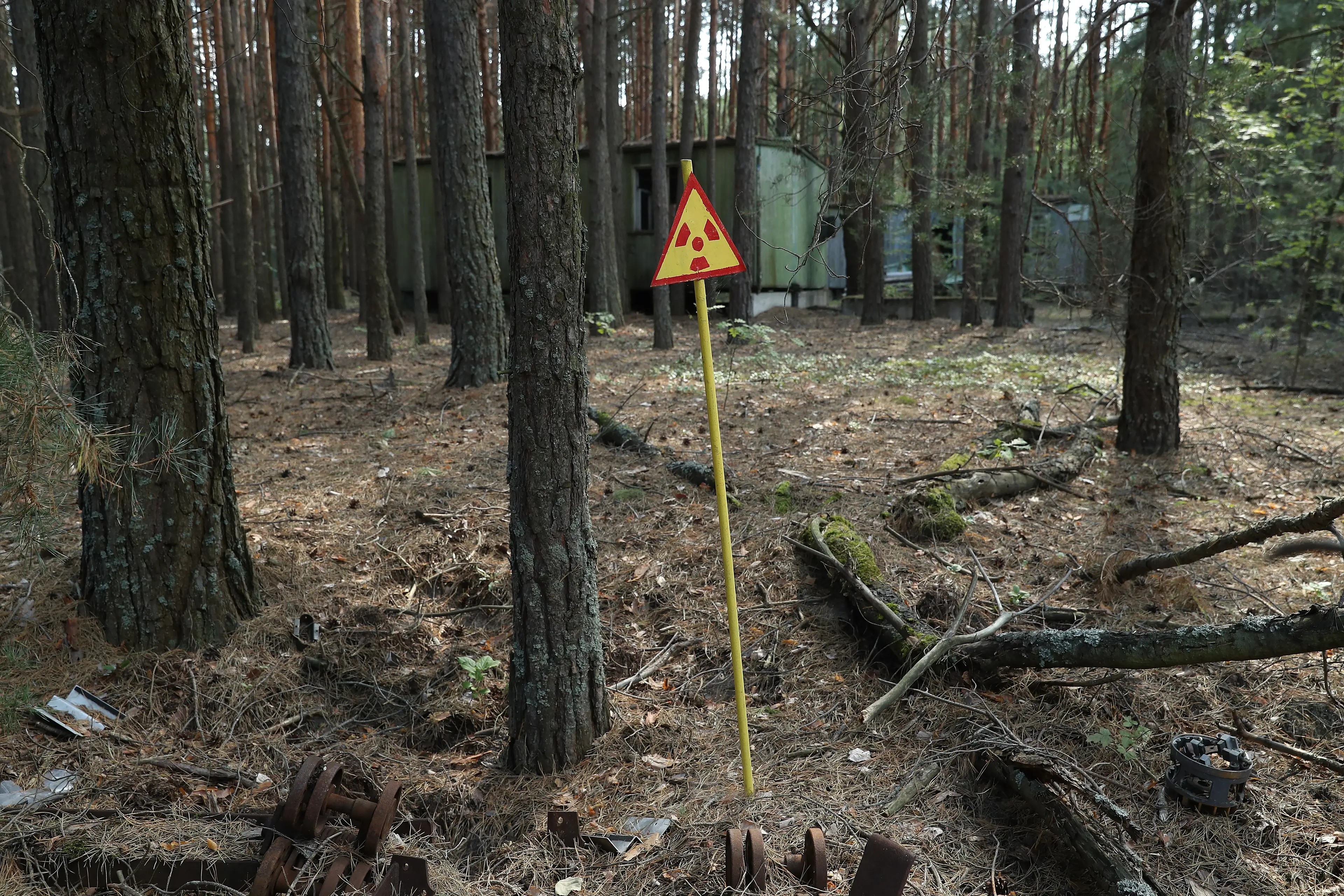
The discovery provides hope of cleaning up radiation zones (Sean Gallup/Getty Images)

A complex study found that the radiotropic fungi, officially named Cladosporium sphaerospermum, could actually eat radiation, much like the way plants take sunlight to fuel their metabolic process in what's known as photosynthesis. This process is aptly called radiosynthesis and it's made possible thanks to the pigment in our skin and eyes, melanin.

The Cladosporium sphaerospermum has a dark shell made of layers of melanin and this takes the energy from the radiation and uses it to grow the fungus.

Scientists are still discovering exactly what these findings mean in terms of how they can be used in real life situations, but it certainly opens up a whole new world of possibilities.

Featured Image Credit: Gian Marco Benedetto/Anadolu via Getty Images

Topics: Chernobyl, Science

Emma Rosemurgey
Emma Rosemurgey

Emma is an NCTJ accredited journalist who recently rejoined LADbible as a Trends Writer. She previously worked on Tyla and UNILAD, before going on to work at the Mirror Online. Contact her via [email protected]

Advert

Advert

Advert

Choose your content:

7 hours ago
9 hours ago
10 hours ago
11 hours ago
  • Getty/Christopher FUrlong
    7 hours ago

    Nigel Farage tricked into paying tribute to Lostprophets paedophile Ian Watkins

    In a clip recorded for Cameo, Farage appeared to pay tribute to the convicted paedophile Ian Watkins

    News
  • Family Handout
    9 hours ago

    Family speak out after solo hiker, 46, killed by pack of mountain lions

    Kristen Marie Kovatch's loved ones said they will 'miss her dearly' in a poignant tribute

    News
  • X
    10 hours ago

    ICE agent who shot Renee Good dead set to become millionaire through fundraisers

    He has reportedly not returned to work since the incident

    News
  • Getty Stock Images
    11 hours ago

    How to tell if your iPhone has been hacked as more than a billion users at risk

    If you haven't updated your iPhone to the latest iOS software, you could be one of billions of users at risk of hacking

    News
  • People make chilling observation about camera footage as man walked near Elephant's Foot in Chernobyl
  • Chernobyl scientists discover black fungus feeding on deadly radiation in 'film plot waiting to happen'
  • Experts make incredible discovery at Pompeii that confirms how Roman Empire was built
  • Scientists record human brain as someone dies and make incredible revelation