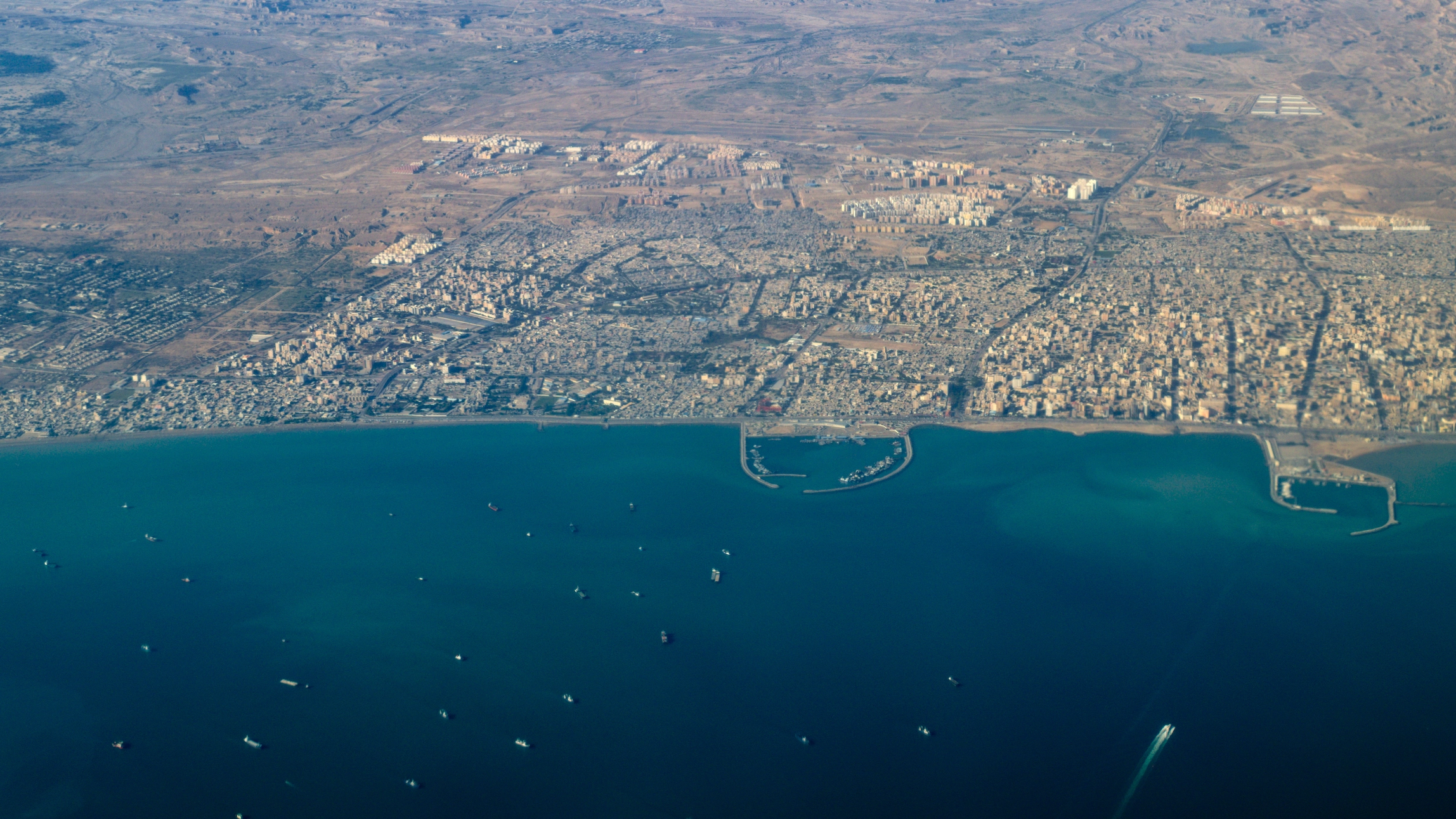
Iran closes vital shipping route that could have big impact on world

An important trading route has been shut in the wake of the ongoing conflict between Iran and the US, Israel and Gulf nations.
US President Donald Trump announced last week that 'major combat operations' were underway against Iran, with missiles being fired at the nation since.
Iran have retaliated, firing missiles at Israel and a number of countries in the Gulf, while targeting UK and US military bases.
Amidst the ongoing conflict, one decision from Iran could cause countries who aren't involved at all, to pay a hefty price.
Advert
It should come as no surprise that oil and gas prices have surged in response to the political unrest in the Middle East, with the area being the world's highest oil-producing region.
The area is responsible for a fifth of the world's oil trade alone, with Sky News reporting that it can deal with up to 21 million barrels per day as the world's busiest oil shipping channel.
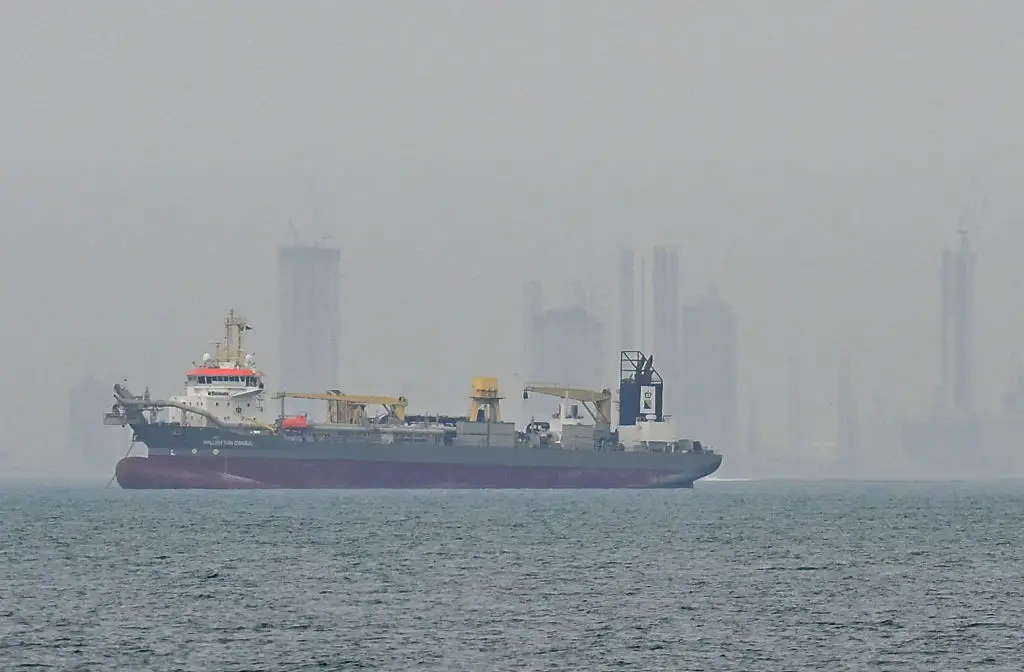
Known as the Strait of Hormuz, this narrow passage is just 50km (31 miles) wide and it leads from the Persian Gulf into the Gulf of Oman, onto the Arabian Sea and the Indian Ocean while being responsible for handling 20 percent of global energy trade.
Just 100 miles long, the strait has Iran to its north and UAE and Oman to its south, and acts as the only way oil tankers can carry oil from heavy exporters such as Kuwait, Bahrain and Qatar, to the rest of the world.
At its most narrow point it is just 24 miles wide, yet it is one of the most important areas for global maritime trade in the world.
But now, Iran have claimed that they will 'set fire' to any ships looking to pass through the Strait of Hormuz, as Iran General Sardar Jabbari said that Tehran will 'not let a single drop of oil leave the region', report the BBC.
Oil prices have already skyrocketed in response to US and Israeli strikes and if the strait continues to be blocked, the cost of goods and services everywhere could inflate.
Countries which are knwn to be big importers of crude oil, such as China, India and Japan, could see their economy suffer.
Almost £447 billion worth of energy trade per year makes its way through the strait, with around 3,000 ships or so sailing through the strait every month.
Blackades in the strait could then force oil prices to rise to up to £74 per barrel, as Goldman Sachs analysts told the publication, as global benchmark Brent crude prices hit £61 per barrel on Friday (27 February).
Iran are not only stopping neighbouring nations from benefiting financially, they're also stopping themselves from exporting oil.
At least three ships were attacked near the strait at the weekend, and the closure of the area has left 150 tankers stranded.
United Nations rules allow countries to control territorial seas up to 12 nautical miles (13.8 miles) from their coastline, with the most narrow point of the Strait of Hormuz falling solely within Iran and Oman's territorial waters.
Iran have not detailed how they plan to shut the strait, but experts have suffested that the use of mines with fast attack boats and submarines may be an option.
Topics: Iran, Donald Trump, World News
 Joshua Nair