Doctors explain why you should never pee on a jellyfish sting

The concept of peeing on a jellyfish sting existed before we ever saw Chandler do it to his future wife in Friends, but now, doctors have revealed exactly why it's such a bad idea.
Thanks to Joey's advice, we might have all once believed that the best medical practice for the unusual but undoubtedly painful sting is to summon our own stream of man-made medicine.
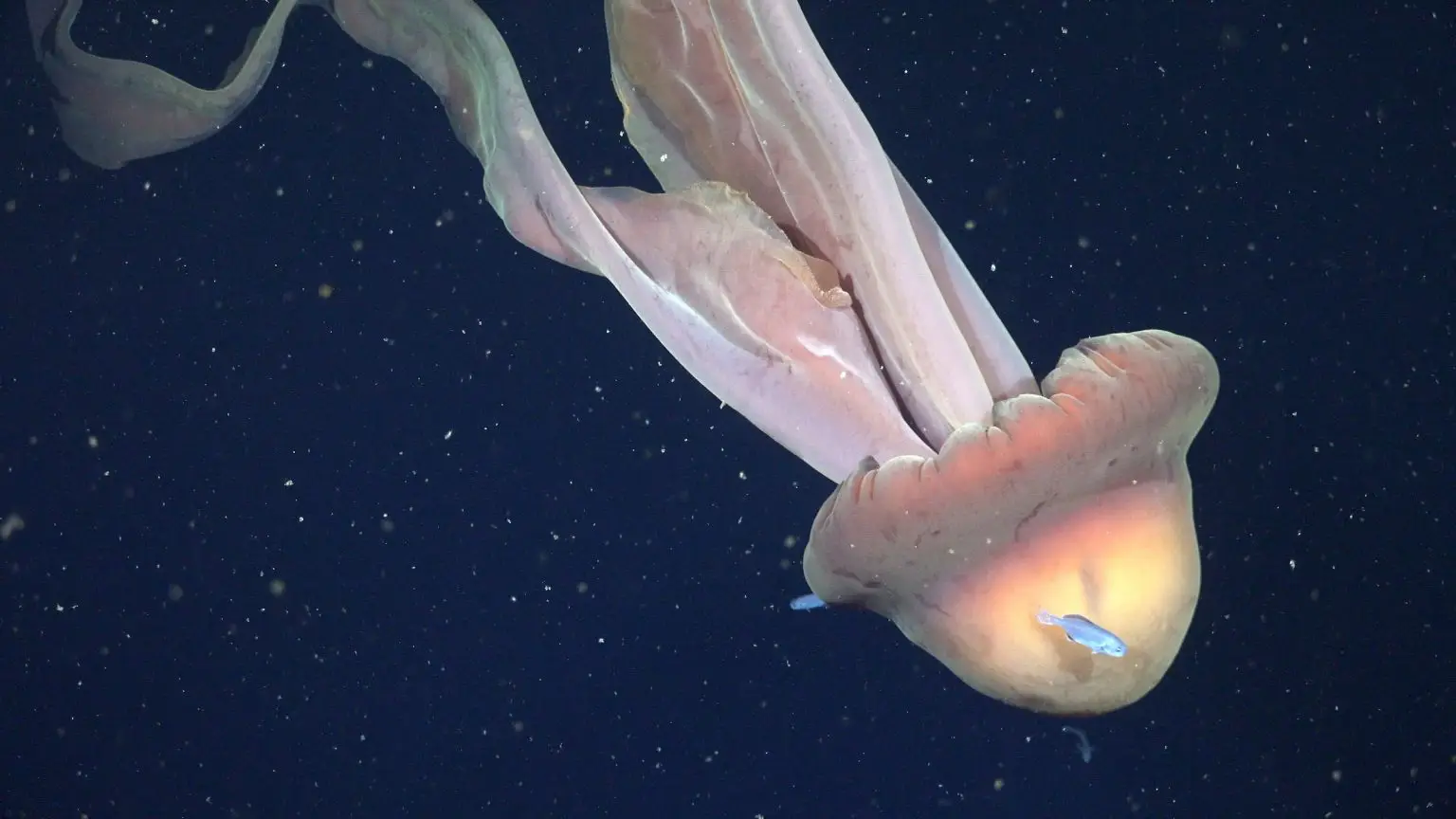
After a giant phantom jellyfish was spotted off the coast of Argentina earlier this week, it's worth remembering what you should do if one of the strange sea jellies comes close to your skin and delivers a venomous sting that has been known to kill people in minutes.
And spoiler alert: it's not peeing on it.
Why shouldn't you pee on jellyfish stings?
Well, if you were tempted to follow Joey's advice, you could actually be putting someone in even more danger.
Advert
Dr Peter Richardson told the BBC: "Peeing on a jellyfish sting is not advised", while also joking that it's probably the last thing anybody really wants to see on a beach – unless you're into that kind of thing,I suppose.

Peeing in the shower is already bad enough for our health, but when it comes to jellyfish stings, urine can actually make the pain a lot of worse, as it can lead to more venom being released. Since our urine is usually freshwater-based with a low-salt content, it can trigger 'undischarged nematocysts', or stinging cells, to fire and release even more venom, resulting in even more pain.
How should you treat a jellyfish sting?
Saltwater is a far better immediate treatment for the pain, although the severity of the sting of course depend on the particular species of jellyfish.
In most cases, the pain will be minor, leading to itching and welts which can be treated with a first aid kit. However, species such as the box jellyfish or Portuguese man-of-war can be extremely dangerous.
A sting from either of those jellyfish could be lethal, as it will likely induce a severe reaction which could include vomiting, muscle spasms, breathing difficulties, and rapid, life-threatening cardiovascular failure, as anyone who has ever watched Stormbreaker will appreciate.
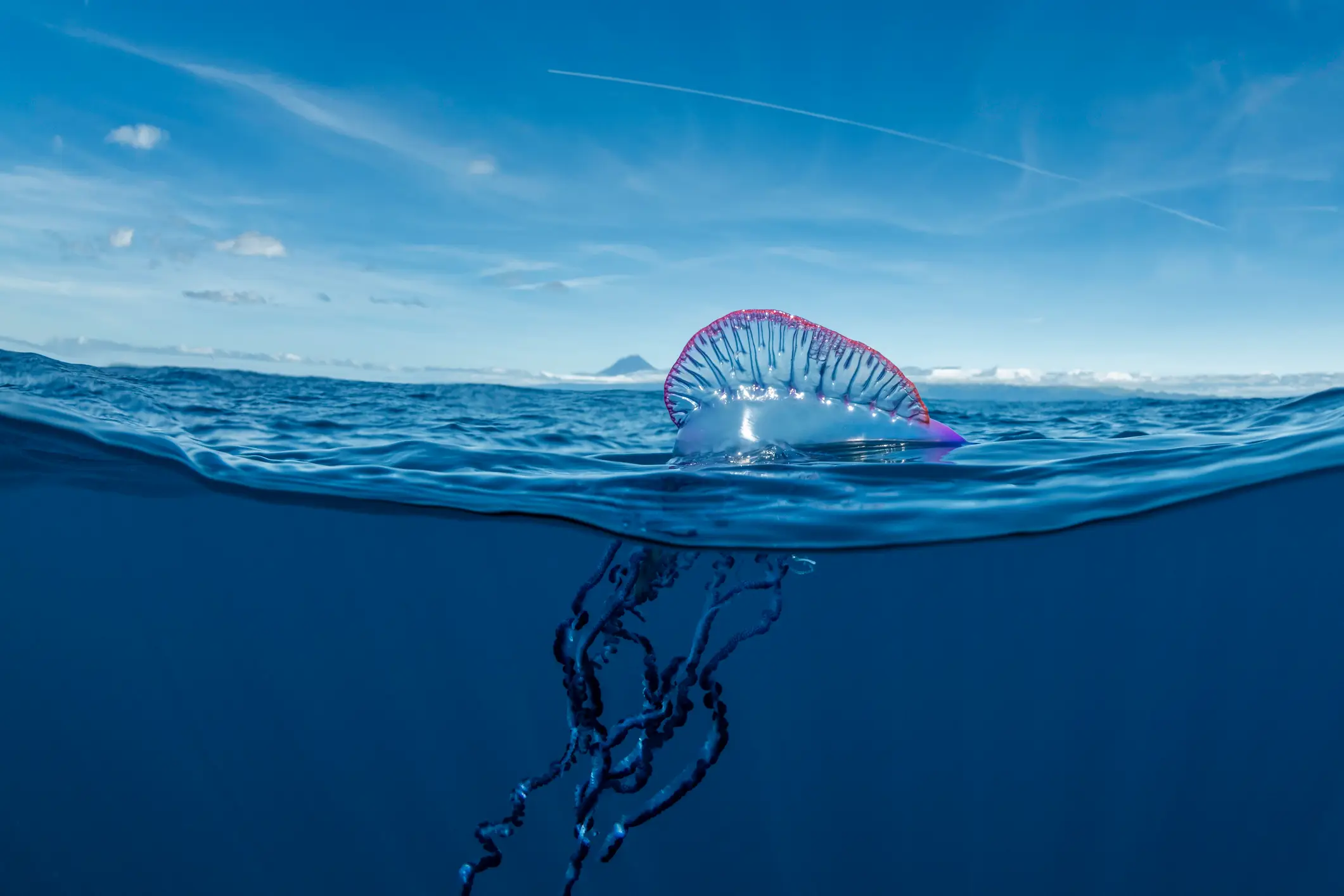
The NHS instead suggests rinsing the area with seawater, removing spines from the skin using tweezers, soaking the affected area in hot water and taking painkillers.
You definitely should not pee on it, or touch the sting with your bare hands. Covering the wound or using an ice pack is also not recommended.
What is the giant phantom jellyfish?
Although the phantom jellyfish might have a particularly scary name, the four arms that it spouts aren't actually used as stinging tentacles.
Instead its arms, which can grow to a mammoth 33ft long, are used to catch fish and plankton for food, according to the scientists from the Schmidt Ocean Institute who recently documented and filmed it 250 metres below the surface in the South Atlantic Ocean.
So, if you do happen to find yourself in deep sea areas close to Argentina and you see one of these gigantic beasts coming your way, you should be more worried about escaping its Mr Fantastic-esque arms rather than getting stung.
 James Moorhouse