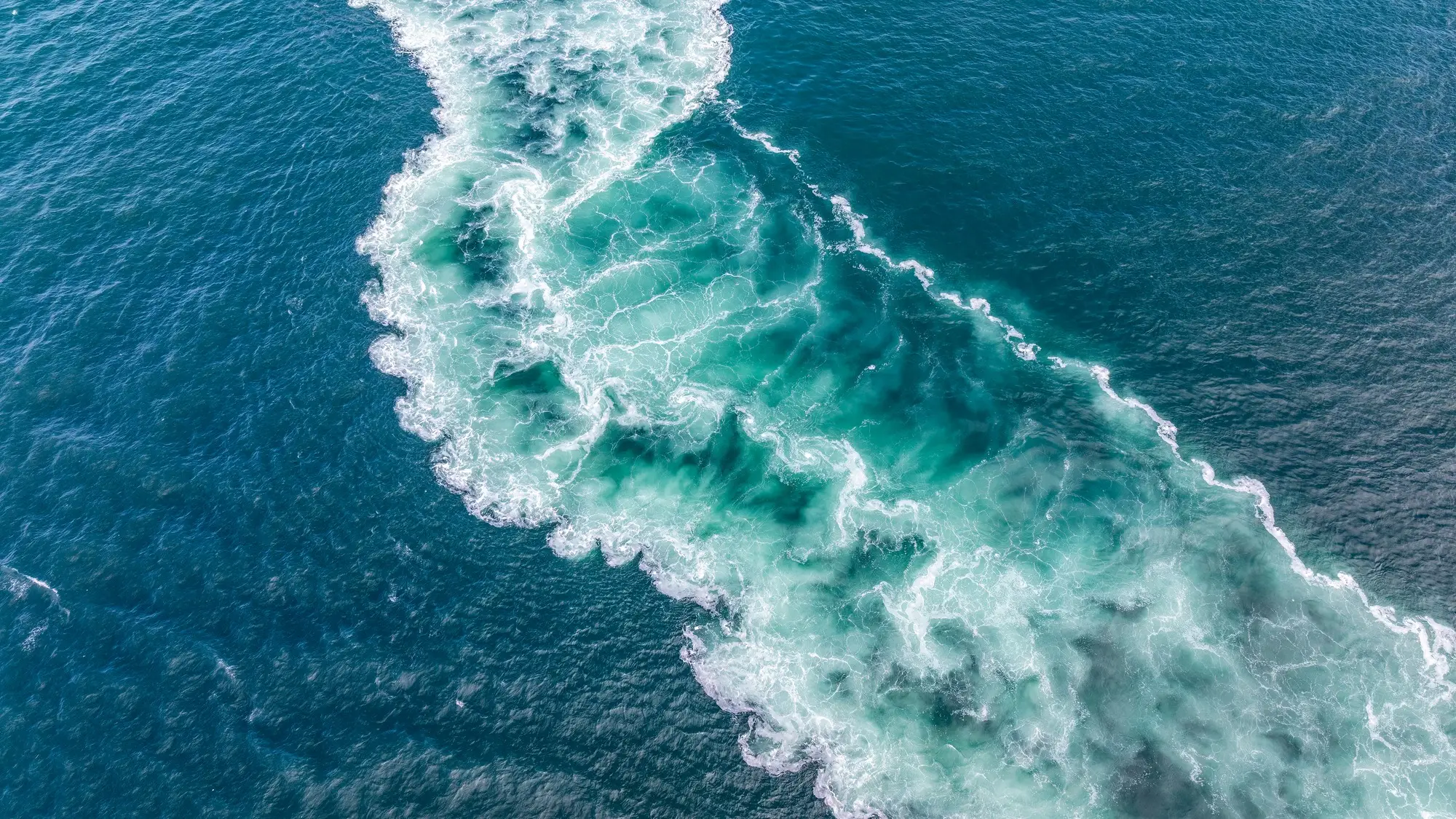
Earth is 'splitting in half' beneath our feet and could see oceans disappear if it doesn't stop

In a time where humanity is already threatening to destroy the world, the last thing we need is planet Earth to literally tear itself apart.
However, that is the reality in the Pacific Ocean right now, in a rather worrying geological phenomenon that is threatening to cause huge earthquakes and eruptions, or even vanquish our oceans.
If you haven't heard anything about the tectonic plates since Year 8 geography then let me reacquaint you. There are seven major tectonic plates spread beneath the Earth's surface, which essentially fit together like the easiest jigsaw you'll ever do.
However, in this case, trying to force a piece in the wrong place or accidentally knocking one slightly askew can lead to some devastating geological activity.
Advert
The area where two tectonic plates collide, where the denser plate sinks below the lighter plate, is known as a subduction zone, and these are vital in keeping things nice and calm where we're all living.
"Getting a subduction zone started is like trying to push a train uphill, it takes a huge effort," said Brandon Shuck, an assistant professor at Louisiana State University and lead author of the study. "But once it's moving, it's like the train is racing downhill, impossible to stop. Ending it requires something dramatic, basically, a train wreck."
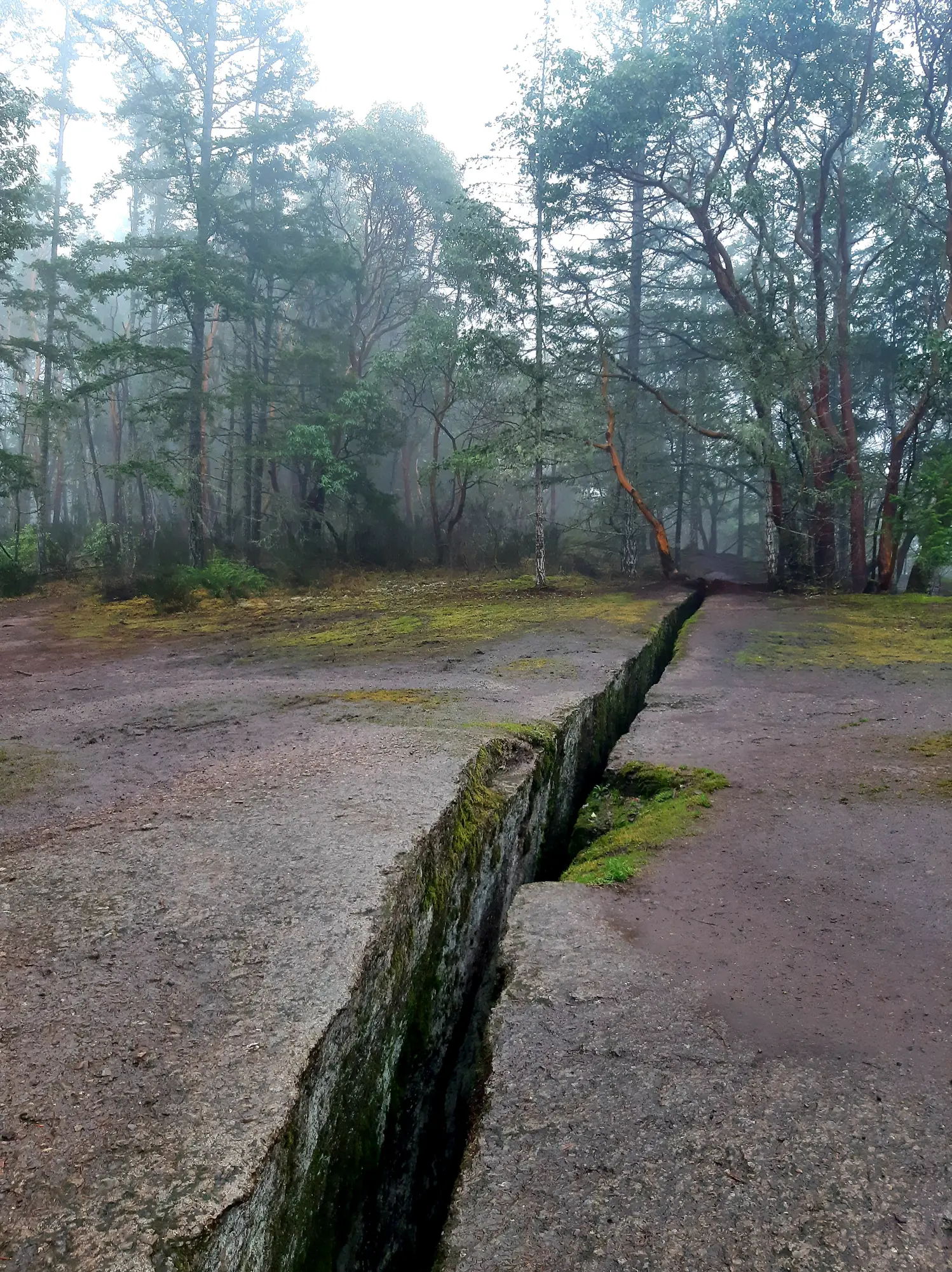
Off the coast of Vancouver Island, scientists have identified that the Juan de Fuca and Explorer plates are slowly sliding beneath the North American plate, with the subduction zone seemingly failing it its normal job requirement.
After essentially taking an ultrasound of the Earth's interior, the scientists made the horrifying realisation that one of the plates isn't just sinking, but actively tearing.
"This is the first time we have a clear picture of a subduction zone caught in the act of dying," said Shuck. "Rather than shutting down all at once, the plate is ripping apart piece by piece, creating smaller micro-plates and new boundaries. So instead of a big train wreck, it's like watching a train slowly derail, one car at a time."
"There's a very large fault that's actively breaking the [subducting] plate," Shuck explained. "It's not 100 per cent torn off yet, but it's close."
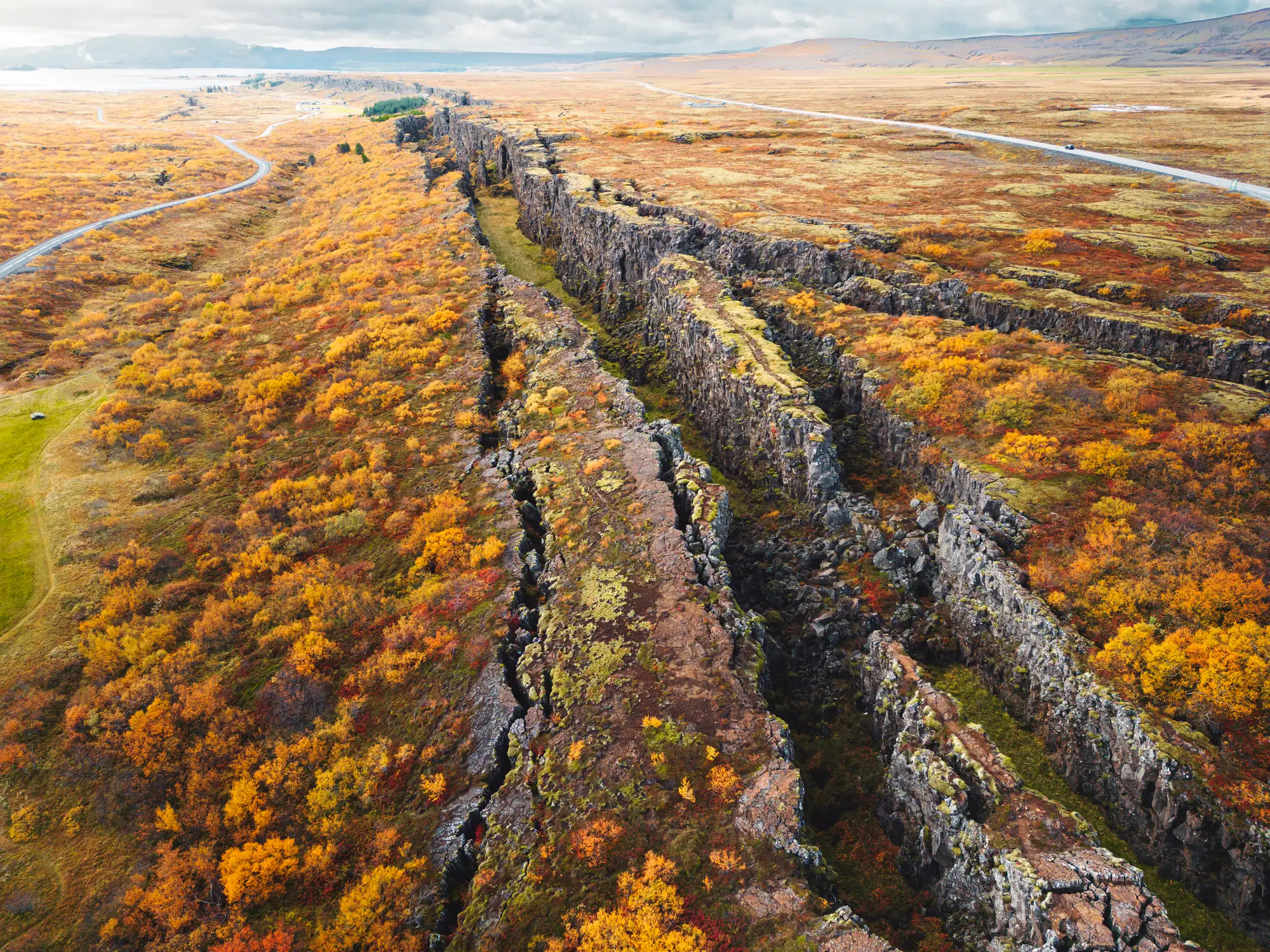
Scientists haven't previously had a clear picture of what the process looks like but these new findings will help researchers better understand the life cycle of the tectonic plates look like, even if the major plate breaking up could lead to natural disasters.
However, it seems to be a matter of so far, so good, as earthquake data suggests that some areas are unusually quiet despite the tear, which is thought to be around 75km long.
Shuck explains: "Once a piece has completely broken off, it no longer produces earthquakes because the rocks aren't stuck together anymore."
Although it's likely that the break is expanding, it could take millions of years for any seriously troubling side effects, when a gradual loss of momentum could bring the whole subduction system to a stop.
Topics: Science
 James Moorhouse