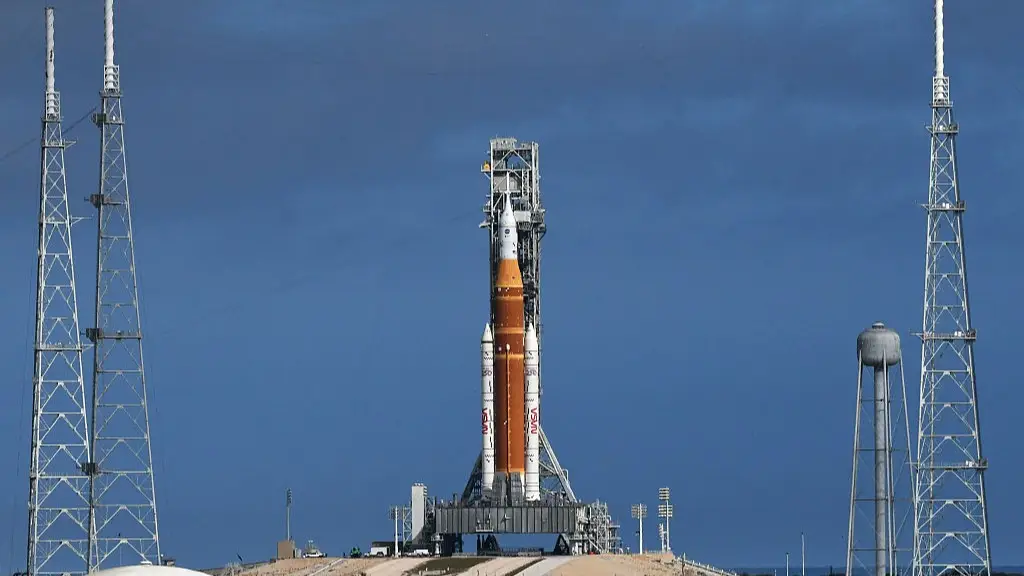
New expected launch date of NASA's Artemis II moon mission following delay

It's remarkable to think that humanity's last mission to the moon occurred over 50 years ago but NASA has now set a date for its eagerly-anticipated return.
After completing the first moon landing back in 1969, humans have only been back on a handful of occasions since, with advanced technology meaning that we're now more focused on looking far beyond the Earth's natural satellite.
Thanks to tech such as the James Webb Space Telescope, we're able to see things that scientists from a few decades ago could only dream of, and the concept of living on Mars isn't as dystopian as it once it might have seemed.
The prospect of living on the red planet is one that big wigs such as Elon Musk are keen to explore and humans eventually visiting Mars is another reason why the Artemis II moon mission has been planned.
Advert
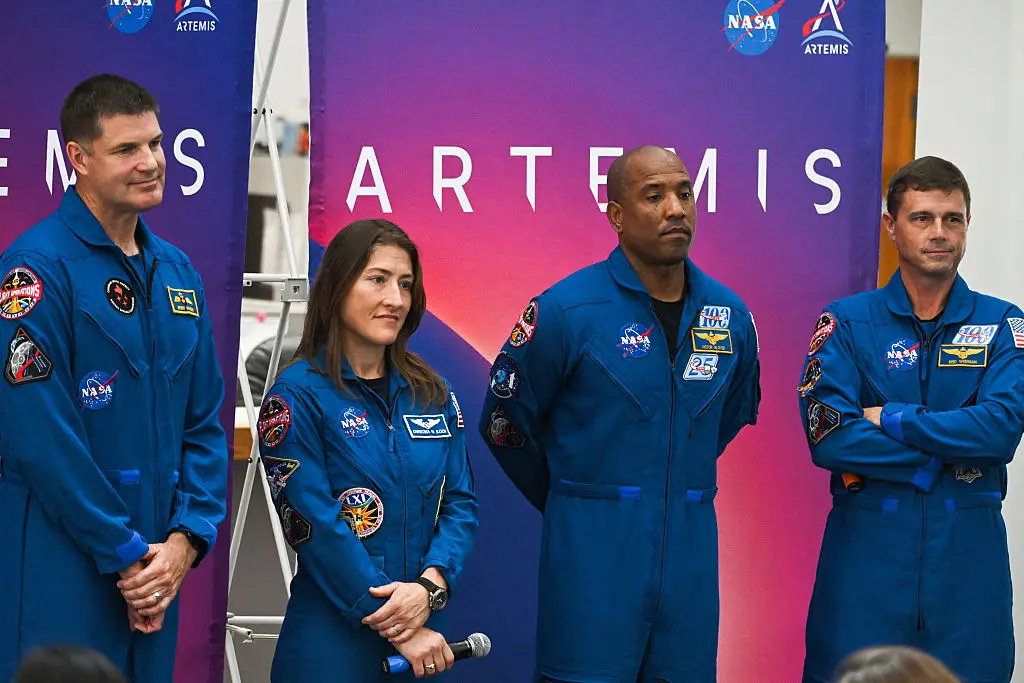
After it was delayed earlier this year, NASA have confirmed that April 1 is the new expected launch date for the rocket, which will see commander Reid Wiseman, pilot Victor Glover, and mission specialist Christina Koch of NASA, along with CSA’s (Canadian Space Agency) mission specialist Jeremy Hansen head on a 10-day trip around the moon and back.
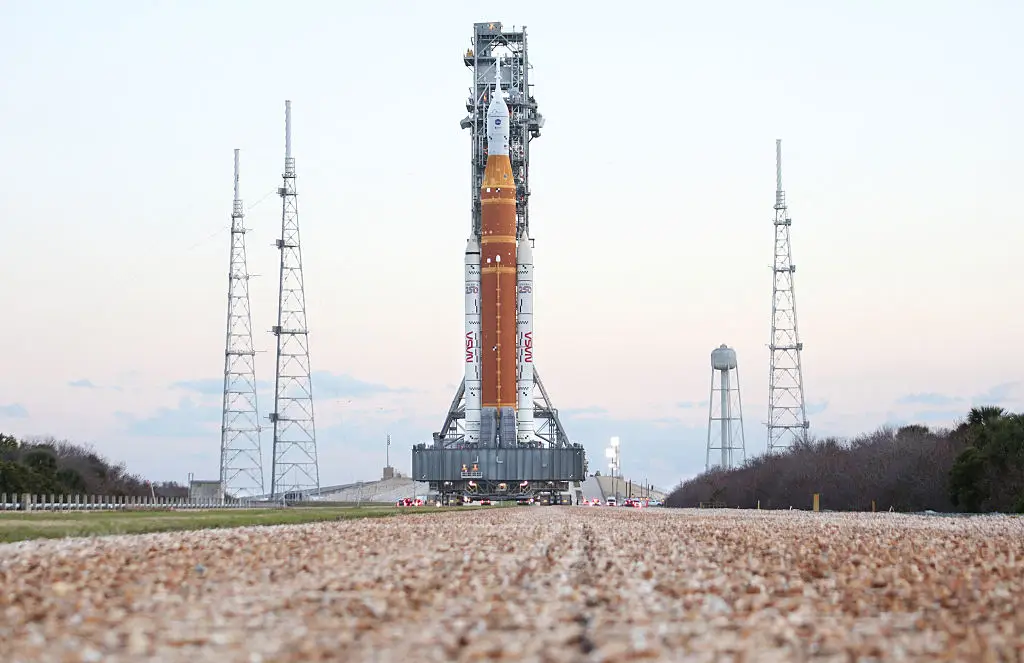
NASA writes: "As part of a Golden Age of innovation and exploration, Artemis II is another step toward new U.S.-crewed missions to the Moon’s surface, leading to a sustained presence on the Moon that will help the agency prepare to send astronauts to Mars."
The new launch date is no April Fools and will have a window stretching until 6 April, as the rocket has now arrived on the launch pad, with NASA suggesting that prelaunch preparations are already underway.
Christina Koch told the BBC: "Depending on the time that we launch, depending on the illumination of the far side of the Moon… we could see parts of the Moon that never have had human eyes laid upon them before. And believe it or not, human eyes are one of the best scientific instruments that we have."
The mission, as with any trip into space, won't be without its risks though, as the astronauts are expected to lose communication with those on Earth for between 30 and 50 minutes, while their re-entry into our home planet's atmosphere will also see their crew module separate from the spacecraft, which will bear the brunt of the 2700 degree temperatures.
Pilot Victor Glover added: “While we cannot talk to the planet and our friends that are even in space on the International Space Station, I would love it if the entire world, those eight billion people, could come together and just be hoping and praying for us to get that acquisition of signal and be back in touch with everybody."
NASA will be praying that the mission goes better than one of their last high profile trips to space, which saw astronauts Butch Wilmore and Sunita Williams stuck in space for nearly 300 days.
But given the recent test mission was a success, the scientists at NASA will be confident that history will be made when the rocket (hopefully) launches at the start of next month.
Topics: NASA, Science, Technology
 James Moorhouse