Astrophysicist explains biggest danger Artemis II crew will face after successful launch

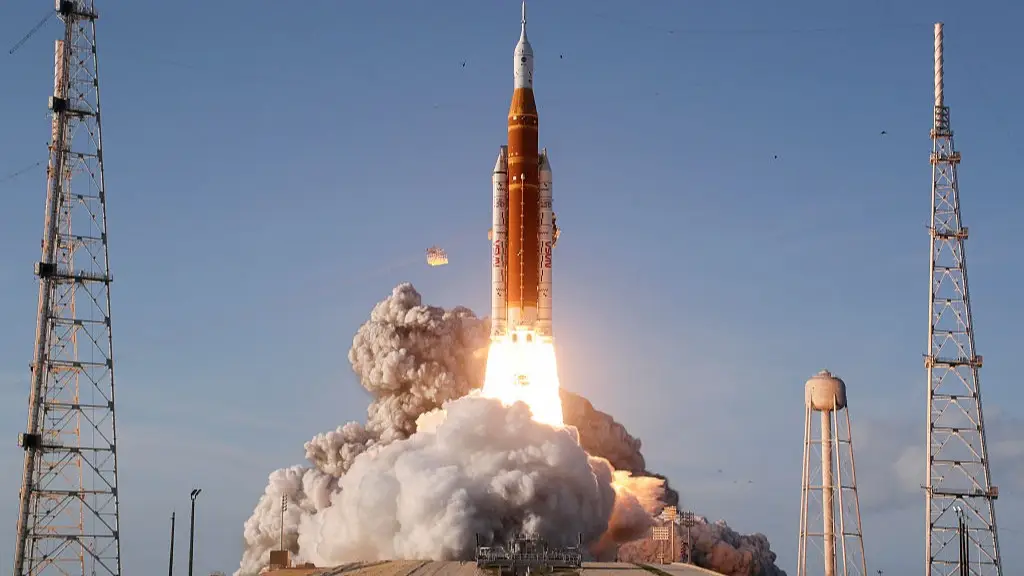
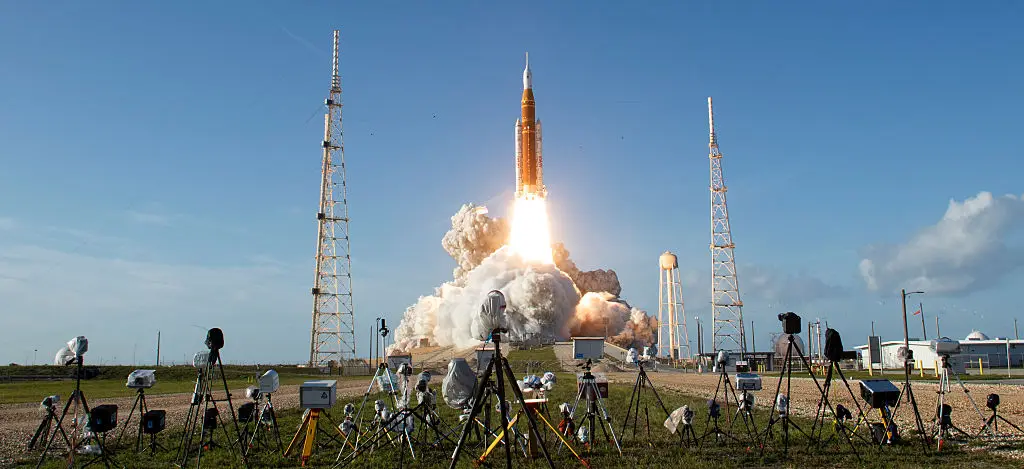
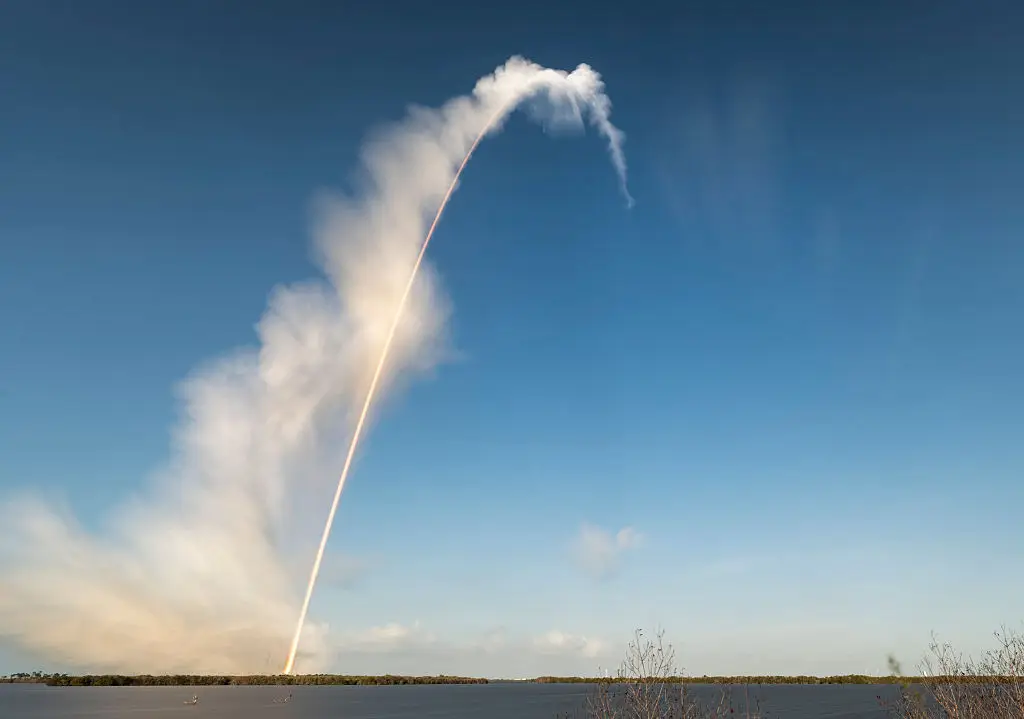
Artemis II has successfully launched up, up and away into space as the first stage of the mission to fly around the Moon and go further into space than anyone ever has before has begun.
There have been some slight hiccups along the way, as the space toilet had a bit of a problem shortly after launch, but they were able to get beyond the first step of actually getting the craft into space.
Dr Megan Argo, Senior Lecturer in Astrophysics at the University of Lancashire, told LADbible that the initial launch was 'one of the significantly dangerous parts of the mission', and there's another part to come that poses the biggest danger to the astronauts now.
She said the launch of Artemis II appeared to go 'incredibly well' as any problems were identified and sorted, but the astrophysicist explained that as is the case with all fight the most risky part is take-off and landing.
Advert
They've got the take-off out of the way successfully, avoiding clouds that could have 'generated lightning' which as you can understand is a bad idea 'near large amounts of explosive liquid', and picking the right launch window so as not to collide with any debris from all the satellites we're cluttering our own orbit with.
While the launch got the thumbs up, Dr Argo explained: "The other major part of the mission that's really, really risky is when they come back at re-entry."
She explained that when the original Artemis mission launched it had some problems on re-entry, nothing catastrophic but certainly something to be on the lookout for.
"When the capsule comes back through the Earth's atmosphere it has a heat shield on the flat end of the spacecraft to try and take away some of the heat that's generated in that re-entry process.
"As it's flying through the atmosphere, you get what's called a bow shock built up at the front of it, and that bow shock generates an awful lot of heat, thousands of degrees.
"It can get to temperatures rivalling half the heat of the sun's surface, very, very high temperatures that can melt metal.
"It can do serious damage to spacecraft and if you don't protect your astronauts inside the capsule, your astronauts don't make it through the atmosphere. So that heat shield is vital."
The astrophysicist noted that the heat shield on the original Artemis 'cracked a lot more than they'd expected', which had caused a delay on Artemis II 'because it had an identical heat shield'.
She said: "The engineers and NASA management wanted to make absolutely certain they understood why that cracking was as bad as it was, what caused it, whether it was safe for this particular capsule to go up and come back and go through that same re-entry procedure while keeping the astronauts on board, safe and at a comfortable temperature."
Dr Argo said Artemis II re-entering the Earth's atmosphere would be 'the next riskiest part of the mission', though there's been preparation to make it as safe as possible.
Why won't NASA's Artemis II astronauts land on the Moon?
History has been made as NASA's Artemis II mission launched from Earth to the Moon on April 1 with a manned crew.
This is the first time in over 50 years that a crewed mission has been sent to the Moon; the last time was the Apollo 17 mission in 1972, which saw Commander Gene Cernan and Lunar Module Pilot Harrison Schmitt walk on the lunar surface.
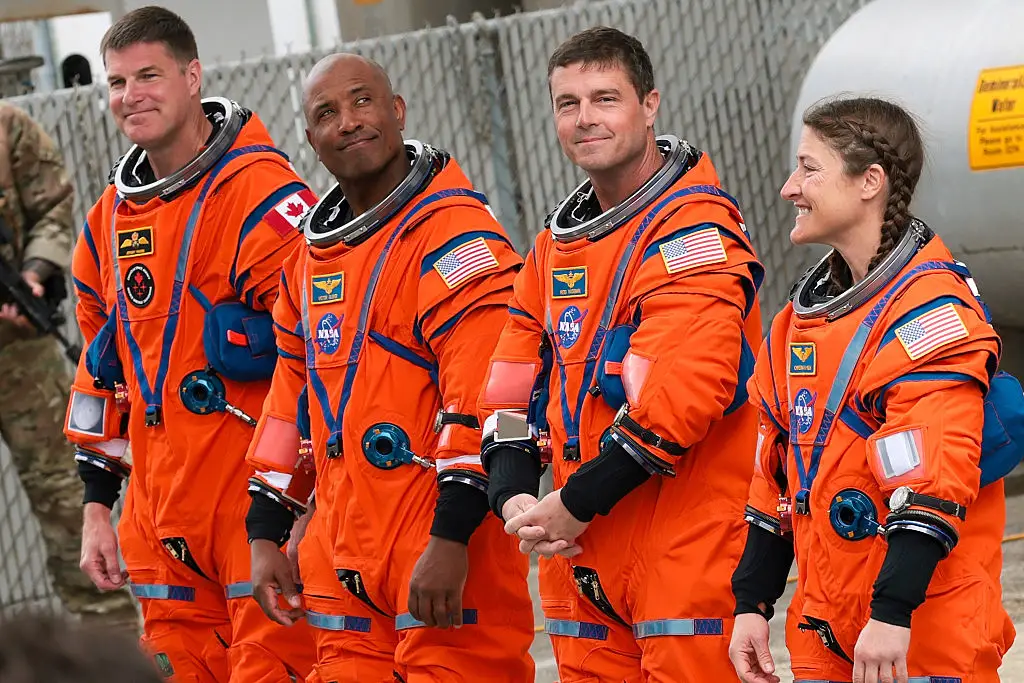
Artemis II - made up of NASA astronauts Reid Wiseman, Victor Glover, Christina Koch, and Canadian Space Agency astronaut Jeremy Hansen onboard the Orion spacecraft - is a ten-day mission filled with science, spacecraft tests, medical checks, survival training and more.
But what it won't be doing is landing on the Moon.
Simply put, the Artemis programme isn't built to put Artemis II on the Moon, and the Orion spacecraft doesn't have landing capability.
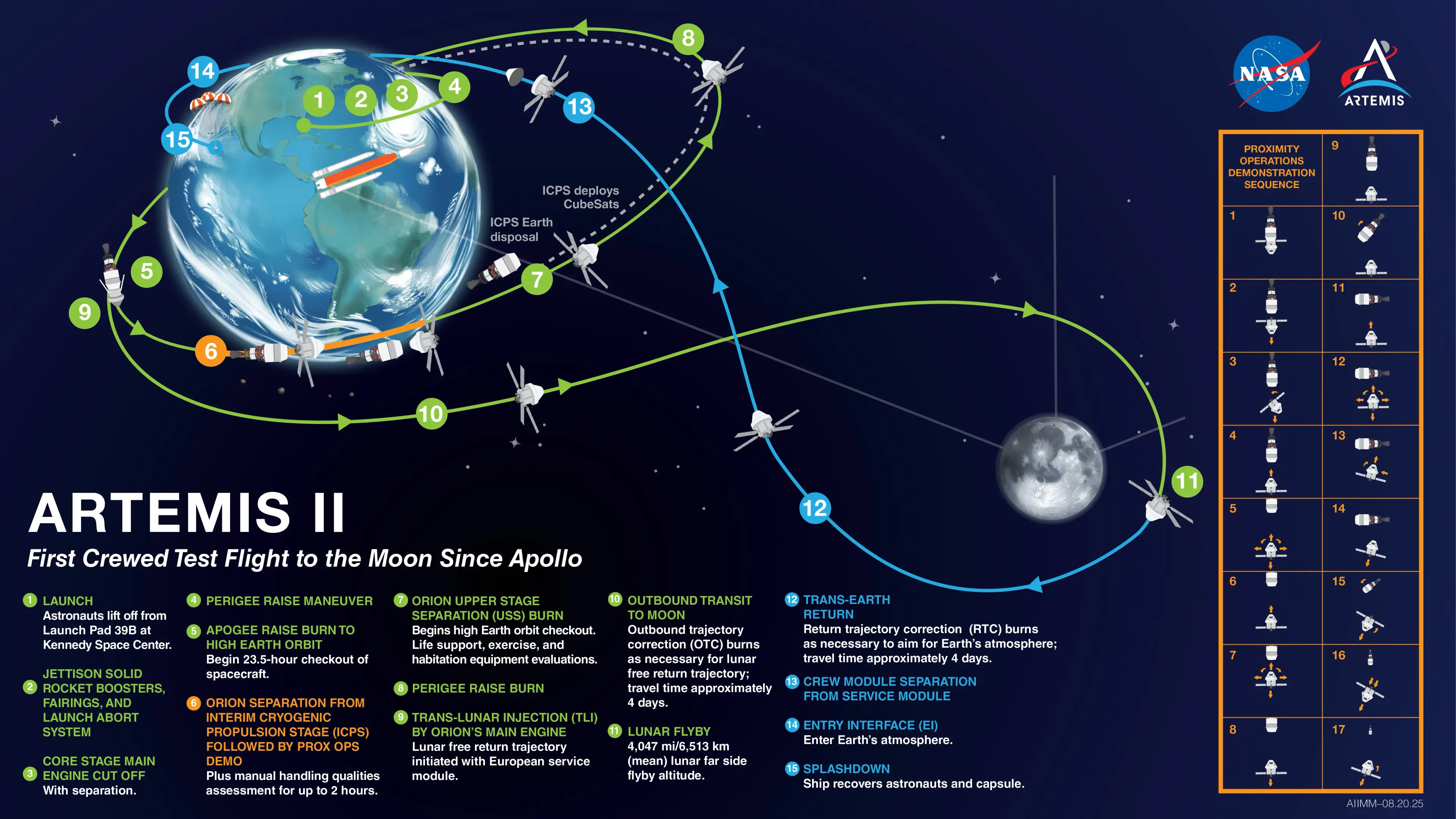
It's important to note that Artemis II is a 'test mission' to the Moon, but this time with crew. Artemis I successfully sent an uncrewed Orion spacecraft to lunar orbit and back in late 2022.
NASA hopes that this mission 'will confirm all the spacecraft’s systems operate as designed with crew aboard in the actual environment of deep space'.
"The mission will pave the way for lunar surface missions, establishing long-term lunar science and exploration capabilities and inspire the next generation of explorers," the space agency said in their mission description.
NASA originally had hopes that Artemis III would pull off the first lunar landing in 2027, however, the agency restructured the programme earlier this year, resulting in Artemis III becoming a mission that will practice docking and rendezvous operations in Earth orbit between Orion and one or both of the program's private crewed landers.
If all goes well, NASA aims to have astronauts on the Moon in 2028 with Artemis IV.
 Joe Harker