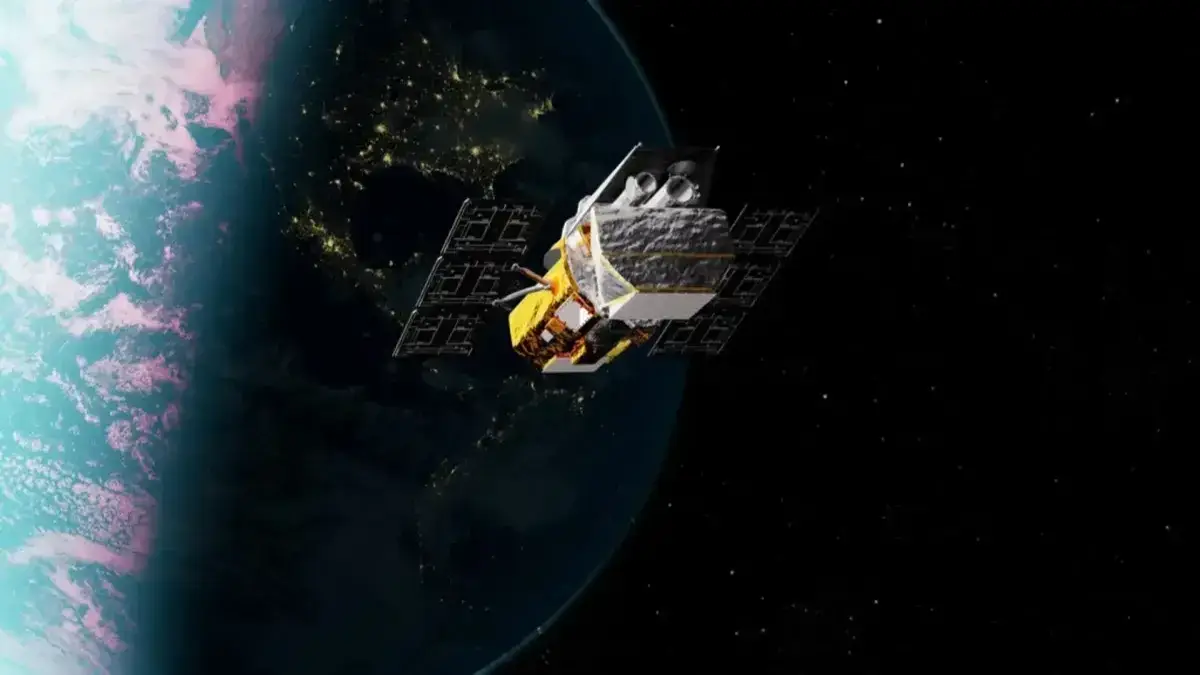
NASA telescope to come crashing back to Earth after failed rescue mission

A NASA telescope which has been providing data for over 20 years looks set to crash back into Earth before 2026 is done and dusted.
The Neil Gehrels Swift Observatory launched to Earth orbit in November 2004 and has been looking down on our planet ever since, but as technology has advanced, it seems as if it is no longer needed.
After such a stellar service in space over the past two decades, it's easy to see why NASA would have wanted to rescue it and bring it back down to Earth safely, and a $30 million contract was handed over to Katalyst Space Technologies in the hope of giving it a hero's return.
However, the mission that NASA announced back in November 2025, which aimed to rescue it, has sadly failed, meaning that it is now likely to come crashing back down into Earth.
Advert
Ghonhee Lee, the CEO of Katalyst, said: "You know, this is not the outcome that we wanted, but I think it's very important to recognise the unprecedented scale. This was an ambitious, high-risk, high-reward mission where we designed, built and launched a space robot within nine months.
"I think if we had had 12 months even — just three more months — it would have made a tremendous difference."

Now, I know what you're thinking and it's probably that we hear about things crashing into Earth on a monthly basis but experts have confirmed that the telescope will now have a 'uncontrolled re-entry."
Alise Fisher, public affairs specialist in astrophysics within the Office of Communications at NASA Headquarters, told Space.com that Swift is 'not likely to re-enter sooner than October'.
She added: "NASA will share more information as reentry approaches, following established interagency procedures for such notifications."
Fortunately, the boffins at NASA are confident that the Swift spacecraft will burn up as it travels through the atmosphere, and while Fisher suggested that 'some components are 'expected to survive re-entry', the risk of anyone on Earth being harmed is 'unlikely'.
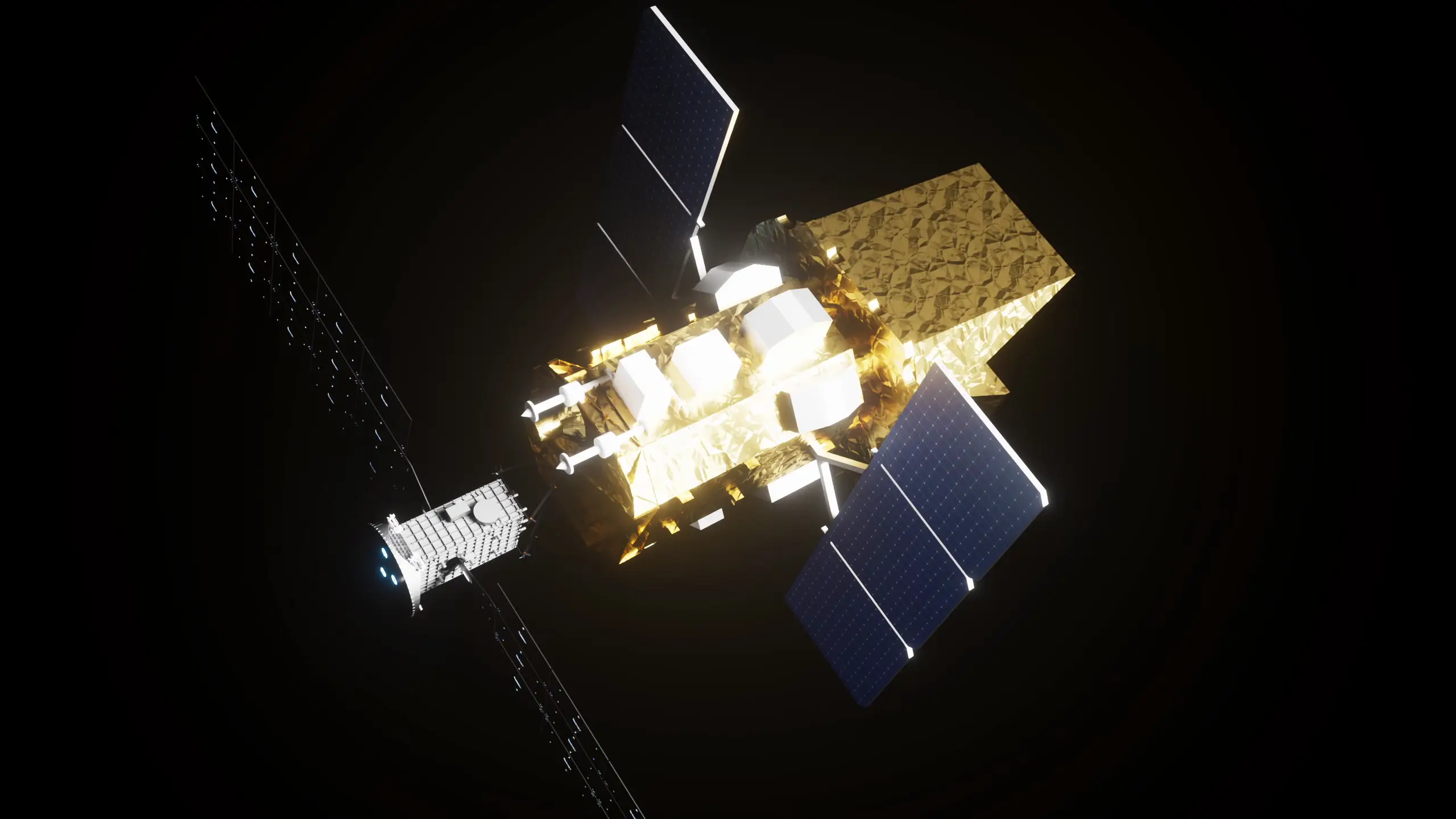
While that might well put your mind at ease, other experts have warned about the increasing about of space debris that's currently floating above our heads, and it only takes one incident where it doesn't land safely in the sea for things to suddenly look very bad.
Ewan Wright, a junior fellow at the University of British Columbia's outer space institute, added: "It has an orbital inclination of 21 degrees, so could reenter anywhere in any latitude from 21 North to 21 South. The most likely outcome is that any surviving debris will land in the sea, but there is a chance it could impact a built-up area and cause a casualty."
Even if we do get away with it again on this occasion, 'there are more and more uncontrolled re-entries of satellites and rockets each year, and the chance that someone will be hit is growing'.
NASA added: "NASA predictions had shown the shift to low-drag operations had extended Swift’s time above 185 miles (300 kilometers) until October.
"Below this point, operating the telescope becomes difficult, and the spacecraft’s rate of descent quickly increases. With the resumption of science observations, the team anticipates Swift will reach that milestone sometime in the next one to two months."
So, while NASA probably know what they're doing when it comes to the return of the Swift telescope, it might just be worth keeping your eyes on the sky around October time in case some pieces land where they shouldn't.
Topics: NASA, Technology, Environment
 James Moorhouse