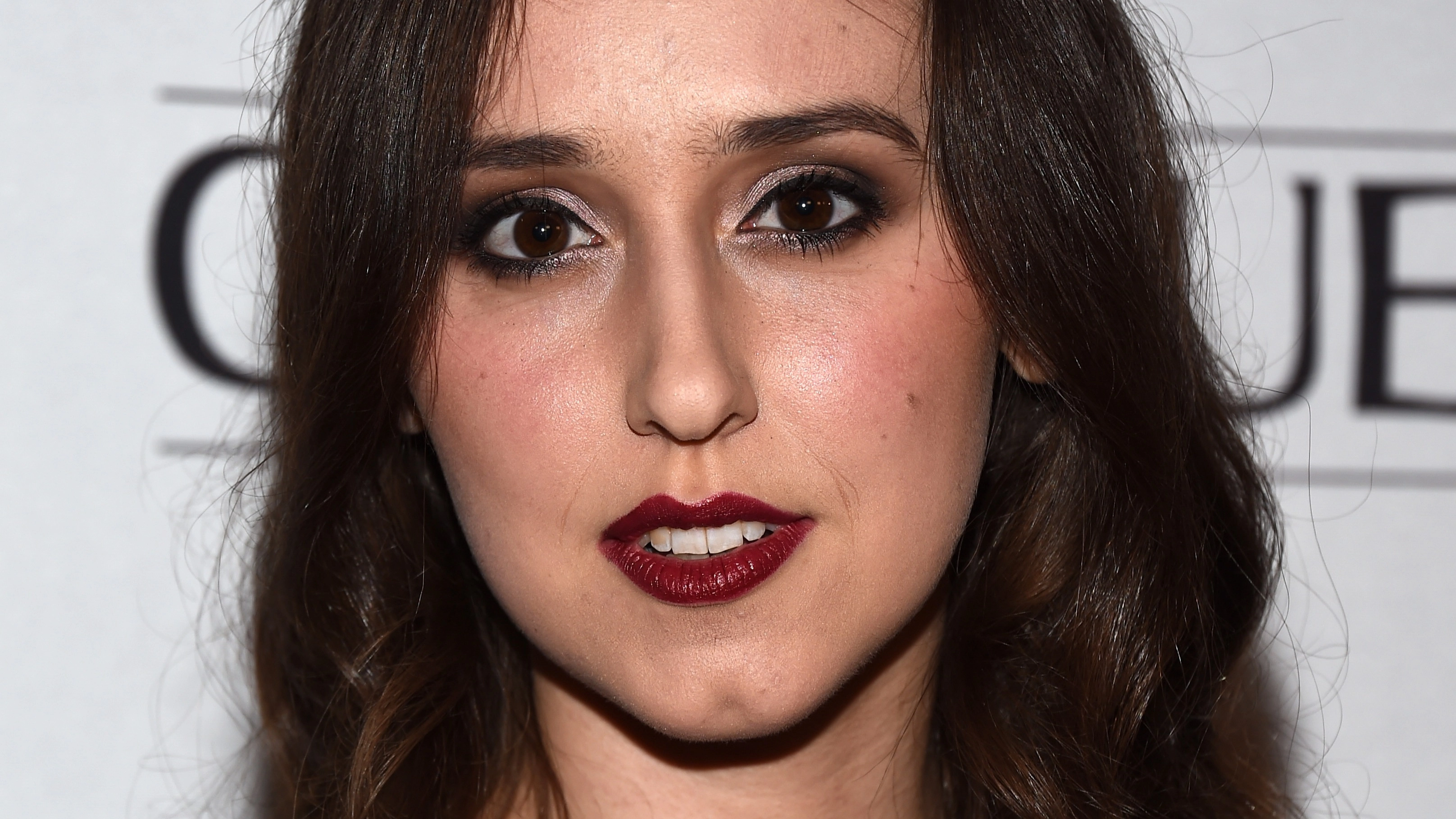
‘Next Albert Einstein’ is 32-year-old woman who turned down $1.1m offer from university

A woman known as the 'next Albert Einstein' is so in demand that she once turned down a $1.1 million offer from a prestigious university.
There's nobody who can quite match up to the wacky hairdo and magnificent moustache of Einstein, nor is it likely they'll have their name become a synonym for genius, but there can be people as clever as he was and make amazing discoveries.
One of those who might fit the bill is 32-year-old Sabrina Gonzalez Pasterski, who started building a plane when she was 12, graduated from MIT at the top of her class in physics, and went on to study at Harvard.
While there, she and her colleagues discovered something called the 'spin memory effect', and when she published a paper on it, she was cited by Professor Stephen Hawking.
Advert
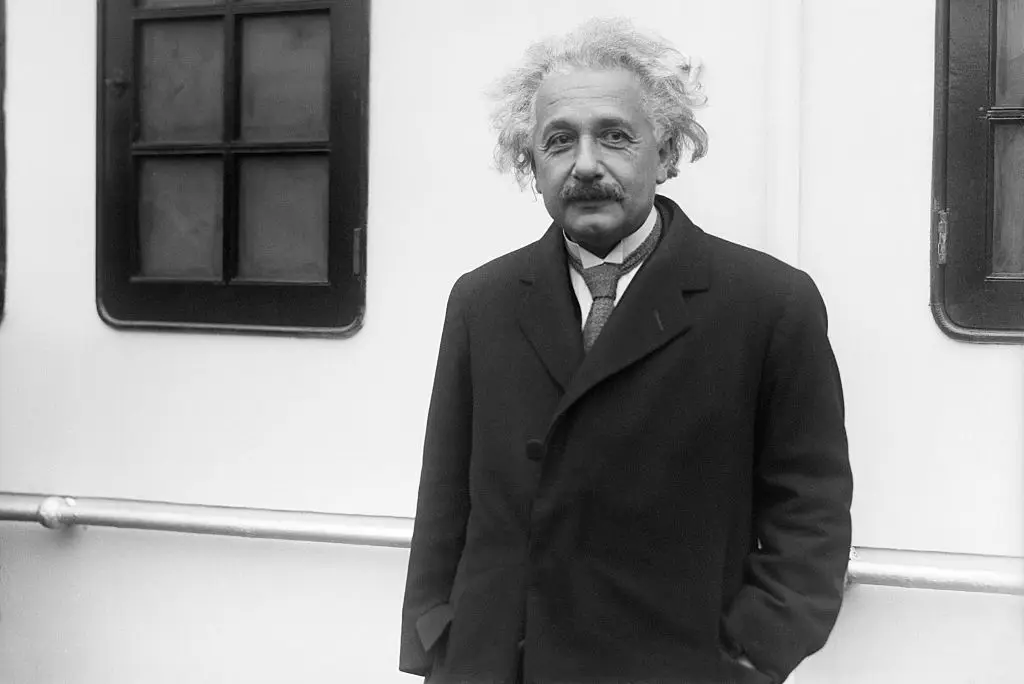
According to SD2, Brown University offered her $1.1 million to join them, but she turned them down to join The Perimeter Institute for Theoretical Physics, which is where she works now.
Joining them in 2021, she leads their Celestial Holography Initiative, which is encoding the universe as a hologram as part of an effort towards 'uniting our understanding of spacetime with quantum theory'.
If, like me, you didn't fully understand that, then she's working on something very important, which will help us better understand the universe.
For those wanting to better understand what she's working on and hear her in her own words, she's got her own YouTube channel, PhysicsGirl, where you can learn about her research.
That's one area she's already got over: Einstein never managed to set up a YouTube channel or post regularly on it.
Besides, not to disparage Einstein at all, but the rate of scientific advancement means the list of things we've discovered grows, and while there may be near-infinite things left to discover, the scientists of today have to look for bits that their predecessors didn't already do.
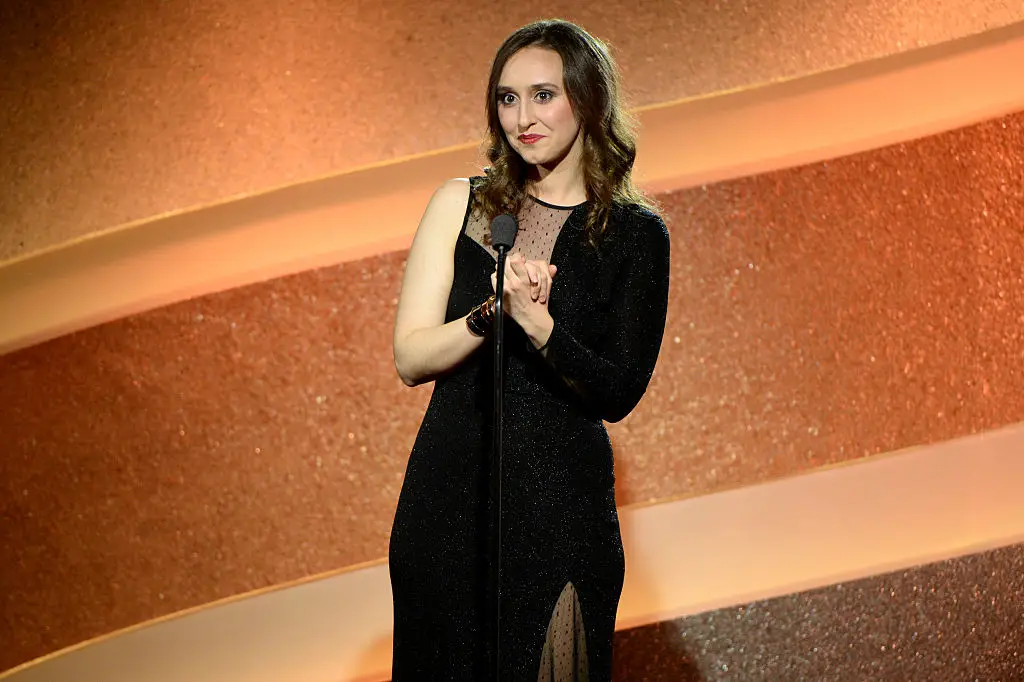
On the other hand, they left behind all sorts of work to build on, the latest crop are standing on the shoulders of giants, and in generations to come, other scientists will clamber atop their shoulders too.
Let's just hope that Pasterski doesn't end up exactly like Einstein, since the famous scientist had his brain stolen after death by the guy who performed the autopsy.
Doing this without the consent of Einstein's family, the surgeon claimed he did it so the brain could be studied to see what made Einstein so brilliant, but those studies never appeared.
The brain was chopped up and put in mason jars that were stored in a beer cooler.
A fate to avoid.
Topics: Science
 Joe Harker