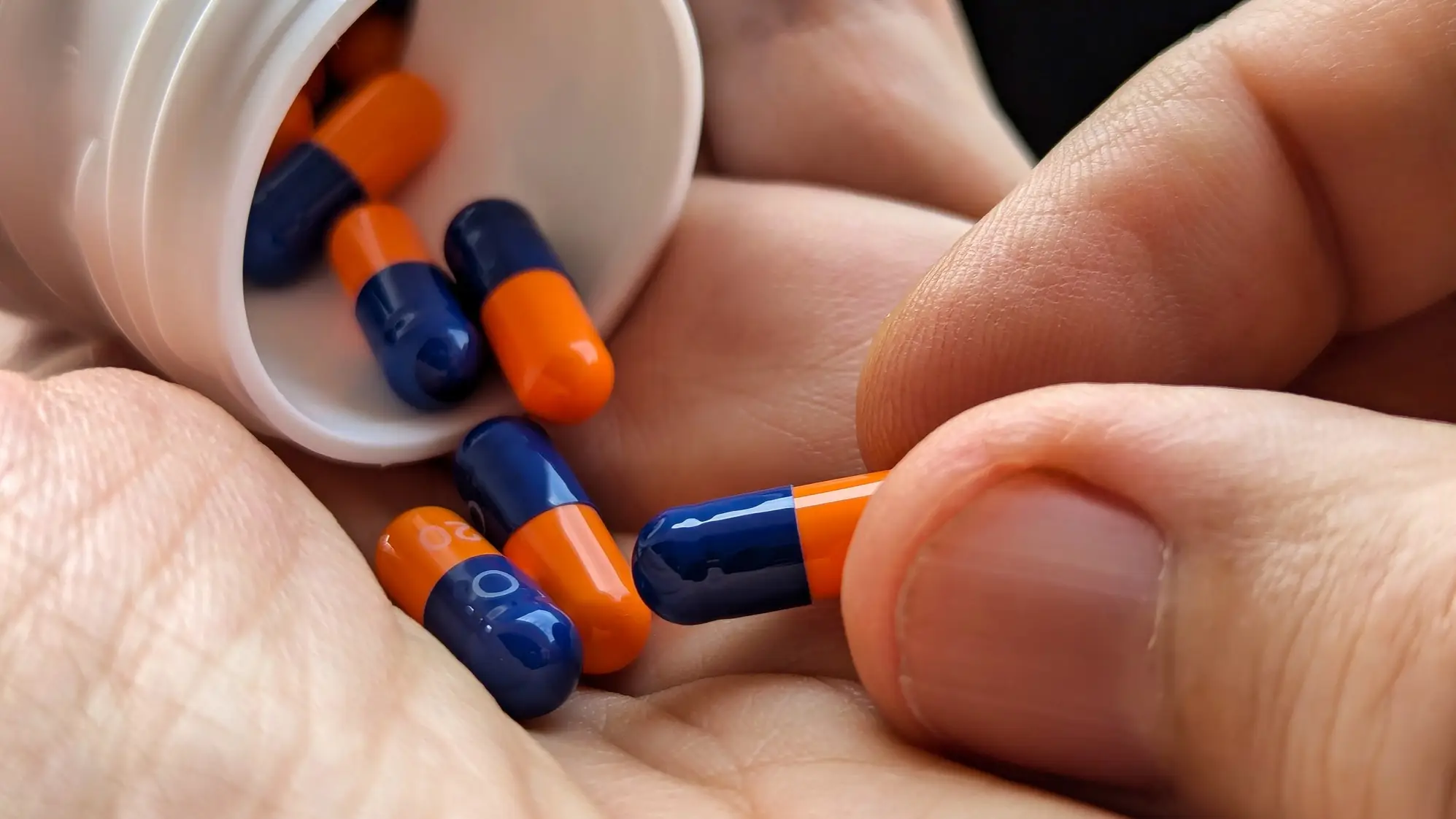
Serious Omeprazole warning issued to millions taking medicine in heatwave

Omeprazole is one of the most commonly prescribed medications in the UK, which means millions will be taking it during the current heatwave.
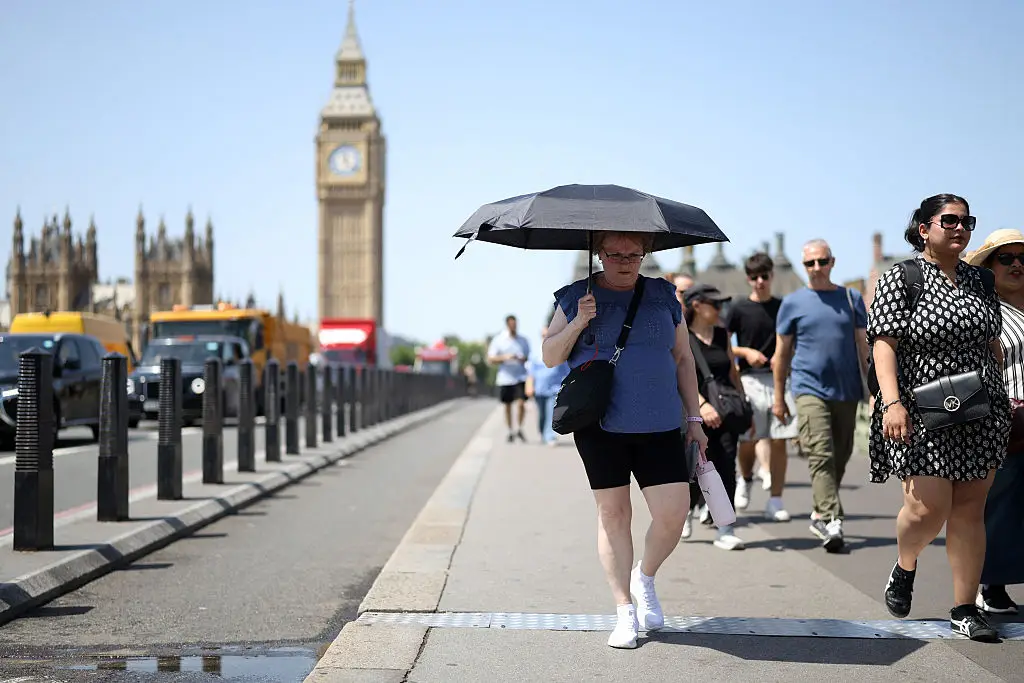
We Brits simply aren't used to this sort of extreme weather on home turf, especially with reports that we could see the record broken this week if temperatures surpass 40 degrees in some places as Super El Nino starts to hit home.
Although we spend the year wishing for warm weather, there are lots of health warnings that come with the constant sun, and it's not just the risk of hayfever or dehydration.
Anyone taking weight loss drugs such as Ozempic and Mounjaro will have been warned about how things might change for them during the heatwave, and it seems as if Omeprazole users will also have to keep a close eye on things.
Advert
Alison Cave, Chief Safety Officer at the MHRA, said: “Let’s face it – when there’s a heatwave, most of us are focused on getting outside and enjoying it while it lasts. But it’s easy to forget that medicines left in the heat – in cars, bags, or on sunny windowsills – might not work properly when you need them.
“Some medicines can also make you more likely to burn in the sun, feel dizzy, or get dehydrated, especially if you’re taking diuretics or have a condition like asthma, heart disease, or diabetes.
“To stay safe in the heat:
- Store medicines somewhere cool, dry and out of direct sunlight – especially if you’re out and about
- Know the signs of heat-related illness – stay hydrated and listen to your body
- Take extra care in the sun if your medicine makes your skin more likely to burn
“And remember, for all medicines it’s important to read the leaflet and speak to a healthcare professional if you have any questions.”
However, Omeprazole might be more susceptible than most medicines, as exposure to heat could cause the tablets to lose their potency and no longer block the production of stomach acid.
The two primary threats to omeprazole's stability are acid and heat and if the tablets become cracked in the heat, they won't be able to pass through stomach acid as effectively, since the coating is no longer working to protect the medicine.
The hot weather is only likely to exacerbate the symptoms of acid reflux, particularly if we are dehydrated, so it's vital to keep your Omeprazole in a cool place.
It comes as Dr Xand van Tulleken highlighted yet more hazards associated with the long-term use of Omeprazole during an appearance on the BBC.
He explained: "What these drugs do is they suppress your stomach making acid. We take them for a couple of reasons to protect the stomach from drugs from drugs like aspirin. So if you're taking an aspirin you want to sort of reduce the effects of acid because aspirin can make your stomach more vulnerable to bleeding and the other thing is for things like reflux disease so heartburn and those kind of things.
"What worries me is if you stop these medications suddenly, if you look at that headline and go, 'Oh, maybe I shouldn't be taking it then. I think I'll stop this one.'
"You can get a rebound over-production of acid which can make symptoms worse, cause problems and generally cause difficulty. So I would say the evidence does not stack up to believe this headline at all. And because it's a headline that will affect tens of millions of people around the country, we should be very nervous of it."
 James Moorhouse