
GP warns hay fever medication taken by one in four Brits can be linked to weight gain

For many, antihistamines are a crucial part of being able to enjoy summer – but did you know they may also be causing you to gain weight?
Congratulations, you've made it through the cold, miserable months of winter and can now begin to enjoy the lighter evenings and milder temperatures.
But of course, allowing us all to enjoy summertime illness-free would be too easy, so the universe decided to send a pesky pollen allergy our way.
With symptoms such as sneezing, a runny nose, an itchy throat and feeling lethargic, it's estimated that around 10 million Brits suffer from hay fever, which the Met Office says equates to around one in four adults and 1 in 10 children.
Advert
Fortunately, we can limit the impact of the above symptoms by taking a daily antihistamine tablet every morning and get on with enjoying the warmer months, but beware, as these tablets aren't without side effects.
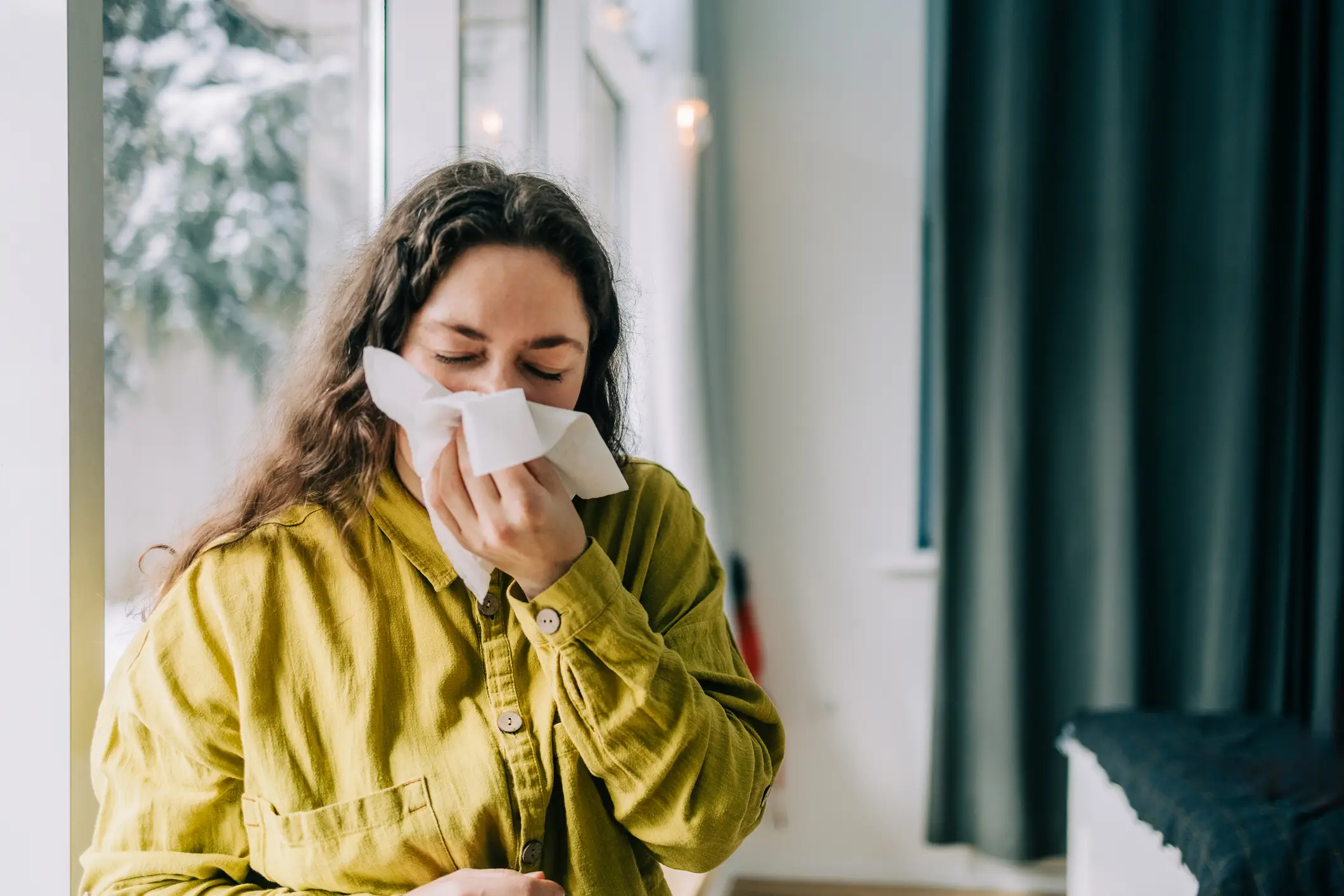
Can antihistamines make you gain weight?
Most of us are likely aware of the common antihistamine side effects, such as drowsiness, which is more common with the older versions, but were you aware that antihistamines can trick your brain into feeling hungrier?
According to Dr Crystal Wyllie, a GP at ZAVA Online Doctor, histamine - which is a chemical released by the immune system - is responsible for a number of functions in the body, including suppressing appetite in the brain.
So when you take an antihistamine tablet, the opposite happens.
"When you take an antihistamine, you're blocking that effect, which may make you feel hungrier than usual," she explained to MailOnline.
"Over time, that can lead to increased calorie intake without you even realising it."
Meanwhile, VeryWell Health adds that antihistamines can also trigger metabolic changes, which can also lead to gradual weight gain.
Research on the topic is limited; however, a 2010 study published in the journal Obesity concluded that people who regularly take antihistamines are more likely to be overweight than those who do not.
The study suggested the risk was highest with the newer generation drugs - such as loratadine, desloratadine and fexofenadine - however, this is disputed by other research.

How to manage potential weight gain from antihistamines
A link between hay fever medication and weight gain doesn't mean you have to run to the cupboard and immediately bin your antihistamines, as being mindful of the changes and maintaining a healthy, active lifestyle will help you combat this.
Dr Wylie adds that weight changes aren't likely to be significant and recommends making certain tweaks to your diet if you're concerned.
This includes supporting your immune system by consuming more anti-inflammatory foods, such as ginger and turmeric, as well as upping your intake of citrus foods and oily fish.
"Food isn’t a replacement for medication, but certain nutrients can help your body respond more calmly to allergens," she adds.
Topics: Health
 Brenna Cooper