
New study raises alarm over surge of incurable cancer that kills 9 in 10

Cancer cases are on the rise across the globe and now a new study has raised alarm about a surge of a particularly deadly version of the disease.
Although improved detection methods mean that we are often able to detect cancer earlier, there are also sadly far too many cases of young people's symptoms being ignored until their survival chances are far lower.
Bowel cancer in particular is becoming rapidly more prevalent among young people, and one positive from the growth of artificial intelligence is that we might soon be able to spot cancers before the human eye.
Despite people perhaps being more health focused than ever, cancer can strike any person at any time, and now a major US study has revealed that diagnoses of stage four breast cancer have grown by 18 per cent over the past decade.
Advert
By the point the disease is at stage four, it has spread around the body and is considered incurable, with researchers particularly concerned about the rapid rise in triple-negative tumours, an incredibly hard to treat form of the disease which is said to kill nine out of 10 people who contract it.
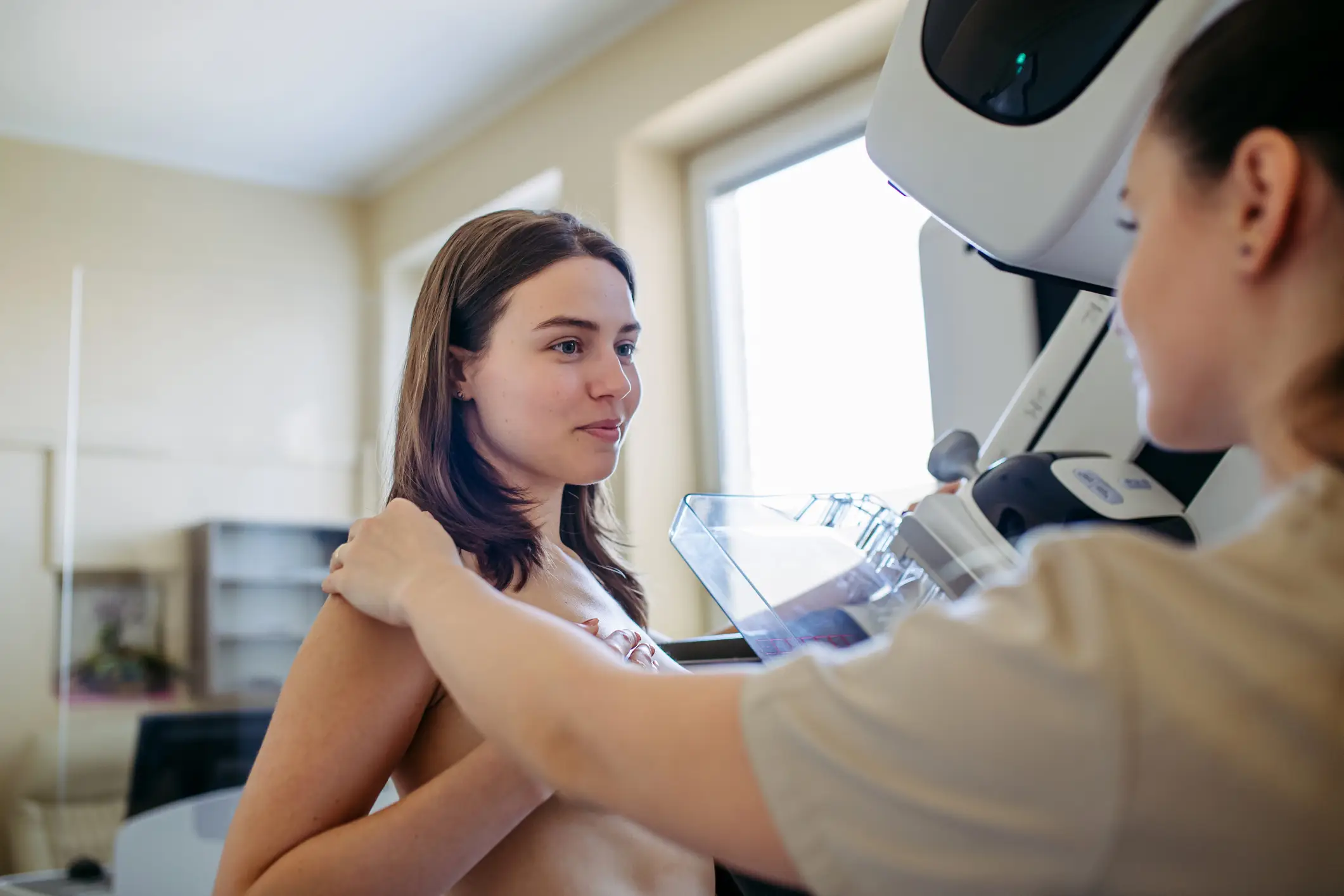
Dr Lauren C Pinheiro told the Daily Mail: "In the United States today, there are 170,000 women living with advanced breast cancer, and this number is expected to grow substantially over the next decade.
"The authors emphasise an urgency for the field to identify drivers of increased advanced-stage diagnoses, which should serve as a call for additional, population-health research on this growing patient population."
Although the study noted that breast cancer survival had improved significantly between 2010 and 2021, it surveyed over 700,000 people living with the disease and noted that stage four incidence increased by 1.2 per cent per year.
The study authors wrote: "Our findings demonstrate a significant increase beginning in 2010, including among screening-eligible age groups. The underlying drivers remain uncertain and may reflect population-level changes in risk factors, screening patterns, or access to care.
"Both incidence and percentage of stage IV disease increased. Notably, incidence of stages I to III increased while the percentage decreased, indicating that the increase in stage IV reflects both absolute growth and a shifting distribution at diagnosis.
"These findings align with prior reports of increasing metastatic presentation in certain subgroups, including younger patients."

When cancers metastasise in other areas, it can often be fatal, particularly if the tumours grows in a dangerous area such as the brain, liver or lungs.
Breast cancer cases are most common in women over the age of 40 but there was also a sharp growth in younger women, and even in men, who made up one per cent of the study.
It remains unclear what exactly is driving this increase in numbers but scientists suggest that it could be linked to women having children later in life, since pregnancy can help breast cells mature and make them less vulnerable to cancer, while obesity is also said to be a potential driving force.
Pinheiro added: "Taken together, these findings underscore a need not only to identify and understand drivers of incident de novo metastatic breast cancer but also to find ways to better support the multifaceted, complex needs of this growing patient population.
"We encourage oncology care teams to consider implementing routine screening of health-related social and supportive care needs for patients with metastatic breast cancer in clinical practice."
 James Moorhouse