
Vaping likely to cause cancer, finds groundbreaking new study

Vaping was introduced as a healthier alternative to smoking, but scientists are now warning about how it could also lead to cancer following a groundbreaking study.
For anyone struggling to quit smoking in recent years and looking for a route away from nicotine, vaping seemed like the ideal option.
The NHS currently advises that 'each puff on a vape carries a small fraction of the risks of a puff on a cigarette', and vapes are one of the most effective ways to stop smoking, adding that non-smokers and children should never use them.
Cancer Research UK says switching from vaping to smoking will 'reduce your risk of getting cancer', and 'there is no good evidence that vaping causes cancer'.
Advert
According to the Office for National Statistics, in 2024 vaping overtook smoking in popularity for the first time in the UK.
That year, 10 percent of UK adults aged 16 and over - around 5.4 million people - used an e-cigrarette daily or occasionally. This is compared to 4.9 million (9.1 percent) who smoke.
However, as several health issues appeared among vape users, such as the dangerous 'popcorn lung' in contaminated vapes, it quickly became a topic of debate as to how dangerous e-cigarettes actually are.

A new overview of over 100 studies has suggested that regular vaping could lead to serious health concerns, such as mouth and lung cancer.
Experiments all raise concern about the carcinogenicity of vape liquids and while long-term data is not yet available, researchers are keen that we don't make the same mistakes that we have done previously, after it took more than 100 years to establish the link between smoking and lung cancer.
"Though smoking was once given the benefit of doubt," write study co-authors Freddy Sitas and Bernard Stewart of the University of New South Wales in Australia in a related commentary, "the same should not now be accorded to vaping given the strength of relevant carcinogenicity data."
The two study authors, alongside their research team, wanted to assess the cancer risk of e-cigarettes in their own right, rather than being endlessly compared with the traditional nicotine cigarette.
In the published findings in Carcinogenesis, cancer researcher Stewart said: "To our knowledge, this review is the most definitive determination that those who vape are at increased risk of cancer compared to those who don't.
"Considering all the findings – from clinical monitoring, animal studies, and mechanistic data – e-cigarettes are likely to cause lung cancer and oral cancer."
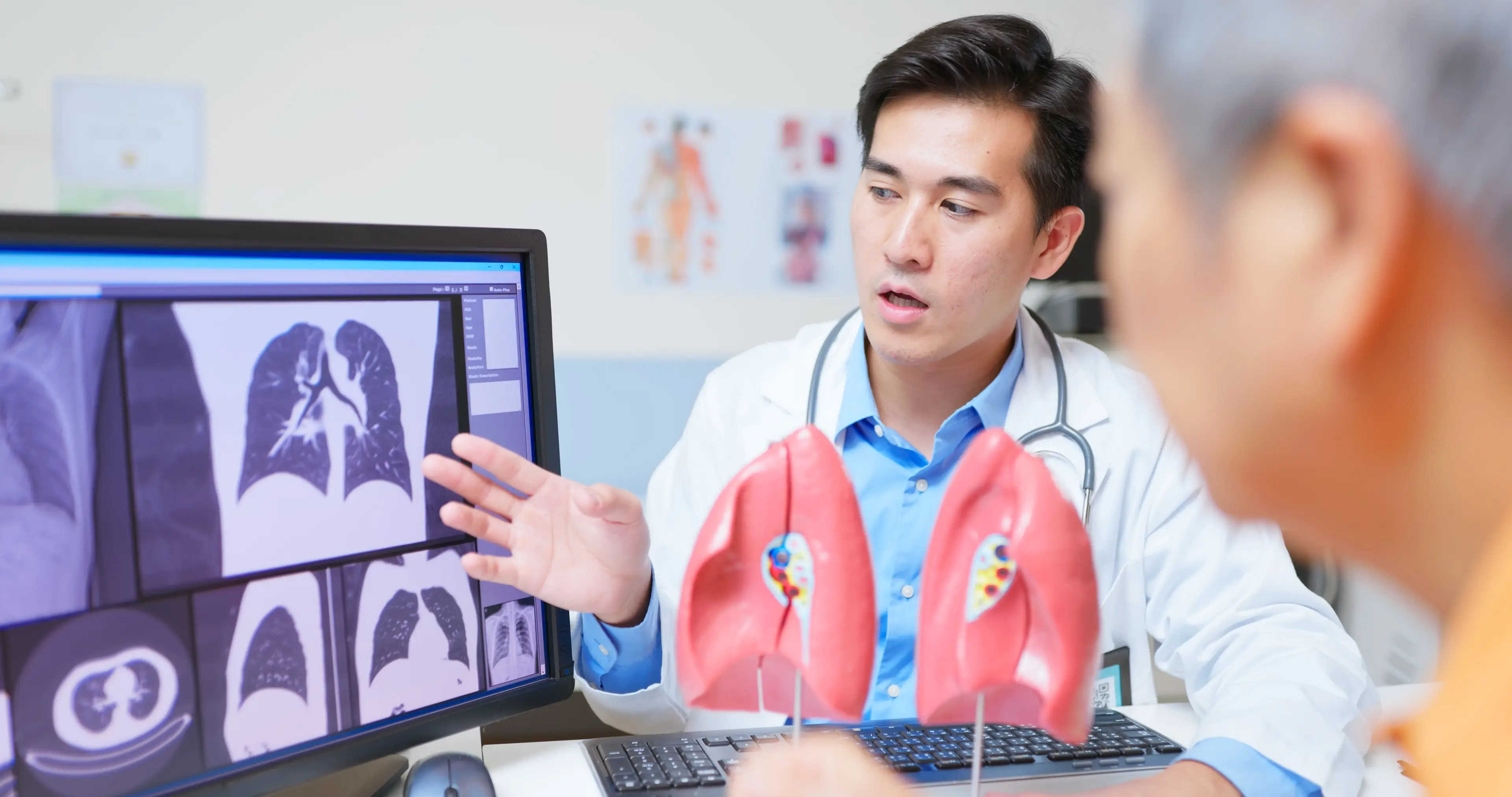
Perhaps the largest concern is that vaping has switched from being an alternative for smokers to being popular among young people who have never smoked previously.
Studies have suggested that those who both smoke and vape could have a four times higher risk of lung cancer, but vaping alone can still be extremely problematic.
"Early reports linked smoking to infectious diseases such as tuberculosis, followed by cardiovascular disease, stroke, and lung cancer," says Sitas, an epidemiologist.
"E-cigarettes were introduced about 20 years ago. We should not wait another 80 years to decide what to do."
How does vaping impact the body?
While most experts acknowledge that vaping isn't as dangerous as smoking cigarettes, it can still have a profound impact on several organs.
According to Cleveland Clinic, vaping can make you more likely to get asthma or make your existing asthma worse.
The nicotine in cigarettes can narrow your arteries and raise your blood pressure, while also being highly addictive.
If you're buying black market vapes, there's also the risk of contamination. Diacetyl is a chemical that's banned as an ingredient in cigarettes in the UK, but it can cause 'popcorn lung' when inhaled, which can permanently scar the lungs and potentially be fatal.
There have been multiple cases in the US of people becoming horrifically ill with 'popcorn lung' from a vaping habit.
And finally, vapes have been known to explode and leave people with life-changing burn injuries.
 James Moorhouse