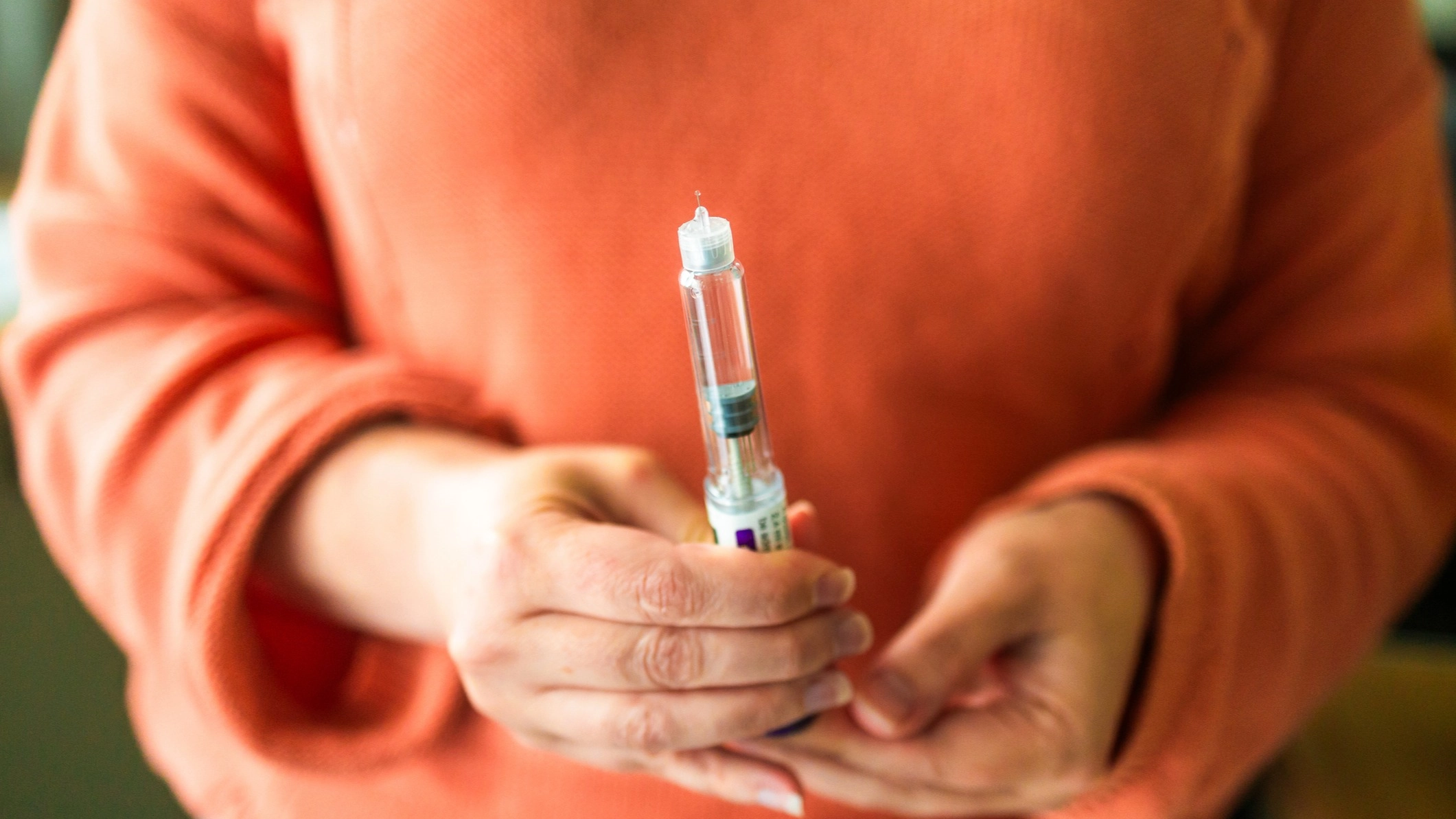
Landmark study makes ‘remarkable’ finding about Mounjaro side effects

The growth of weight loss drugs is certainly having a mixed effect on the health of the world's population but this latest finding might be the most beneficial yet.
Ever since celebrities started to show off their often miraculous weight loss thanks to the GLP-1 medications, they've become almost unanimously recognised as drugs for serving that purpose, despite their initial design as a treatment for Type 2 diabetes.
The likes of Ozempic, Mounjaro and Wegovy have all become commonplace, with the NHS even offering Wegovy to patients who match certain requirements, but it seems as if these are only the first step into the world of body-changing drugs, with new pills and jabs now being developed which promise to be even more powerful.
Although all three can come with some pretty nasty side effects, with many still yet to work out how they can keep the weight off once they stop taking the drugs, they have also been linked with certain other health benefits.
Advert
Losing weight can be good for the heart and cholesterol levels of course, but a new study has suggested that Mounjaro in particular could help to limit a person's chances of developing pancreatic cancer.

The often fatal form of the disease has sadly robbed us of iconic names such as Alan Rickman and Patrick Swayze but the recent study in Chicago suggested that Mounjaro can be linked to a roughly 50 per cent lower risk of developing pancreatic cancer over a five-year period.
Dr Rachna Shroff, a gastrointestinal cancers expert, told the Daily Mail: "Chronic pancreatitis is a major risk factor for pancreatic cancer. So to see such a significant drop in cancer incidence among people using GLP‑1 drugs is remarkable."
The findings are still at an early stage, so it's still not confirmed exactly how or why the GLP-1 drug might have this impact on pancreatic cancer in particular.
"The thinking around pancreatitis is that GLP‑1s slow the movement of bile and digestive enzymes to make users feel fuller for longer without having to eat more,’ Dr Shroff explained.
"But if that process slows down too much, problems can occur."
Dr Shroff added: "So far, there isn’t any real-world data that suggests the average GLP-1 patient is at increased risk of pancreatitis or pancreatic cancer.
"In fact, we are seeing the opposite. There’s now data emerging suggesting the jabs may be protective. If this is the case... that’s a really big deal for a disease that is often diagnosed at a late stage and is notoriously difficult to treat.
"But this is just the tip of the iceberg and we need more research to back up these claims."
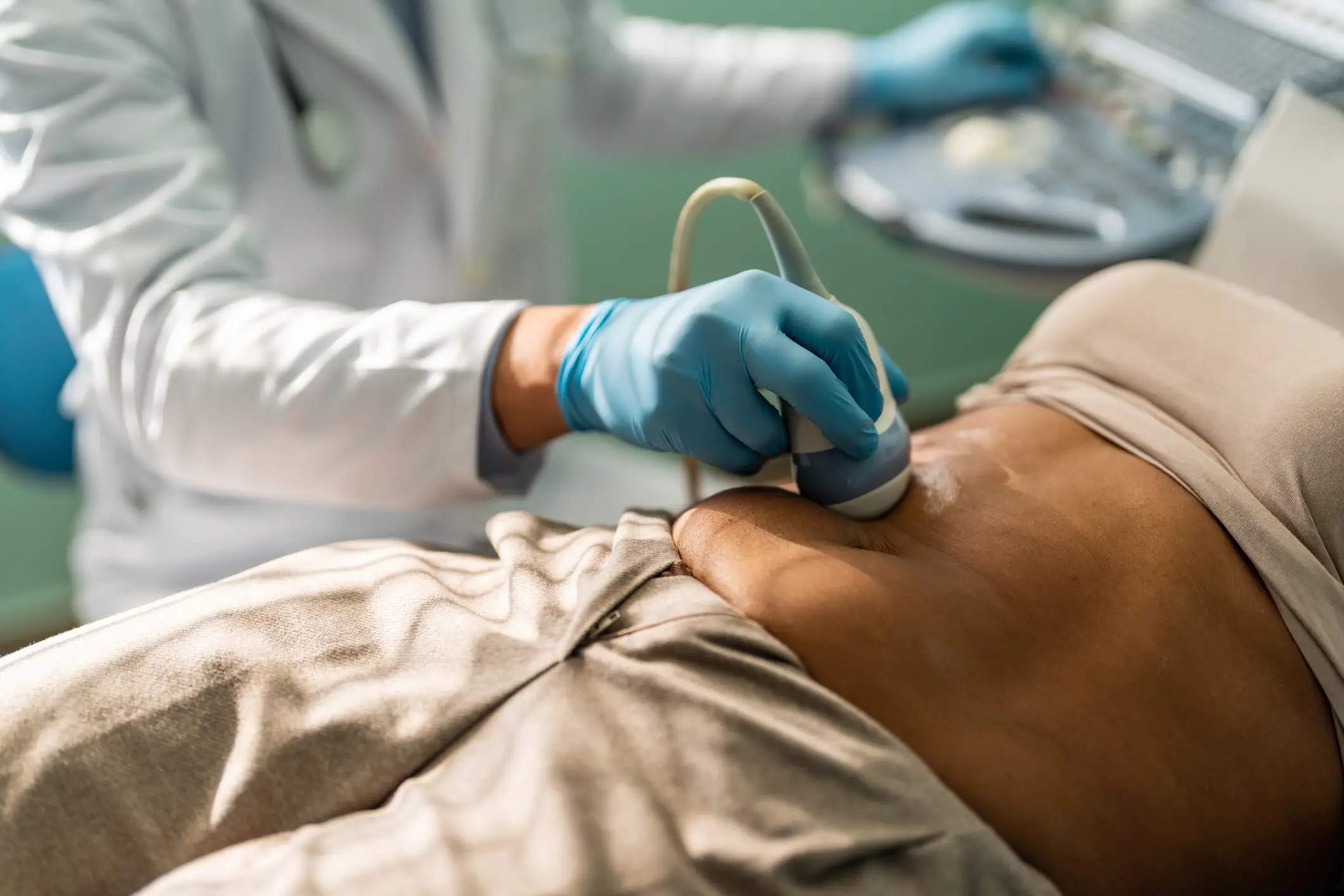
Once more scientific tests have been completed, it's not unrealistic to suggest that the jabs could be prescribed to people who are deemed to be at risk of pancreatic cancer, even if they aren't overweight.
Dr Brian Wolpin, from the Dana-Farber Cancer Institute, added: "There could be some trade-off if there is a higher risk of pancreatitis. But the data I have seen so far has not shown an increase in pancreatic cancer risk among users, giving us hope that these drugs could one day help in the fight against this deadly disease."
Meanwhile, another study found that the jabs could also help to slow the symptoms of several other types of cancer even types of cancer, including lung, liver, breast and bowel.
 James Moorhouse