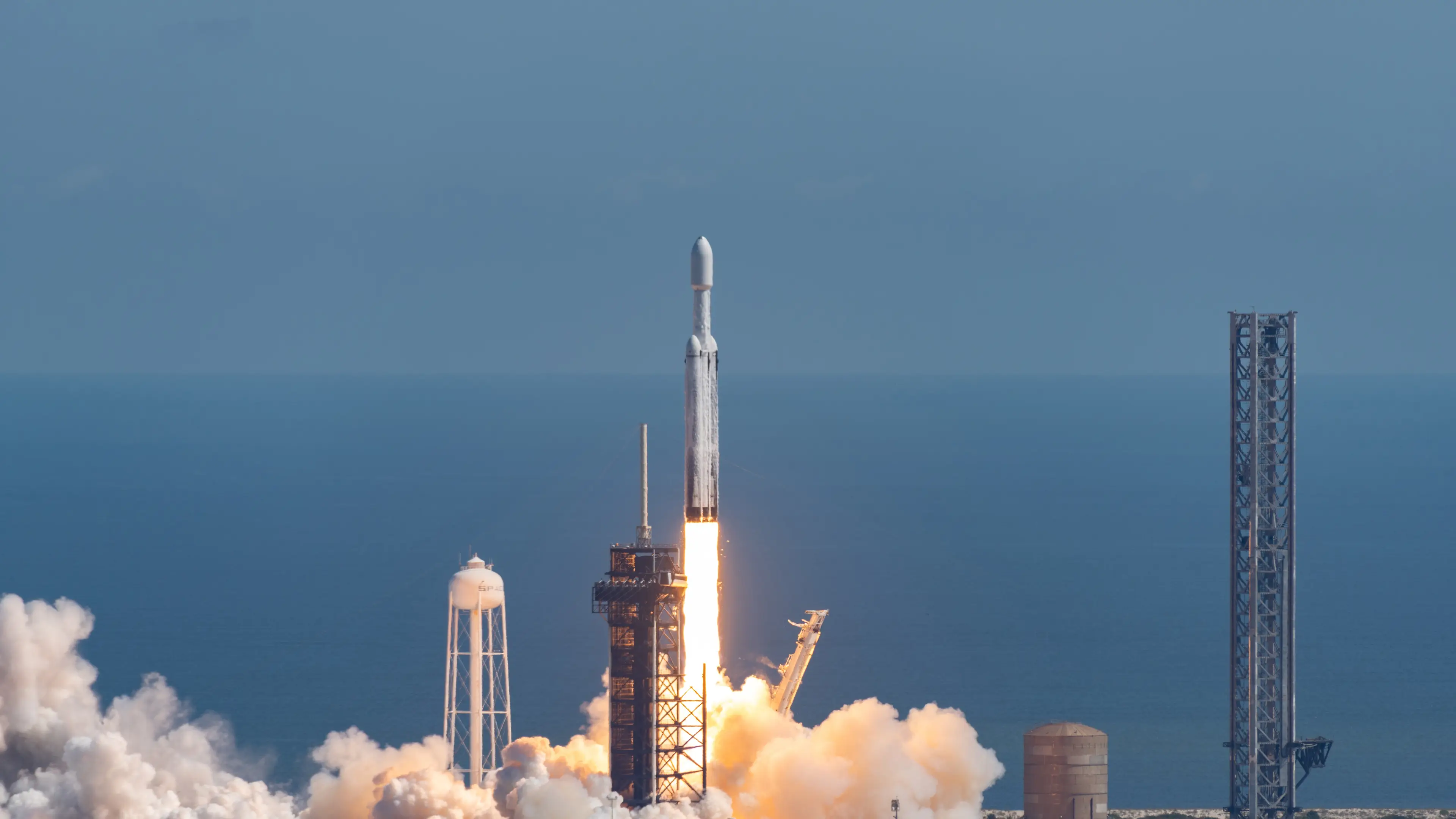
SpaceX rocket on course to smash into the moon at seven times the speed of sound

Elon Musk's latest space plans seem to be a little out of the ordinary as reports suggest that one of his rockets will collide with the moon next week.
This isn't like the cases of asteroids that are definitely going to collide with the Earth though, as this will genuinely happen, with part of the rocket expected to create a new crater in the moon's surface.
Musk is a controversial figure for a number of reasons but being the world's only trillionaire (albeit briefly) unsurprisingly comes with its perks, and thankfully he hasn't embraced his Despicable Me villain era yet when it comes to stealing the moon.
However, it seems as if his part of his SpaceX rocket will do some pretty decent damage to the Earth's only natural satellite next week, when a discarded piece of the Falcon 9 rocket crashes into the moon at more than seven times the speed of sound on Wednesday 5 August.
Advert

You'd expect anything hitting something at 5,400mph to do some damage and we may even be able to see some of the dust it throws off from the Earth, which can then be analysed by scientists who are sat safely at home.
Speaking to Space.com, graduate research assistant William Jo suggested that the debris plume could reach over 60 miles in altitude, so if you see some smoke coming from the moon on Wednesday, you shouldn't be too alarmed.
He said: "Our calculations suggest the plume should be several orders of magnitude brighter than the dark-sky background for the first few minutes after impact. So the plume should be visible, though I'd stress this is a single nominal case. The real one will look different, and the numbers are on the optimistic side. But the point worth making is that the flash isn't really the story here.
"Watching this one gives us a rare chance to open up ejecta-plume science and calibrate those models against a real event, which matters for every future thing we deliver to the moon."
You might be wondering how the discarded part of the rocket will be able to crash into the moon at such a high speed, but the moon actually doesn't have an atmosphere, so there's no chance of the rocket part burning up before it reaches the surface, in the same way it would do if it was crashing into Earth.
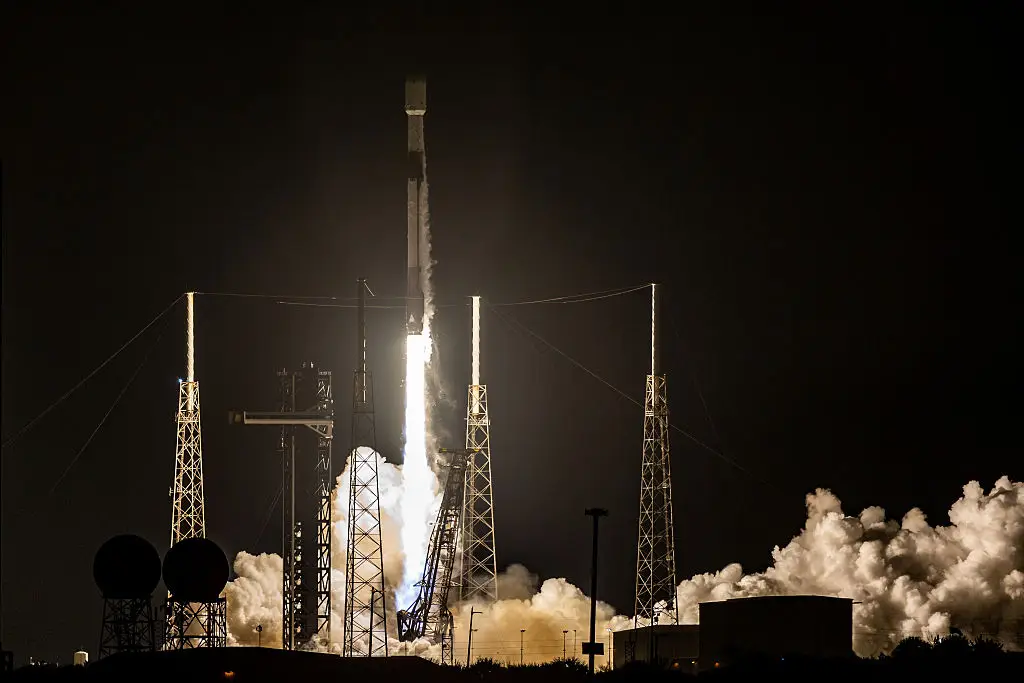
Although Musk has done a lot of things without any real explanation, it seems as if crashing into the lunar surface will actually be informative for researchers, and a study that looks at the impact of the object on the moon has already been published.
Lead author Benjamin Fernando told ABC News: “We expect that to vaporise the booster, create a flash of light, probably a plume of ejecta — dust, regolith, other stuff mixed into it — and of course excavate a fresh crater on the lunar surface.”
Anyone who will be up early on Wednesday morning in the UK might be around for the impact, as astronomer Bill Gray suggested that the impact will occur at around 2.34am Eastern Time, so 7.34am here in the UK.
This is only the latest of Musk's space projects, as he's also spoken plenty about wanting to settle on Mars one day, while one of his Teslas is still floating around up above the Earth's atmosphere.
 James Moorhouse