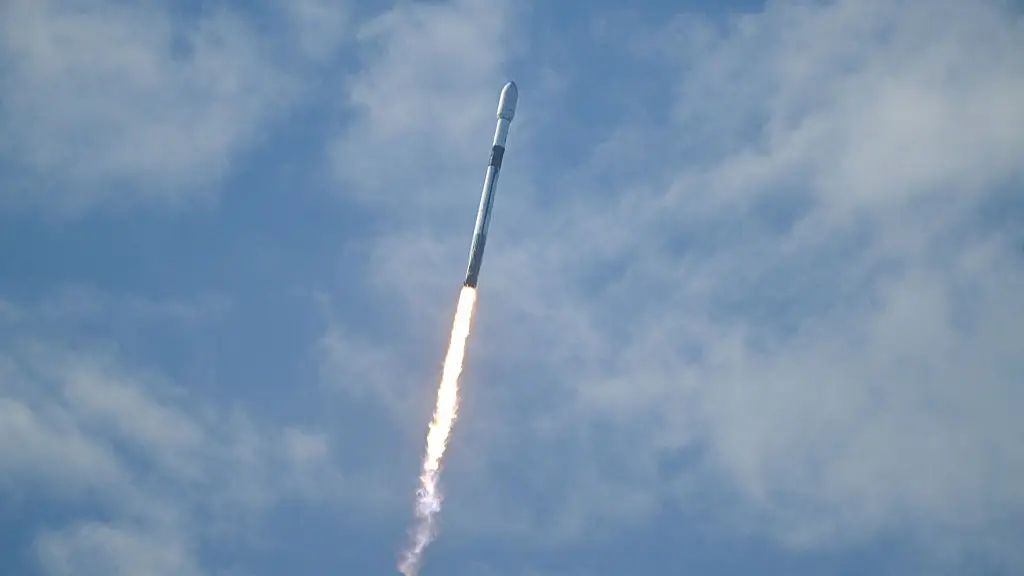
Images show damage to moon after SpaceX rocket crashes at 'seven times the speed of sound'

First images have now emerged showing the damage caused to the moon after a part of a rocket crashed into it at 5,400 mph.
The wayward section of Elon Musk's SpaceX rocket crashed into the moon causing a crater on Wednesday (5 August). It was a part of the Falcon 9 rocket that was first launched back in 2025.
The huge structure has since been drifting through space. It was part of the abandoned rocket segment, measuring some 40 feet, that ended up being directed towards the moon's surface.
Other pictures and details of the damage are yet to be released, and experts are now waiting to monitor the results - but this could take days. The impact was at approximately 6.35am UK time (1.35am EST).
Advert
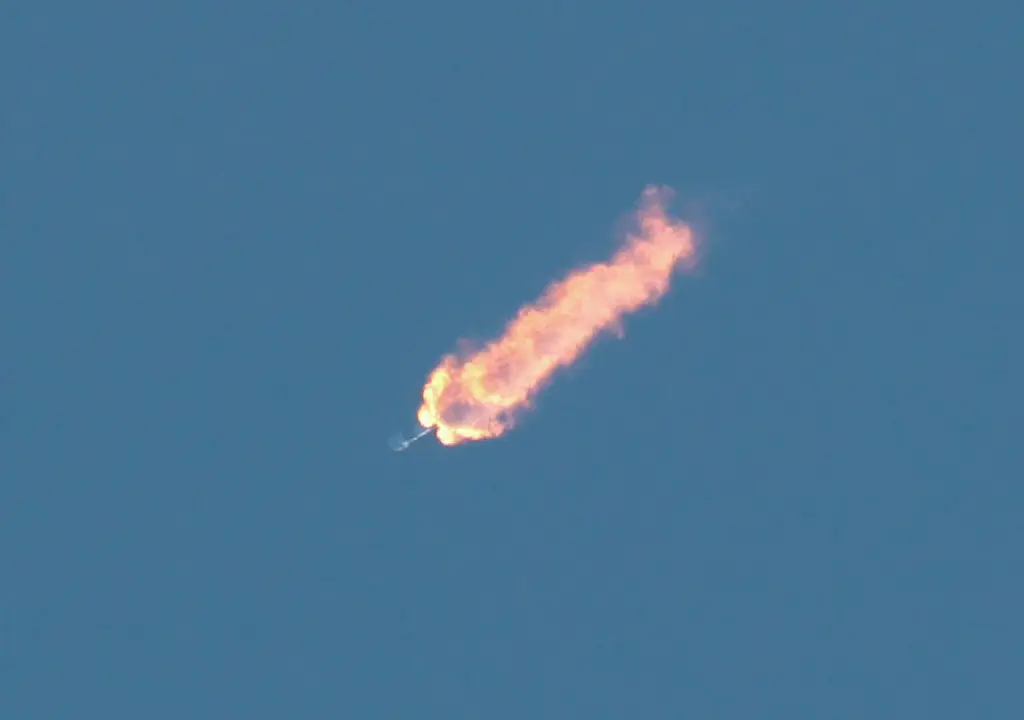
Space tracking expert Bill Gray previously predicted an impact speed of 5,400 mph, which is seven times the speed of sound. And although the crater created by the incident is still too small to be seen by the naked eye, it was first thought to be around 20 to 30 metres wide.
However one new image, released by the Korea Aerospace Research Institute, appears to show the damage caused to the moon by the impact, which was predicted to be equivalent to an explosion of three tonnes of TNT.
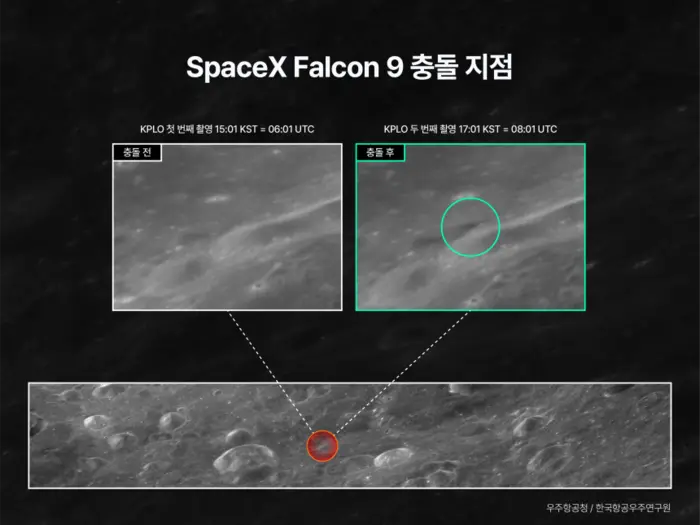
South Korea's first lunar probe has now detected changes in the lunar surface from before and after the SpaceX Falcon 9 rocket crash. The Korea AeroSpace Administration announced on Thursday (6 August) that they had captured images following Falcon 9's upper stage colliding with the moon.
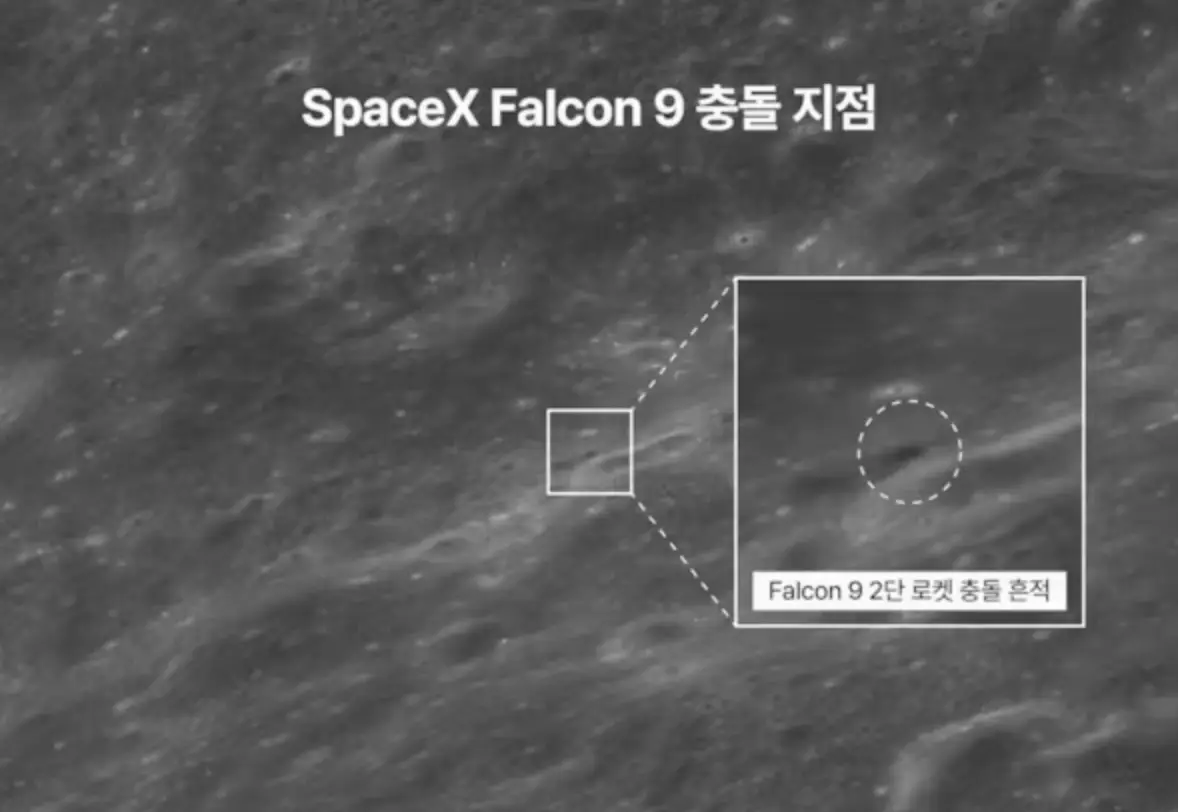
According to MeilBusiness, the Korea Pathfinder Lunar Orbiter had adjusted its orbit to pass over the collision site. This is where it captured images of the lunar surface before and after the impact using the high-resolution camera.
The space agency added that their observation has 'identified signs of topographic changes and spread of explosives near the impact site.'
Wayward part of rocket predicted to crash into moon
It had been revealed earlier this week that the rocket’s upper stage would unintentionally slam into the moon on Wednesday morning (5 August), sending up a plume of dust and rubble that scientists are eager to observe.
However, the impact flash, which lasted less than a second, was also believed to have been too dim to see, according to experts. But the stream of ejected material could stretch for several miles into space and could be seen with specialist equipment and will be monitored throughout this week.

It was never SpaceX’s intent to hit the moon, but space experts said the crash could have been avoided if the upper stage had been nudged into orbit around the sun.
The latest incident marks the second dead rocket known to crash into the moon accidentally after a Chinese rocket segment dug out a pair of craters on the lunar far side back in 2022.
Ground telescopes in the United States were also watching signs of the explosion, but images may take days to appear. Spacecraft orbiting the moon will also send back images of the crash site back to Earth over the next few days.
What is SpaceX's Falcon 9 rocket?
SpaceX's Falcon 9 is a reusable, two-stage rocket designed and manufactured for, what the company says is 'the reliable and safe transport of people and payloads into Earth orbit and beyond'.
The rocket was launched last year before its 4,000kg upper stage section was then shed in space as planned. However this went on to be involved in the accidental collision with the lunar surface.
SpaceX launched this specific Falcon 9 rocket as part of a US and Japanese mission to carry a pair of lunar landers and specialist equipment to the moon in 2025.
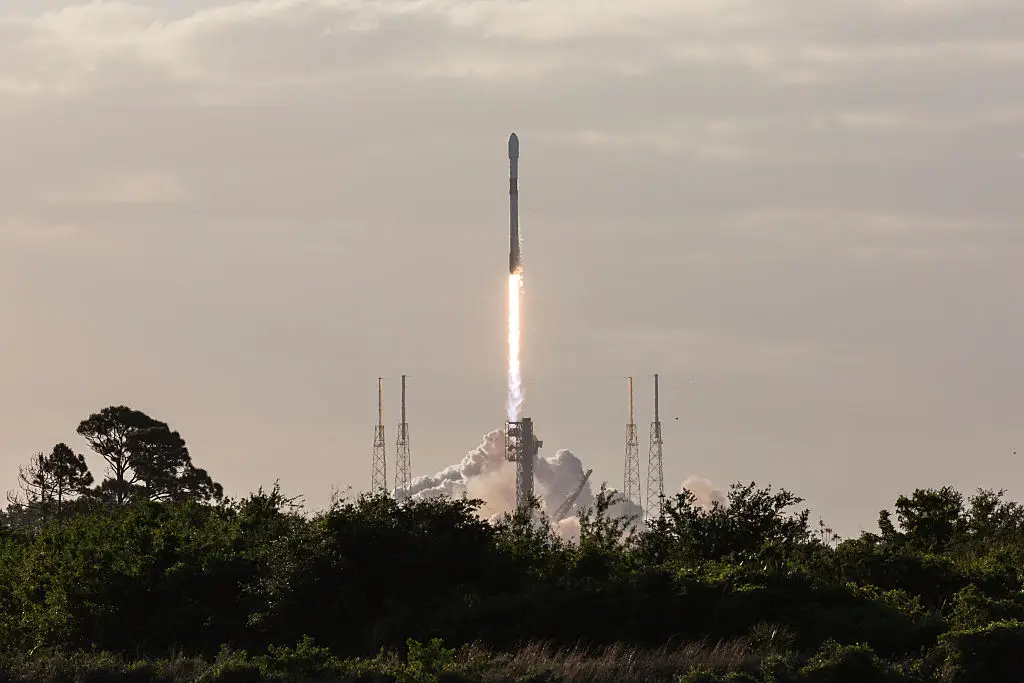
One of the private lunar landers, Firefly Aerospace’s Blue Ghost, became the first private spacecraft to pull off a fully successful lunar touchdown. The other, Japan-based ispace’s lander, wrecked.
With the moon as the new travel hot spot, scientists have said it is crucial to improve debris monitoring and traffic control before packs of robots and astronauts arrive. The United States and China are racing to land astronauts on the Moon in the next few years.
Topics: Space, Science, World News, Technology
 James Holt