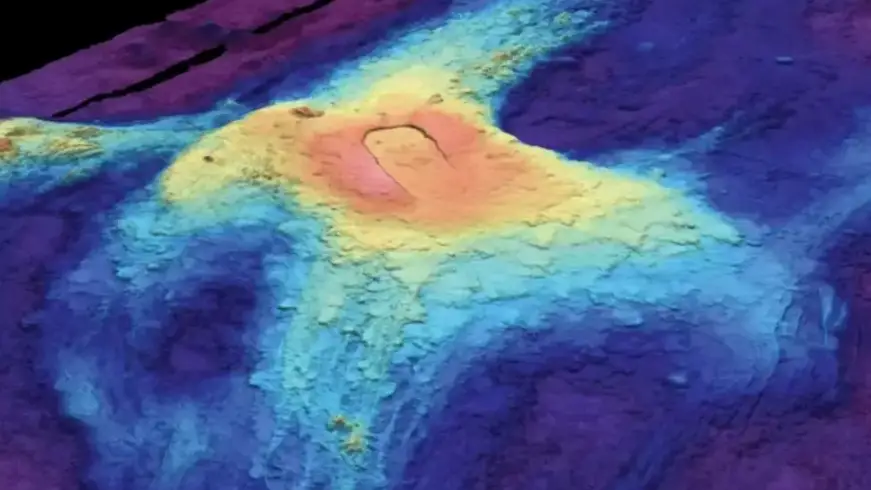
Experts give update on when massive underwater volcano on brink of eruption will blow

Experts have explained when a massive underwater volcano, which was predicted to be on the brink of eruption by the end of the year, is actually expected to erupt.
The Axial Seamount sits beneath the sea about 300 miles from the US coastline and is the most active volcano in the Pacific Northwest, the only question is when it will next erupt again.
Monitoring has shown increased seismic activity, though fortunately, since it's a mile underwater as well as being 300 miles away from the shoreline that eruption should have a minimal impact on humans.
The area around it will be somewhat more affected by the eruption.
Advert
Oregon State University geophysicist William Chadwick had predicted that the Axial Seamount's activity meant it would erupt by the end of 2025, though pinning down an exact time is difficult.
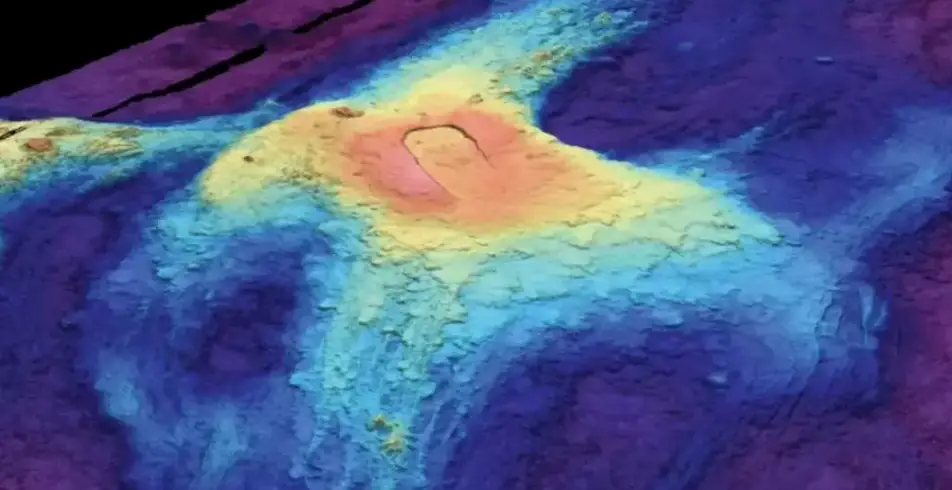
However, in a recent blog post, the scientist said that prediction was 'running out of time' and based on some new observations, the eruption window had likely shifted to next year.
"It seems like every time we try to estimate when the volcano might get there, the rate of inflation changes, making our forecast incorrect," Chadwick wrote last month, explaining that after his last forecast some of the details had changed.
"This has happened over and over since the 2015 eruption, and shows the obvious limitations of trying to make long-term forecasts based on simple pattern recognition: the pattern could change.
"At the current rate of inflation, we won't get to that higher inflation threshold until mid-to-late 2026. We'll wait until the end of the year to revise our forecast (who knows, it could still erupt before the end of the year!), but it's looking like we might have to add another year to our forecast window, based on the latest data."
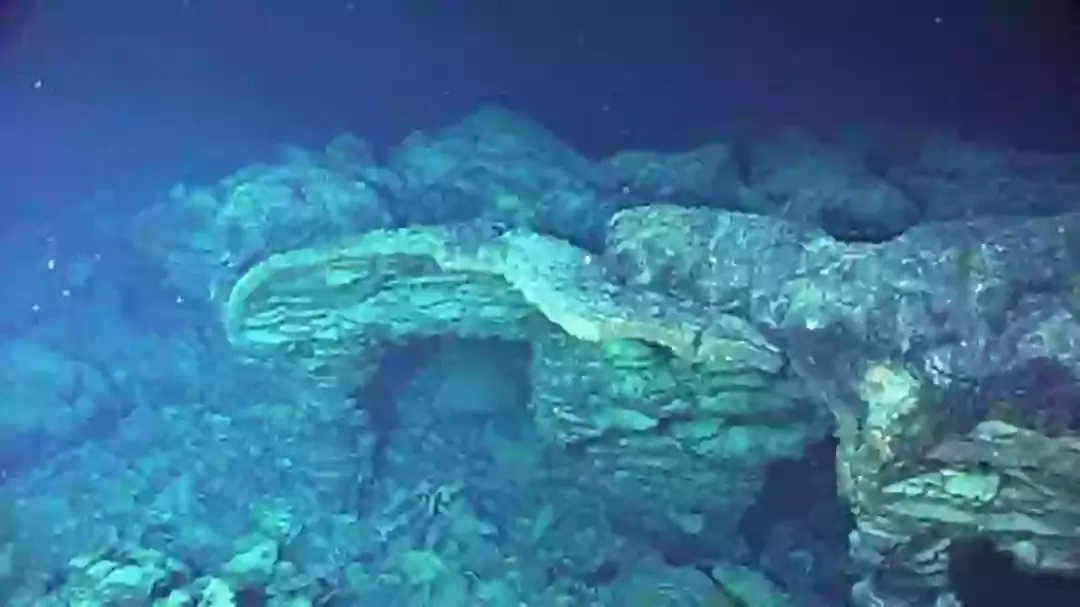
This inflation he's talking about is the rate of seafloor uplift since 2015. Back in July 2024, when the previous forecast was made, it was rising at a rate of around 25cm a year, but since then it's cooled off to about 16cm a year.
Basically, in 2011, the Axial Seamount erupted when it hit a certain threshold, and when it erupted again in 2015, the new threshold was 30cm higher.
Presuming that an eruption, whether that be by the end of 2025 or in 'mid-to-late 2026' as the forecast now predicts, has a threshold another 30cm higher than last time, then the Axial Seamount is not quite in the zone yet.
Since it's slowed down in getting to that point, the forecast of when the underwater volcano will next erupt has been pushed back.
Given that it's under regular monitoring, it won't be too much of a surprise when it does erupt.
Topics: Science, Environment, US News, World News
 Joe Harker