Exactly what happens to the human body in space as ISS crew makes emergency landing after five months

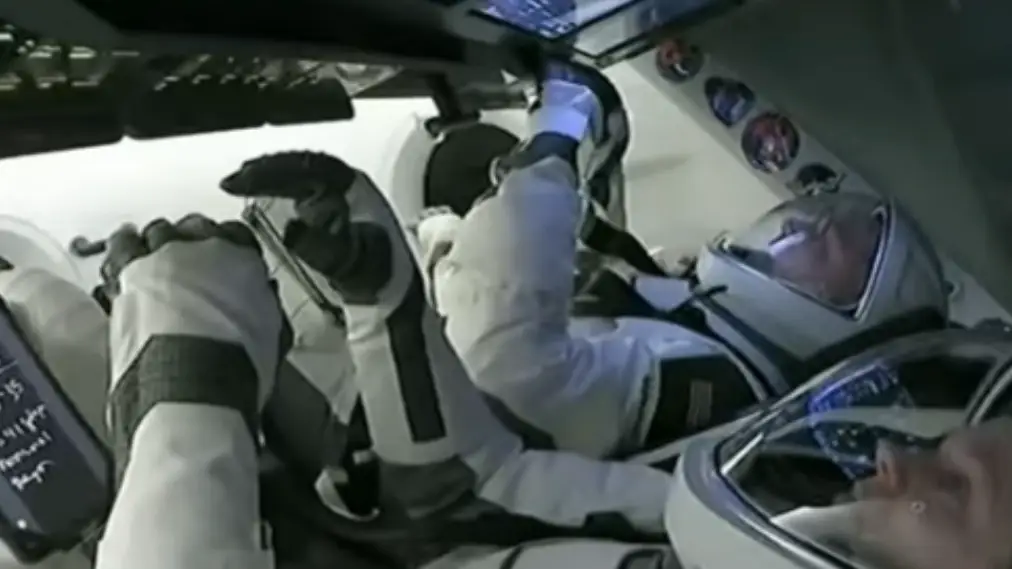
Astronauts from the International Space Station (ISS) have returned to Earth after their mission was cut short due to a medical emergency.
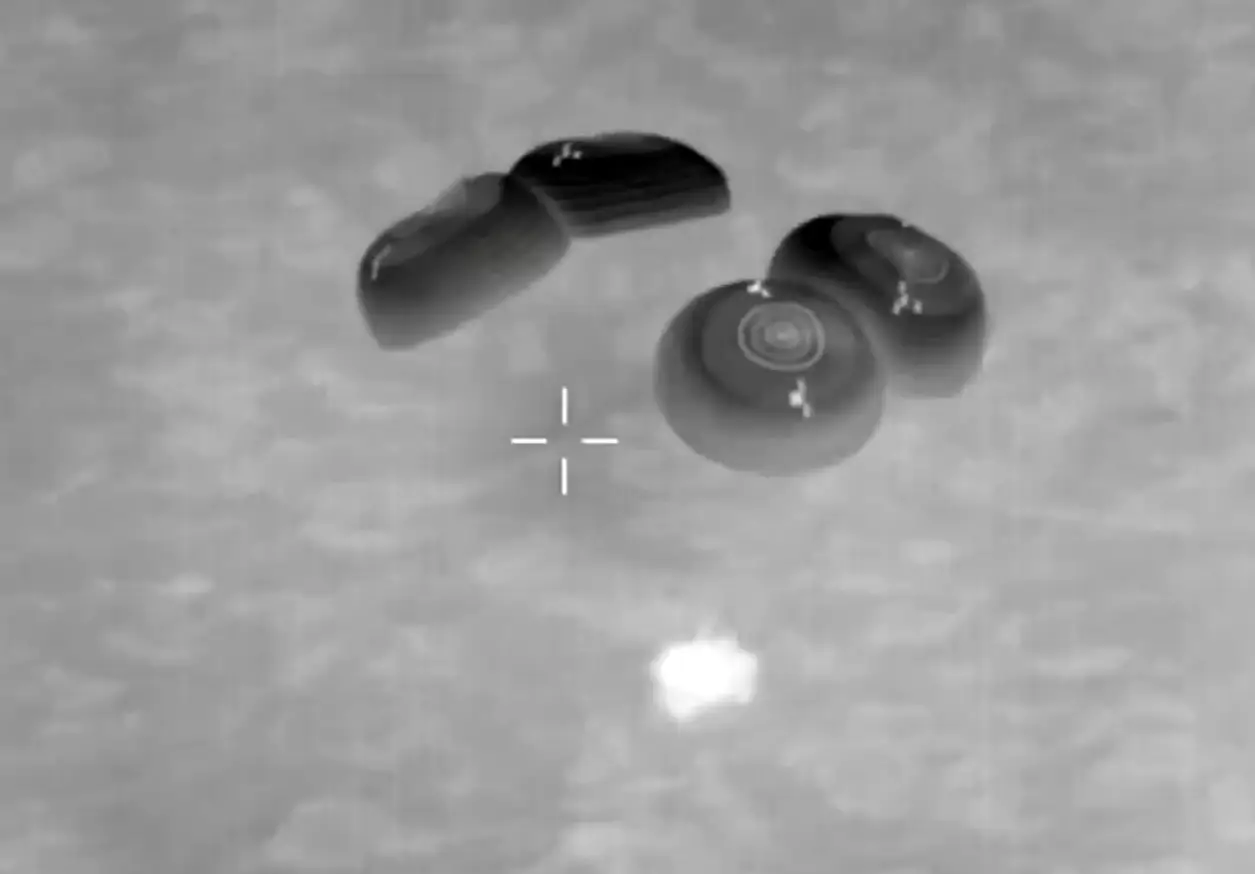
Their spacecraft splashed down off the coast of California to a message of 'welcome home Crew-11', and they will now begin the rehabilitation process after spending months in space.
One among their number will also be treated for an unspecified 'serious medical condition' which left health experts 'erring on the side of caution' and deciding to bring them back.
The astronaut affected is in a stable condition but has been brought back to Earth for treatment as while there are medical supplies on board the ISS it is not a hospital.
Advert
The rest of their crew will also require medical attention as being in space has an impact on the human body regardless of medical emergencies as they begin their recovery.
The impact of space on the human body
Living in a zero-gravity environment for months, as the astronauts who just returned to Earth have done, produces some changes in the body.
There have been many experiments conducted on how the body reacts in space as space travel to places such as Mars would be hugely dangerous if we did not understand what a prolonged time in space did to us.
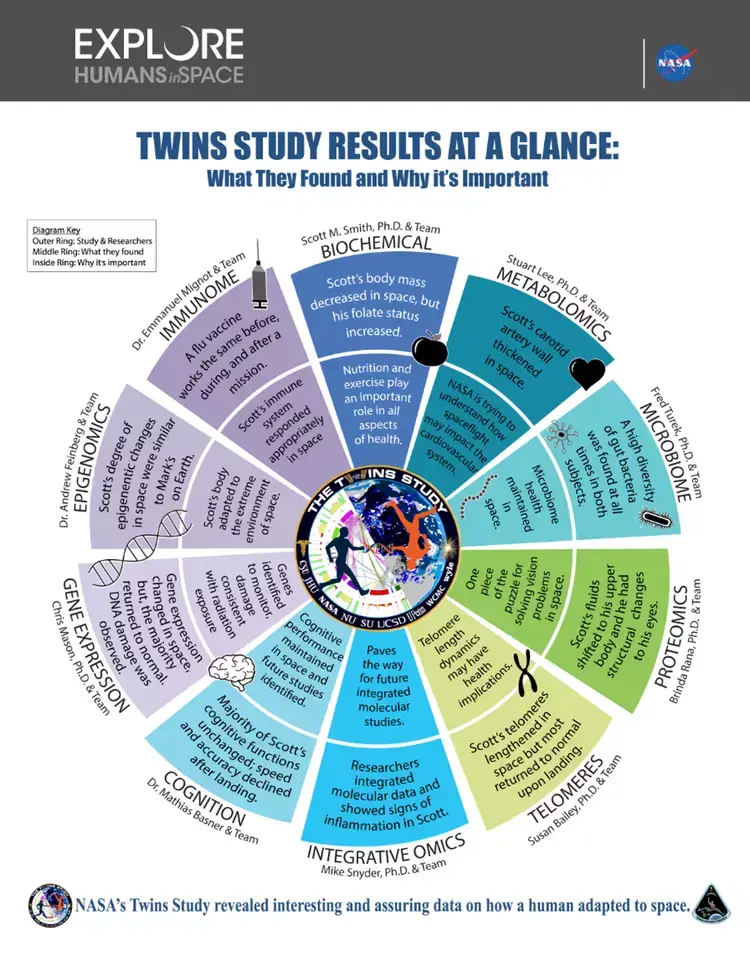
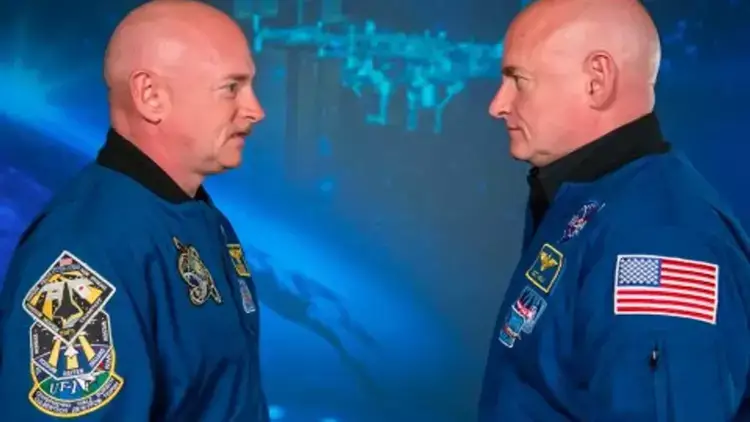
Among these experiments was NASA sending one twin into space, while their identical counterpart remained behind on Earth which provided plenty of useful data.
NASA has grouped the impacts into five categories it calls the 'RIDGE' system, which it says means: "Space Radiation, Isolation and Confinement, Distance from Earth, Gravity fields, and Hostile/Closed Environments."
Radiation
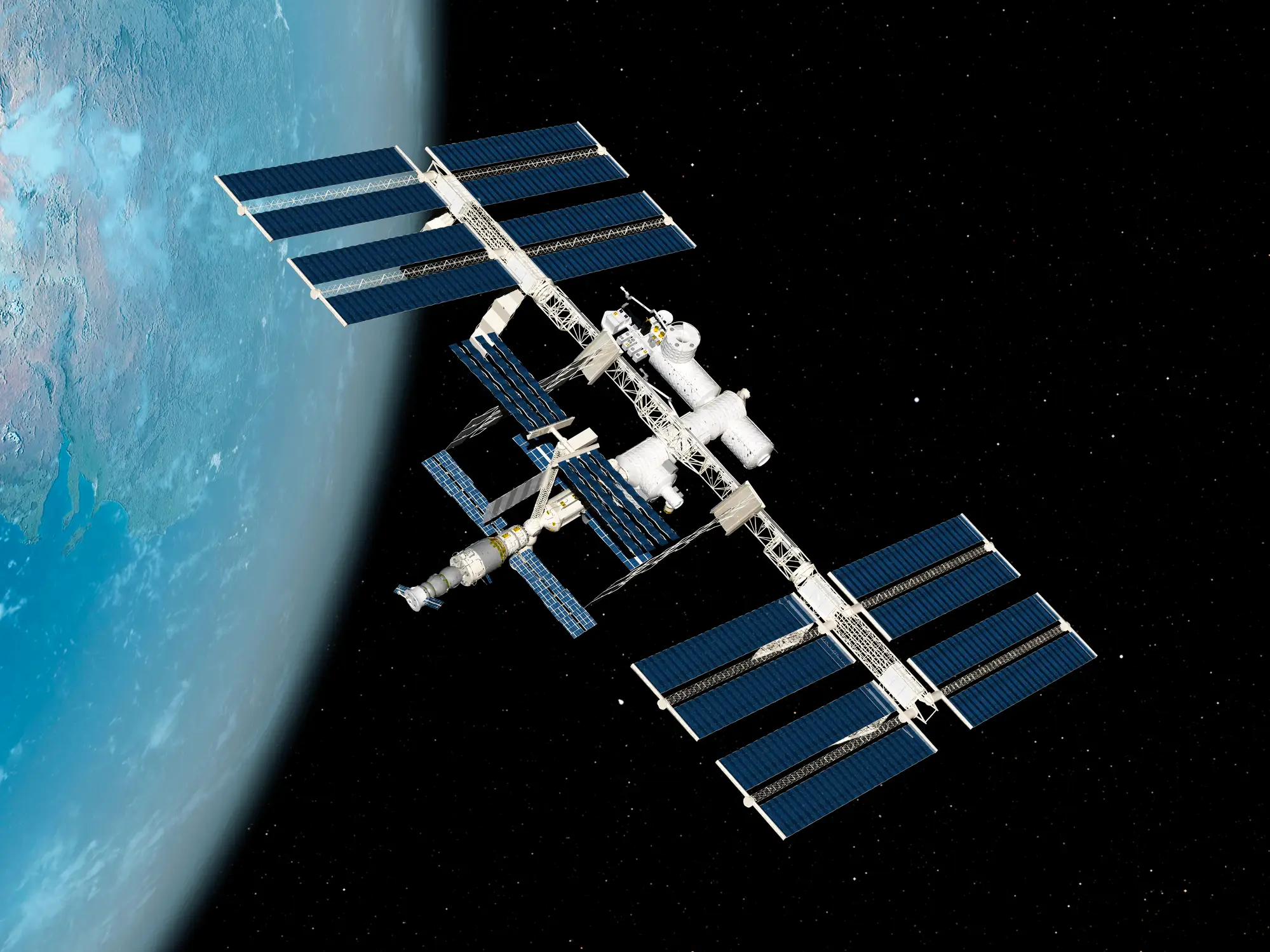
While us Earthlings are protected by our planet's atmosphere, people going into space have no such protection and are exposed to more radiation than those of us down here.
Cosmic rays, energy particles from the Sun and the Earth's magnetic field all result in radiation for astronauts and they are hard to protect someone against.
As such, crews of astronauts may be more likely to develop cancer since they are less protected from radiation, along with a number of other degenerative disorders which can occur as a result of radiation exposure.
Isolation
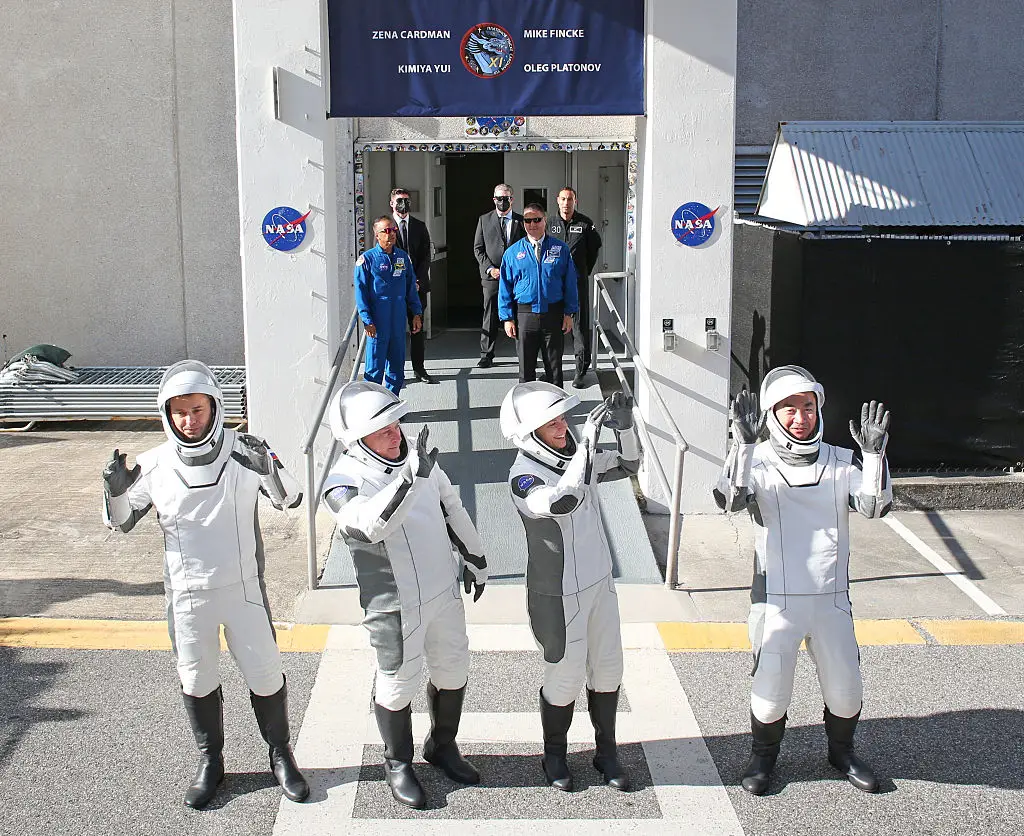
Crews of the ISS can spend six months or even a year in space, though in some cases it has been even longer.
Spending time up in space with just a handful of other people for company can be tough, and being away from the standard day and night cycle can do a number on the body's circadian rhythm, otherwise known as your internal clock.
The impact of this can leave a person tired and stressed, while in more severe cases a disruption to the circadian rhythm can leave someone at a greater risk of heart disease or stroke.
Distance
Being far away from Earth means there is a gap between a person and the amenities of modern life, so astronauts cannot simply pop to the shops for their food or go for a health check-up.
It is for this reason that the astronauts who just returned to Earth had to cut their mission short as doctors decided that their patient was too far away with a serious medical condition for them to safely stay in space.
A study of the identical twins where one went to space and one did not found they had different gut bacteria which may have been caused by different diets.
Medical conditions on the ISS have been treated at a distance before as there are medical supplies on the space station and when one got a blood clot in the jugular vein of their neck, they were able to treat it thanks to some remote direction.
Gravity
NASA has found that human bones lose around one percent of mineral density a month during spaceflight, and without gravity in space astronauts also lose muscle mass at a faster rate without exercise than a person on Earth would.
Fluids in the body move up to the head which can cause problems with your vision due to pressure on the eyes, while people also have a higher chance of developing kidney stones due to dehydration and increased calcium excretion from the bones.
All in all, a body coming back from space is going to be weaker and more fragile as there will have been a loss in bone density and muscle mass, astronauts have exercise equipment to use in space but the effects are still present.
As such, when astronauts return to Earth they have to go through a lengthy rehabilitation process where the body has to be retrained after being in weightless space.
The day after landing their rehabilitation starts and involves two hours of physical training each day for six weeks.
Environments
Being away from the natural environs of Earth also impacts the body as being in space weakens the immune system, though astronauts do not usually get sick and a lot of effort is put into keeping the ISS clean.
Vaccinations do work in space which is good news for disease prevention, while they are also isolated for two weeks before they go into space to avoid bringing disease up with them.
Something else NASA's twin experiment found was that being up in space resulted in longer telomeres, the caps at the end of chromosomes, than is brother's back on Earth.
This was 'exactly the opposite' of what experts expected to see as shorter telomeres are typically linked to ageing.
All in all, space sounds like it's not exactly good for your health, but we keep learning about the impact it has on the body.
 Joe Harker