ladbible homepage
ladbible homepage
  • iconNews
  • videos
  • entertainment
  • Home
  • News
    • UK
    • US
    • World
    • Ireland
    • Australia
    • Science
    • Crime
    • Weather
  • Entertainment
    • Celebrity
    • TV
    • Film
    • Music
    • Gaming
    • Netflix
    • Disney
  • Sport
  • Technology
  • Travel
  • Lifestyle
  • Money
  • Originals
    • FFS PRODUCTIONS
    • Say Maaate to a Mate
    • Daily Ladness
    • UOKM8?
    • FreeToBe
    • Citizen Reef
  • Advertise
  • Terms
  • Privacy & Cookies
  • License Our Content
  • About Us & Contact
  • Jobs
  • Latest
  • Archive
  • Topics A-Z
  • Authors
Facebook
Instagram
X
Threads
Snapchat
TikTok
YouTube
Submit Your Content Here
  • SPORTbible
  • Tyla
  • GAMINGbible
  • LADbible Group
  • UNILAD
  • FOODbible
  • UNILAD Tech
Bizarre reason behind why we have intrusive thoughts will make you feel less ashamed
Home>News>Science
Published 12:43 13 Sep 2023 GMT+1

Bizarre reason behind why we have intrusive thoughts will make you feel less ashamed

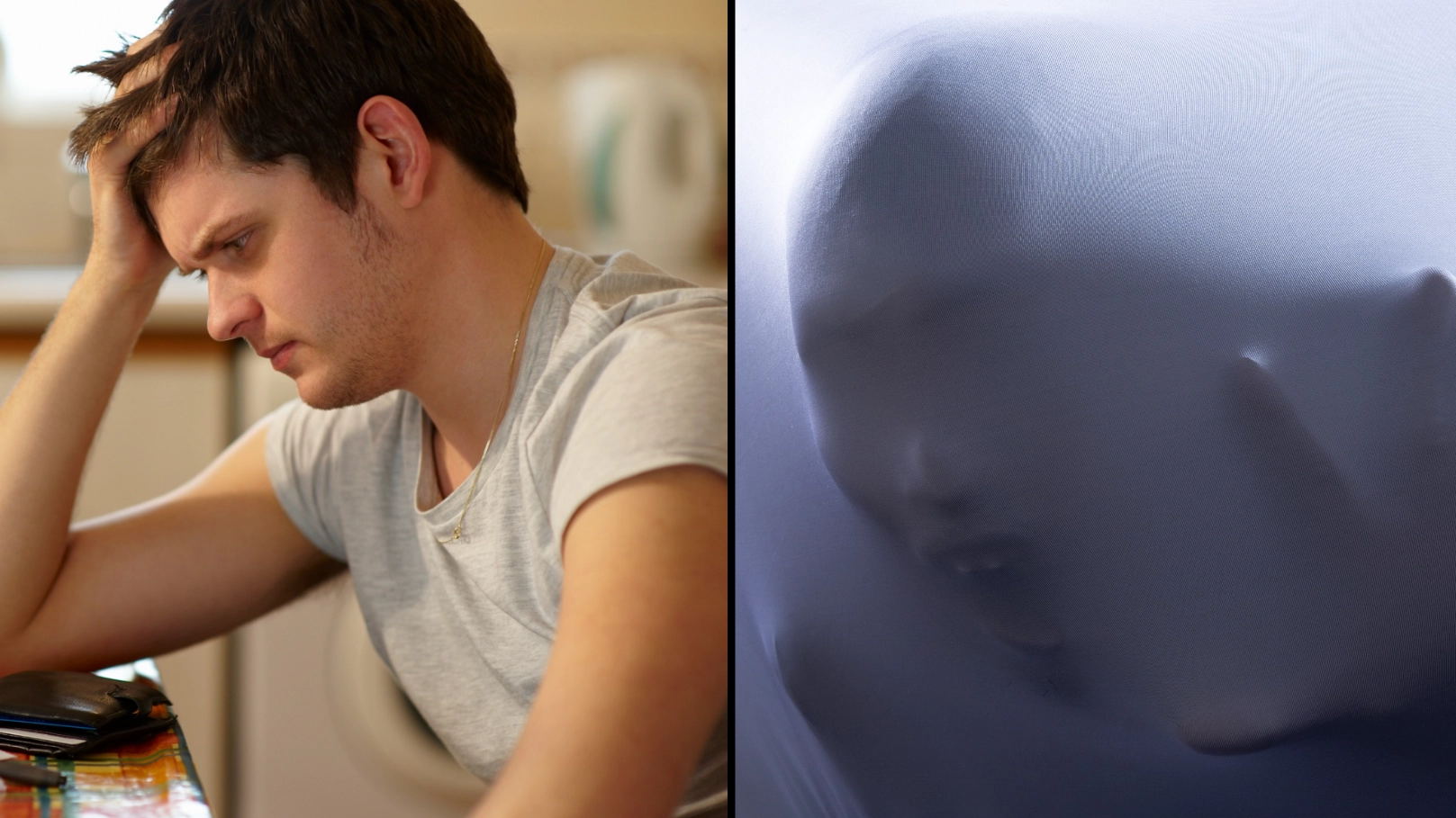
Everyone is victim to having strange and intrusive thoughts and, while many will think it's their own fault, it actually isn't

Niamh Shackleton

Niamh Shackleton

google discoverFollow us on Google Discover

Ask any of your pals, and I can guarantee they say they've had intrusive thoughts. From pushing a train's emergency stop button when there isn't an emergency, to casually rear-ending the driver in front of you for no reason - we've all had them.

But fear not, friends - you're not losing the plot. It turns out these type of random and outrageous thoughts are actually some-what normal.

Depending on the nature of some of your thoughts, they can be undeniably alarming and cause you to question if its your fault you're having them, but it's not.

Intrusive thoughts are more normal than you think.
Pexels/Karolina Grabowska

Advert

It's actually a lot more ordinary than you think - your brain is thinking such thoughts because you don't want to act that way and, for some reason, it just happens to think up the most inappropriate thing that it can imagine.

Strange, I know.

As to what causes them, one of the main reasons is anxiety or stress, according to Harvard Health.

Some biological factors may also play a part in them, for example women who have just given birth may have more intrusive thoughts than usual because of the hormonal changes they're going through.

While you may think the best thing to do it try push down your intrusive thoughts, this might make the stick around for longer and happen more frequently.

Suppressing intrusive thoughts can cause them to stick around.
Getty Images/Peter Dazeley

Hannah Reese, Clinical and Research Fellow in Psychology at Massachusetts General Hospital/Harvard Medical School, wrote for Psychology Today: "The very act of monitoring your thoughts for the absence of a thought can make it occur more frequently.

"When someone becomes very distressed by their intrusive thoughts, goes to great lengths to get rid of them, and prevent them from occurring, this can become a form of Obsessive-Compulsive Disorder (OCD).

"People with this 'bad thoughts' form of OCD often avoid things that could trigger these thoughts or being in situations where they might be at risk for acting on a thought."

So what should we do then about these thoughts about kicking our next door neighbour's adorable Cavapoo then? Harvard Health has you covered, and the medical team advises that, firstly, you identify the thought.

Dr. Kerry-Ann Williams, a lecturer in psychiatry at Harvard Medical School, says to simply think to yourself: "That’s just an intrusive thought; it’s not how I think, it’s not what I believe, and it’s not what I want to do."

Secondly you're urged not to fight the thought and, lastly, you shouldn't judge yourself for it.

However, if you're finding that your intrusive thoughts are impacting your daily life, Harvard Health advises to see a mental health professional for further advice.

Featured Image Credit: Dougal Waters via Getty/Kampee Patisena via Getty

Topics: Science, Health, Weird

Niamh Shackleton
Niamh Shackleton

Niamh Shackleton is an experienced journalist for UNILAD, specialising in topics including mental health and showbiz, as well as anything Henry Cavill and cat related. She has previously worked for OK! Magazine, Caters and Kennedy.

X

@NiamhShackleton

Recommended reads

Model left with broken spine and legs after ‘Dubai Porta Potty party’ says attackers left chilling noteInstagram/@mariia.kovalchuukErectile dysfunction is on rise in young men for worrying reasonGetty Stock PhotoTess Daly and Vernon Kay split after 22 years of marriage as statement releasedShane Anthony Sinclair/Getty Images for the NTAsTragic tribute left at scene where girl whose eyes turned black died after getting trappedX/Frank Fournier

Advert

  • Expert explains why young lads always have their hands down their trousers
  • Real reason why Ancient Greek statues all have tiny penises
  • There is a sound a person makes that means they have less than one day to live
  • Strangest things people have done in MRI machines revealed as couple had sex to show what happens

Choose your content:

26 mins ago
an hour ago
2 hours ago
3 hours ago
  • Instagram/@mariia.kovalchuuk
    26 mins ago

    Model left with broken spine and legs after ‘Dubai Porta Potty party’ says attackers left chilling note

    Maria suffered devastating injuries in the incident, including multiple fractures across her body

    News
  • Getty Stock Photo
    an hour ago

    Erectile dysfunction is on rise in young men for worrying reason

    Around a quarter of young men suffer from it in some way

    News
  • X/Frank Fournier
    2 hours ago

    Tragic tribute left at scene where girl whose eyes turned black died after getting trapped

    Rescuers were unable to save Omayra, who became a symbol of the Armero tragedy

    News
  • Getty Stock Photo
    3 hours ago

    Three signs you have high functioning anxiety despite how you appear to family and friends

    A clinical psychologist shared the three signs to tell you if you have it

    News