
FDA rule that means Enhanced Games athletes can still be disqualified for doping

The controversial Enhanced Games kick off this weekend in Las Vegas but the sporting event won't be a free-for-all when it comes to boosting performance.
Created by Australian businessman Aron DSouza, the games allow athletes to use performance-enhancing medications or drugs, which would normally see them banned from the usual Olympics or World Championships.
Sport is rarely a level-playing field, as a seven foot tall man is always likely to thrive in basketball and volleyball, while Kenyan runners often dominate distance events due to a range of environmental, physiological, and socioeconomic factors.
While there have been cases throughout history of athletes cheating with performance enhancing drugs, with cyclist Lance Armstrong and Canadian sprinter Ben Johnson two of the most famous examples.
What will the athletes at the Enhanced Games be paid?
Although neither party has been invited along to the May event in Las Vegas, several former Olympians will be making an appearance in the games, and have the chance of earning some huge sums of money if they win their events or 'break' the official records.
Advert
Even if you enter just one swimming event and come fourth, you'll take home the tidy sum of $50,000, while winners will bag $250k, with another $250k on top of that if a world record is 'broken'.
What drugs can Enhanced Games athletes take?
Despite being encouraged to take drugs such as steroids, there are still some rules that the athletes will have to follow if they want to avoid getting kicked out of the competition.
The Enhanced Games have made it clear that that only drugs approved by America’s Food and Drug Administration (FDA) can be taken. They include:
- Testosterone and anabolics such as methenolone and nandrolone.
- Hormones and growth factors, such as human growth hormone and EPO.
- Metabolic modulators, such as meldonium, and stimulants, including Adderall.

Now, it would be a surprise if any athlete rocked up with cocaine or heroine in their system ahead of an event, but if they do they will be presumably be on the first flight home.
There's going to be lots of eyes on the Games, especially if the records start to tumble, but official sporting authorities have made their opinions on the Las Vegas event clear.
What have sporting authorities said about the Enhanced Games?
World Aquatics, which is the international federation recognised by the International Olympic Committee for administering international competitions in water sports, told LADbible last year: "Like clowns juggling knives, sadly, these athletes will get hurt performing in this circus.
"History has shown us time and time again the grave dangers of doping to human health. This is a sideshow to those who compete honestly, fairly, and respect the true spirit of sport.
"Athletic performance is a pure, special thing and should not be distorted by delusions of 'science' and 'medicine'. For every step forward taken by clean athletes, the athletes competing in this circus take ten steps backwards."
In a previous interview with LADbible, D'Souza suggested that the safety of athletes was paramount.
He said: "While there are risks involved with performance enhancements, our protocols are being designed to minimise these risks and ensure the long-term well-being of athletes."
Aussie swimmer James Magnussen is one of the biggest names to sign up for the event, and he's undergone an insane transformation since starting on the steroids, but he's not the only one.
Enhanced Games: the athletes before and after training using performance-enhancing drugs
Training using performance-enhancing drugs has caused a dramatic change to some of the athletes' bodies as they put themselves through gruelling training regimens to get ready for their events.
Here are four of the most dramatic transformations.
James Magnussen, Australia, swimming
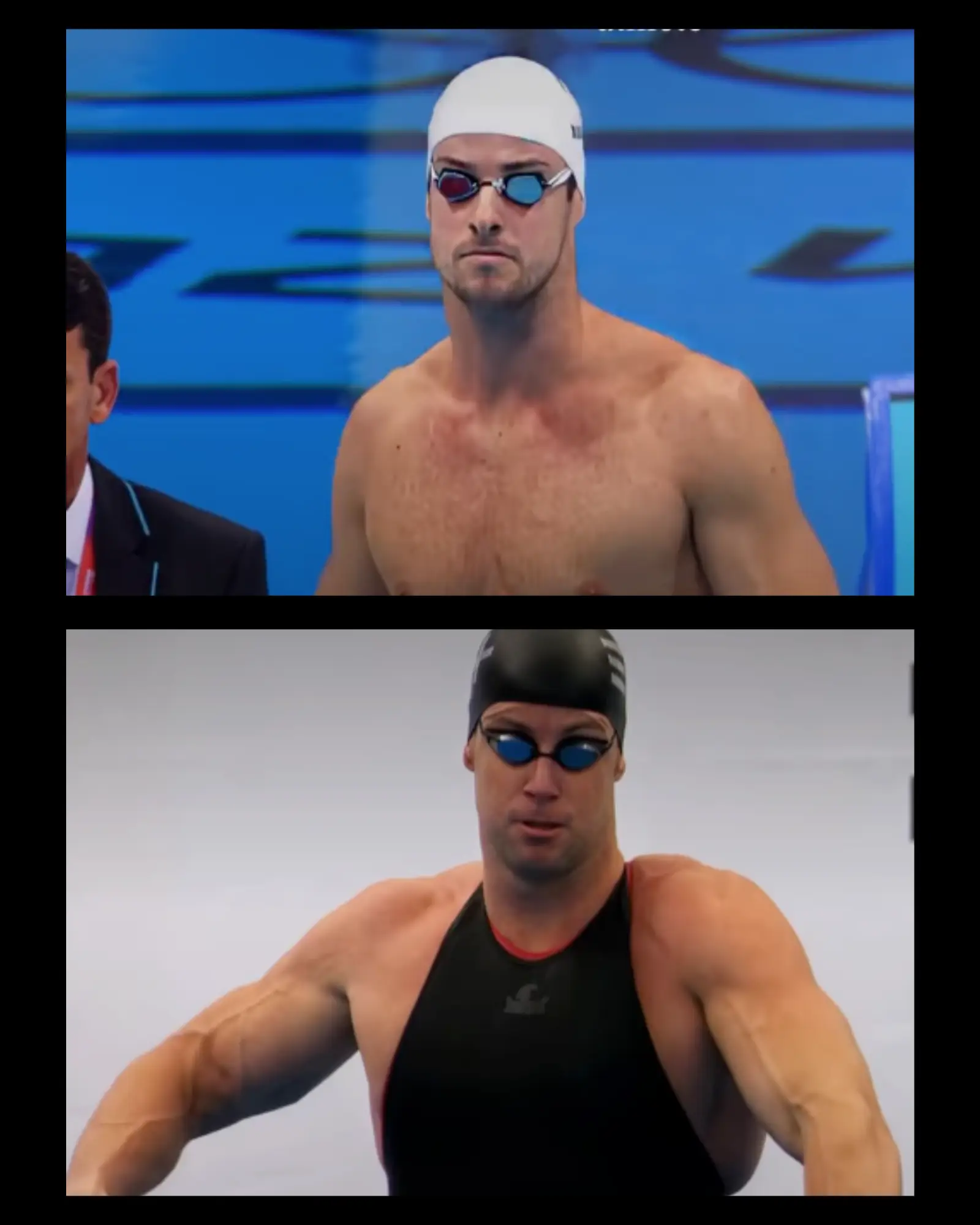
Olympic silver medalist James Magnussen, 35, left people absolutely gobsmacked when he unveiled his transformation, looking like a totally different person.
He told the Hello Sport podcast he gained a staggering 10 pounds of lean muscle after he started using performance-enhancing drugs, but doping eventually took its toll.
He said: “I started getting too big, my nervous system is fried, I'm having trouble with that top-end speed stuff, from that explosivity, and my metrics start trending down. So it was taking about four people 30 minutes to get me into a suit.”
Max McCusker, Ireland, swimming
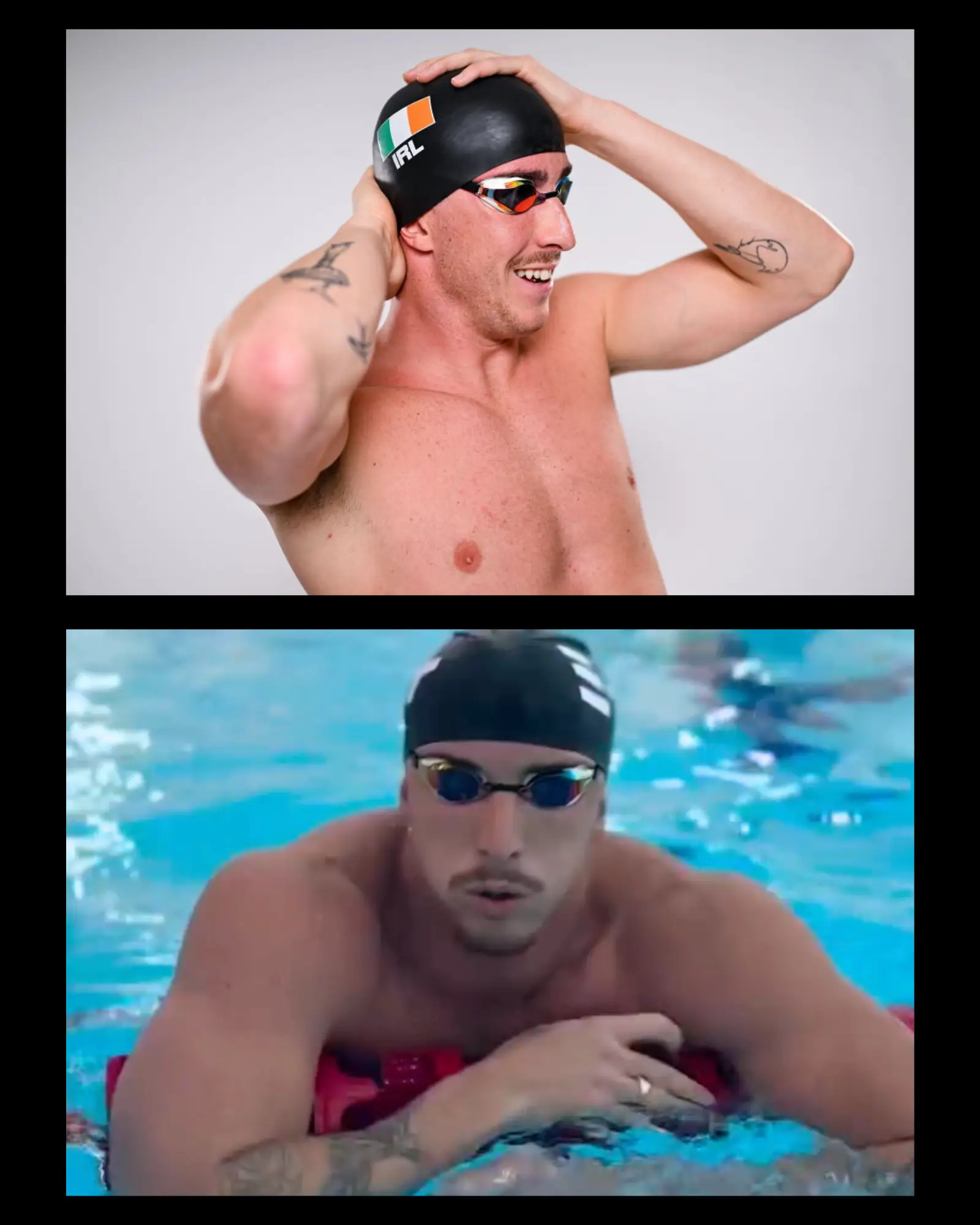
Olympic athlete Max McCusker, 26, hasn’t been shy about the reasons behind joining the Enhanced Games - the $25 million overall prize pot, significantly more than comparable sporting competitions.
He told Vanity Fair: “I’d hit all my best times, qualified for the Olympics, done multiple world championships, multiple European championships - and I had no money.”
On the effects of his new training regimen without drug testing, he said: “I’m starting to have a chest.”
The outlet says his body fat has dropped from 11.8 percent to 7.5 percent.
Megan Romano, USA, swimming
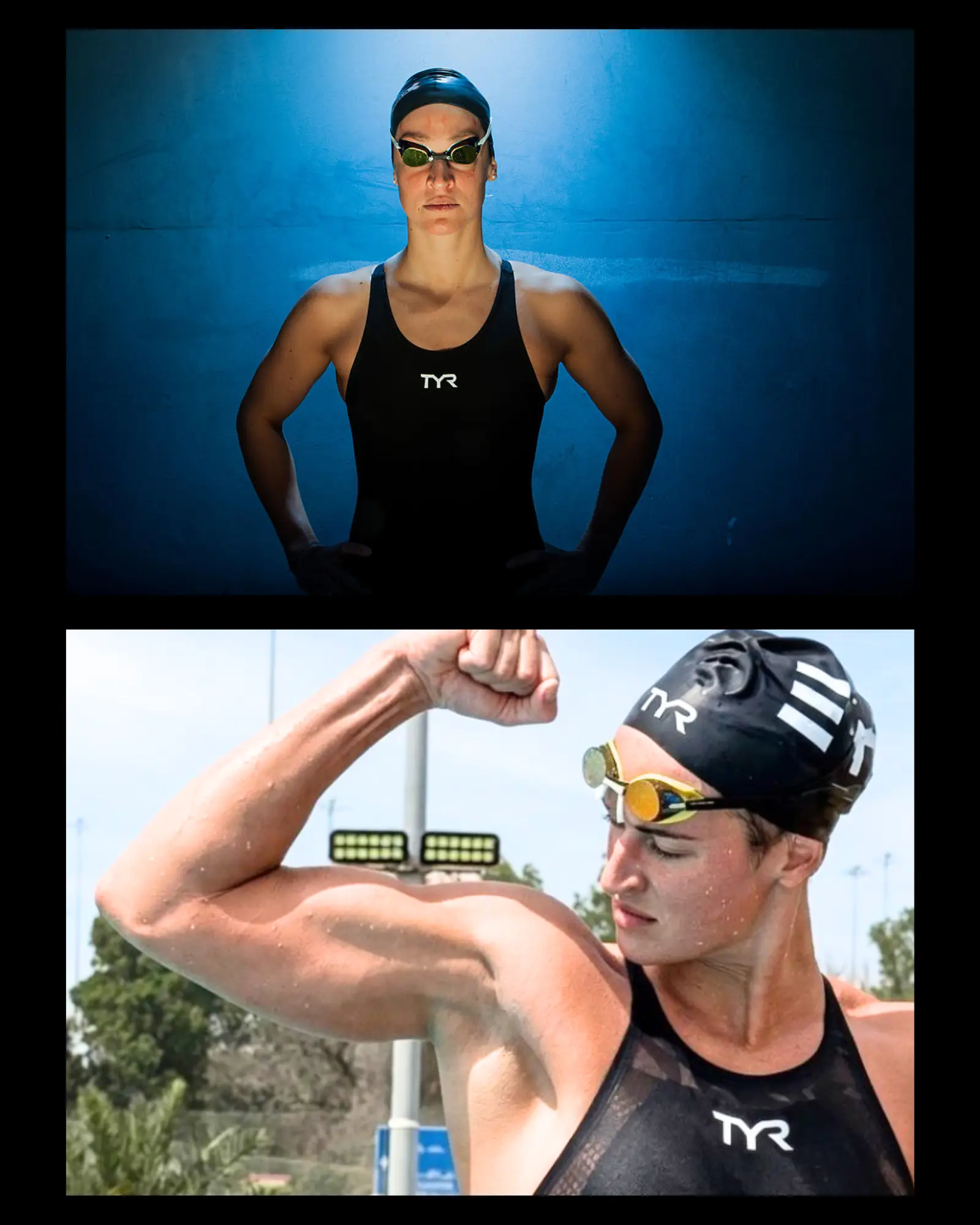
Romano, 35, is a two-time gold medallist at the World Aquatics Championships, but retired nine years ago and has apparently been living it up since putting professional sport behind her.
She told GQ magazine she sees the Enhanced Games as an opportunity to see if she can match the personal bests she was setting in her 20s.
According to the New York Post, she’s reportedly faster than she was in her youth.
She said in a video on the Enhanced Games Instagram account: “I just want to see what’s humanly possible, test some limits, and celebrate some achievement.”
Andrii Govorov, Ukraine, swimming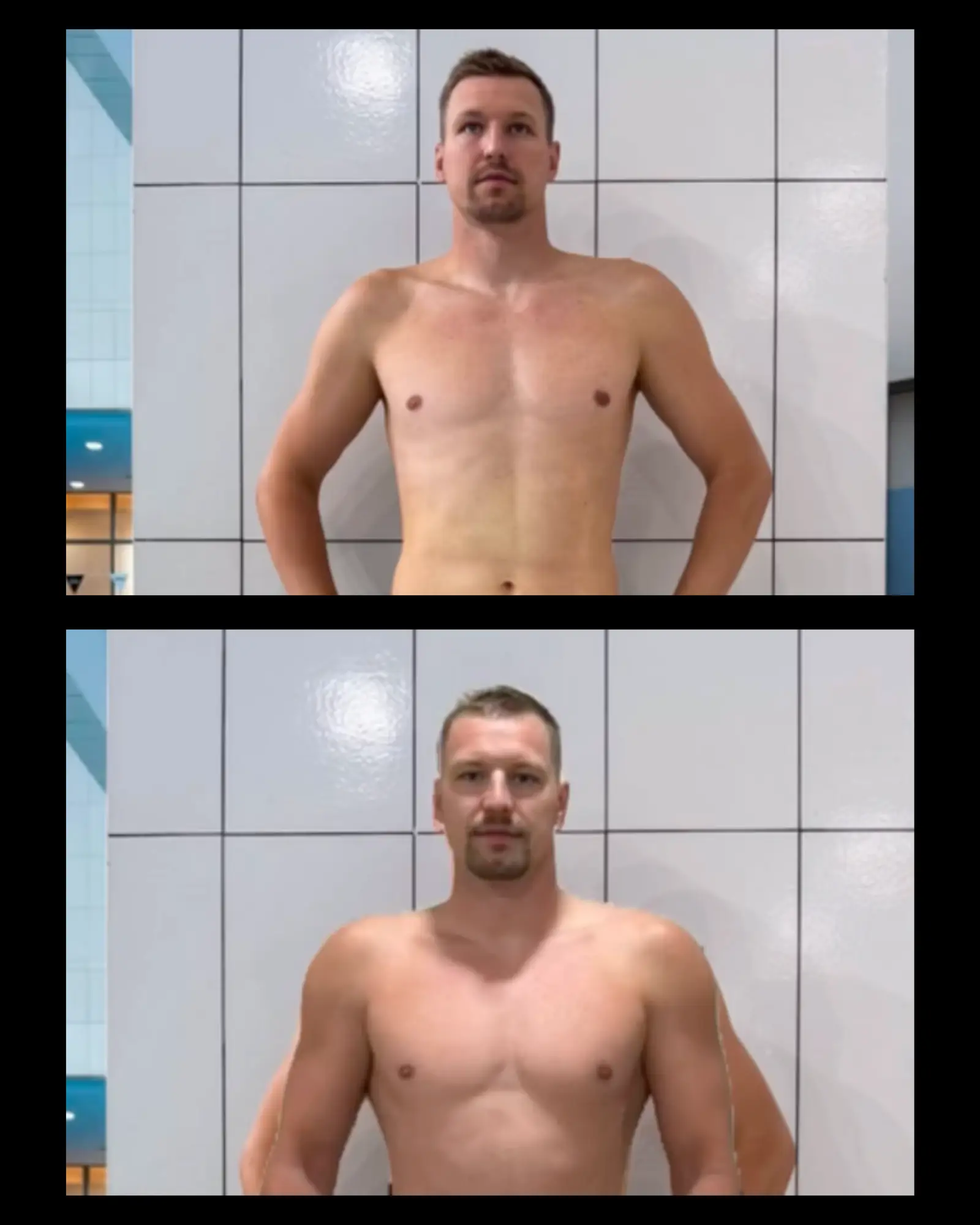 Govorov says sponsorship in his native Ukraine dried up (Instagram/@govorov_andrii)
Govorov, 34, is a two-time Olympian and the current world record holder for the 50m butterfly, which he set when he was 26. While he’s retired from traditional sport, he’s now back to try and break his own record.
The swimmer was a star in his native Ukraine, but following Russia’s invasion, training and sponsorships have been more difficult to come by.
He told GQ: “I’ve had no stable coach, I had no stable place to train; always moving around, changing places.
“So in order to be able to perform, I needed to finance myself because Ukraine stopped supporting me.”
He said in a video on his Instagram page: “You can visually see the difference before and after. I’m stronger, I’m more explosive and more motivated, and to be honest I happily want to go to the pool again.”
He said he’s the most motivated he’s felt in at least seven years.
Topics: Olympics
 James Moorhouse