Going to work in 'Super El Niño’ could be illegal as UK Government considers law change

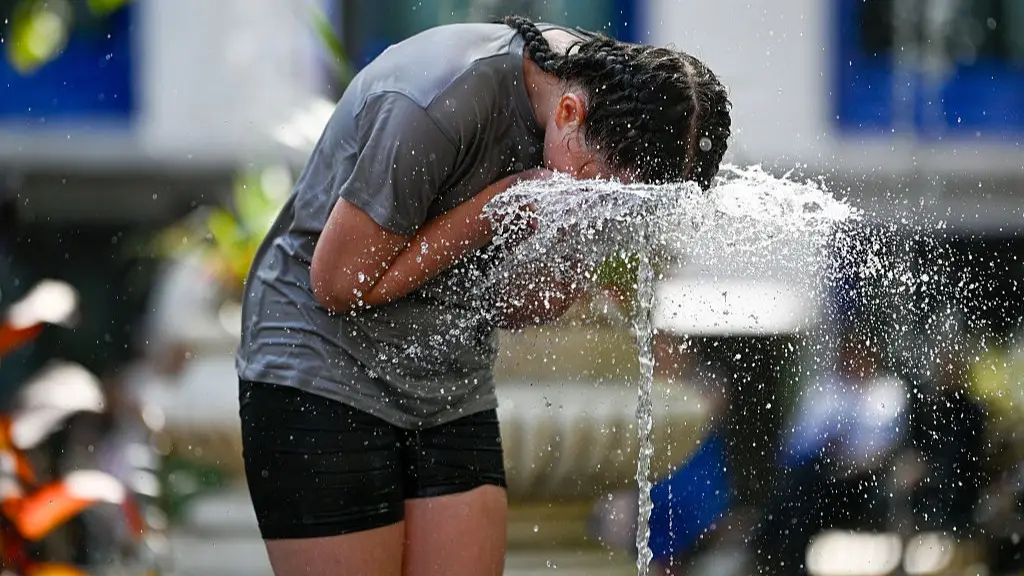
While people in the UK might be looking forward to a heatwave over the bank holiday weekend, the extreme temperatures are only likely to get worse when the Super El Niño hits.
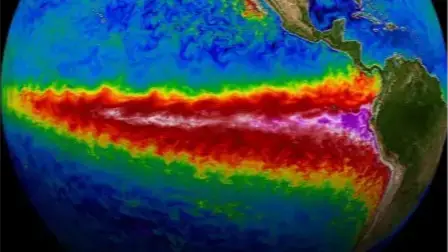
The weather phenomenon is currently forming in the Pacific Ocean and is threatening to cause catastrophic damage through disasters such as droughts, heatwaves, wildfires and floods.
Although the impact in the UK is likely to be a little less severe, it seems as if heat waves might become more prevalent, while temperatures in the winter may also be harsher.
With bank holiday Monday expected to see temperatures of over 30 degrees, even in the north of England, the government are now also discussing the potential of making it illegal to work when its too hot.
Advert
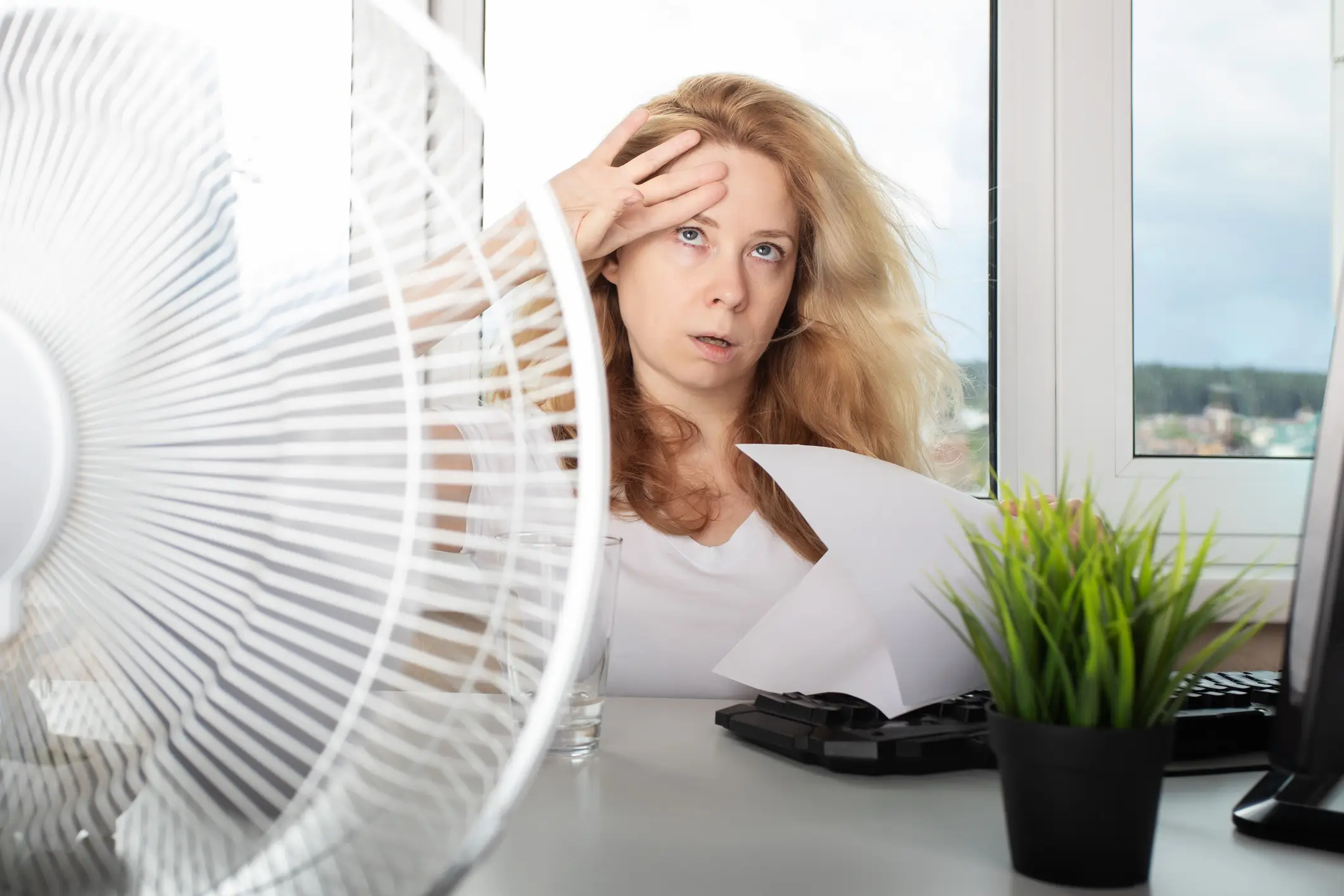
There's nothing worse than being in the office staring at a screen in sweltering heat while the sun is shining outside but it's not just the damage on our mental health or the fact that we should be in a pub garden that the government are contemplating as factors in banning work days when the weather becomes too hot.
The Climate Change Committee (CCC) has said that rolling out air conditioning in schools and hospitals should be one of the government's top priorities.
While the government insisted that it was already aware of the threat of climate change and has invested in flood defences, Baroness Brown (Julia King), suggests that previous governments have performed woefully when it comes to tackling the present and future threats of climate change in the UK.
"We need to recognise that there are aspects of our British way of life which are now really under threat from climate," she said.
"It's not rocket science - we know what to do [… but] we haven't yet seen a government that's prepared to prioritise adapting to the change of climate [... and] protecting the people and the places that we love," she added.
If maximum temperature rules are brought in for workplaces, it would encourage more to invest in the cooling technologies, rather than just forcing employees to work in ridiculous heat.
"It's a very sensible thing to do because we know that productivity drops very significantly when the weather gets very hot and we know that people become more prone to making mistakes and to having accidents," said Baroness Brown.
It's not just adults who might benefit, as the Baroness also reckons that the school schedule should change so that kids aren't sitting their most important exams in the heat of the summer.
Personally, my school had radiators that only functioned in the summer and couldn't be turned off, so I definitely would have appreciated not trying to remember Pythagoras' theorem while sweating profusely.
Although the UK is traditionally colder than other spots in Europe, heatwaves are likely to be common during the proposed two-year period of Super El Nino, and the Earth is only getting hotter.
In other countries across Europe, these rules already exist, with Spain making it illegal to work in offices which are hotter than 27 degrees, while Montenegro stops all work entirely when temperatures exceed 36 degrees.
The CCC does not suggest a maximum temperature for the UK but did point towards Spain as an example.
Topics: El Niño, Weather, Environment
 James Moorhouse