FIFA proposes sudden World Cup rule change just days before knockout games due to start

The 2026 World Cup is shaping up to be a tournament of firsts, as FIFA are contemplating a rule change ahead of the knockout round.
So far, we've seen highly controversial hydration breaks, Paraguay's Miguel Almirón sent off for covering his mouth during a confrontational moment and a major shake-up in the final standings during the group stages.
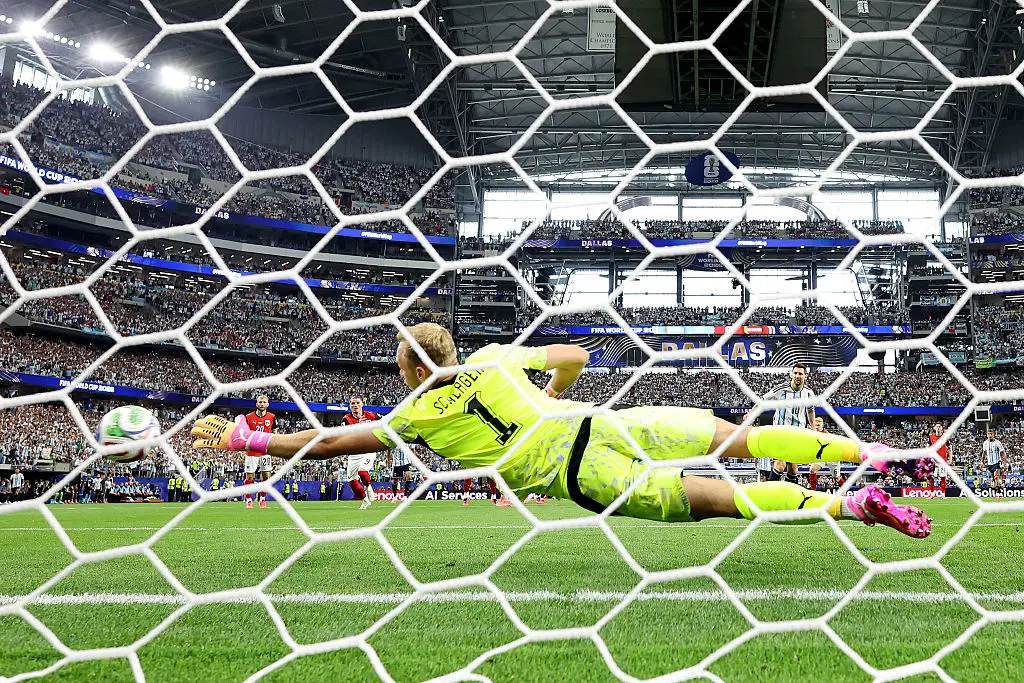
However, it would appear that FIFA isn't done with experimenting just yet, as the football body is reportedly weighing up changing how penalty shootouts are decided.
How could FIFA change penalty shootouts?
Currently, the captains of both teams will participate in a coin toss ahead of the shootout, one to determine who goes first and one to determine which end of the pitch it's taken at.
Advert
However, a report by The Times has suggested this rule could be modified, replacing the two coin tosses with one.
The winner of the coin toss gets to choose either:
- Taking the first spot kick
- Taking penalties in front of their own fans
Whichever decision the winning team doesn't pick will be decided by the other side.
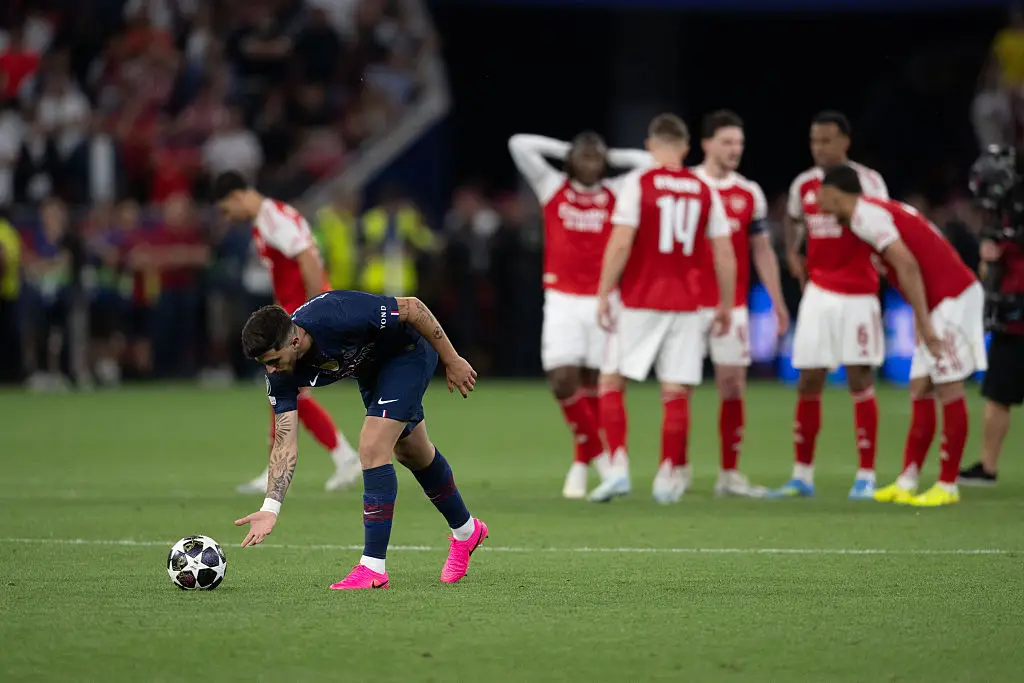
It's believed the rule change will allow for a fairer penalty-taking situation, as two coin tosses mean that one side could, in theory, be handed two advantages when it comes to deciding the game. This is what happened to Paris Saint-Germain during the recent Champions League final, with the French team able to kick first at their end after winning both coin tosses against Arsenal.
The report adds that FIFA and the International FA Board (Ifab), football’s law-making body, are currently in discussions over the matter. A decision is expected to be made ahead of the first World Cup knockout match, which takes place on Sunday.
New rules for the FIFA World Cup 2026
This year, there’s been a whole host of rule changes, many of which are designed to speed up the game and penalise players who drag things out. Some of the new regulations are likely to prove controversial.
10-second substitution
Subbed players now have to get a move on and leave the pitch within ten seconds by the nearest exit point. If they haven’t, their replacement will get held up by one minute until the next stoppage of play, and until then, their side will have to play with 10 men.
5-second throw-ins and goal kicks
If a referee thinks a player is taking too long for a throw-in or goal kick, they’ll start a five-second countdown, by which time the ball needs to be back in play. If it’s not, for throw-ins the opposing team will get their own throw-in, or for a goal kick the other side gets a corner.
Injured players to remain off the pitch for one minute
An injured player treated by medical staff off-field has to stay off the pitch for one minute, leaving their side with just 10 players.
More VAR
VAR can now be used to review an incorrectly awarded corner kick; second yellow cards resulting in a red card; when a player is incorrectly awarded a yellow or red card for another player’s actions; and any attacking fouls that occur before the ball is in play.
Players can’t cover their mouths
Players who cover their mouths in confrontational situations will be handed a red card. It’s believed players might cover their mouths to guard against lip readers while racially abusing other players, which some suspect has happened in the past.
Red cards for players leaving the pitch
Any player who leaves the pitch in protest over a referee’s decision will be handed a red card, and if a team walks off and causes a match to be abandoned, they’ll forfeit the game.
 Brenna Cooper