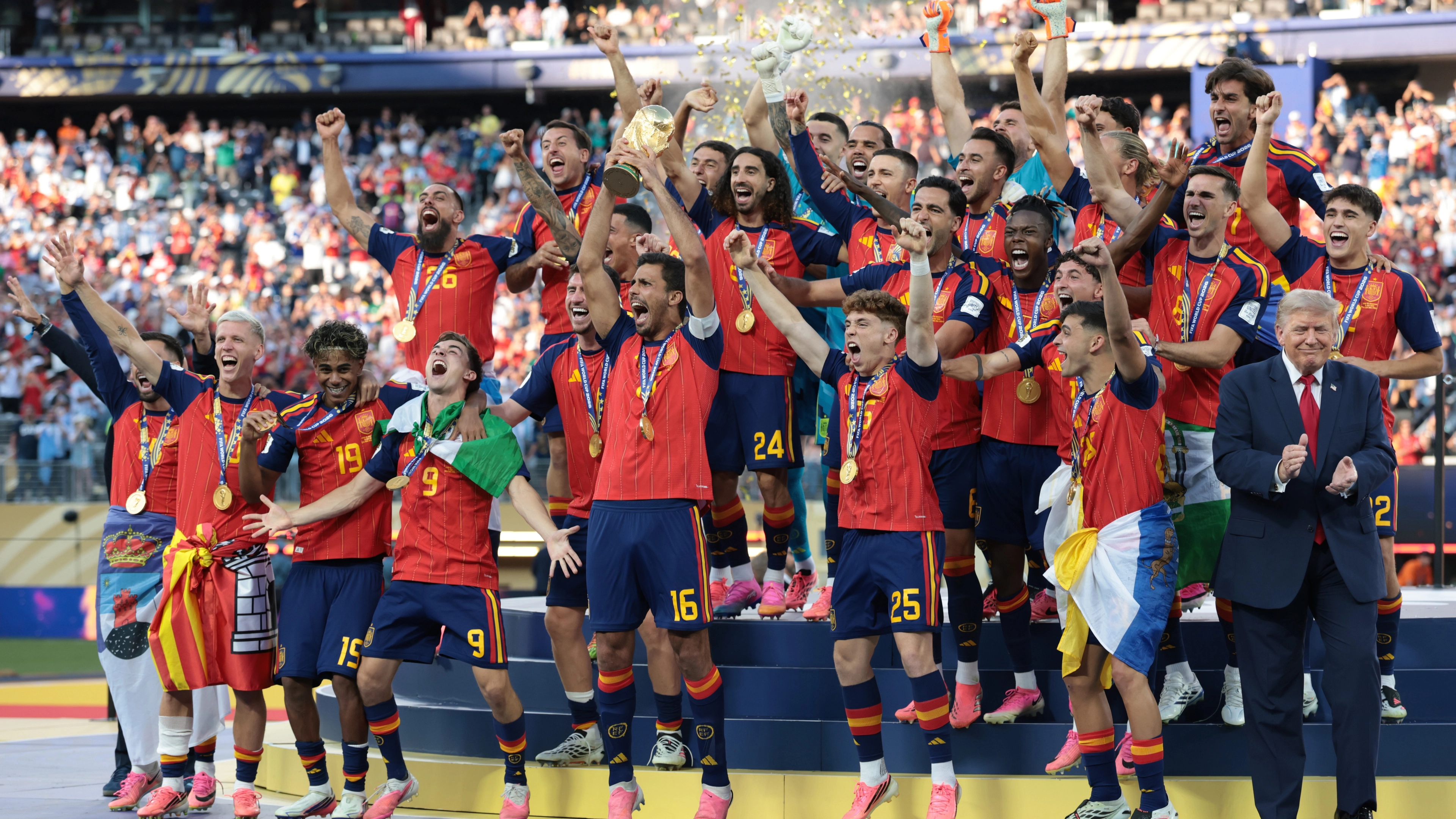
Here's how much prize money every team earned from the 2026 World Cup

After almost six weeks and more than 100 games and 300 goals, the 2026 World Cup is officially over.
And what a tournament it was, with plenty of drama on and off the pitch to keep fans on the edge of their seats.
From President Donald Trump’s unprecedented call to have a red card ban revoked, to Argentina sparking outrage with a banner, it’s safe to say it’s been a real roller coaster.
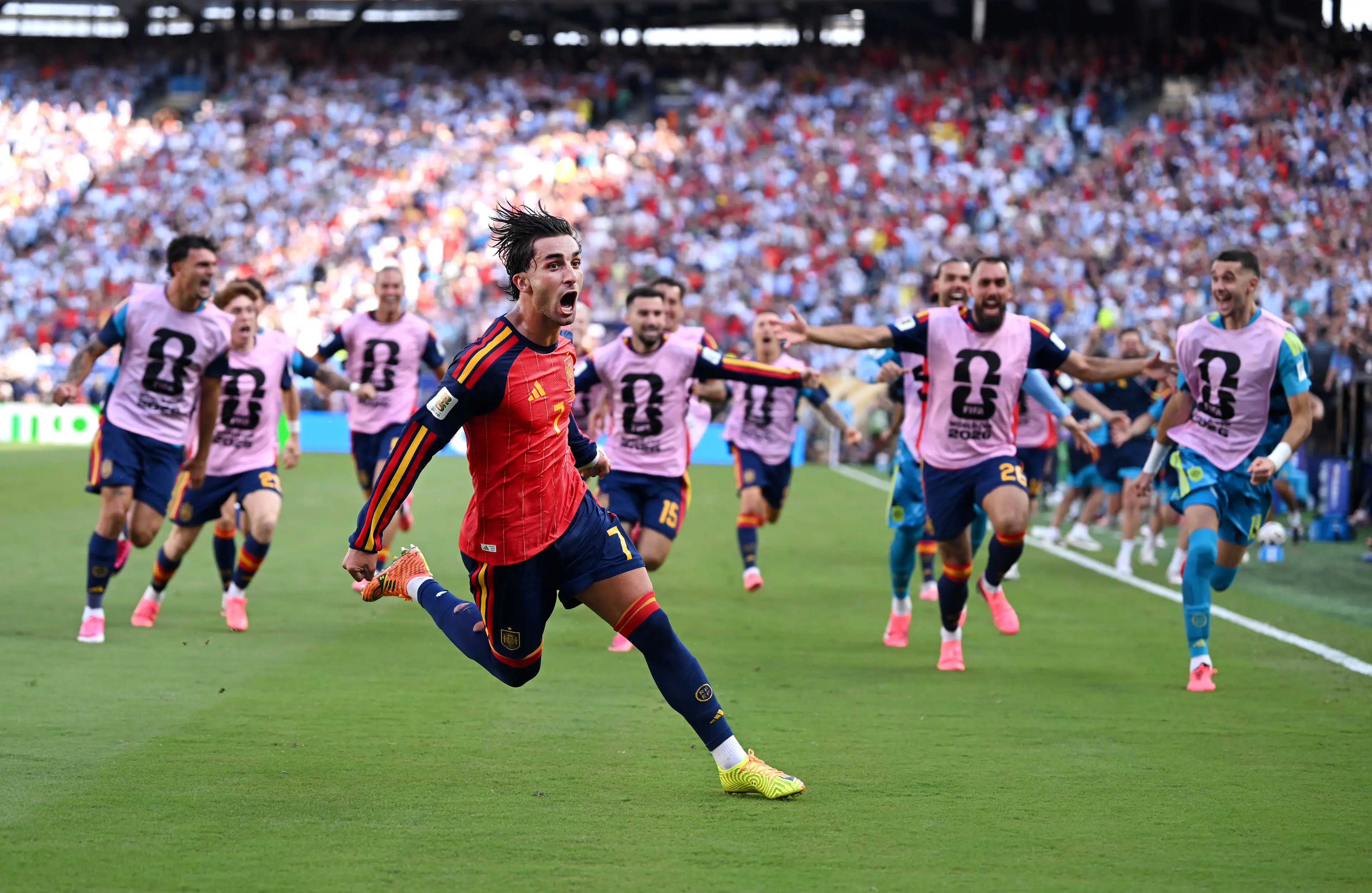
Spain beat Argentina 1-0 to be crowned the winners, thanks to a goal in extra time from Ferran Torres.
Advert
The tournament doesn’t just come with bragging rights, medals, and the coveted trophy, there’s also a pretty sizeable prize pot on offer - and no teams go home empty-handed.
The World Cup prize pots
According to FIFA, this year’s competition came with a record-breaking prize fund of $871 million (£648m), more than double the prize pot for the 2022 Qatar World Cup.
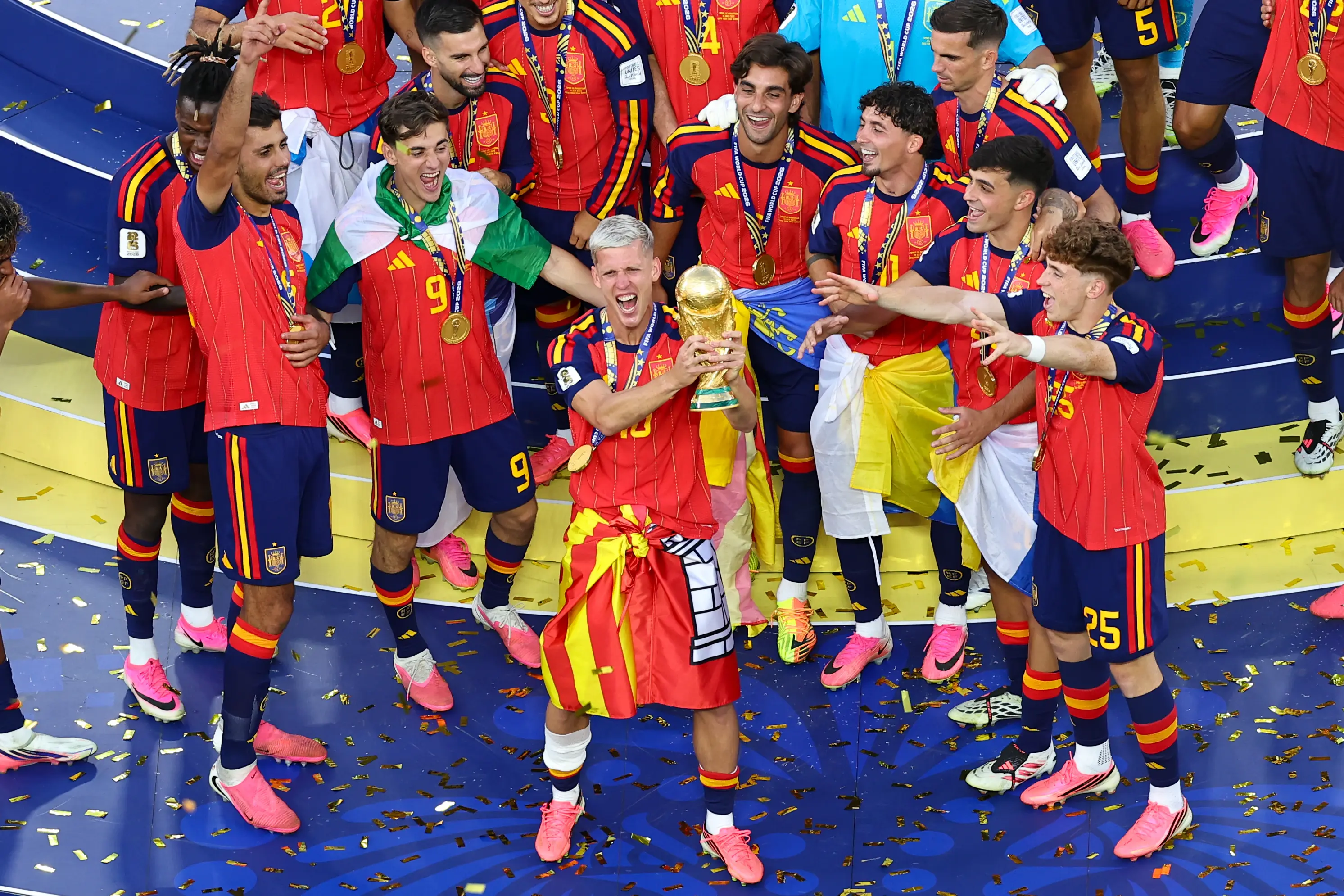
How much each team received is down to how well they did during the competition.
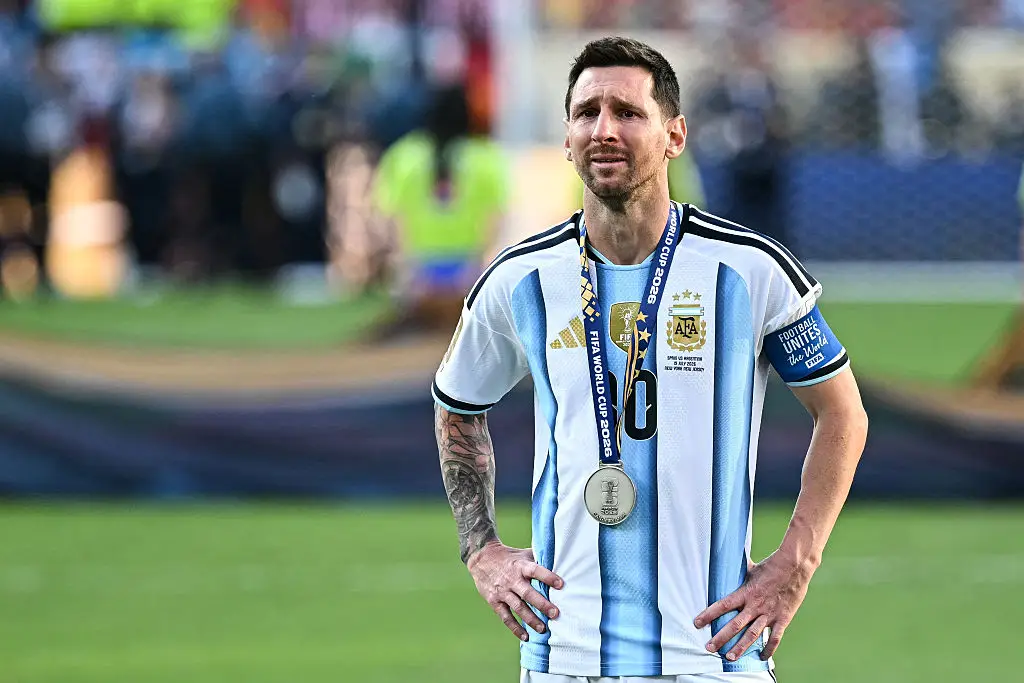
Winners Spain will receive $51 million (£39m), with runners-up Argentina getting $33 million (£25m).
How much will the England team get?
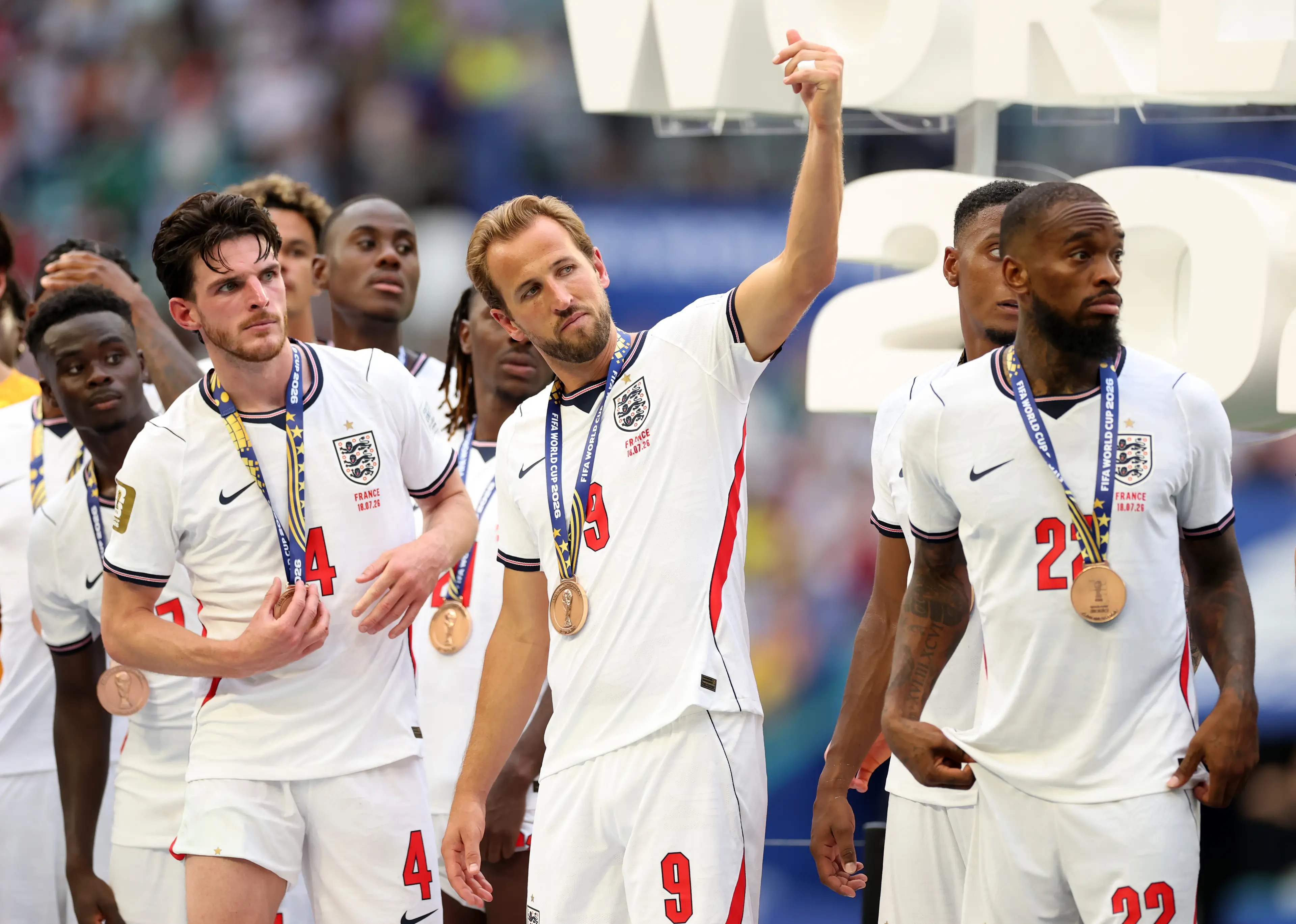
England, who finished third after an incredible game against France at the weekend, will receive $30 million (£22m), while Les Bleus will be given $28 million (£21m).
Quarter-finalist teams, who finished fifth to eighth and include Norway, will get $20 million (£15m) apiece.
The round of 16 teams, finishing ninth to 16th, get $16 million (£12m), and round of 32 squads, who finished 17th to 32nd, will get $12 million (£9m).
None of the 48 teams that qualified leave with nothing, and even those who didn’t make it out of the group stage pocketed $10 million (£7m) each.
Alongside that, FIFA confirmed that all qualifying teams would also receive a $2.5 million (£1.8m) fee to cover preparation costs.
“The FIFA World Cup 2026 will also be groundbreaking in terms of its financial contribution to the global football community,” FIFA President Gianni Infantino said last December.
According to CNBC, FIFA also covered the cost of business‑class return flights for each team plus board and lodging for a 50-person delegation, which included the players and staff.
Domestic travel around the host country, or in this year’s case host countries, was also included with FIFA laying on a ‘dedicated fleet of vehicles, including an equipment truck’ for the competing teams to get to matches.
However, the prize money doesn't go directly to the players.
FIFA hands it over to each national's football federation, which then determines how it is split among players, coaches and development programs according to its own policies and rules.
The final hosted a very famous crowd, with stars including Matt Damon, Beyoncé and Jay-Z, Mick Jagger, Kylie Jenner and Timothée Chalamet all being snapped watching the game, alongside a rather bewildering half-time show.
While the game itself wasn't exactly a nail-biter, things became heated after the final whistle.
Argentina’s Leandro Paredes was spotted throwing 'haymakers’ and the squad was branded a ‘disgrace’ after turning their backs while Spain were lifting the World Cup trophy.
Where is the next World Cup?
Morocco, Portugal and defending champions Spain will co-host the FIFA World Cup in 2030, marking the football tournament’s 100th anniversary.
It’s set to run from 8 June 2030 to 21 July 2030, making it the longest World Cup in history at 44 days.
FIFA also announced that three separate matches will take place in Argentina, Paraguay and Uruguay, as a tribute to the first-ever World Cup back in 1930.
All six host nations will automatically qualify, which means we'll definitely be seeing Morocco, Portugal, Spain, Argentina, Paraguay and Uruguay in at least the group stages.
In Spain, matches will take place in Barcelona, Bilbao, Las Palmas, Madrid, San Sebastian, Seville, Valencia, Vigo and Zaragoza.
In Portugal, stadiums in Lisbon and Porto have been earmarked, while the games in Morocco will be played in Agadir, Casablanca, Fez, Marrakesh, Rabat and Tangier.
Plus the three special opening centenary games will be played at the Estadio Monumental in Buenos Aires, Argentina; the Estadio Centenario in Montevideo, Uruguay; and the Estadio Osvaldo Dominguez Dibb in Asuncion, Paraguay.
 Claire Reid