
Government warning over online supplements after woman left brain damaged from £5 product

A government warning over buying supplements online has been highlighted after a mum was left with significant brain damage following a medical emergency linked to a herbal product.
Lois Kinder, 44, had been taking gummies containing ashwagandha after coming across the supplement on social media, where products containing the herb are regularly promoted in connection with relaxation and symptoms associated with perimenopause.
The mum-of-two, from Lymm, Warrington, was reportedly taking and selling ashwagandha-based products for around a year, which can be bought for around £5 online or in shops.
However, in July, Lois developed jaundice-like symptoms before being found unresponsive at home by her 19-year-old daughter Imogen.
Advert
She was rushed to hospital, where doctors discovered she had suffered acute liver failure. Lois was later placed on the super-urgent transplant list and received a donor liver on July 22.
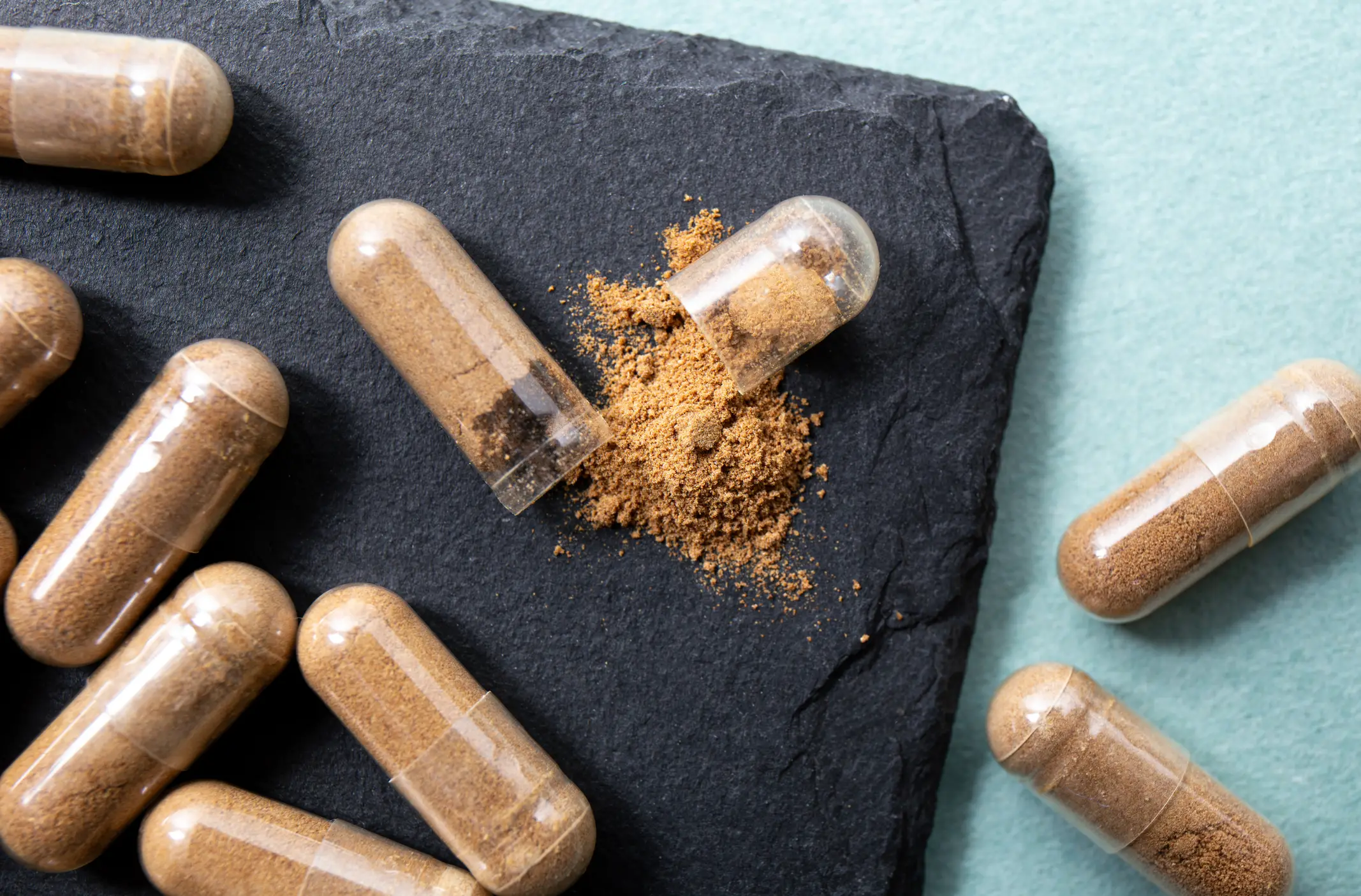
Unfortunately, during the operation, she suffered three cardiac arrests after a blood clot blocked the main artery to her lungs.
The complications deprived her of oxygen for a prolonged period and left her with significant brain damage.
Following the initial report on Lois' condition, official guidance from the Food Standards Agency has put renewed focus on the risks around buying supplements online.
The FSA states: "Only buy food supplements over the internet if you are confident that the business is reputable."
It adds: "Be especially careful if buying food supplements from online marketplaces where it may be more difficult to know who is selling the product and where it originates."
The agency also advises people to be wary of counterfeit supplements, particularly when a product is being sold at a much lower price than elsewhere.
Consumers are also told to check whether health claims made about products are authorised.
The warning is particularly relevant in Lois' case, with her husband Ollie saying doctors believed the ashwagandha supplement had caused her liver problems.
He said: "When the doctors ran tests, one of the first things they asked us was if she was taking pills containing ashwagandha, which they later said they believed had caused the liver problems.
"They said there have only been 70 cases of livers failing following prolonged use of the pills.
"I want to spread awareness and warn people that even if you think the supplement you are taking is safe, there can still be serious health consequences."
Ashwagandha has been linked to problems in the last couple of years. However, according to researchers at LiverTox, the exact link between the two hasn't been established yet. So, whilst ashwagandha is believed to be the 'main cause' of Lois' liver failure, it is still being investigated.
The FSA also advises people to always read labels and follow warnings, instructions, and recommended daily dosages.
Its guidance states: "Do not take more than the recommended dose, as this can potentially lead to side effects such as nausea and headaches."
Anyone who becomes unwell after taking a supplement is advised to stop using it immediately and contact a healthcare professional.
Separate government guidance also lists a number of herbal ingredients which are banned or restricted in the UK, meaning you should be wary if any are spotted in online marketplaces — including kava-kava, ephedra, yohimbe bark, and certain Aristolochia products.
 Ben Williams