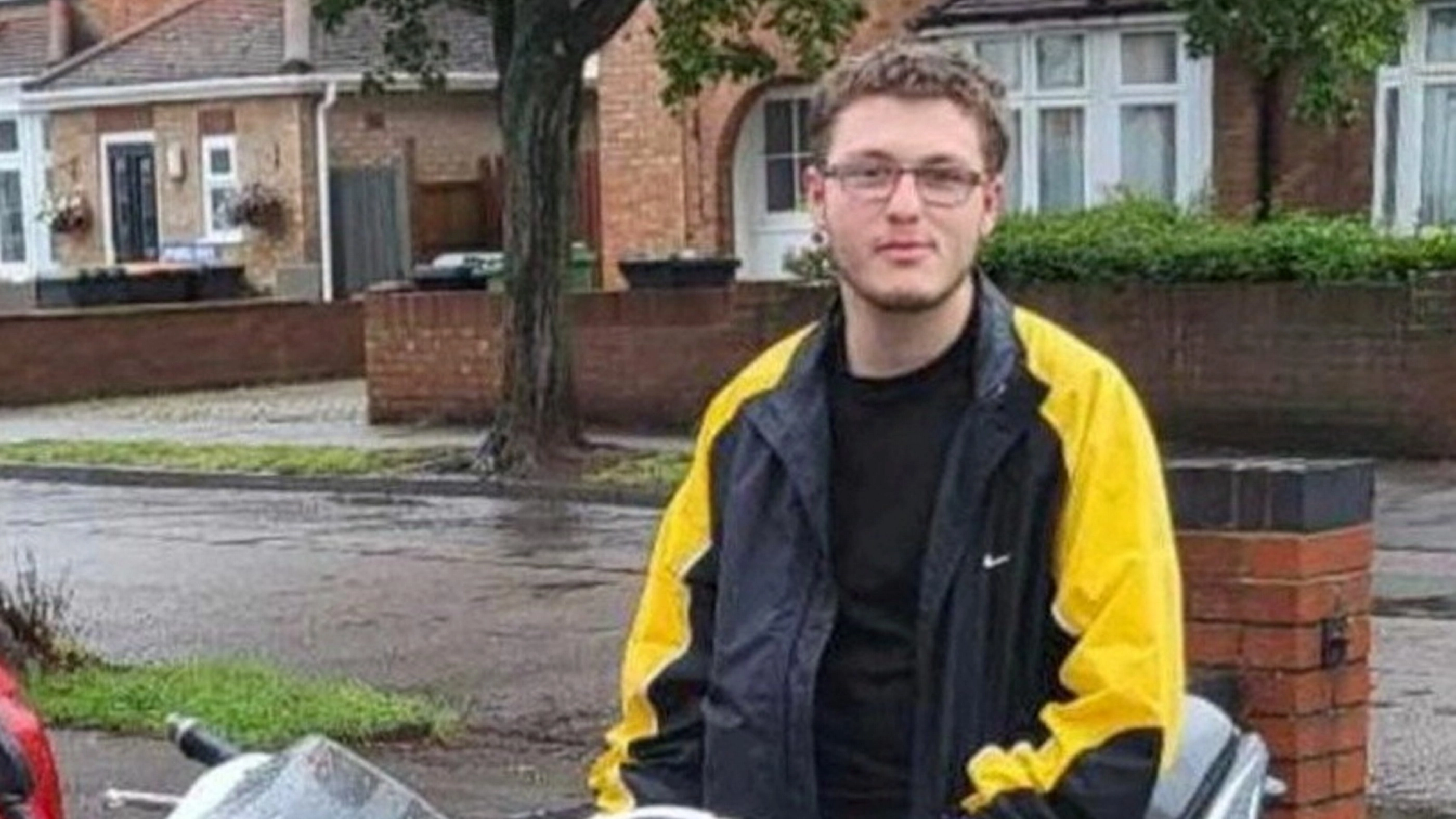
Woman issues heartbreaking warning after late brother's brain tumour misdiagnosed as ear infection

A woman is warning that more funding for research into brain tumours is needed after her brother died from one just weeks after being misdiagnosed with an ear infection.
21-year-old Tyler Morton felt like he had an earache back in January, then the left side of his face went numb and he struggled to walk.
Tyler was taken to the hospital and misdiagnosed with an ear infection, he was sent home with antibiotics but they didn't improve his condition and he got worse quickly.
Being sick and losing function on the left side of his body, the Bedford artist went back to hospital and a CT scan showed he had a lesion on his brain, with a biopsy leading to his diagnosis of grade 4 glioblastoma, an incurable brain tumour.
Advert
Tom died on 25 March just a few weeks after he started suffering from symptoms, and his sister Ella, 19, said she felt more could have been done for her 'amazing older brother' if the tumour had been caught sooner.

"I knew you could get cancer everywhere in the body, but I didn't realise how badly it affects you if it’s in the brain. There are very limited treatment options compared to other cancers," Ella explained, as doctors had told her brother he wouldn't be able to undergo treatment.
"I was so angry and upset that we hadn't found out he had a brain tumour sooner. I definitely think a lot more could have been done for him.
"We were told Tyler couldn’t have any treatment because his body wouldn’t have been able to handle it.
"If they had found it sooner, he probably would have had the chance to have chemotherapy. At least that would have felt like we tried. More government funding for research is vital if we are to find a cure for brain tumours.
"What happened to Tyler was such a traumatising experience and I don't want anyone else to go through that."
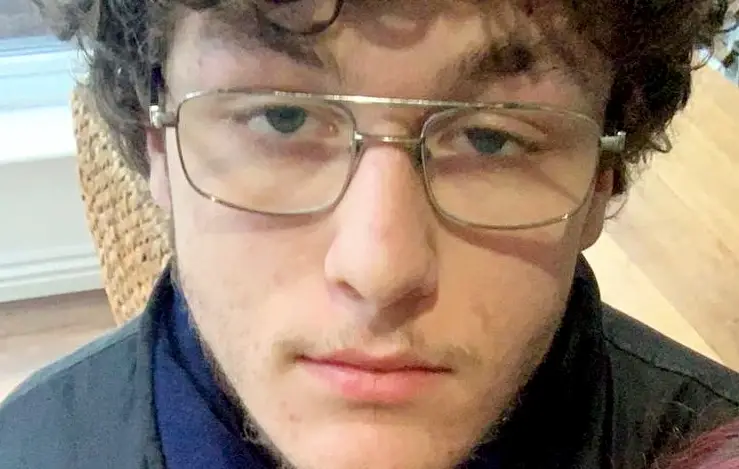
She's since been raising money for the charity Brain Tumour Research as part of Glioblastoma Awareness Week (13-19 July), by covering a distance of 200k in the month of May.
It's an aggressive kind of brain cancer without a known cure, in the UK around 3,200 people are diagnosed each year and the average survival period after diagnosis is between 12 and 18 months.
Ella said that in the span of three weeks her brother had gone from walking and talking to the point 'he couldn't do anything himself' and 'was just a body at that point'.
"Tyler was discharged from hospital to basically pass away at home," the 19-year-old explained.
Ella said that 'everything happened so quickly' and she was 'distraught' to lose her brother, who was 'funny and kind – the sort of brother I went to for anything'.
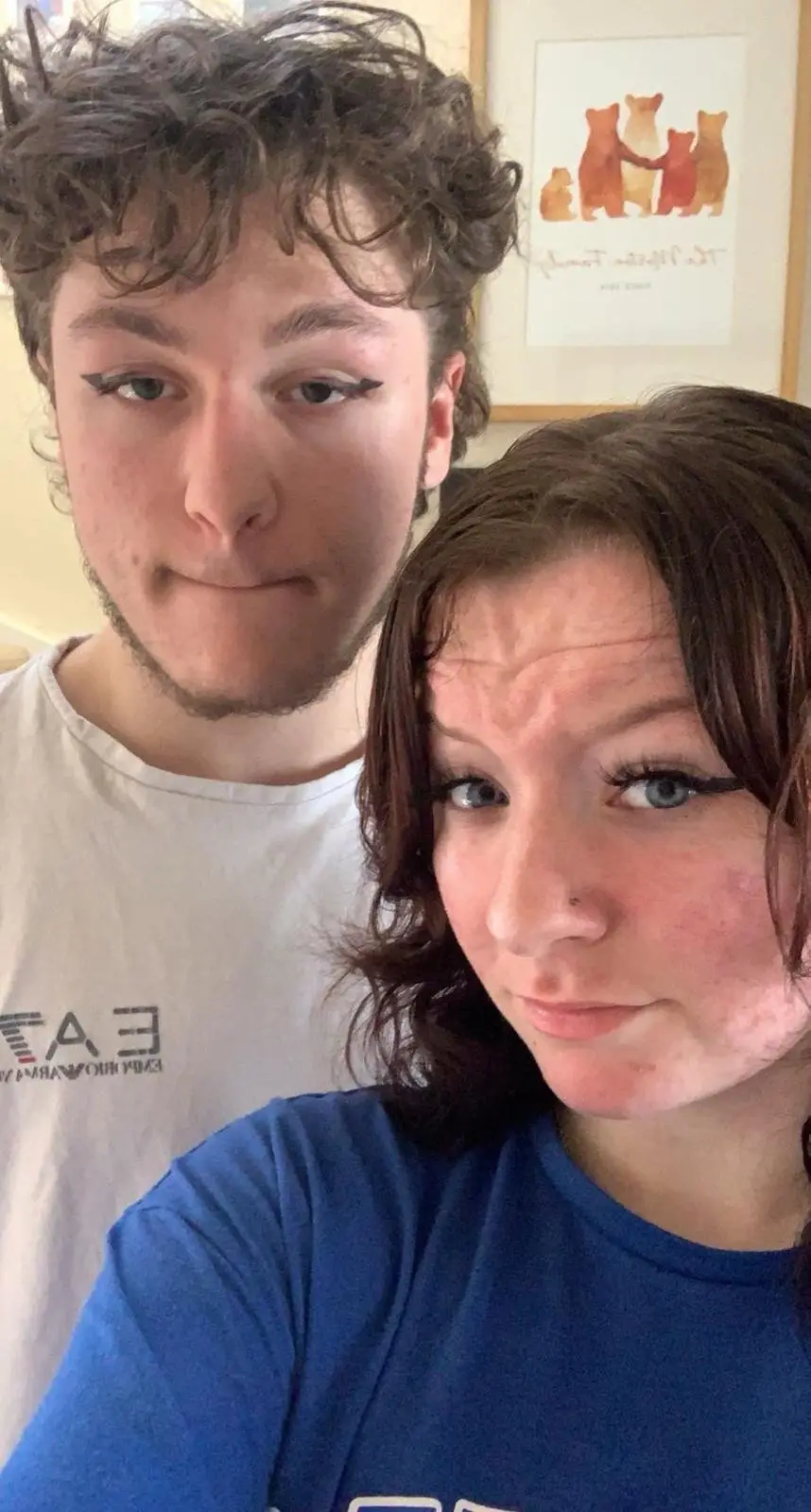
She said they had been 'inseparable' and had both lived with their nan.
Brain Tumour Research said that more children and adults under 40 are killed by brain tumours than any other cancer, but since 2002 just one percent of national spending on cancer research had gone to brain tumours.
Dr Karen Noble, director of research and policy at Brain Tumour Research, said: “Tyler’s story reflects the devastating reality faced by so many families across the UK.
"We are calling on the Government to increase the national investment in research into brain tumours, including glioblastoma.
"We need to also see an increase in the number of clinical trials, and access to them, in the UK, and we want to end inequalities in access to whole genome sequencing that could inform access to trials and emerging treatments.”
 Joe Harker