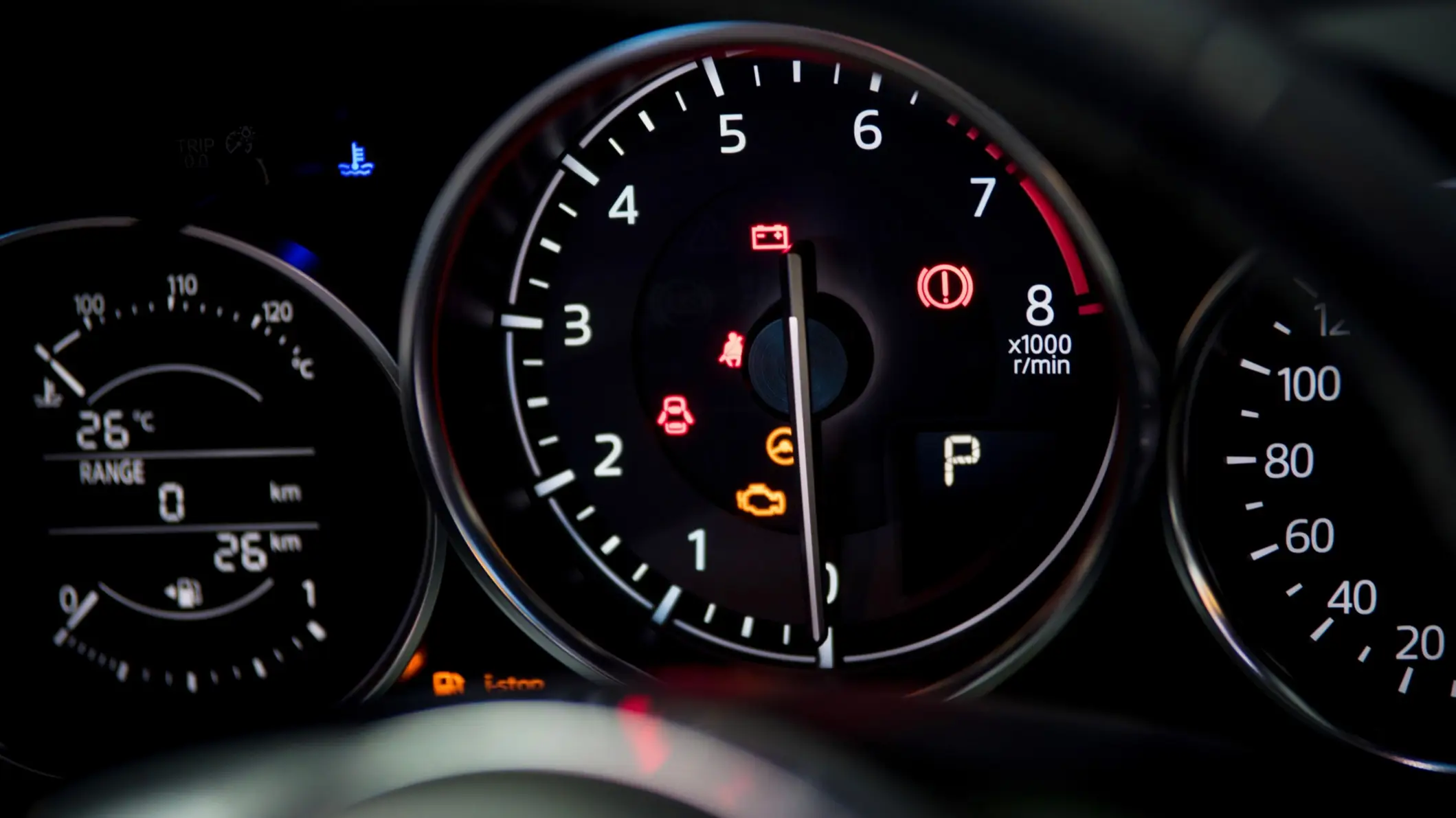
Three car warning lights you should never drive on as busy Easter bank holiday weekend arrives

With the Easter weekend being the perfect time to get away for a bit, at least for those of you lucky enough to be in jobs that get bank holidays off, the roads are going to be insanely busy.
According to the RAC there are going to be around 21 million Easter trips planned so there are lots of Brits who'll be stuck in their cars for a while.
The last thing you need with all that traffic is for your car to decide it no longer wants to be part of the Easter holidays and to break down, so make sure you're not ignoring your warning lights.
There are three main ones you need to be looking out for, though frankly if any of your warning lights are coming on when you drive you really shouldn't rely on the car being fine for long bank holiday journeys.
Advert
If the light coming on is red then you definitely need to stop.
The three warnings never to ignore
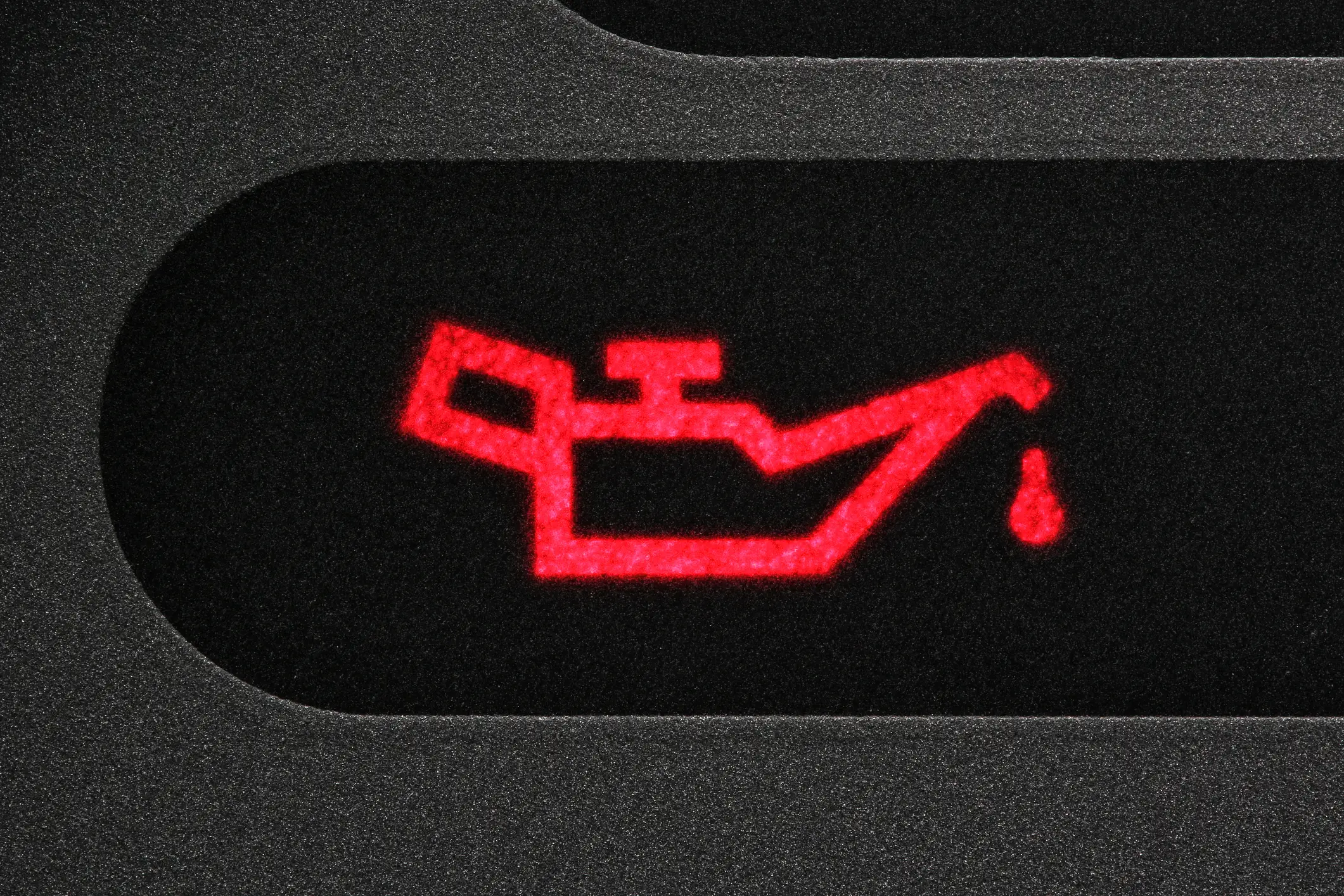
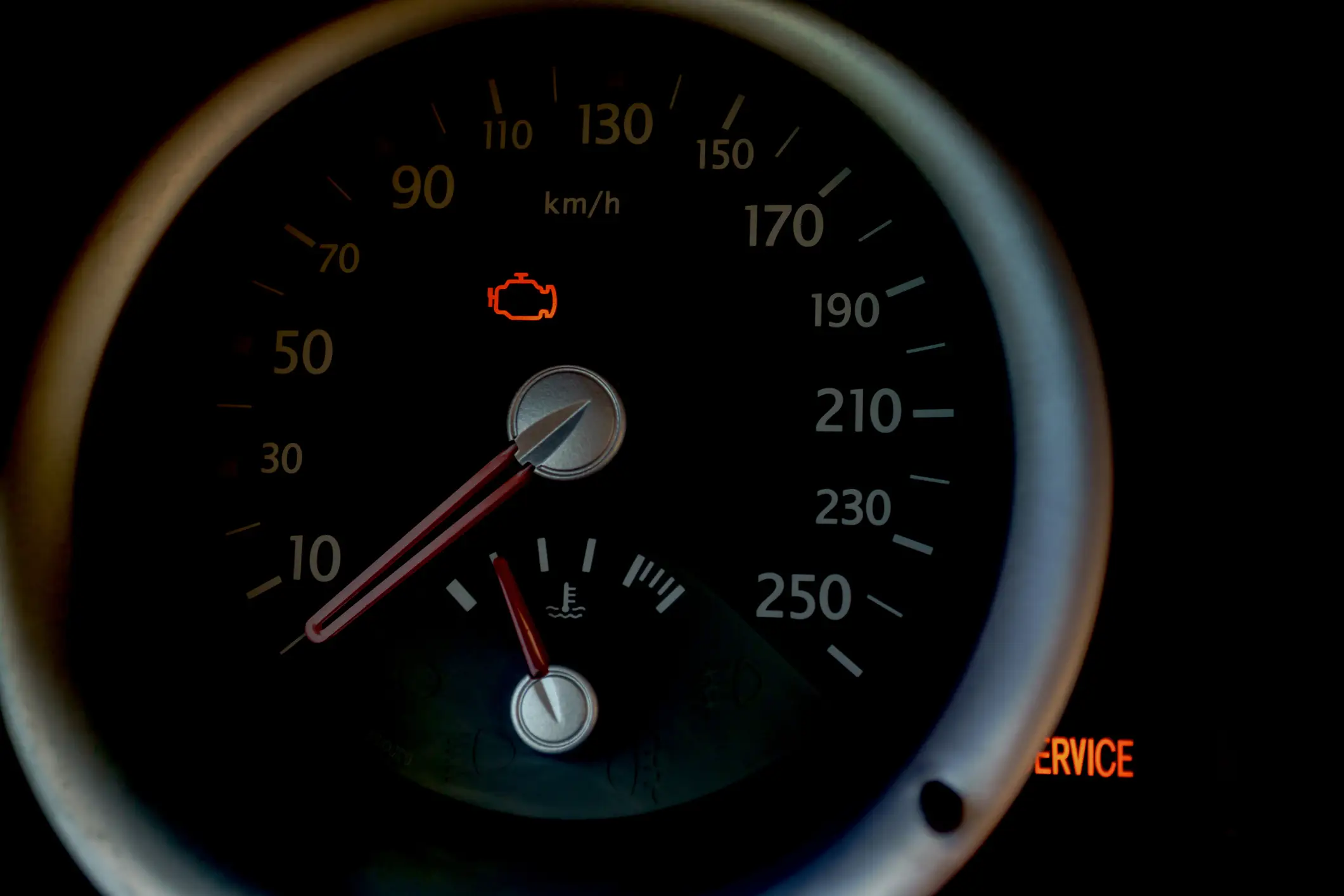
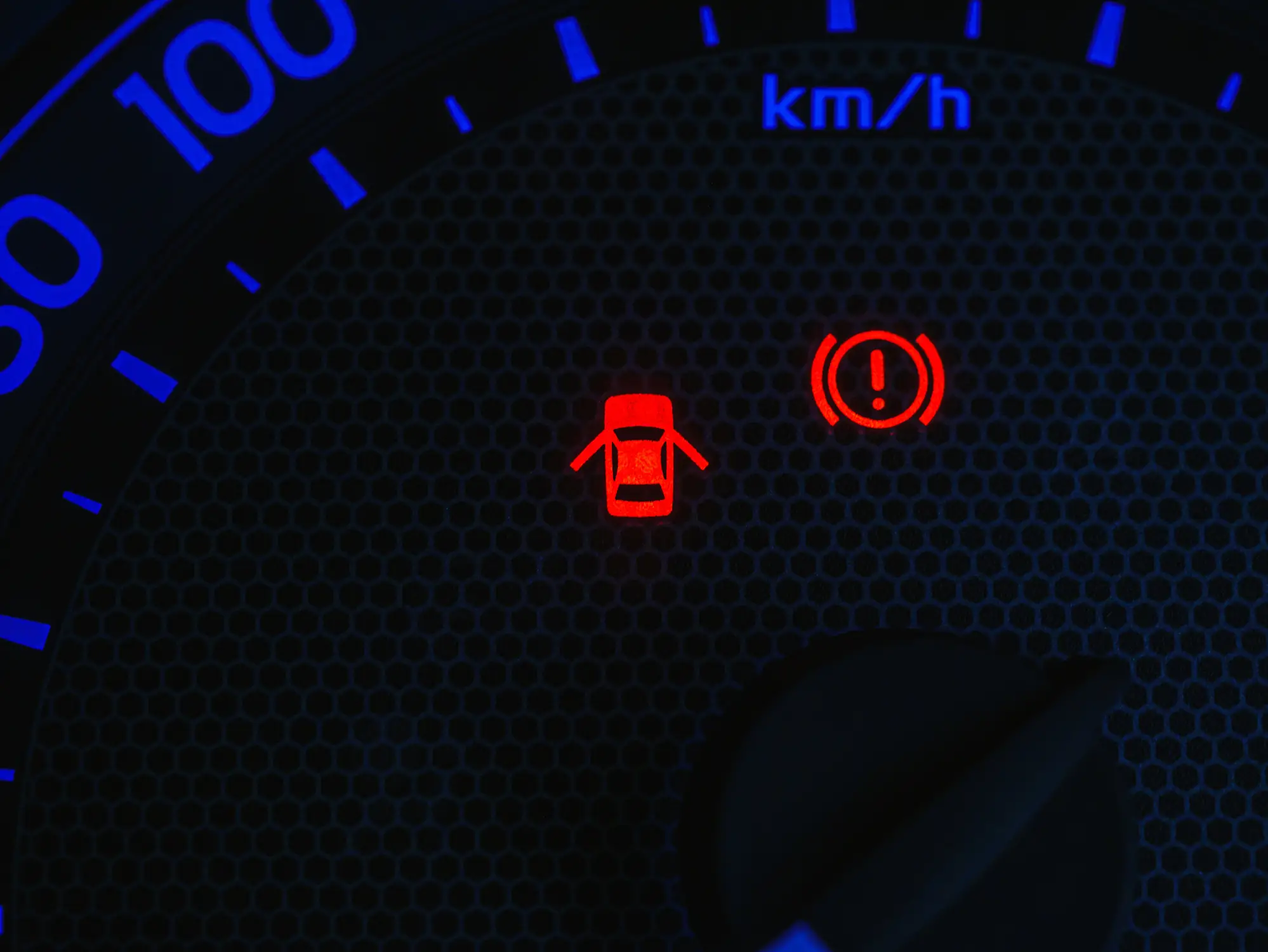
The big three never to overlook are your oil warning light, the 'check engine' light and your red brake system light.
The oil warning means that either the oil temperature in your car is too high or the oil level or pressure is too low, which means that your engine isn't being effectively lubricated by oil and it's about to go kaput.
According to the RAC you run the risk of 'expensive or even irreparable engine damage' if you keep trying to drive with it on.
If you're getting the 'check engine' light then, surprise, surprise, you'll need to check your engine or get someone who knows engines to check it for you.
The AA warns ignoring this one can result in a 'blown head gasket or a seized engine', so trying to drive with it on is inadvisable.
Meanwhile, if your brake system light is red then it likely means you have low brake fluid or worn out brake pads, and if you can't slow down properly your car becomes a deathtrap.
What to do with a red warning light
Red means bad so you should stop as soon as possible, if possible.
Typically the red warnings mean something has gone badly wrong and you need to stop at the next safe spot to get a professional looking at your motor.
Depending where you're driving, and especially if you're stuck in the middle of Easter traffic, this can be easier said than done.
The AA's advice in this situation is to 'drive as carefully as possible to get somewhere safe and have your vehicle checked at the earliest opportunity'.
They don't recommend driving 'more than a couple of miles' under such conditions and suggest it would be best if you 'avoid heavy acceleration and high engine speed'.
Pull over somewhere and turn off your engine.
The busiest Easter travel times
The RAC reckons traffic over the Easter bank holiday weekend will be busiest on Good Friday (3 April) as they expect around 3.3 million leisure trips will be taken.
Saturday and Easter Monday will be the next busiest days as around three million journeys are expected to be taken on those days, while 2.3 million motorists will take to Britain's roads on 2 April and on Easter Sunday.
On top of all that there are a predicted further 6.7 million journeys expected on the UK's roads from motorists who aren't yet sure when they're going to be travelling but do intend to get in the car and clog up the roads.
Their research reckons it's best to travel before 10am if you're setting off in the morning, after which the rush begins.
 Joe Harker