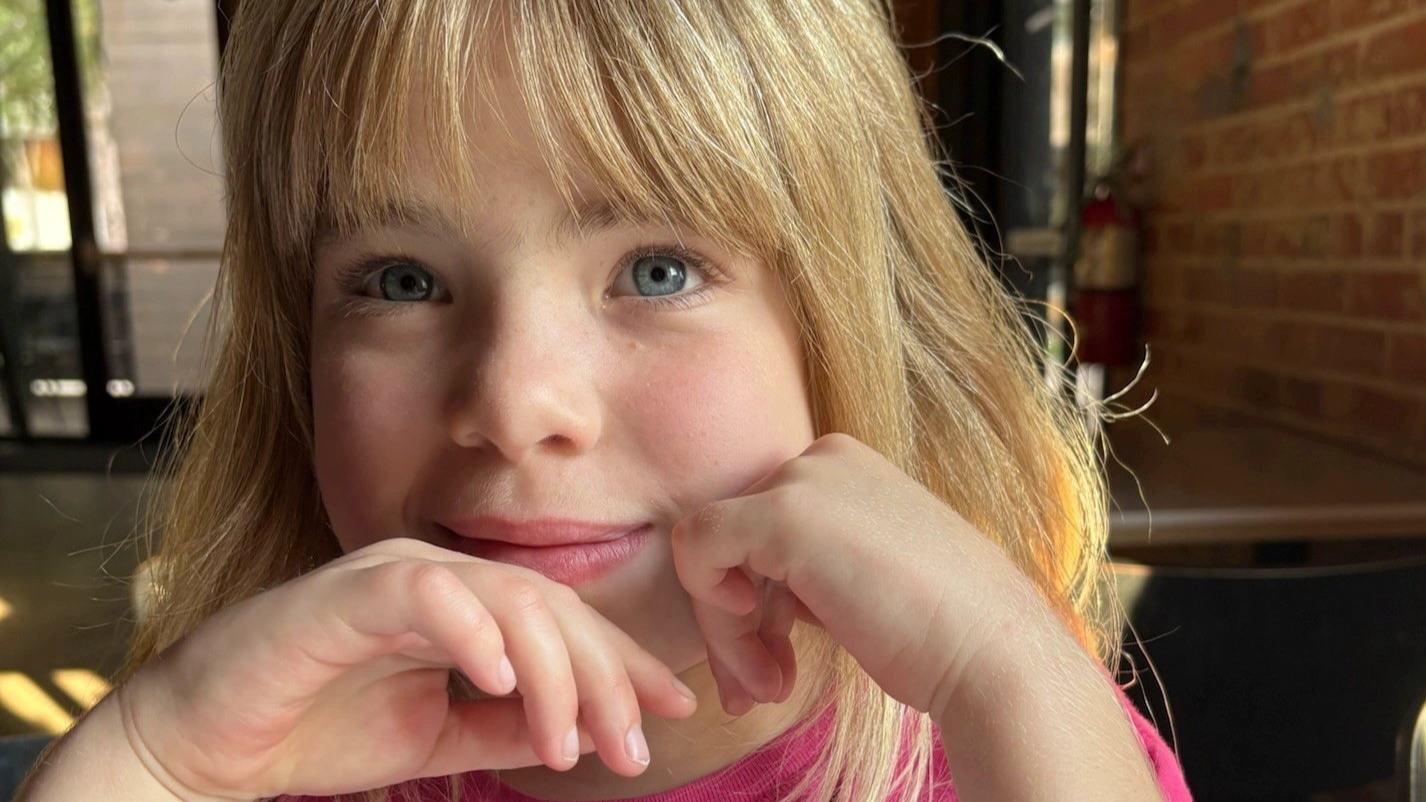
Mum reveals heartbreaking signs she missed before daughter was diagnosed with childhood dementia

A mum spotted telltale signs that her daughter was developing 'childhood dementia', when she was just five years old.
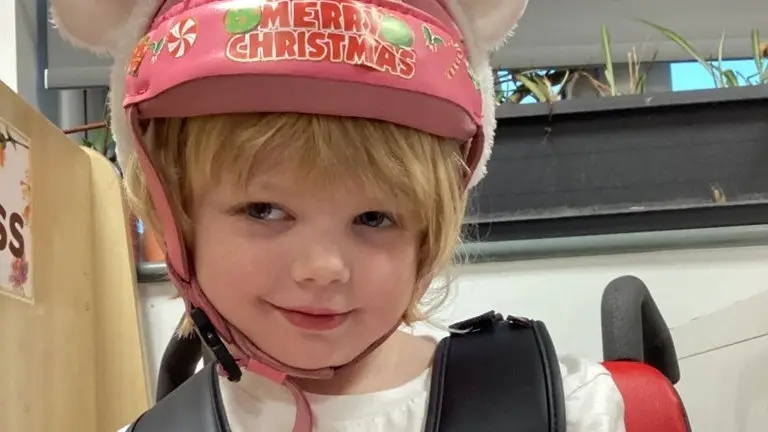
Elle Walline's parents David, 41, and Chelsea, 39, noticed that she wasn't developing in the same way as children her own age.
For example, Elle would speak just in sentences of between five and seven words, and they noticed that her memory was often patchy as she would struggle to remember stories.
Elle, who is now eight years old, went for neurological testing when she was five, after which she was diagnosed with cognitive impairment and autism.
Advert
Prior to this, her parents had found that when she had therapy to help her the more instructions she was given the more she would struggle.
Genetic testing would go on to reveal that she had a condition called Sanfilippo syndrome type C.
This a lysosomal storage disorder, with lysosomes being a part of our bodies' cells. The health condition causes progressive neurological and physical decline, and tragically there is currently no cure.
Her mum Chelsea, who works as an accountant in Michigan in the US, said: "One of the most obvious examples was when she was learning her ABC's; you could see how she would struggle to remember them.
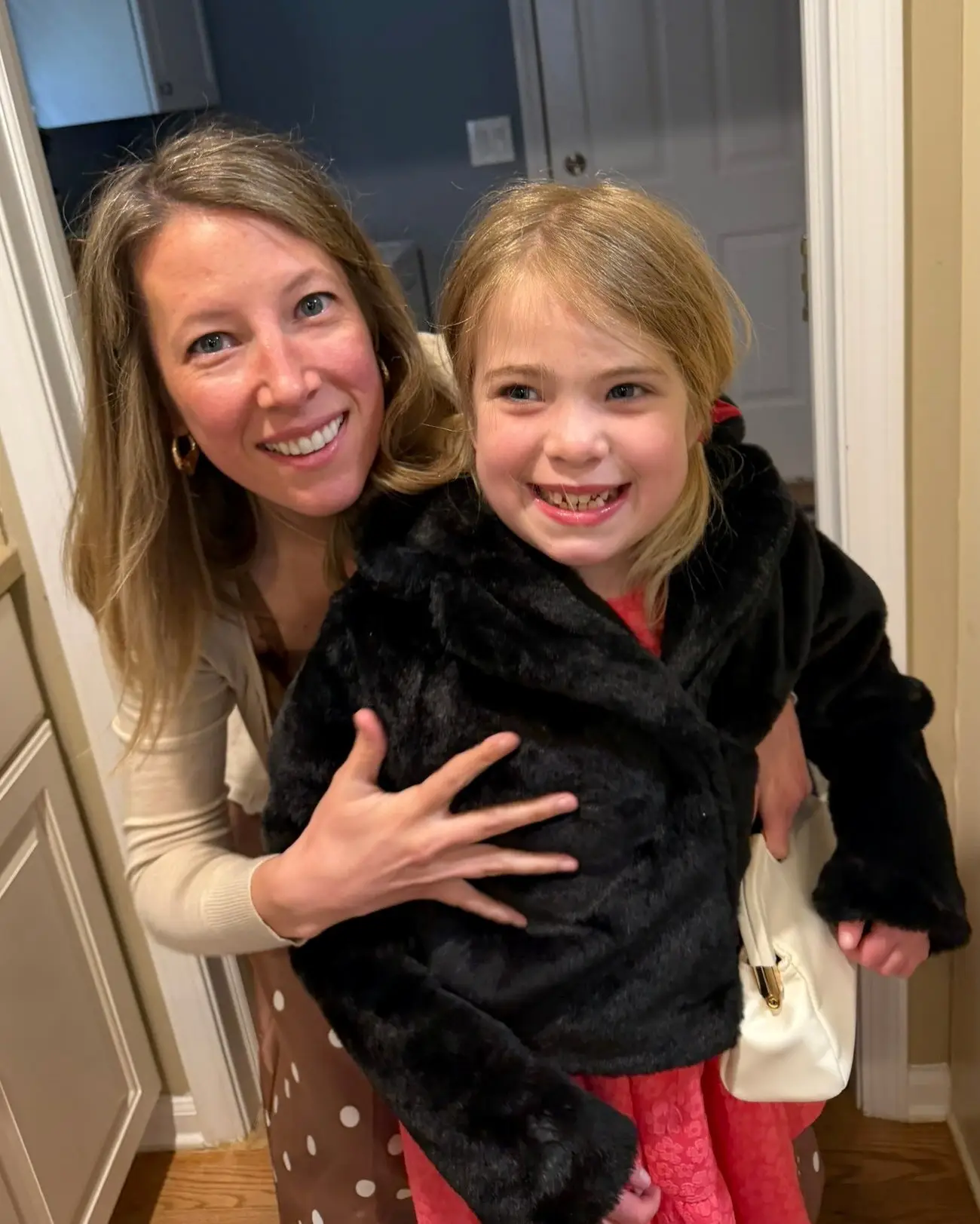
"If she was speaking, she would stop at five-to-seven-word sentences, and she wasn't able to repeat a basic story back to us."
She added: "When playing soccer, she would be running around the field, but looking closely, she wasn't kicking the ball.
"We enrolled her in physical therapy to help with those skills, but with more instruction, she wasn't able to learn."
David, a who used to work as a transaction advisor, said: "For us, the diagnosis made sense.
"We worked closely with the school to get to this point, and they were able to give her more support."
The parents said that the diagnosis left them 'blindsided', and they are now trying to raise $2.5 million to pay for a gene therapy which is 'promising'.
This treatment tries to create a copy of the faulty gene which causes Sanfilippo syndrome, which in turn allows the body to produce a missing enzyme.
However, at present the treatment has only been approved by the US Food and Drug Administration approval for Sanfilippo syndrome type A, not type C.
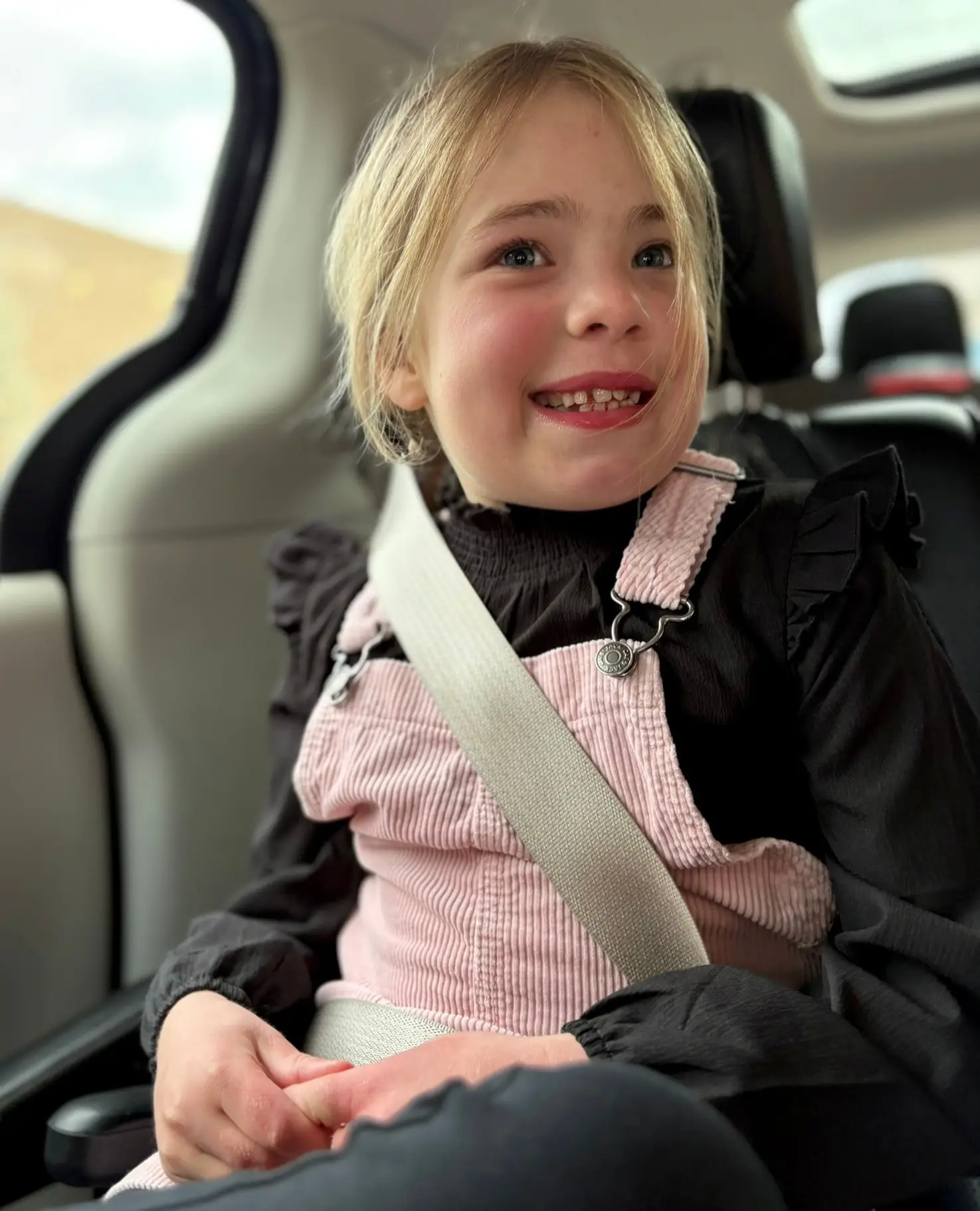
Chelsea recalled when they found out about the diagnosis.
"We were devastated; you just never think it will happen to your child," she said.
"It was a diagnosis that we didn't know much about.
"To hear a doctor tell you that your child's life expectancy will be into their teenage years, when they are already seven, is the most heart-breaking thing."
Despite the horrifying prognosis for the condition, David said they are still hopeful.
"We are hopeful that Elle will get treatment; if we weren't, I don't think we could do this," he said.
"Since Elle's diagnosis, we learned that there had been a lot of research going on over the last decade that is ready for clinical trials but needs funding.
"In theory, if we could get the money to them by Christmas, we could get Elle and the other type C children benefiting from this."
 Kit Roberts