Terrifying report justifies reason Brits are being urged to prepare 72-hour emergency kits as UK 'not ready for catastrophic risks'

A new report has laid bare just how 'underprepared' the UK truly is in the face of threats and has justified the reasoning for Brits being given vital '72 hour' warnings amid fears of possibly looming global catastrophe.
The National Resilience Committee just last week released a new report outlining the UK's resilience to threats, which urged the nation to 'move fast' in order to 'turn things around'.
It comes amid growing fears of potential attacks from the likes of Russia, China or Iran, such as the growing risk of cyberattacks on the UK, as well as vulnerabilities to power and energy.
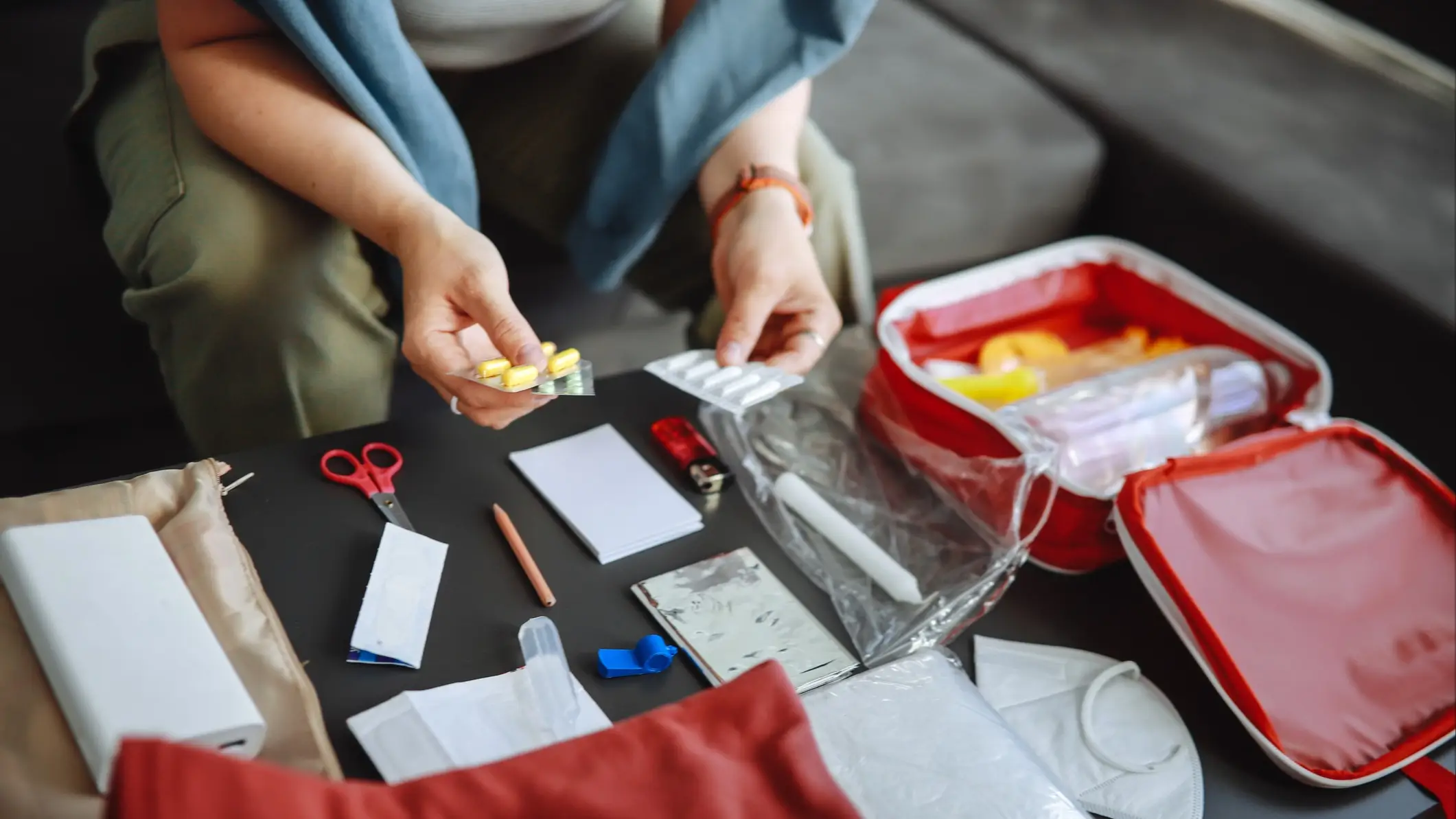
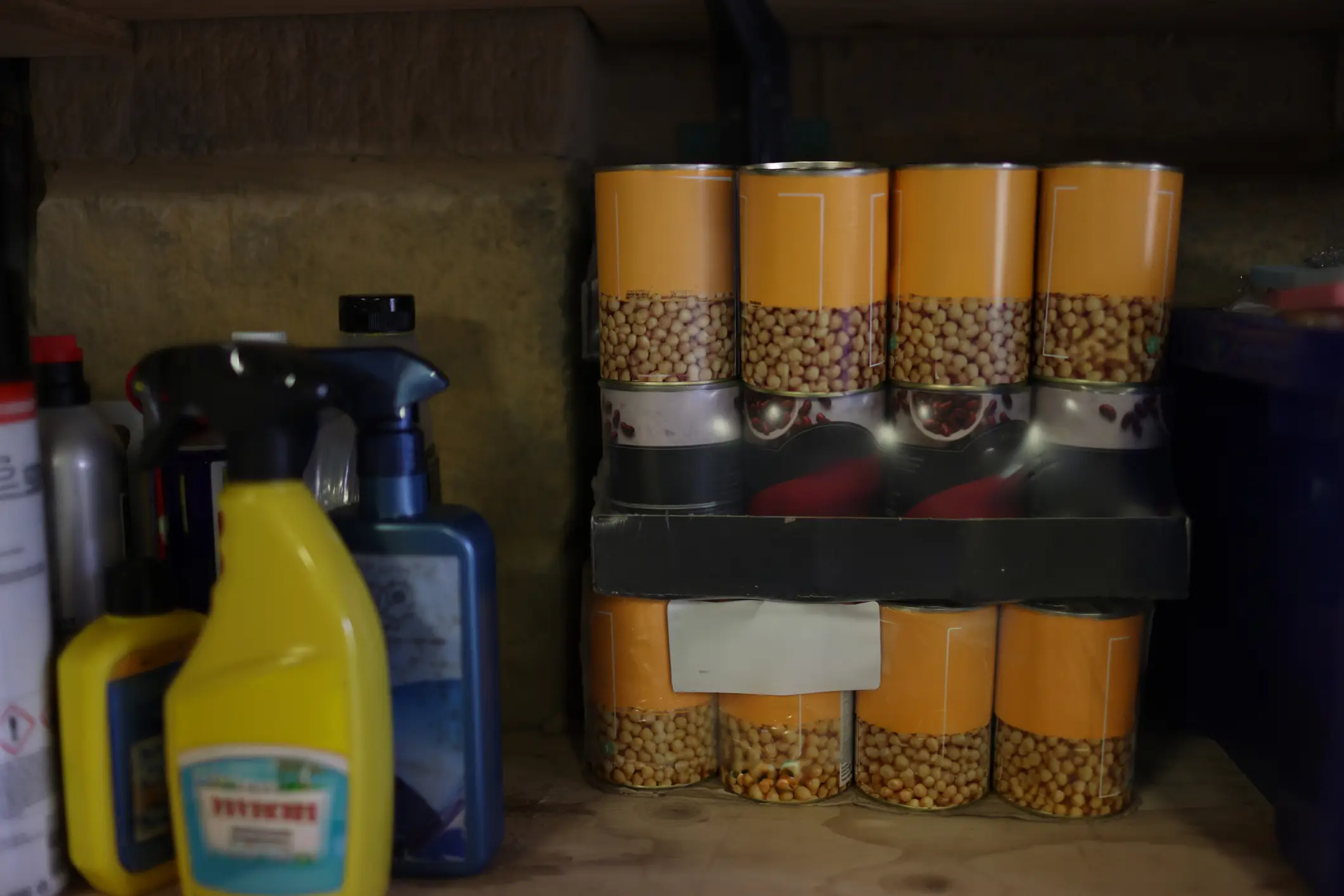
Brits have already been issued with repeated warnings about preparing for at least three days, which involve stockpiling essential items like non perishable food and water to cope in a crisis situation.
Advert
This is due to growing risk of adverse weather events causing food and produce shortages, but also comes amid a fuel crisis due to the ongoing Iran war, and the heightened threat posed to the UK given the current climate and threats to cybersecurity.
There has also. been much speculation around the possibility of a 'black sky event' - a complete power outage and tech catastrophe which although has never happened before, should not be completely ruled out, according to experts.
Brits have already been told to be 'ready for war' in as little as 1,000 days as the Chief of the Defence Staff and the head of the British armed forces warned that 'this is the most dangerous period I’ve known in my adult life'.
An eerie warning was also made to the public earlier this year by General Sir Roly Walker, in which he told the public they would have a role to play if the UK were to get involved with war.
The army Chief of the General staff shared his message with 700 soldiers from the Catterick Garrison, and via the British Forces Broadcasting Service (BFBS), he let his expectations for the country be known.
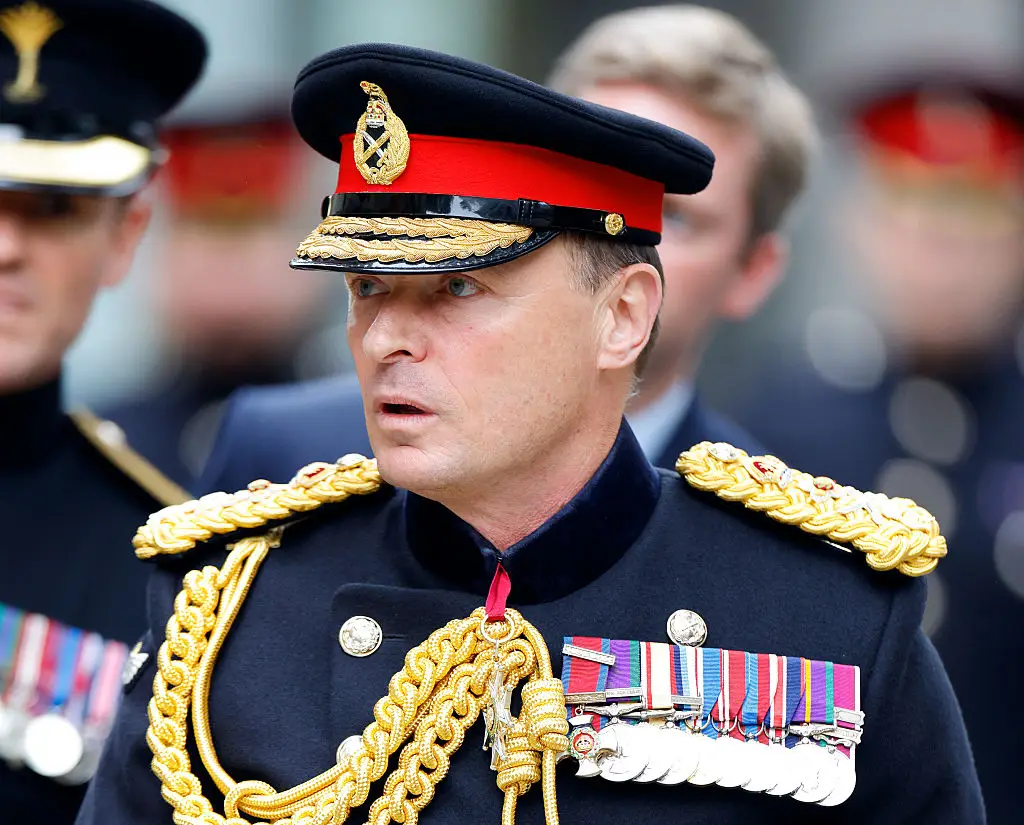
“You didn't know this, but our nation is going to need you," he said, explaining that people in the UK will need to ‘consent to sacrifices to prioritise defence and security’.
But now, a new report has truly revealed the scale of threat faced by the UK, revealing that the British public 'don’t have a full picture of the level and frequency of current subthreshold hostility against the UK'.
Report says UK is unprepared for attack
The report, published on 16 November, says the Government appears complacent and that the UK is currently underprepared for potentially catastrophic events.
Threats identified include Russian, Chinese and Iranian hostile activity against the UK as well as cyber-attacks targeting essential infrastructure, sabotage or disruption to undersea cables and pipelines, potential escalation into armed conflict and severe disruption to food, water, electricity and medicine supplies.
"The world is more turbulent and insecure than it has been for decades," the report states. "Yet, in the face of potentially catastrophic risks and despite the recent launch of the Be Ready campaign, the Government appears complacent and the UK is underprepared. We need to move fast to turn things around.
"The public don’t have a full picture of the level and frequency of current subthreshold hostility against the UK from Russia, China and Iran in the form of cyber-attacks, proxy acts of violence, or threats to undersea cables and pipelines on which our communications and energy flows depend.
"Current resilience plans are largely out of date in that they address a possible crisis or emergency in, for example, a power outage or disruption to water supplies, or a cyber-attack, or a biochemical hazard, or collapsing infrastructure, but not the ‘polycrisis’ of multiple emergencies happening simultaneously or cascading into one another.
"Systems must come out of their silos and interrelate across Government and society as a whole."

Government 'should stop being squeamish'
In the wake of recent fears of possible vulnerabilities to attacks from the likes of Russia, China and Iran, the committee report says the Government needs to be more up front with Brits about what is truly happening behind closed doors.
"We concluded that what is needed is a radical shift in the mindset of both public and Government," it found.
"Preparedness and resilience in the face of major national crises must be normalised and seen as part of everyday life.
"The Government should stop being squeamish about telling it straight to the public about the kind of threats we face. Evidence suggests that the public would reward honesty and openness with trust and reassurance, not fear and alarm."
One particularly striking statistic highlighted that there are already more than 90,000 attempted cyber-attacks against the UK's defence system every year. Recovery from cyber-attacks alone already costs the UK £14.7 billion a year.
The committee also highlighted how reliant Britain has become on overseas suppliers for products that people depend on every day, including for medication and food supplies.
It alerts that 80 percent of the active ingredient used in penicillin antibiotics is imported from China and that the UK has no domestic antibiotic manufacturing capacity, following the closure of its last plant in 2025.
Just nine retailers account for approximately 94.5 percent of food sold through UK supermarkets, the report also states.
The concern highlighted is that in the event of a major international crisis, trade disruption or attack on supply chains, Britain could be left struggling to access essential medicines and food.
The committee therefore wants the Government to rebuild domestic manufacturing capacity, diversify suppliers and maintain strategic reserves as well as issuing a booklet to every household in the UK, modelled on similar guides used in Denmark and Sweden, to explain what people should do in a national emergency and how to prepare for a crisis.
It went on to call for the appointment of a Cabinet Minister whose sole responsibility is national resilience, having a dedicated preparedness lead in every Government department and require the Prime Minister to make an annual statement to Parliament explaining how prepared the UK is to face crisis.
"Trust in central Government is at a low ebb. But the Government has already shown that it has the right ambition," the report concluded. "What it needs now, before it’s too late, is the leadership, the funding and the urgency to go with it."

Cabinet office accepts 'need for action'
In a statement to LADbible, a spokesperson for the Cabinet Office noted that the report highlighted 'the need for action across government and society', adding that steps are being taken to ensure the UK's resilience.
The Government has also set up the Home Defence Programme to build up the UK’s preparedness for potential threats and announced in July that it would update classified crisis plans, known as “The Warbook”, for the first time in over two decades.
"We thank the Committee for their report, which we will carefully review. It highlights the need for action across government and society to boost our collective resilience - closely involving local, regional and national bodies. That is exactly what this government is doing," the statement read.
"From launching a national campaign to raise awareness of the simple steps households can take to stay safe in everyday emergencies, to delivering the largest home defence exercise in recent history next year, and investing over £1 billion in pandemic security - our work on resilience goes further than successive governments have ever gone before.
"However, we know there is still more work to do to make the UK the most resilient country we can be, including working with and learning from our allies. This was top of the Security Minister's agenda when he met some of the UK's closest allies aboard HMS Prince of Wales in Oslo this month."
 James Holt