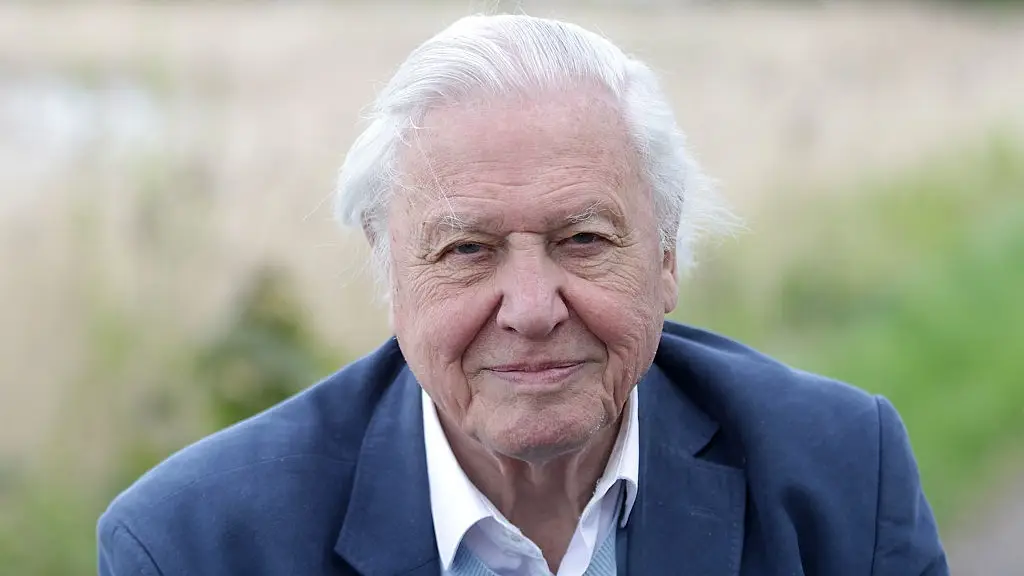
David Attenborough's diet he credits to long life as he turns 100 today

Sir David Attenborough has turned 100 today, and since he's showing no signs of wanting to retire, people are eager to know his secret for staying healthy at such an advanced age.
The broadcasting icon has had a career spanning decades, beginning his production of natural history films with Zoo Quest more than 70 years ago in 1954, broadcast in black and white.
Since then, Attenborough has been been at the head of some of the most well-known natural history programs ever broadcast.
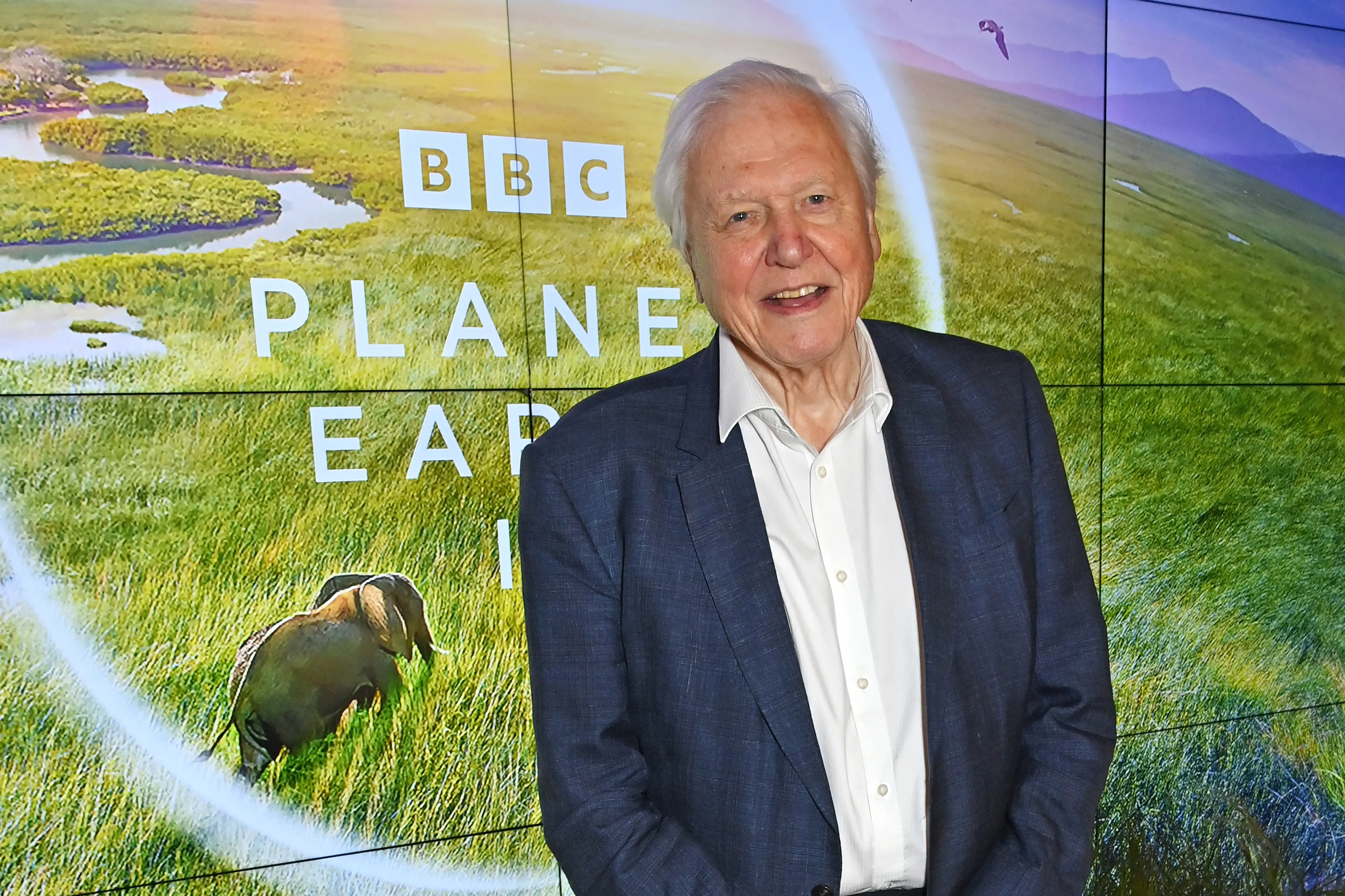
This has included the Planet Earth series, Blue Planet and Blue Planet II as well as The Life Collection and Wildlife on One.
Advert
In an extraordinary achievement, Attenborough is also the only person to have won a BAFTA award in black and white, colour, HD, 3D, and 4K, inspiring generations of people to connect with the natural world.
More recently, Attenborough has also turned his focus to the environmental impact of humans on the natural world, including narrating more documentary series with Netflix.
Now as he turns 100, Attenborough has opened up about the lifestyle which has allowed him to live so long.
This has included avoiding one sort of food in particular - red meat.
Attenborough said: "I have certainly changed my diet. Not in a great sort of dramatic way."
He added: "But I don't think I've eaten red meat for months."
He also added that while he isn't entirely vegetarian, he has 'become much more vegetarian' than he thought he would.
Avoiding red meat is backed up by medics, who warn that it can increase the risk of bowel cancer.
Cancer Research UK explains that studies have identified certain chemicals found in red meat that damage the cells in our bowel: haem, a red pigment; and heterocyclic amines (HCAs) and polycyclic amines (PCAs), found when meat is cooked at high temperatures.
A 2020 study found that people who ate more than 79 grams of red or processed meat a day (which isn't very much - less than half of a grilled 8oz rump steak) were 32 percent more likely to develop bowel cancer than people who ate 11 grams daily.
Current NHS guidance recommends averaging no more than 70g of red and processed meat a day. Professor Tim Key, who co-led the study, said the results showed that 'cutting down a bit more gives slightly lower risk'.
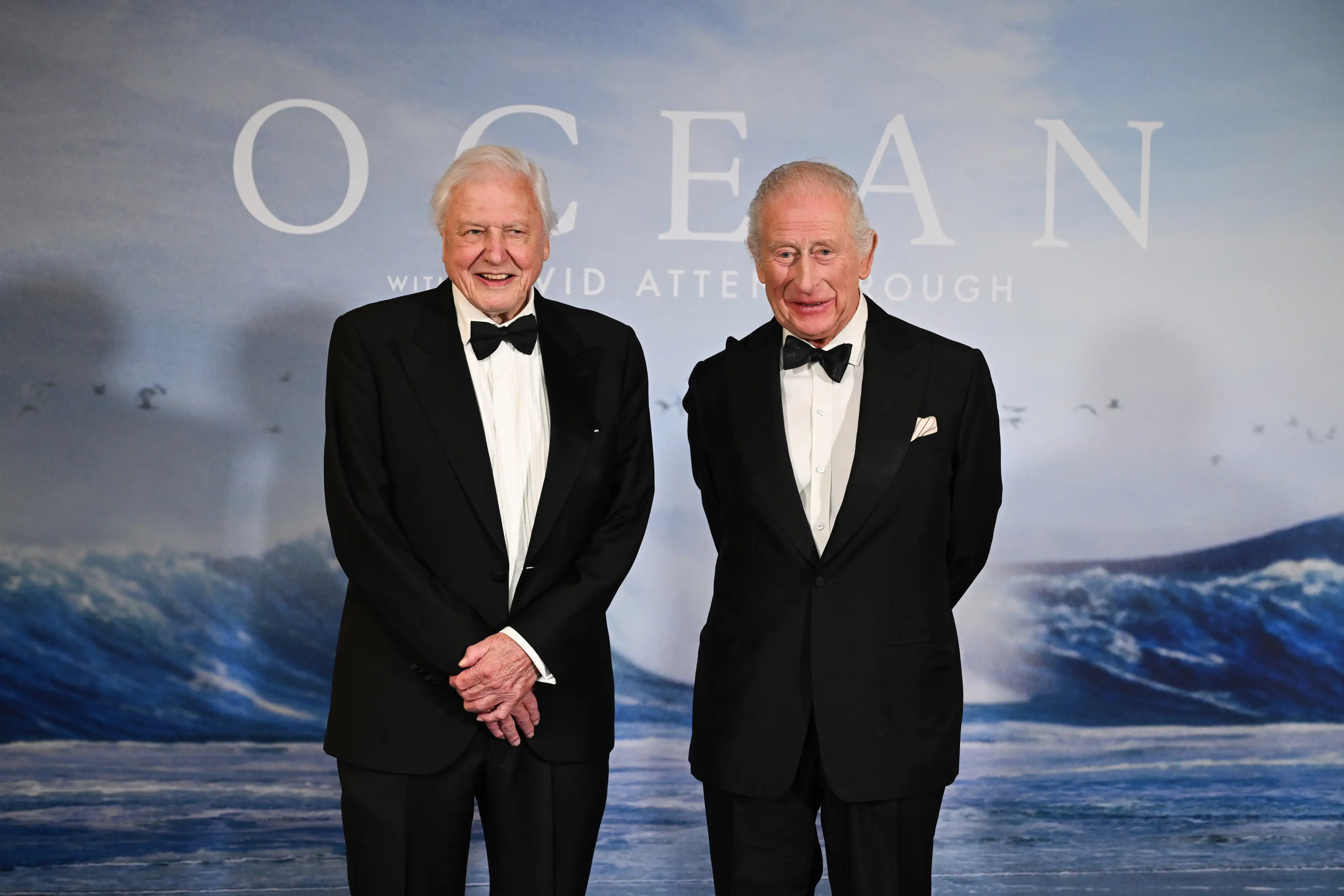
Attenborough continues to work, including narrating and featuring and in the 2025 documentary Ocean with David Attenborough, which showed the impact of overfishing, including shocking footage of the devastating effect of techniques such as drag nets and scallop dredging.
Speaking about the prospect of retirement, Attenborough said previously: "If I was earning my money by hewing coal I would be very glad indeed to stop. But I’m not. I’m swanning round the world looking at the most fabulously interesting things. It is…such good fortune.”
Attenborough's career making natural history programs has spanned more than 70 years when he stepped in as a presenter on Zoo Quest in 1954, and since then he has travelled all around the globe filming and observing the natural world.
Here are some of the biggest moments from his remarkable life.
A timeline of the key moments of David Attenborough’s career
1954: David Attenborough 'accidentally' lands the job that launches his career
It was in 1954 when Attenborough first graced our screens as a presenter for BBC's Zoo Quest - but he very nearly didn't land the gig that would catapult his career.
Though he worked as a producer on the show, a job he had done for two years, he was rushed in at the last minute to replace the original presenter, who had become unwell, meaning one of the world's most beloved broadcasters could very nearly have missed his time to shine.
For Zoo Quest, a then 28-year-old Attenborough was able to travel the world in search of exotic and rare wildlife, which he would feature in episodes for UK audiences - marking the start of his rise to fame.
1971: Reaching the most remote corners of the Earth
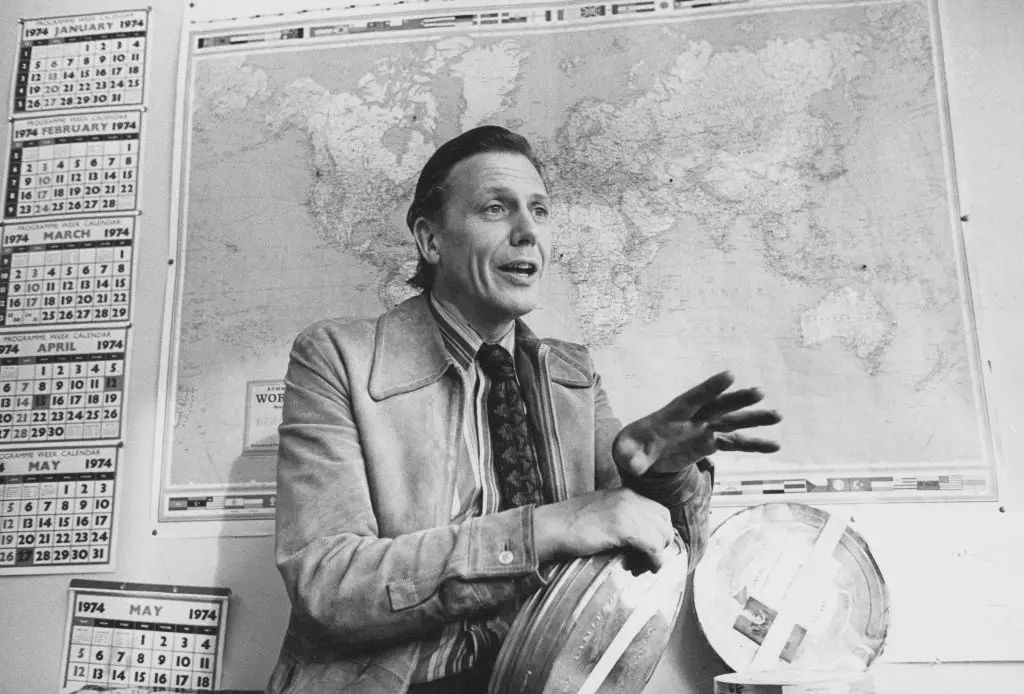
After working as a BBC executive, Attenborough went back to nature in the 1970s to become a true explorer.
He made a series of programmes about remote tribes, some so isolated that it's thought they hadn't been contacted by Europeans before his arrival. He embraced their cultures and immersed himself, wearing nothing but a loincloth while filming in the Solomon Islands.
By doing this, Attenborough was able to show the world that there are different ways of life, and helped his audiences understand both the diversity and universality of the human experience.
1979: Life on Earth - a first of its kind
In the late 1970s, Attenborough did something that had never been done before - a natural history programme of a monumental scale.
Life on Earth featured never-before-used photography and camera techniques to show animals around the world in their natural habitats, bringing in an estimated 500 million viewers.
1985: A knighthood
Attenborough was knighted by Queen Elizabeth II in 1985 for his services to broadcasting, receiving the accolade at a ceremony at Buckingham Palace and becoming Sir David Attenborough.
2001: Revealing the world's rarest creatures
In 2001, Attenborough unearthed a strange new world with Blue Planet, a series which introduced millions to the wonders of the deep sea and species such as the hairy angler fish and the Dumbo octopus, all of which were captured on film for the first time.
2015: Pushing boundaries in technology
From overseeing the first ever colour broadcast on BBC2 in the 1960s to working with 3D television, Attenborough has long been known to push the boundaries when it comes to technology - and this didn't stop at just broadcasting.
In 2015, at the age of 89, he dived 1,000ft in a submersible off the Australian coast to film previously unseen parts of the Great Barrier Reef, breaking the record for the deepest ever dive on the reef.
Attenborough also collaborated with the Natural History Museum for a virtual reality project, and filmed several BBC series – such as Planet Earth II and Wild Isles – in Ultra HD.
Working to save the planet
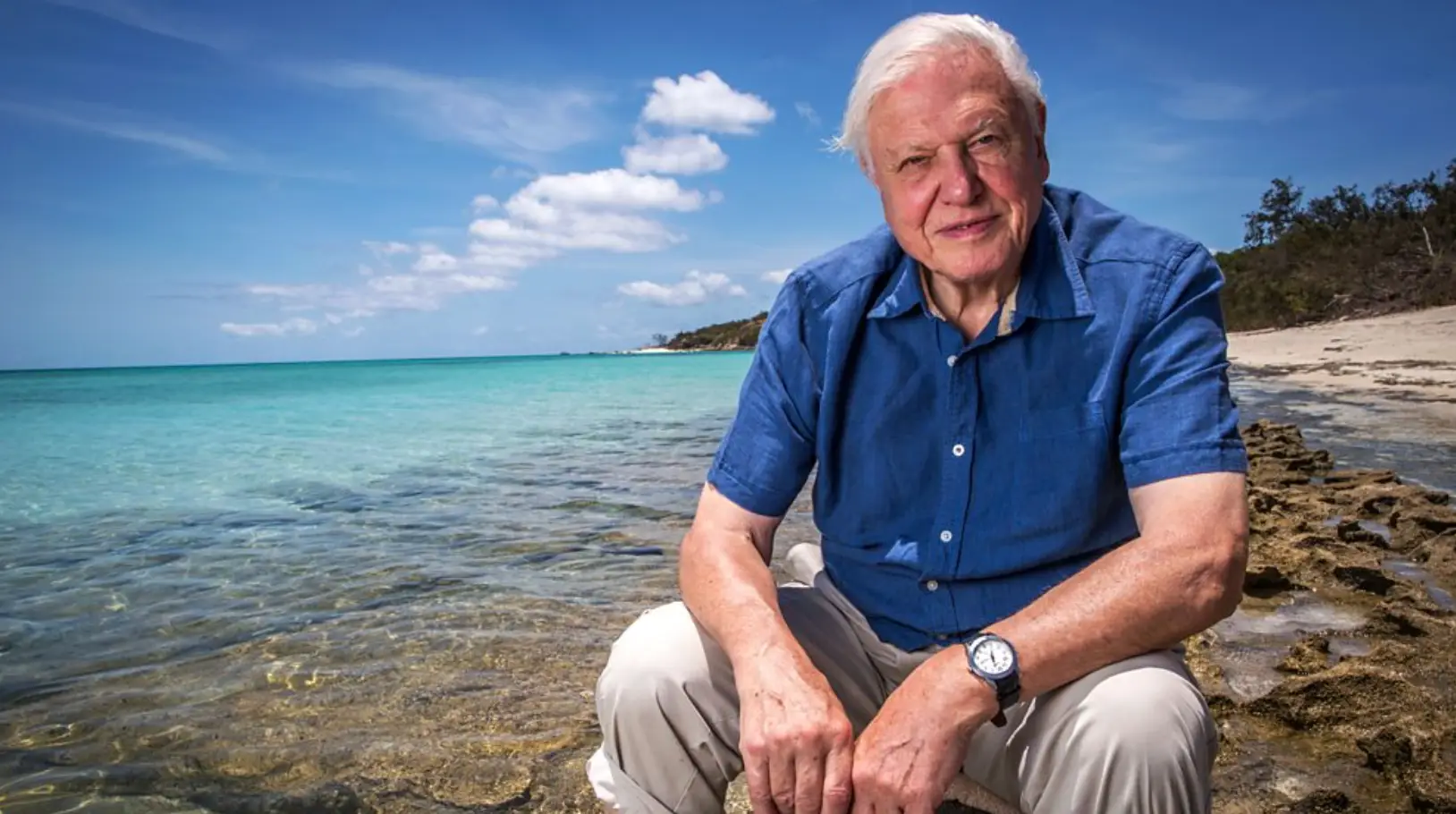
Attenborough has always been an outspoken figure when it comes to conservation and climate change - even though he previously admitted he didn't start making his programmes with these issues in mind, as he simply enjoyed observing the world.
But as the decades passed, he became aware of the destruction the human race was causing on Earth and its environment.
He's authored documentaries which overtly tackle environmental issues, and has collaborated with major environmental organisations and media producers to highlight climate change, most notably the WWF (World Wildlife Fund) and the BBC Natural History Unit.
2022: A second knighthood
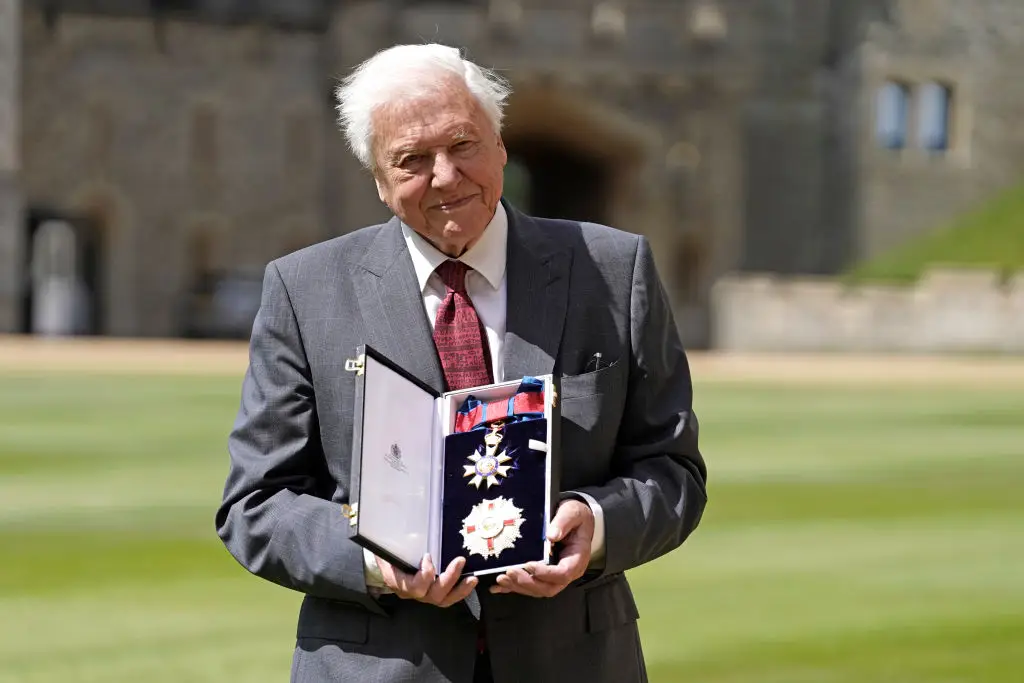
In 2022, Attenborough was awarded a second knighthood for his services to both television and conservation.
He was appointed a Knight Grand Cross of the Order of St Michael And St George in a special ceremony held by the now-King Charles.
Topics: UK News, David Attenborough, Food And Drink, Health
 Kit Roberts