New Hantavirus vaccine in development as US declares it 'level 3'

Scientists from the UK, South Africa and the US are working on a new hantavirus vaccine, following a deadly outbreak on a cruise ship.
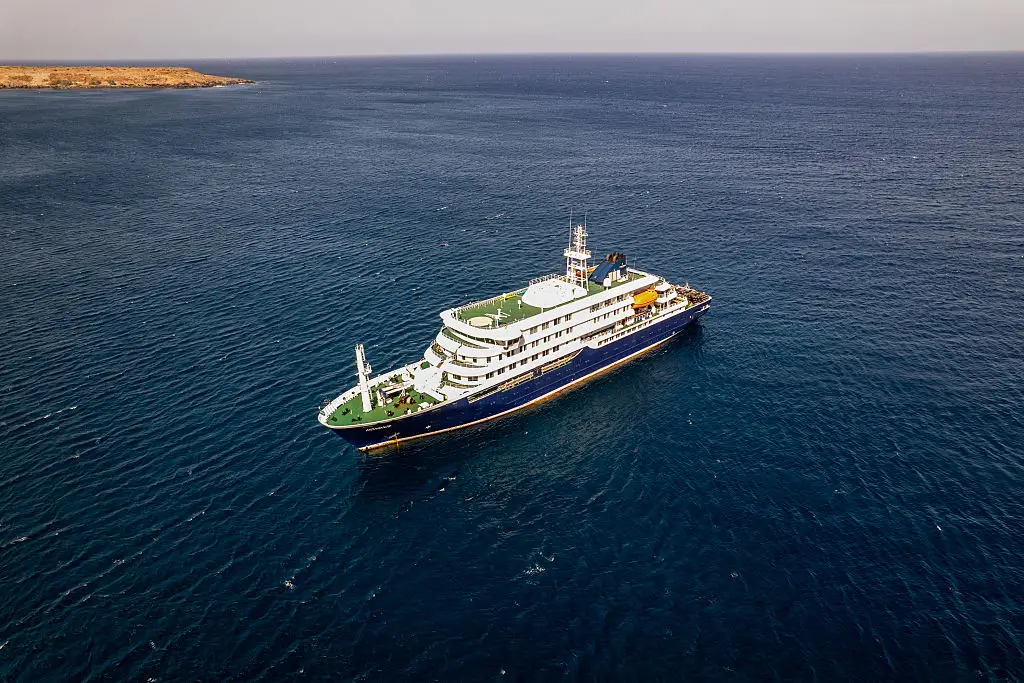
Yesterday (7 May), the World Health Organisation (WHO) confirmed that five passengers on board the ship MV Hondius were confirmed to have been infected with hantavirus, with an additional three people suspected of having the rodent-borne illness. The most recent being a British national who's been diagnosed on the remote island of Tristan da Cunha, after departing the cruise at its Saint Helena stop on 22 April.
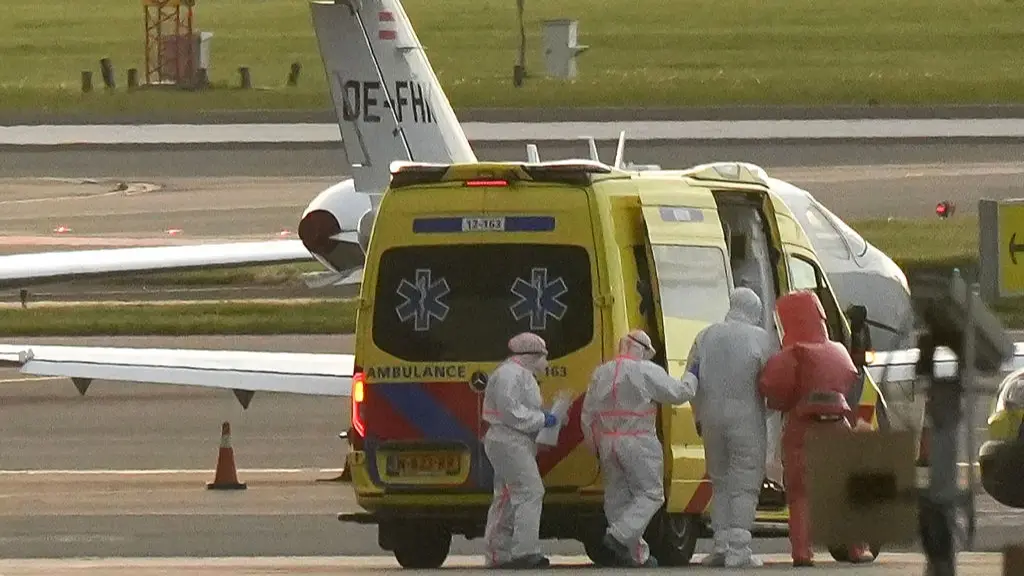
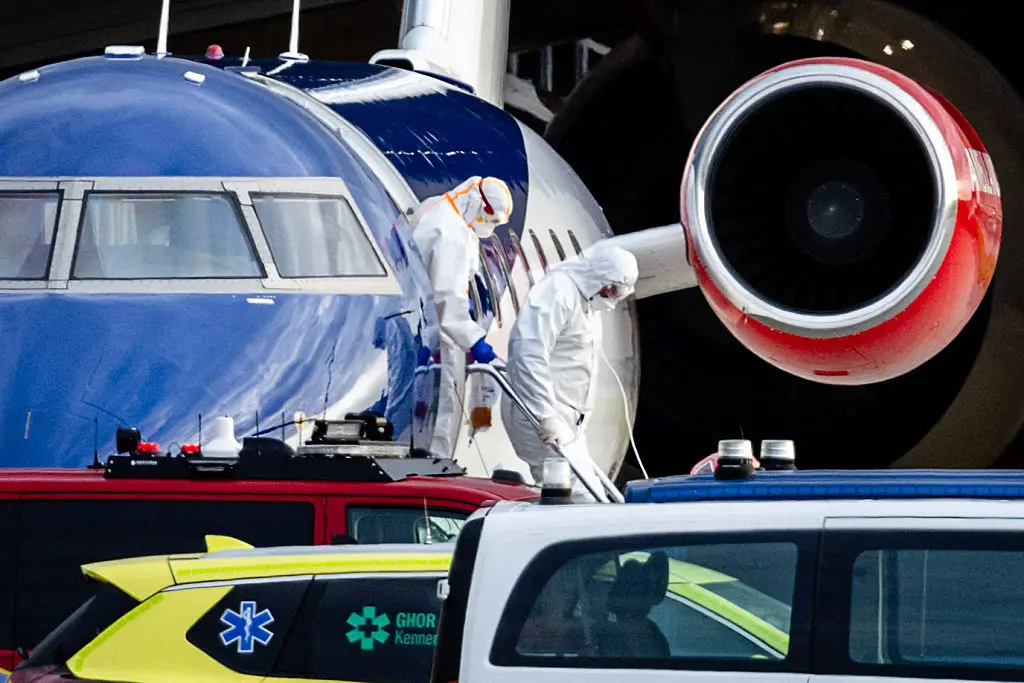
Three people have died since the outbreak occurred last month, while several other passengers, including a British man, have been medically evacuated and taken to hospital.
More than 100 passengers remain on the ship and remain at risk of potential exposure.
Advert
While the threat of hantavirus to the general population remains low, according to WHO estimations, the US Centres for Disease Control and Prevention (CDC) has now classified the outbreak as a 'Level 3' emergency response, the lowest level of emergency activation.
New vaccine being developed
An international team of scientists, including researchers from the University of Bath, is currently developing a new vaccination against the virus.
"Developing a vaccine would be amazing because then we can prevent instances of this disease happening or at least mitigate the really bad consequences of the infection," Chemist Professor Asel Sartbaeva, who is part of the team working on the vaccine, told the BBC.
Professor Sartbaeva revealed that the group's research also includes a revolutionary way of delivering vaccines via drone.
"It's a new technology which I've been developing within my group for over 15 years now," Professor Sartbaeva, who'd been working on the hantavirus vaccine before the current outbreak, continued.
Currently, vaccines need to be transported at freezing temperatures to keep the dose stable. However, the group is working on creating a new 'Insilication' method, which allows the vaccines to be encased in tiny layers of material, making them resistant to heat changes.
"So what we've been doing is that our group in Bath has been working with other two groups, one in Texas, who have developed the antigen against the hantavirus, and a group in South Africa with a company called Afrigen," she added.
"We've been putting the thermal stabilisation on top of it to make that vaccine resistant to temperature changes so that we can do, for example, drone deliveries."
The symptoms of the Andes strain of hantavirus and how it spreads
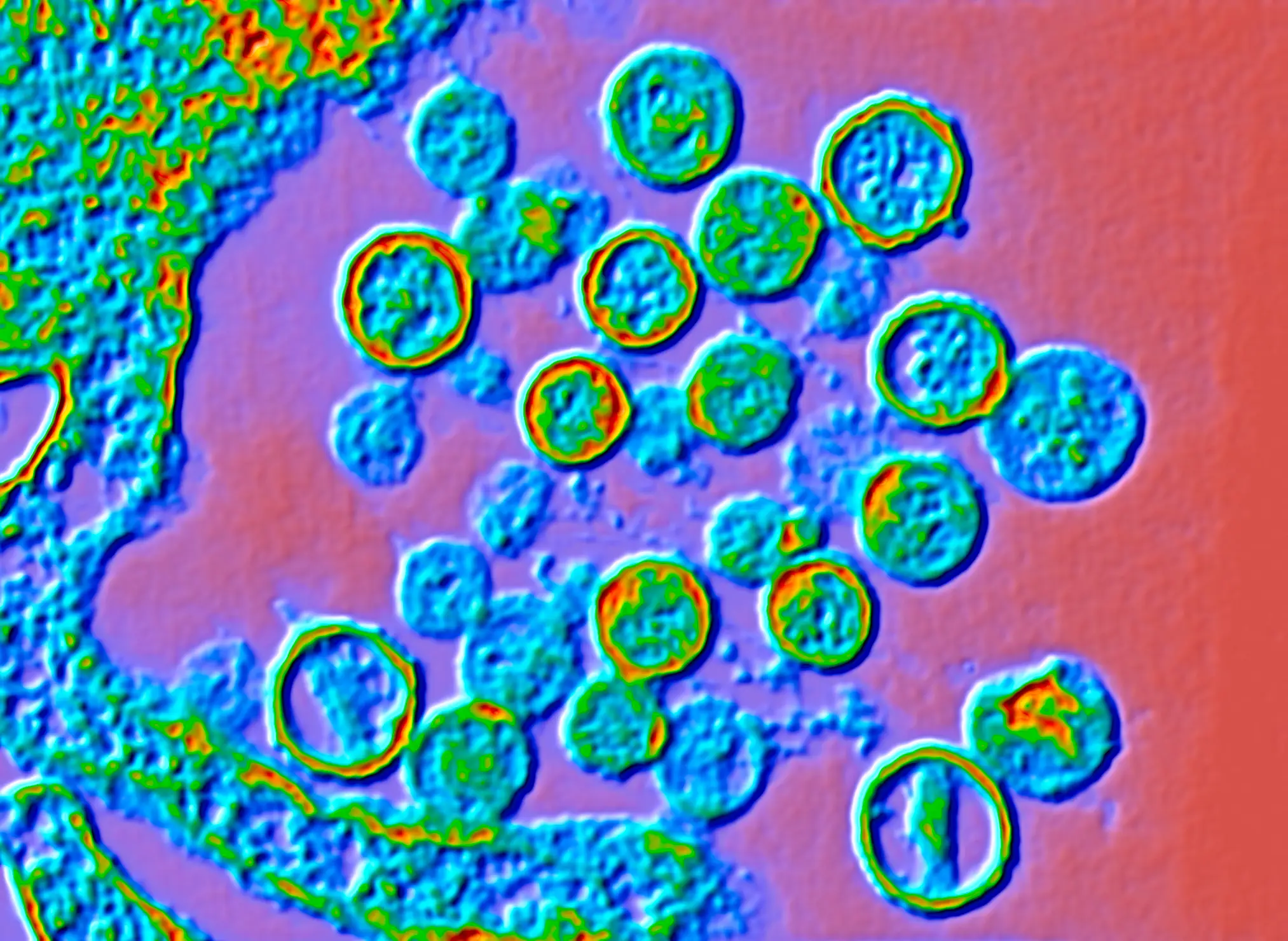
The Andes strain of hantavirus is very rare. Microbiologist Dr Gustavo Palacios told CNN there have only ever been 3,000 known cases.
It is the only documented form of hantavirus with human-to-human transmission. One study showed that window for patients to be infectious was about a day, when they develop a fever. But they also found it was transmissible through only brief proximity to an infected person.
Andes virus (ANDV) is primarily found in South America and has a high fatality rate, between 20 and 40 percent. It can cause hantavirus pulmonary syndrome (HPS), which attacks the lungs. Symptoms start one to eight weeks after infection and the first signs can include:
- Fatigue
- Fever
- Muscles aches
- Headaches
- Dizziness
- Chills
- Nausea and vomiting
- Diarrhoea
Later symptoms include:
- Coughing
- Shortness of breath
Topics: Health, World News
 Brenna Cooper