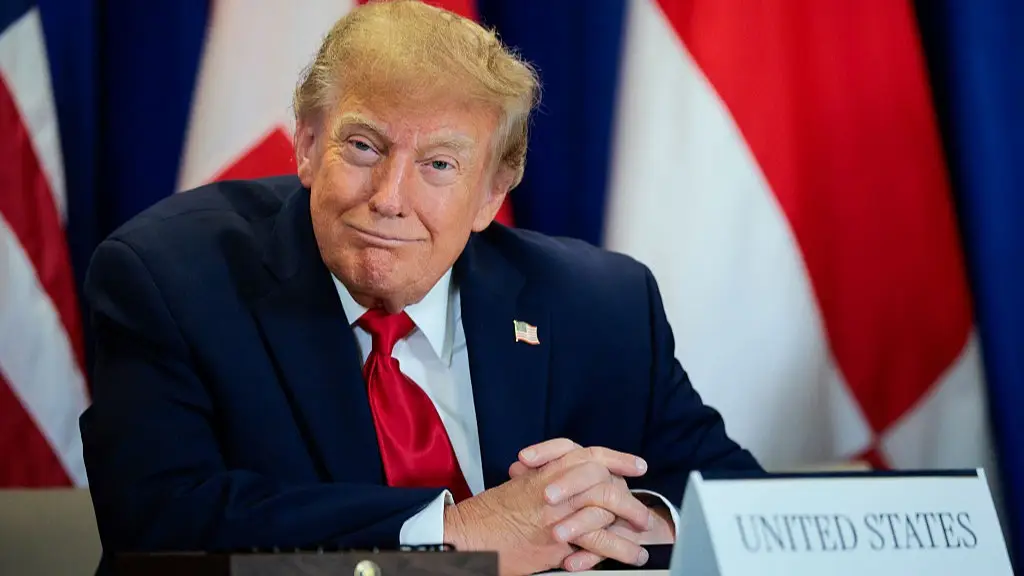
Donald Trump threat risks fuel rationing as Government confirms who gets first priority

Plans are in place should the shocks to the diesel supply chain reach a point where fuel rationing becomes necessary, and Donald Trump is not helping matters with his latest comments.
In the UK the average price for a litre of diesel is now 199.18p as of yesterday (28 September), which is 56.8p more expensive than the day the US-Iran war started several months ago on 28 February.
It's broken the record for fuel prices that was set back in 2022 when Russia invaded Ukraine, and reports from Sky have warned that the UK might only have about 42 days of diesel supply remaining.
A mixture of supply pressures and demand increases following the US war with Iran has put particular strain on fuel and it may become necessary to trigger an emergency plan to introduce fuel rationing.
Advert
Politico reports that Trump has said he supports proposals to stop the US from exporting diesel in an effort to tackle America's own sky-high fuel prices, and that'd be bad for the UK as the US is the world's biggest diesel exporter.
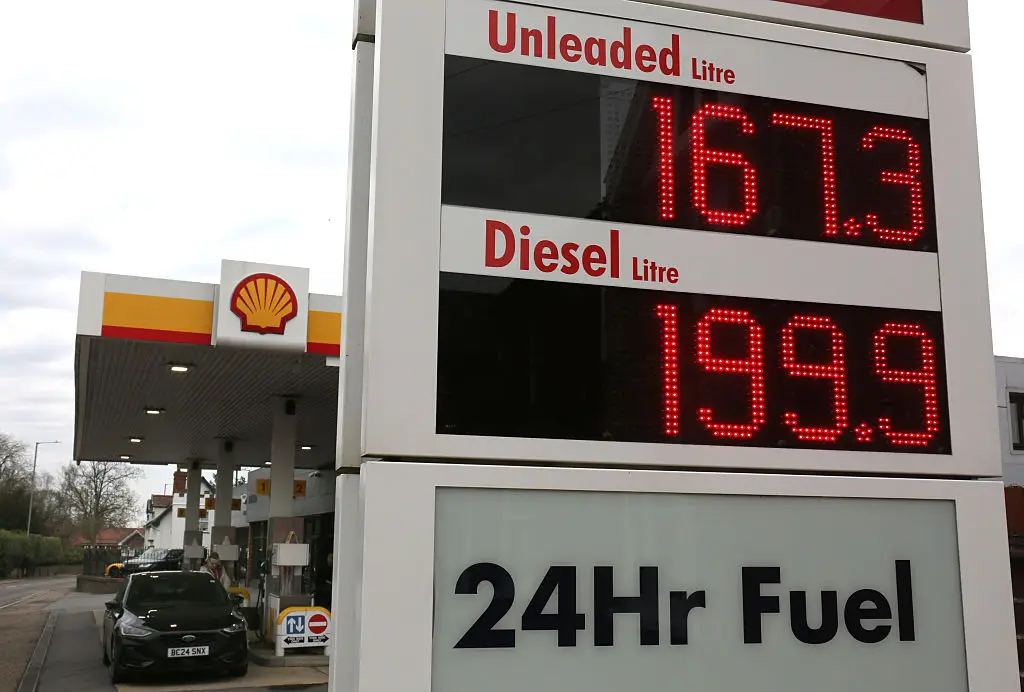
They report that a 90 day ban on exporting diesel has been considered over in the US which would have serious ramifications for the rest of the world's supply of the fuel.
Business Secretary Jonathan Reynolds said a potential diesel export ban from Trump 'would be a significant concern to the UK', but stressed that it was important to 'make a distinction between the statements and what is actually being proposed by the US'.
He added that the UK had a 'a diverse supply in a whole range of areas' including fuel, and that included fuel.
Other European politicians have warned the US about the consequences of the US banning diesel exports, with French President Emmanuel Macron saying it'd be bad 'not just for the rest of the world, but for the U.S. economy as well'.
In the event of a serious shortage of diesel then the government has plans in place it can activate.
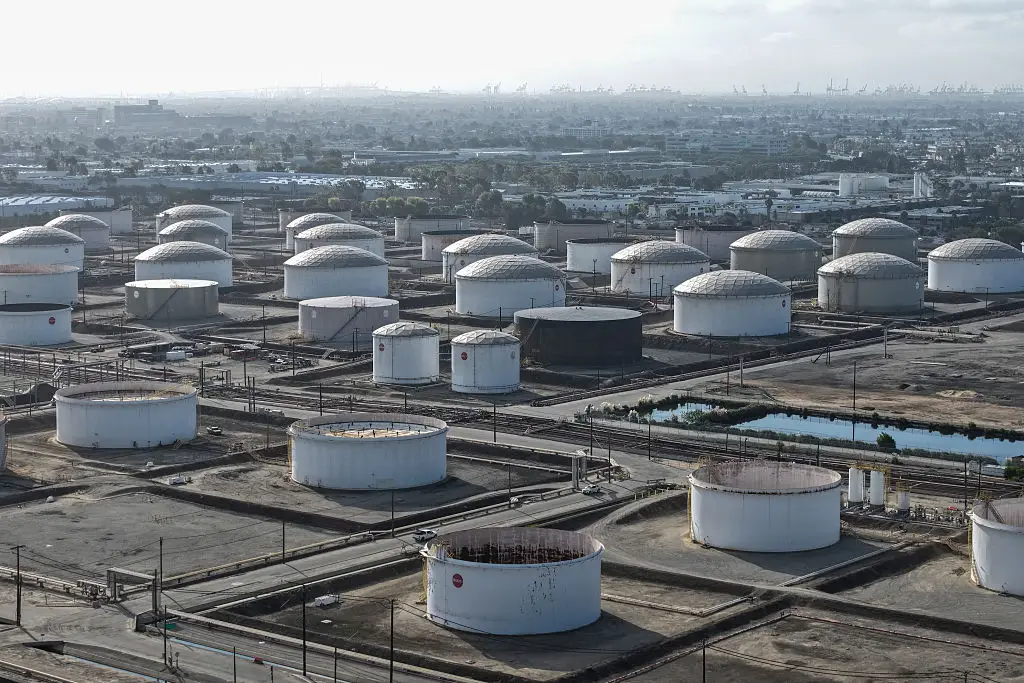
Emergency services and public transport would be front of the queue when it came to getting diesel, with commercial vehicles among those also more likely to access fuel in order to stop supply chains from collapsing.
The National Emergency Plan for Fuel says: “The majority of potential fuel supply disruptions can be addressed by measures to help industry maintain fuel supply; these would be deployed by DESNZ in co-ordination with industry and other government departments.
"However, the government does have emergency powers under the Energy Act 1976, which it can use to control supply and demand of petroleum products. It should be noted that use of these emergency powers is reserved for the most severe of disruptions.”
Another potential measure that could be activated would be limiting vehicles to 50mph in an effort to conserve fuel.
Topics: UK News, Donald Trump, US News, Iran
 Joe Harker