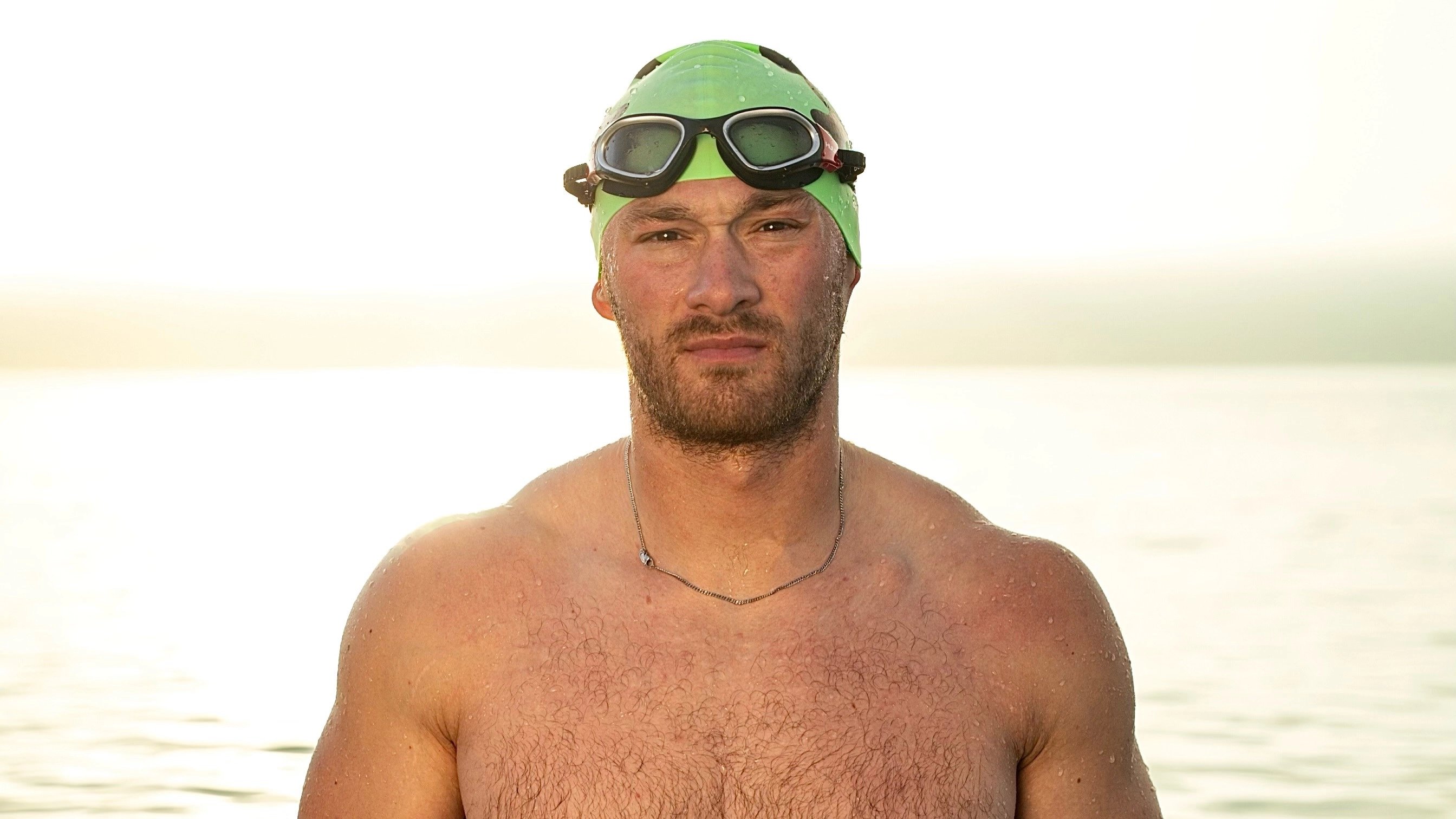
Man who completed 10 Ironmans in ten days breaks down 91,000 calorie diet

Warning: This article contains discussion of suicide which some readers may find distressing.
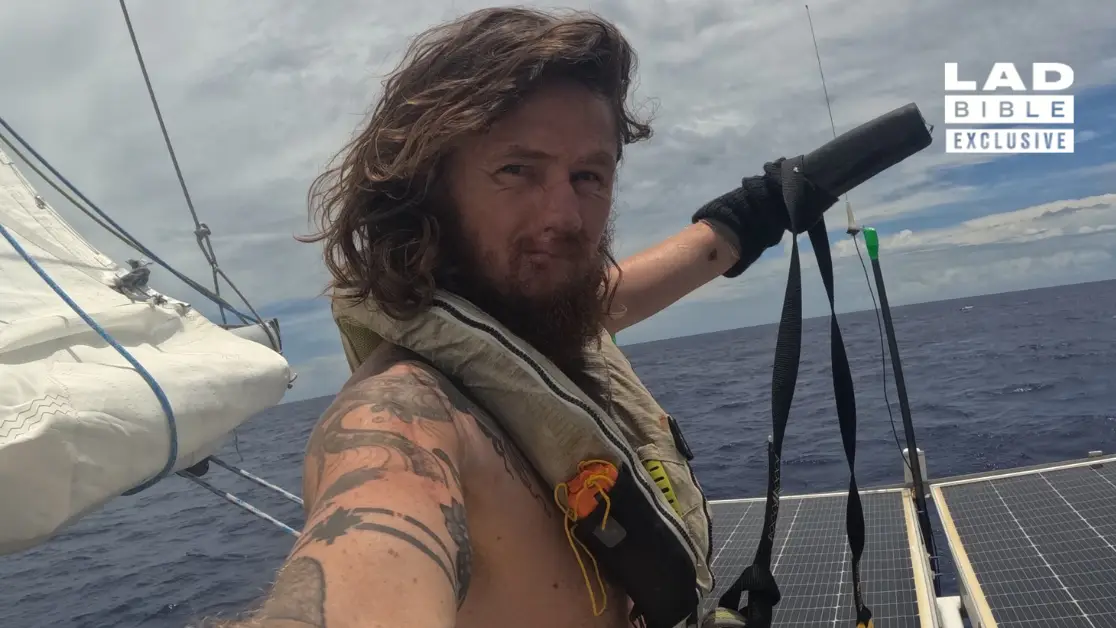
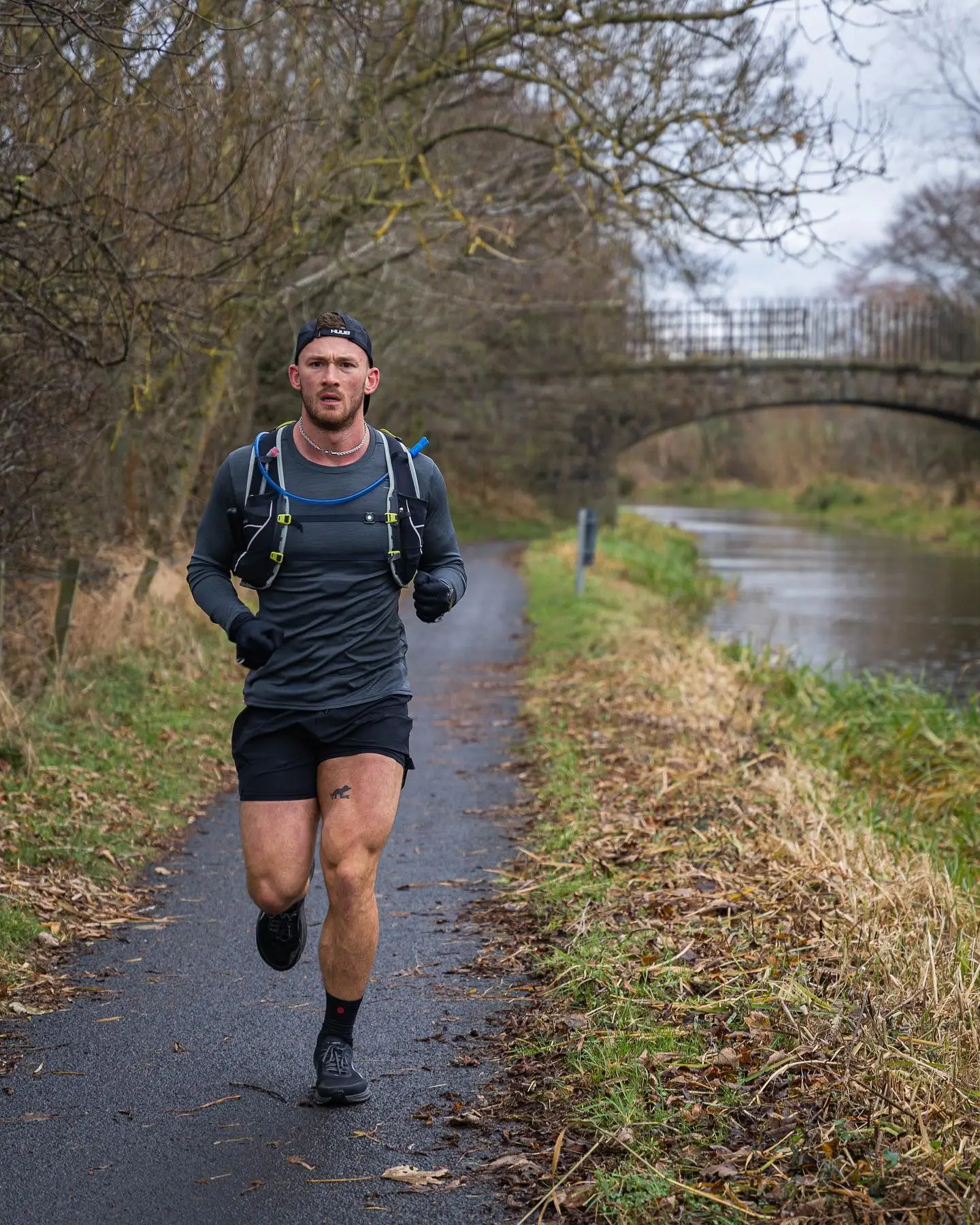
There was ‘absolutely no consideration for micro-nutrition or health’ when Fergus Crawley took on 10 iron-distance triathlons in 10 consecutive days.
The mental health campaigner, 30, who splits his time between London and Edinburgh, consumed an astonishing 91,000 calories to fuel the gruelling 1,406 mile challenge across 10 UK cities, including Edinburgh, Leeds, Cardiff and Bristol.
Starting on 30 April and finishing on 9 May, he swam 2.4 miles, cycled 112 miles and ran 26.2 miles each day.
Advert
He now holds the Guinness World Record for the 'most cities to complete a 140.6-mile triathlon distance in consecutive days (male)'.
The triumph marked 10 years since the former Durham University student attempted to take his own life in May 2016.
After raising £30,000, he says the challenge required a lot more than physical fitness, as he needed to consume between 8,000 and 10,000 a day, just to keep his body moving.
“It got to the point where it was anything and everything,” Fergus, who’s been training at least five days a week for 16 years, tells LADbible.
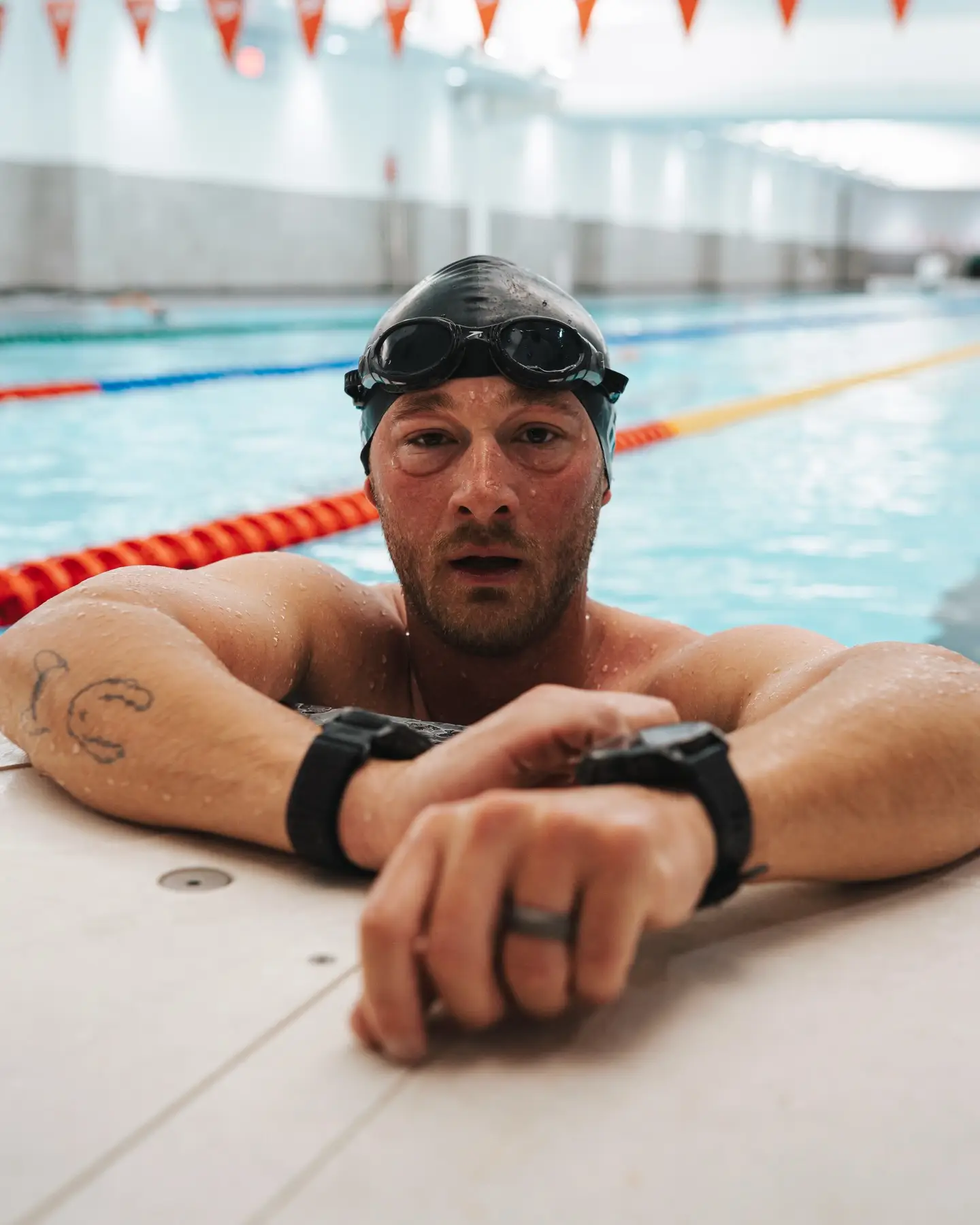
According to his fitness tracker he ate ‘91,000 calories in 10 days’.
Because Fergus burned 121,000 calories in that time, he was still at a deficit of at least 30,000 calories.
During training, he relied on carbohydrate-rich foods like bagels, oats, cereal, white rice and potatoes, alongside the usual protein and vegetables to train his stomach to handle frequent eating.
When it was race time, he says he ate almost anything available, from energy bars and sweets, to pork pies and donuts.
On day eight, Fergus consumed 250ml of maple syrup, which he called ‘a mistake’.
Physically, the relentless demands left Crawley battling knee and shin pain, chafing and extreme exhaustion.
“The recovery was so, so bad between efforts,” he explained.
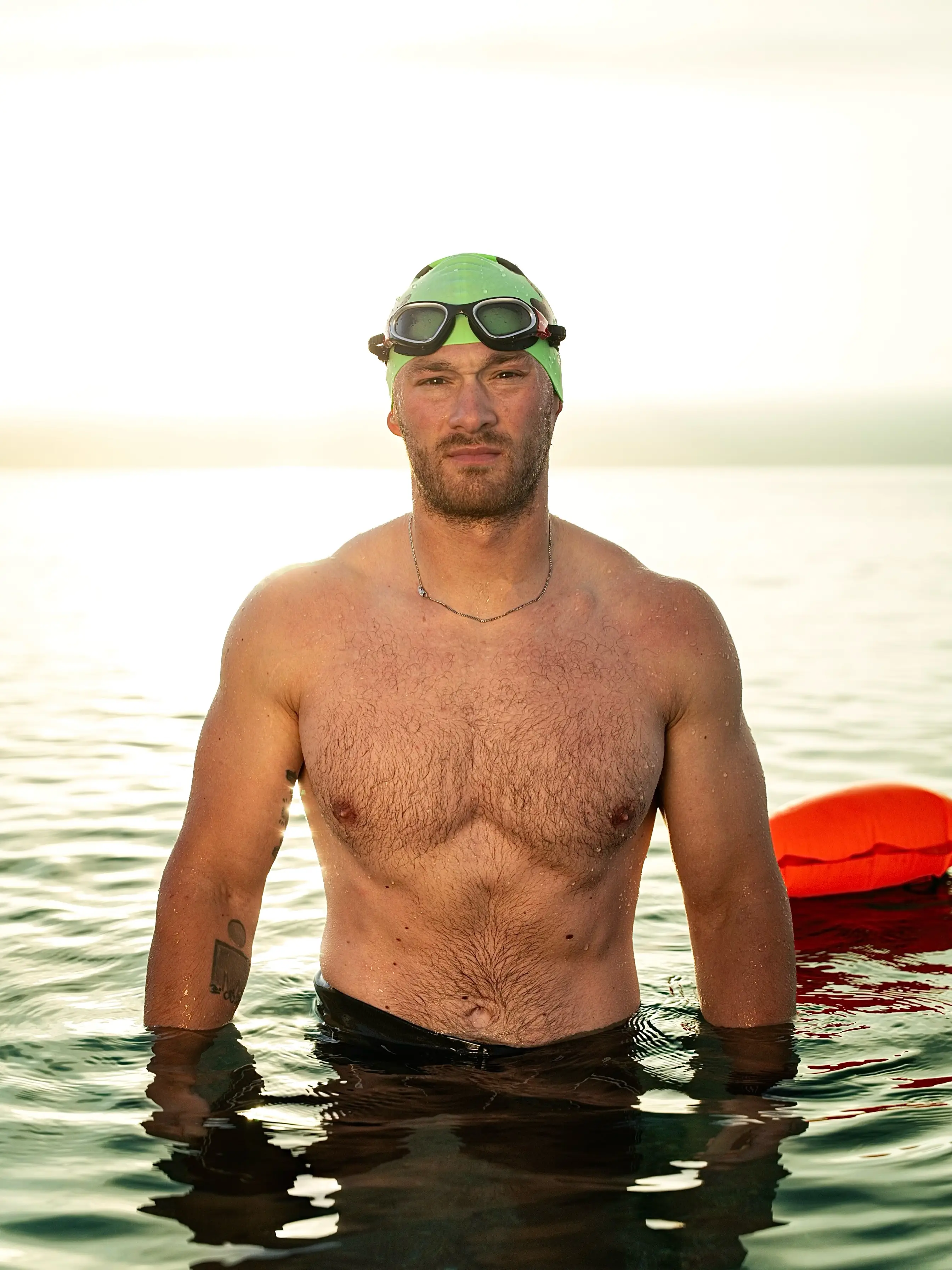
“I basically didn't sleep at all, sweating like mad, it got pretty weird towards the end.”
“The runs from day six onwards were horrific, Cardiff and Bristol, which was day eight and day nine, were just a joke, an absolute joke, the most sustained pain that I've had.”
Over the past eight years, Fergus has completed various physical challenges to help fundraise campaigns that encourage conversations about mental health.
In 2016, the former rugby player struggled with depression, loneliness and isolation at university.
After he was forced to abandon the sport from repeated concussions, Fergus says he struggled with losing his sense of community and purpose.
He recalled: “I very slowly started to feel like I wasn't myself. I started to feel a little bit more shut off from the world that I was familiar with.”
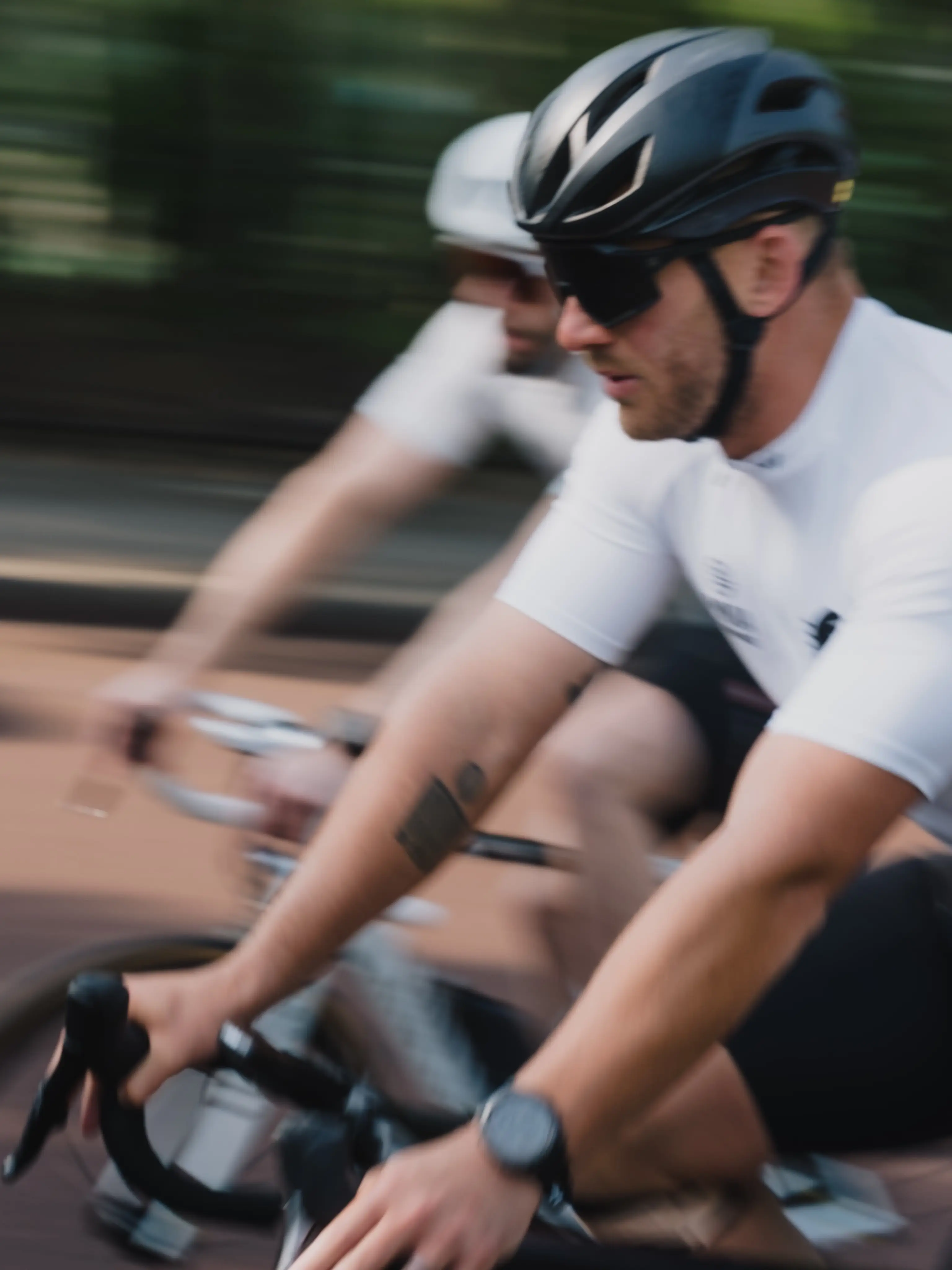
Fergus says his mental health deteriorated as he became increasingly ashamed of his feelings and reluctant to seek help.
“I had a loving family, loving friends, people I could access, people I could talk to, roof over my head, all things that made me feel guilty for feeling the way that I did as well,” Fergus explained.
Reflecting on his suicide attempt, he said: “I felt that the only way out was attempting suicide.
“I felt I'd be less of a man, I'd be a disappointment, I'd be a failure if I admitted to anyone that was feeling the way that I did.”
Five or six days after his suicide attempt, Crawley received a message from a friend offering him a puppy. Initially unable to afford one, he borrowed money and adopted a French bulldog named Odysseus, nicknamed Pig.
“It gives you a sense of responsibility, a purpose, fulfilment structure, routine and a reason to get out of bed in the morning, most importantly,” he explained.
“It gave me a companion, a heartbeat to exist with, which was just comforting on premise.”
Crawley said walking his dog encouraged him to leave the house, meet people and gradually rebuild his confidence.
He recalled a turning point during a walk in Newcastle, as he said to his dog ‘we're going to be okay, aren't we pig?’.
"Just saying out loud that, ‘actually yeah things are pretty bleak’, acknowledged to myself that work had to be done.”
Although his mental health gradually improved throughout 2016, Crawley initially kept the severity of his struggles private.
“It was Christmas of 2016 when I admitted to my parents how bad things had got.
“Then it was summer of 2018 when I sort of admitted to friends and family, wider and publicly, as part of my first charity fundraising campaign.”
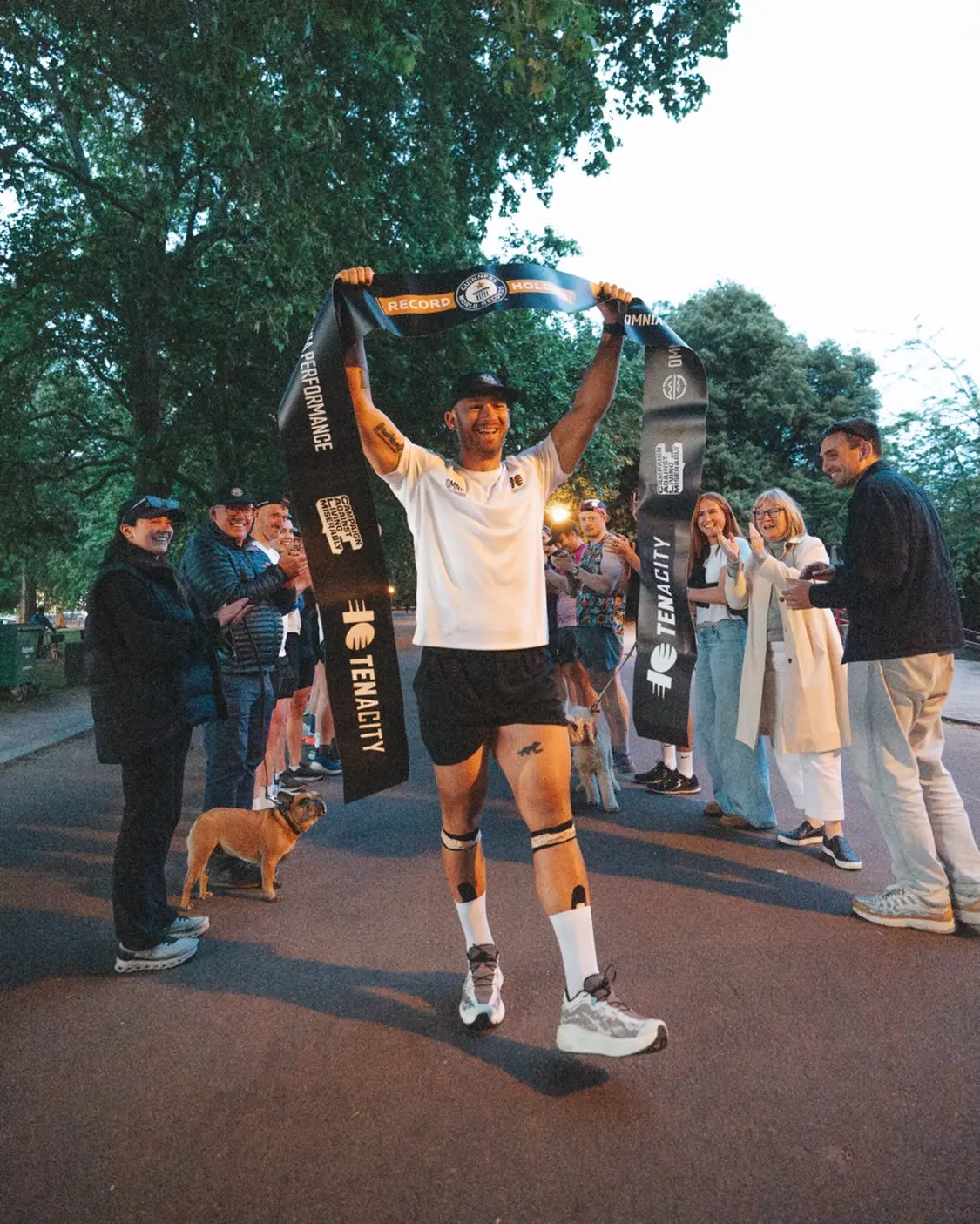
In 2018, Crawley fundraised for Movember and started to publicly discuss men's mental health. His first campaign raised approximately £25,000, with subsequent campaigns bringing the total above £100,000.
He hopes his Project TENacity documentary Down, Not Out will inspire others to seek support, embrace vulnerability and discover the benefits of physical activity.
“My aim is that someone watches the film, that's not going through the best of times, and they see something in someone that features that makes them feel that they can talk about it with those around them,” Fergus said.
Down, Not Out, drops on 19 November 2026 on International Men's Day.
If you’ve been affected by any of these issues and want to speak to someone in confidence, please don’t suffer alone. Call Samaritans for free on their anonymous 24-hour phone line on 116 123 or contact Harmless by visiting their website https://harmless.org.uk.
Topics: UK News, Originals, Guinness World Record
 Anish Vij