
Drivers make same 'money burner' mistake that 'wastes 30% of fuel' as rationing and 50mph speed limit proposed

The UK's diesel supply is in dire straits and it is hitting drivers where it hurts - their wallets.
The Strait of Hormuz is still not back in full working order, which has had a massive knock on effect on the world's oil and gas supplies. As a result, we're now running low and prices are continuing to skyrocket.
Although us mere mortals can't do much to get the critical waterway back open, we can at least avoid making costly mistakes that could see us burn through up to 30 percent more fuel than necessary.
Diesel prices in the UK have officially hit a new high, as it will now set you back a whopping 199.18p a litre on average, according figures released by the RAC on Monday (28 September).
Advert
That's 56.8p more expensive than it was when the US first waged war on Iran on 28 February, and it has surpassed the previous record set in the wake of Russia’s invasion of Ukraine in 2022.
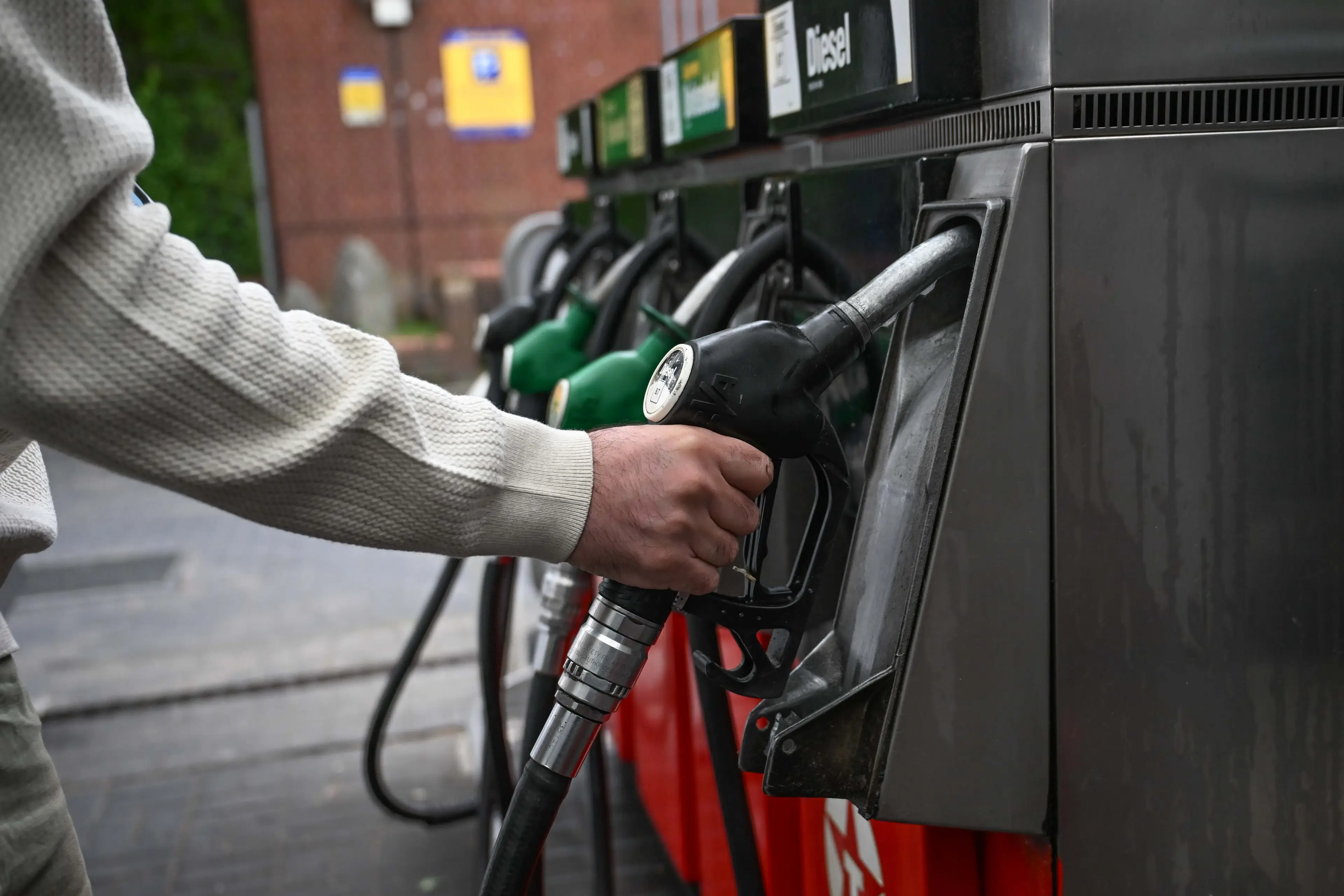
This is all down to the global supply chain going kaput as a result of these conflicts, and motorists are paying the price.
"The diesel price has entered new uncharted territory,” said Simon Williams, the head of policy at the RAC said. "This spells pain not only at the pumps for drivers, but for everyone who buys goods or services that rely on diesel lorries and vans. Undoubtedly, these increased costs will be passed on to consumers."
Reports have emerged suggesting that the UK has just 42 days of diesel supplies left - while the US has 677 days, Canada has 1,382, and Japan has 1,025.
If push comes to shove, the UK government could impose a ranking system to decide who gets priority on petrol forecourts under the Department for Energy Security & Net Zero's National Emergency Plan for Fuel.
Small changes have a 'big' impact
According to RAC boss Williams, only a 'sustained lower oil price - over several weeks, not days - will lead to cheaper prices at the pumps'.
However, in the meantime, there are things that you can be doing to retain as much diesel as you can while you are on the road.
Money Saving Expert founder Martin Lewis previously shared some top tips to save fuel and in turn, money - and explained that although these changes 'seem small', they 'have a bigger impact than you think'.
He claimed that UK drivers could reduce their fuel consumption by up to 30 per cent if they take his advice.
During an episode of ITV's The Martin Lewis Money Show Live in March this year, the finance expert told viewers to take it easy on the accelerator, as it's actually 'a money pump'.
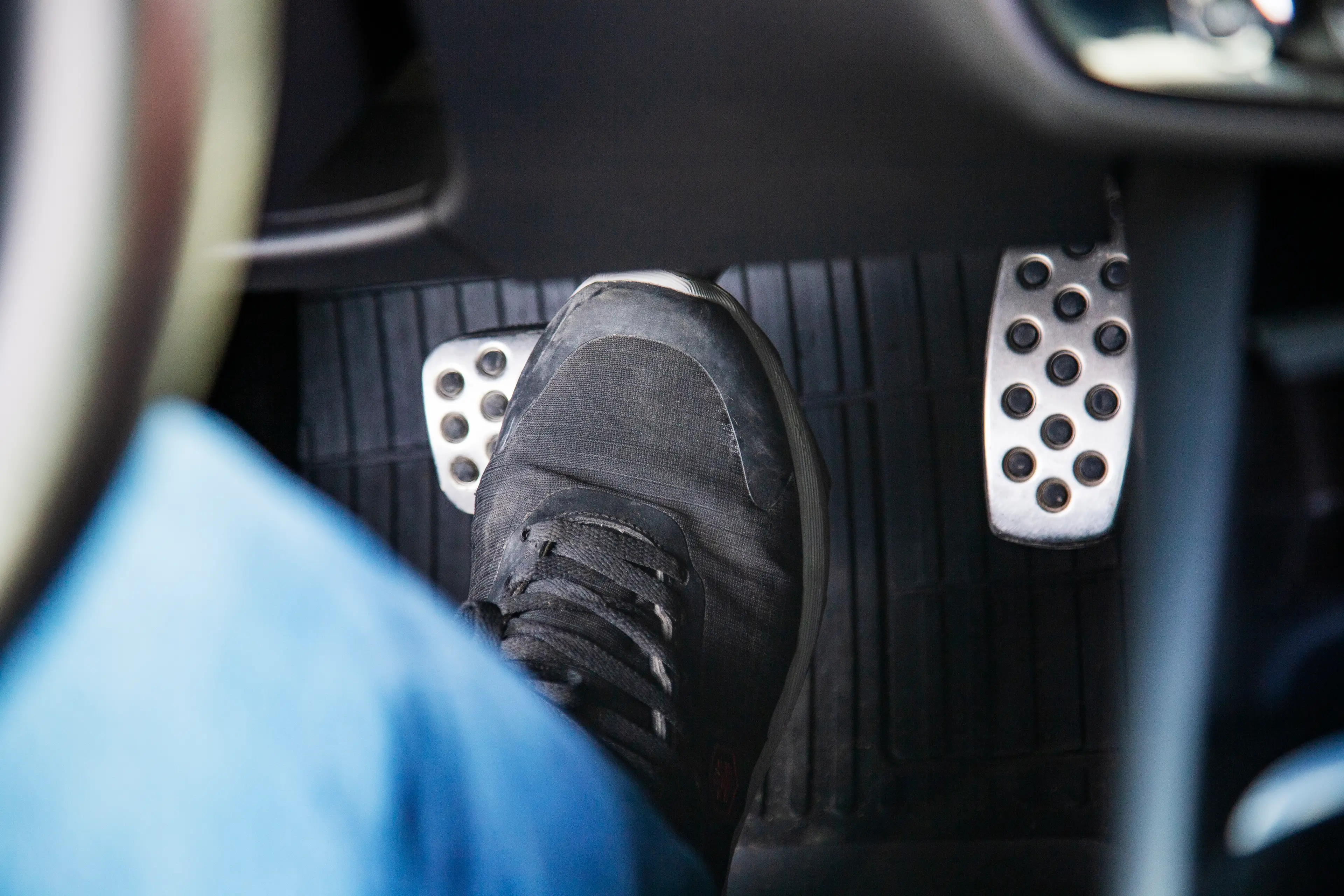
"When you are pressing it, you are spending the fuel that you have put into the car," Lewis said.
"Your brake isn't much better; it's a money burner because when you're braking, you are converting the energy stored into the car into heat and throwing it away."
Lewis clarified that although accelerating and braking is an integral part of driving, doing this too excessively will diminish your fuel faster and force you to return to the petrol forecourt sooner.
He added: "So it all sounds a bit silly on the back of that, but when they do studies, making your car more efficient and driving a better way can cut 10 percent to 30 percent off your petrol and diesel cost, depending on where you start. So it really is worth having a look at, especially at the moment when prices are high. Not rocket science, but worth knowing."
The Money Saving Expert website also offers further advice on cutting the amount of fuel you're burning through.
Other top tips
This includes keeping your tyres inflated at the correct pressure to decrease the drag on your vehicle, clearing out your car of any unnecessary weight as it takes 'less effort' to accelerate and removing a roof rack.
It also recommends that drivers only use air-conditioning when 'you really need it'.
Other top tips include premeditating your position on the road so you can 'move gradually', speeding up 'smoothly' rather than like a boy racer and changing gear sooner rather than later.
Lewis tried out all of these tips while using a hire care overseas which had a km/litre readout, explaining he 'drove normally on the way there and used the 'think when pressing the pedal' method above on the way back.'
Reporting on how this panned out, he said: "The improvement was enormous. Overall, I drove about 500 miles, and the different 'efficiency' averages per litre of petrol were incredible: for normal driving, it was 11.2 km per litre, but for efficiency-conscious driving, a remarkable 13.4 km per litre.
"Most intriguingly, the efficient driving didn't cost me any time at all, and on motorways my top speed didn't change. Others drove harder, only to brake harder at the next traffic light..."
Topics: Cars, Driving, Money, UK News, Martin Lewis
 Olivia Burke