
Full list of medications that can pose risk to public during the heatwave

Millions of Brits are likely to be at an increased risk of dehydration, heatstroke and increased sensitivity to sunlight, as temperatures are set to soar later this week.
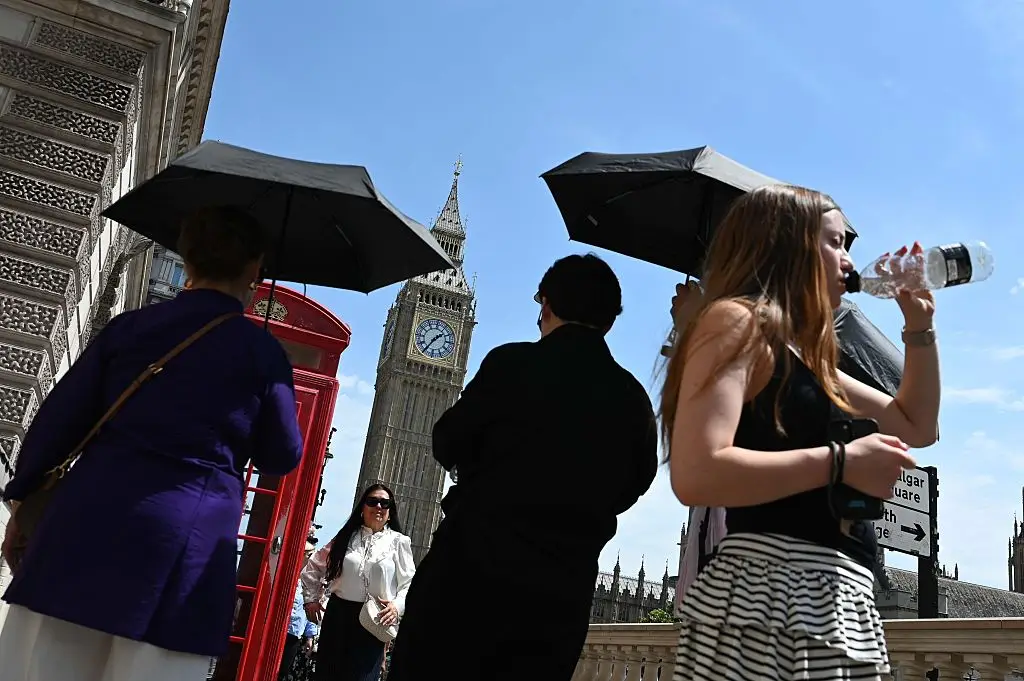
The UK is braced for its fifth heatwave of the year, with the mercury expected to tip 36C in certain areas of the country.
For most of us, the forecast means sitting outside and basking in the sunshine while enjoying a cold beverage or two.
However, the heat doesn't come without a health warning, with the UK government putting out a reminder for anyone who takes certain prescription and over-the-counter medications.
Which medications affect the body's temperature?
"Some commonly used medicines can affect the body’s ability to stay hydrated, regulate temperature, or protect itself from sun exposure," MHRA Chief Safety Officer, Dr Alison Cave, said in a statement.
Advert

According to Dr Cave, people taking the following medications need to be extra careful in the coming days.
Diuretics
Commonly referred to as 'water pills', diuretics are often prescribed to help the kidneys clear excess salt and water through more frequent urination.
This lowers the body's blood pressure, with the drug often prescribed to people with heart conditions.
However, the increased fluid loss means that dehydration is more likely, which the body is already at risk of during a heatwave.
Antidepressants, antipsychotics and beta blockers
Used to treat mental health conditions such as depression, anxiety, mood disorders and psychosis, these drugs can lead to the body struggling to regulate its temperature due to the impact the medication has on the brain's hypothalamus.
You're also at risk of excessive sweating, which again can lead to faster dehydration.
In extreme cases, this can lead to a person developing heatstroke.

Commonly prescribed antidepressants include SSRIs such as sertraline, citalopram or fluoxetine, while beta blockers include metoprolol and propranolol.
Antipsychotic meds that have the same impact on the body include: Olanzapine, Clozapine, Quetiapine, and Risperidone.
Certain antipsychotics also cause an increased risk of photosensitivity, meaning you're more likely to experience sunburn.
Antibiotics
Like the above, certain commonly prescribed antibiotics can also increase your sensitivity to the sun's rays.
This includes treatments such as doxycycline and tetracycline, which are prescribed for most bacterial infections.
Other medications which increase your risk of sun sensitivity include:
- Acne medications (such as isotretinoin and topical retinoids)
- Antifungal drugs such as voriconazole
- Disease-modifying antirheumatic drugs (DMARDs) such as methotrexate and azathioprine, often used to treat conditions including rheumatoid arthritis, psoriatic arthritis and lupus
- Proton pump inhibitors (PPIs), commonly used to treat acid reflux and heartburn
- Painkillers ibuprofen and naproxen

Symptoms of heat exhaustion and heat stroke
According to the NHS, heat exhaustion symptoms to be aware of include the following:
- tiredness
- dizziness
- headache
- nausea or vomiting
- excessive sweating and skin becoming pale and clammy
- cramps in the arms, legs and stomach
- a high temperature
- being very thirsty
- feeling irritable
If the body cannot cool down within 30 minutes, this may be a sign of heatstroke, a serious medical condition which needs prompt attention.
Symptoms of heatstroke include:
- a very high temperature
- hot skin without sweating
- fast breathing and a fast heartbeat
- confusion and restlessness
- seizure
- loss of consciousness
How to reduce the risk of falling ill during a heatwave
For anyone worried about complications from sun exposure, Dr Cave recommends staying hydrated, avoiding the strongest sun during the middle of the day, and using protective clothing and sunscreen.
"Simple precautions can make a significant difference," she added.
 Brenna Cooper