
Retatrutide warning after legal loophole exposed for unregulated weight loss treatment

Retatrutide, or 'Reta' for short, is a drug that appears to be cropping up everywhere at the moment – but is it currently safe to take?
Nicknamed the 'Godzilla' or the 'final boss' of weight-loss drugs, Retatrutide is an injectable 'triple G' agonist medicine that targets GLP-1, GIP, and glucagon in the body, suppressing appetite and slowing digestion.
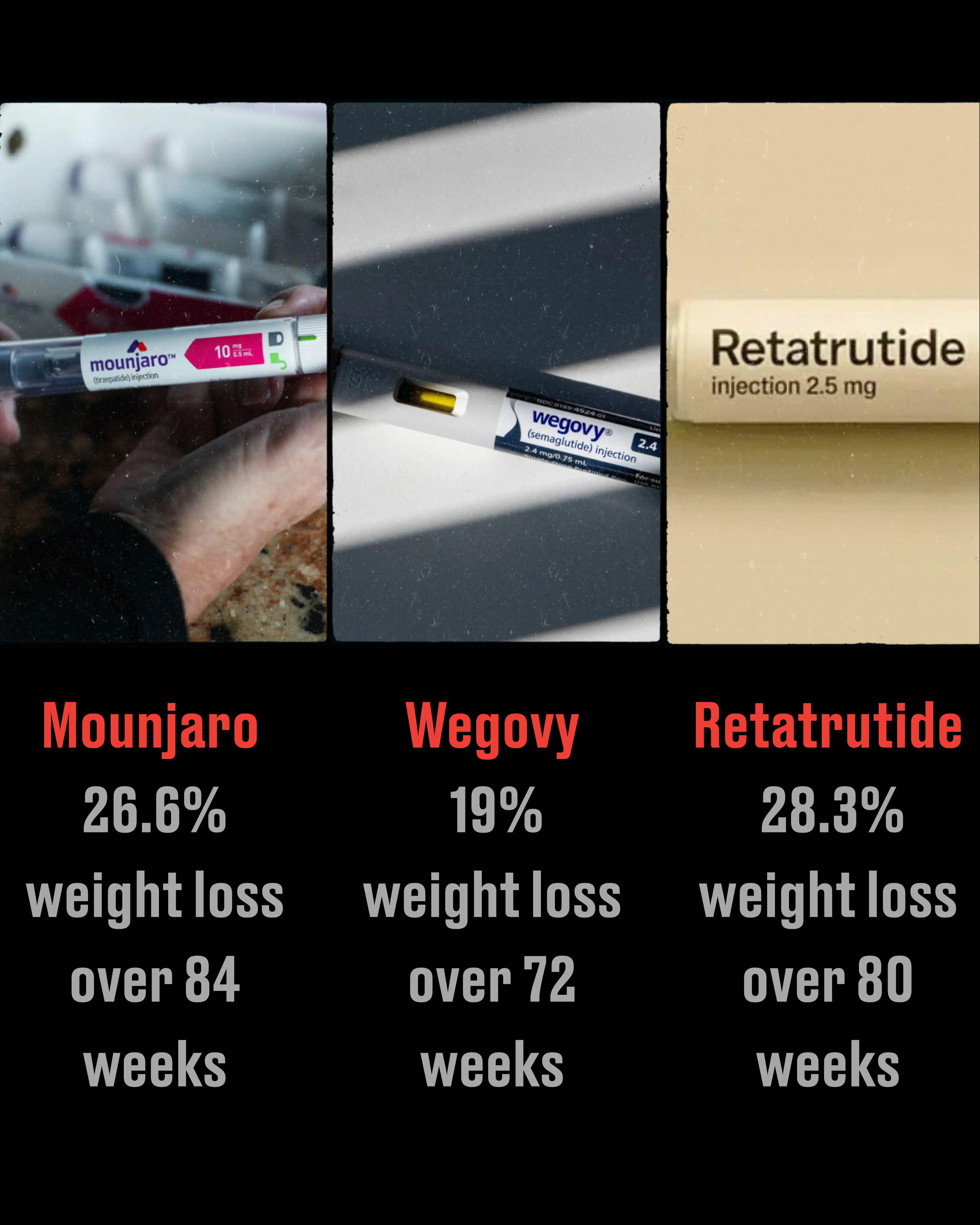
It is essentially a stronger version of Wegovy and Mounjaro, weight-loss medications which are currently available to qualifying patients in the UK.
There has already been a huge rise in searches for Retatrutide, with recent Google data showing a spike in terms like 'Reta', 'Retatrutide' and 'Retatrutide peptides'.
Advert
It's also exploded across social media, where users are now promoting the drug - often using the nickname 'ratatouille' or 'r3ta' to bypass restrictions - promising not only weight loss but also improved body composition, a reduction in 'food noise' and stronger impulse control.
There's only one issue: Retatrutide is still undergoing clinical trials and isn't licensed for consumption by any health agency in the world.
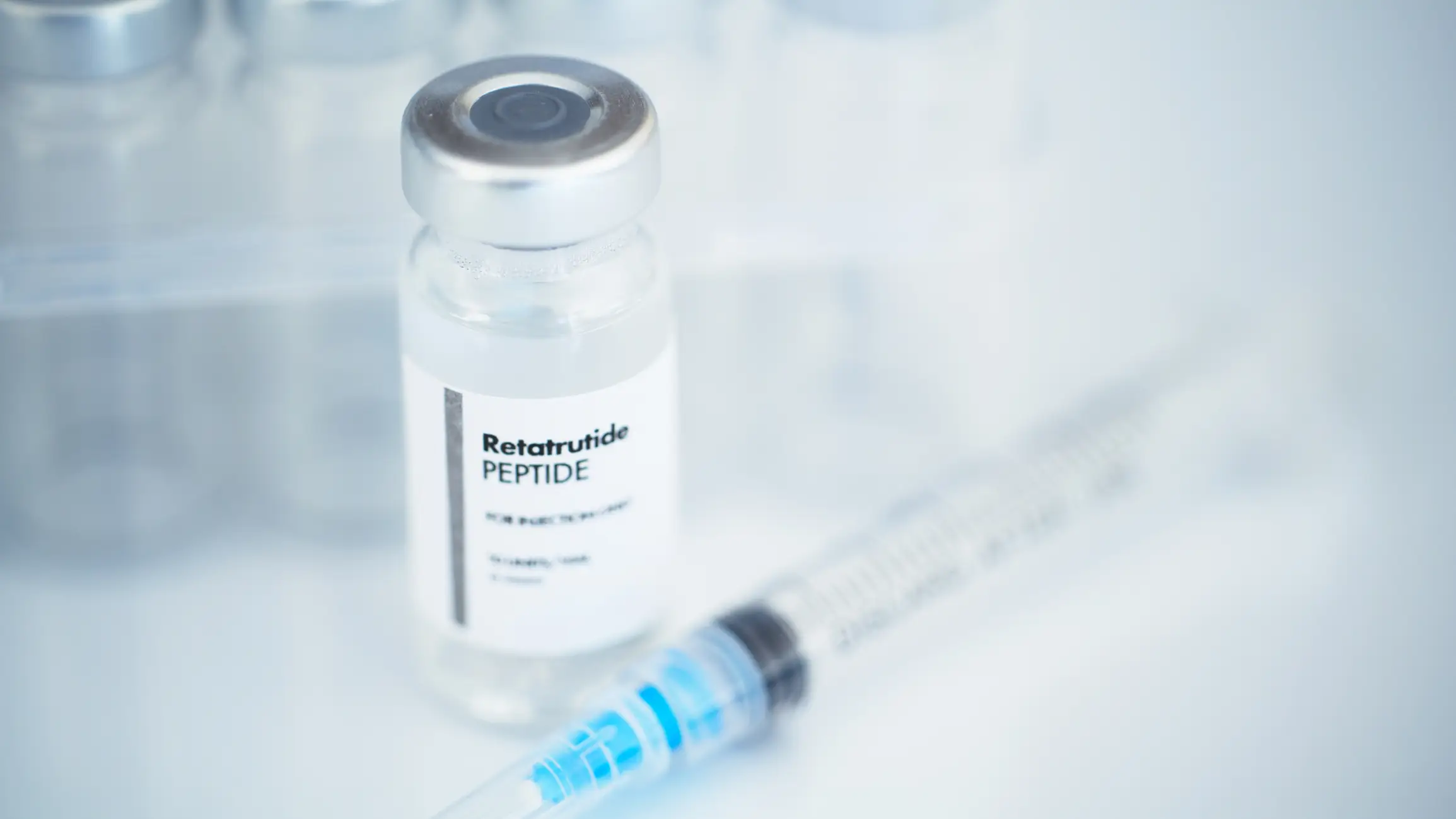
Retatrutide is an 'investigational molecule and cannot legally be sold to the public'
The drug is currently undergoing a clinical trial with manufacturer Eli Lilly, the company which produces Mounjaro, with Phase 3 clinical trials to test the medication's effectiveness for weight loss and type 2 diabetes currently ongoing.
However, this hasn't stopped people from turning to the grey market to purchase Retatrutide off-label.
Following an investigation, LADbible was able to find various online listings for the compound - offered for as little as £44 - alongside warnings that the drug is for 'research purposes only' and not 'human consumption'.
And it's for this reason that health experts are keen to warn people against purchasing the drug before it receives a green light from regulatory bodies.
"If someone claims they can sell Retatrutide online, consumers should approach that with extreme caution," Anneliese Cadena, AGNP-C, Clinical Advisor at Feel30, told LADbible.

"There is no reliable way to verify what is actually contained within an unregulated injectable product, whether it has been manufactured safely or whether the dosage is accurate."
ASDA Online Doctor's Dr Kathryn Basford also warned against consuming the medication, saying that drugs which have not received official approval are 'likely illegal and potentially dangerous'.
"Because Retatrutide isn’t licensed for use in the UK yet, suppliers claiming to sell it for personal use are likely illegal and potentially dangerous," Dr Basford explained, adding that the drug is unlikely to get approval until 2027 or 2028.
"Taking any form of medication before official approval is never advised and should be avoided at all costs."
Manufacturer Eli Lilly has also warned about the risks of taking Retatrutide before it passes the necessary clinical trials, calling the drug an 'investigational molecule' which 'cannot legally be sold to the public' in a statement to LADbible.
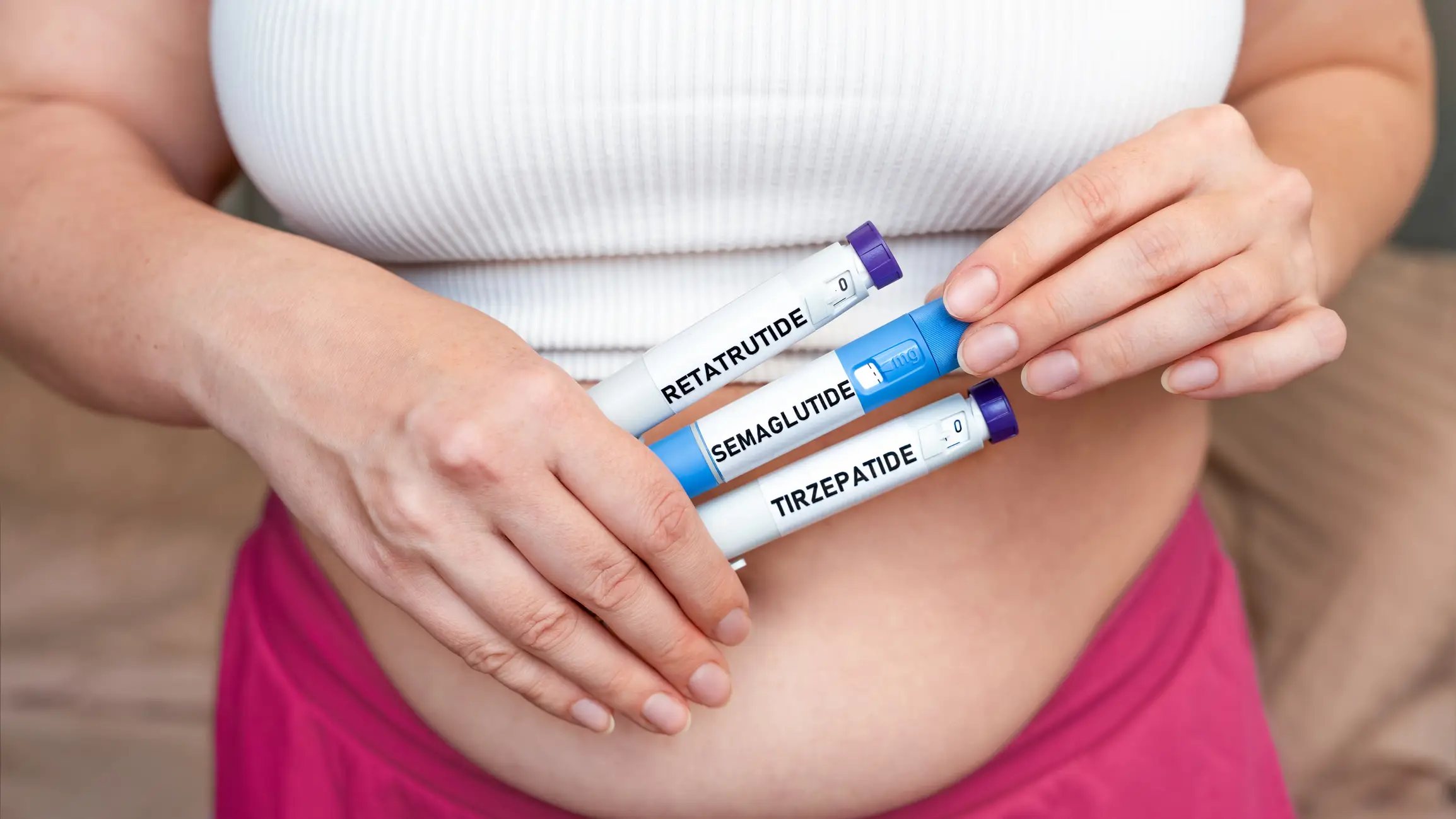
Side effects and overall effectiveness of Retatrutide 'still to be determined'
Dr Basford was also keen to highlight that potential side effects caused by Retatrutide are still under investigation, meaning that anyone taking the drug could be putting themselves in harm's way.
"You can’t be 100% clear on what the pens contain, and whether the contents are what you think they are, posing a risk of potential harmful substances," she explained.
"In addition to the health risks, counterfeit medication is unlikely to even be effective as there is no certainty on what the treatments contain."
Results from clinical trials published on Retatrutide revealed that participants had experienced side effects such as nausea, vomiting, diarrhoea and constipation, similar to symptoms caused by other GLP-1 medications. Meanwhile, less common side effects include potential heart arrhythmias, which Dr Basford notes could potentially be dangerous for people with pre-existing heart conditions.

There is also a risk of complications caused by interactions between Reta and other medication a person is currently taking.
"Trials remain ongoing, and conclusions are yet to be drawn." Dr Basford added. "It is hard to say what the potential complications could be. One of the most important things to consider is that at this stage in development, there is a lack of understanding as to how Retatrutide may interact with other medications, which is a key danger for anyone taking some form of prescribed medicine."
She added: "Whether on medication or not, I would strongly urge people to not seek weight loss medication not yet available to the public."
What has Eli Lilly said about increasing Retatrutide use?
In a statement to LADbible, a spokesperson for Eli Lilly said the following: "Retatrutide is an investigational, once-weekly, triple hormone receptor agonist, which activates the body's receptors for glucose-dependent insulinotropic polypeptide (GIP), glucagon-like peptide-1 (GLP-1), and glucagon. It is an investigational molecule and cannot legally be sold to the public. It has not been reviewed or approved by any regulatory agency in the world. No one should consider taking anything claiming to be retatrutide outside of a Lilly-sponsored clinical trial. The company continues to warn the public about the potential dangers of fake medicines.
"Based on data from the TRIUMPH-1 study of retatrutide announced on 21 May 2026, the types of adverse events seen were generally consistent with trials of other incretin-based therapies. The most common adverse events among participants treated with retatrutide (4 mg, 9 mg, 12 mg, vs. placebo, respectively) were nausea (28.6%, 38.4% and 42.4% vs. 14.8%), diarrhea (25.2%, 34.1% and 32.0% vs. 13.5%), constipation (23.8%, 25.9% and 26.1% vs. 10.9%), vomiting (10.6%, 22.8% and 25.3% vs. 4.8%), and upper respiratory tract infection (14.2%, 12.2% and 13.1% vs. 11.6%). Incidences of dysesthesia occurred in 5.1%, 12.3%, and 12.5% of patients treated with retatrutide 4 mg, 9 mg, and 12 mg, respectively, compared with 0.9% with placebo, and incidences of urinary tract infections occurred in 7.5%, 8.8%, and 8.4% of patients treated with retatrutide 4 mg, 9 mg, and 12 mg, respectively, compared with 5.3% with placebo. Events of dysesthesia and urinary tract infections were generally mild to moderate, the majority resolved during treatment, and most participants continued taking retatrutide. Discontinuation rates due to adverse events were 4.1%, 6.9%, 11.3%, with retatrutide 4 mg, 9 mg, and 12 mg, respectively, compared with 4.9% with placebo."
Topics: Health
 Brenna Cooper