UK calls out Putin after discovering ‘secret operation’ in British waters

Russian submarines were caught performing a 'covert' mission in British waters, according to the defence secretary.
Earlier today (9 April), Defence Secretary John Healey revealed that three Russian vessels had been targeting undersea cables and pipelines responsible for carrying British data and energy.
"Our armed forces left [Russia] in no doubt that they were being monitored, that their movements were not covert, as President Putin planned, and that their attempted secret operation had been exposed," Healey told reporters during a press conference at Downing Street.
Healey went on to explain that a British warship and aircraft were able to monitor and deter the Russian submarines by placing sonar buoys in the water.
Advert
"We watched them, we were able to track them, we dropped sonar buoys to demonstrate to them that we were monitoring every hour of their operation," he continued.
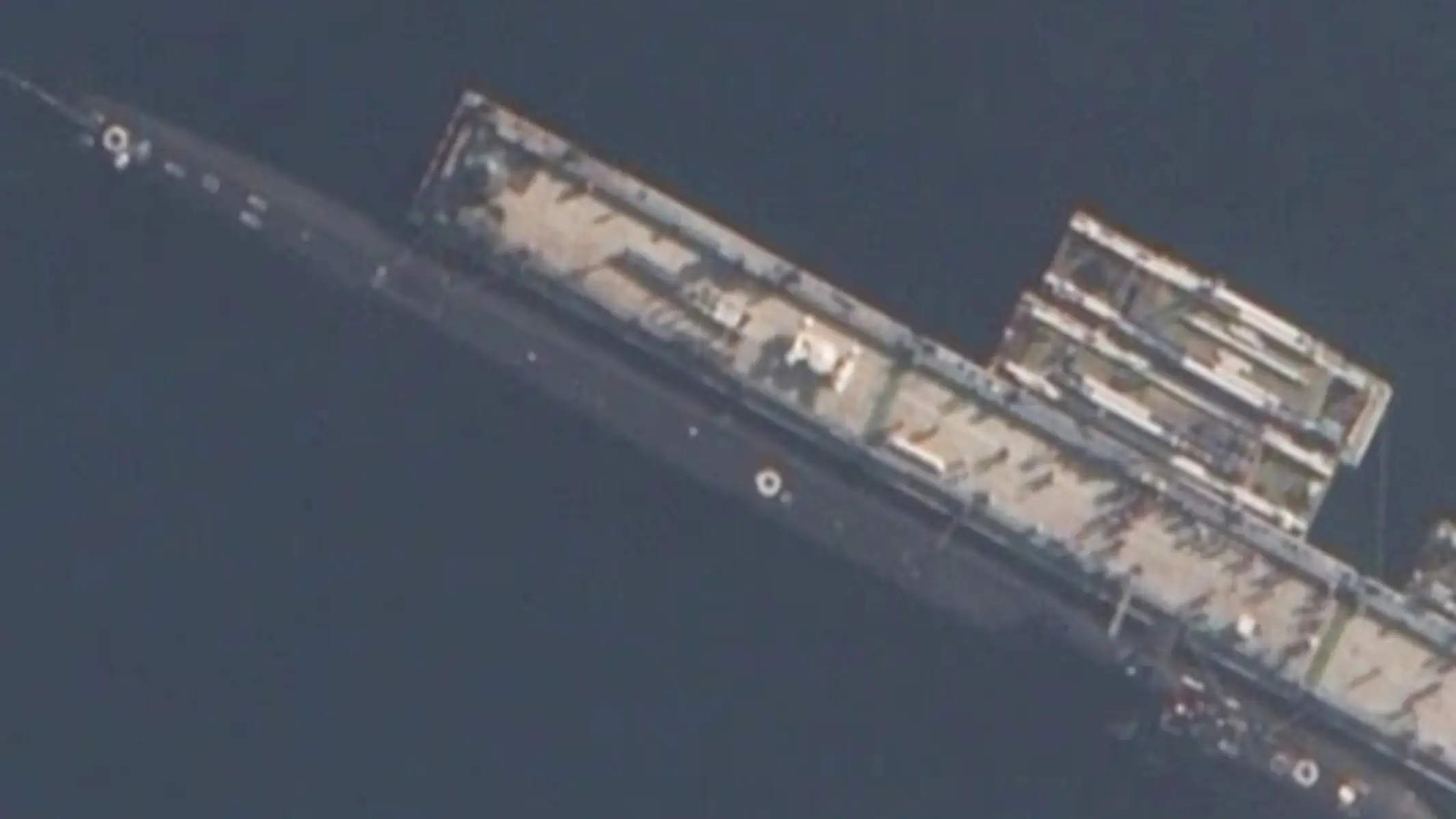
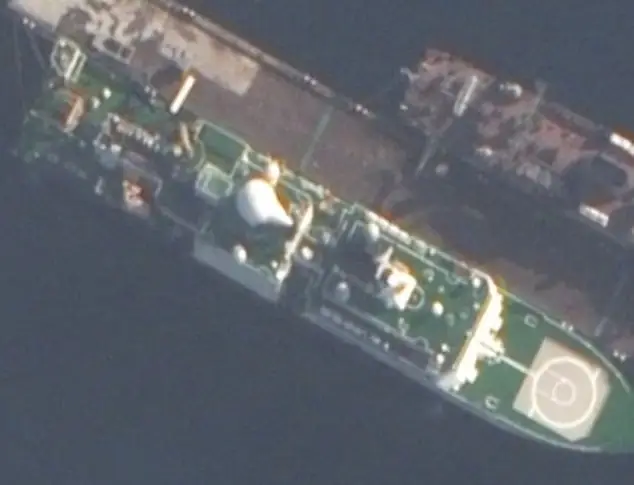
Amongst the vessels found in British waters were an Akula-class nuclear submarine and two (Main Directorate of Deep-Sea Research) GUGI spy submarines. The former was understood to have been used as a decoy while the GUGI vessels gathered intelligence.
Healey added that the Akula submarine left British waters shortly after detection, while the two spy submarines remained to carry out surveillance.
The two GUGI submarines have since left British waters and 'headed back north'. Healey claimed this wasn't the first time that GUGI submarines had been sent to British waters to 'conduct hybrid warfare activities'.
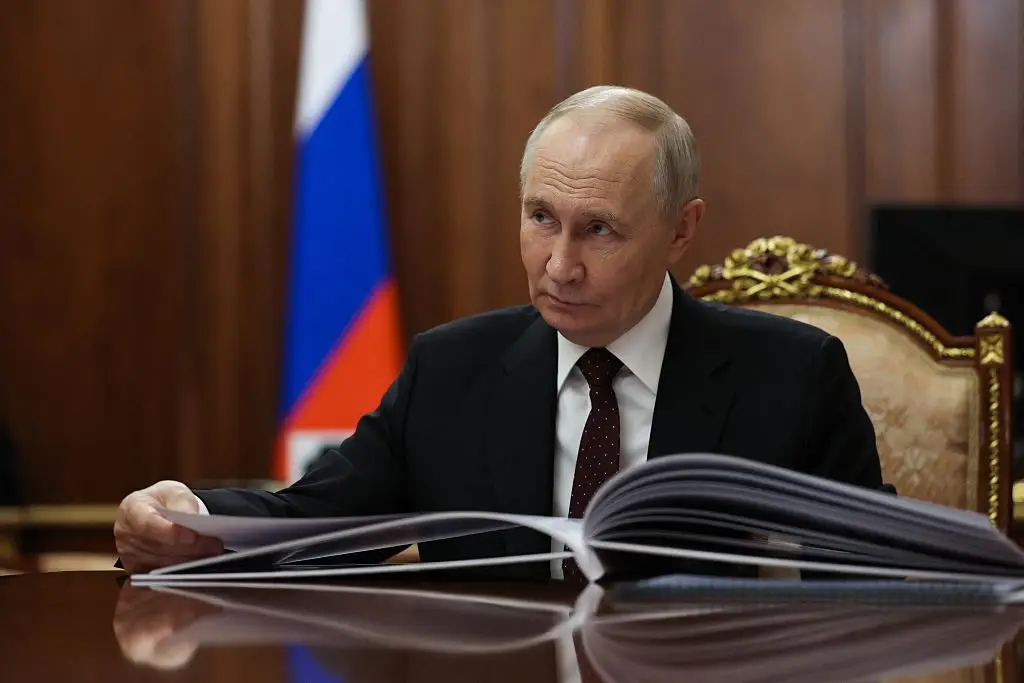
Going on to address Russian President Vladimir Putin directly, Healey said that further interference with British infrastructure would not be tolerated, warning of 'serious consequences'.
"We see you. We see your activity over our cables and our pipelines, and you should know that any attempt to damage them will not be tolerated and will have serious consequences," Healey said.
The Russian embassy in London has since denied the claims, according to the BBC, which is citing Russia's state-run Tass agency.
How important are British undersea cables?
There are an estimated 60 undersea cables connected to the UK coastline, and they play a crucial part in keeping us connected to the outside world, including the provision of well over 90 percent of our data.
The consequence of damage to these cables would be severe, with Labour's Lord John Hutton saying the 'fundamentals of national life today would be at risk'.
"Undersea cables are now the most important part of our national infrastructure. Without them, we’d be propelled back almost into the dark ages," he said, via National Security News.
Healey confirmed there was 'no evidence' of any damage to UK infrastructure. "I'm confident, we have no evidence that there has been any damage, but with allies, we're sure that this is now verifiable," he told reporters.
Topics: UK News, Vladimir Putin, Russia, Politics
 Brenna Cooper