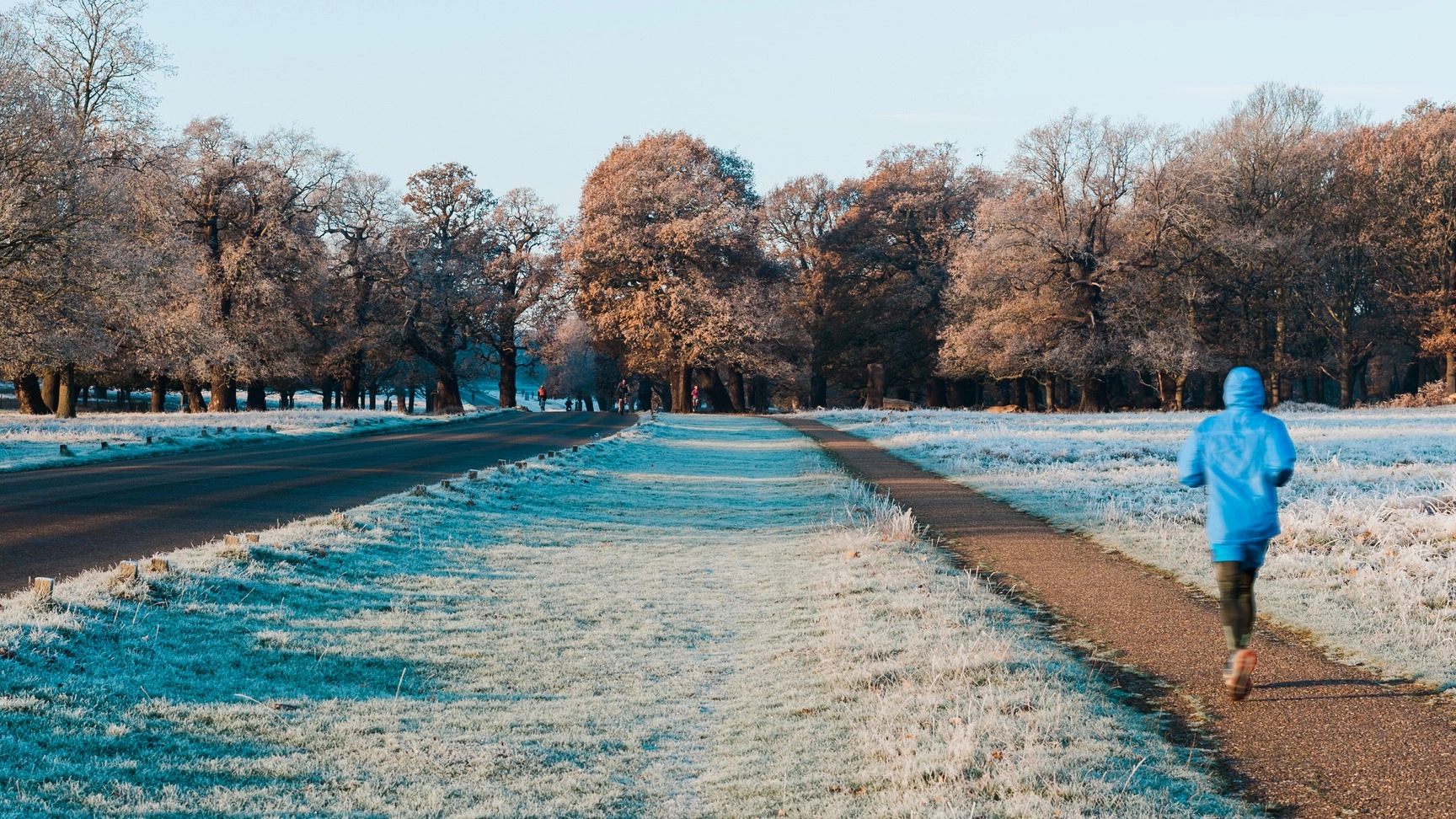
Polar Vortex and ‘stratospheric’ weather fears grow as critical ‘risk to life’ alert issued

An urgent warning has been issued to cover parts of the UK amid fears of the Polar Vortex weather phenomenon bringing a blast of cold which could impact our winter.
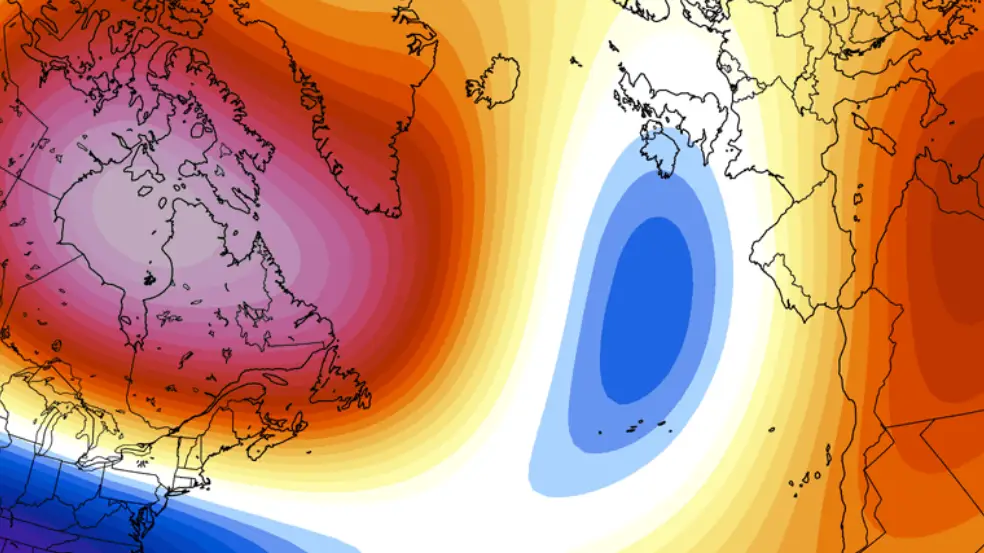
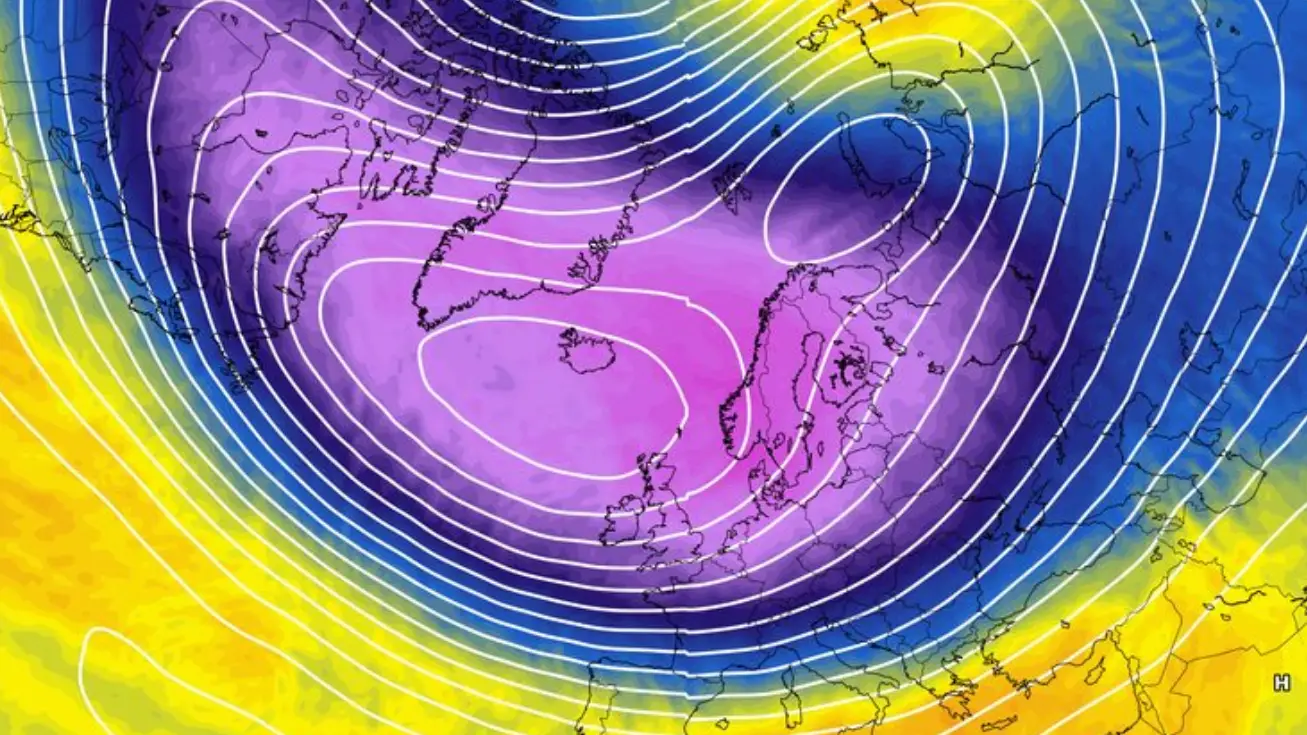
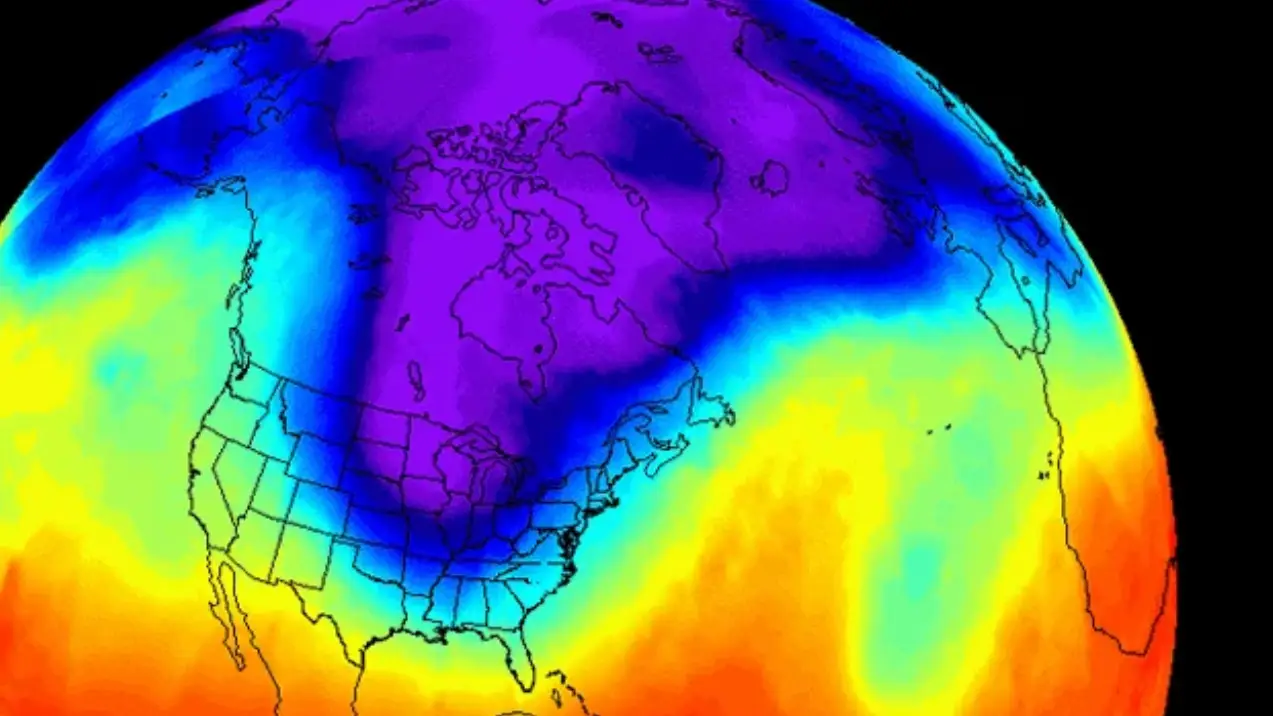
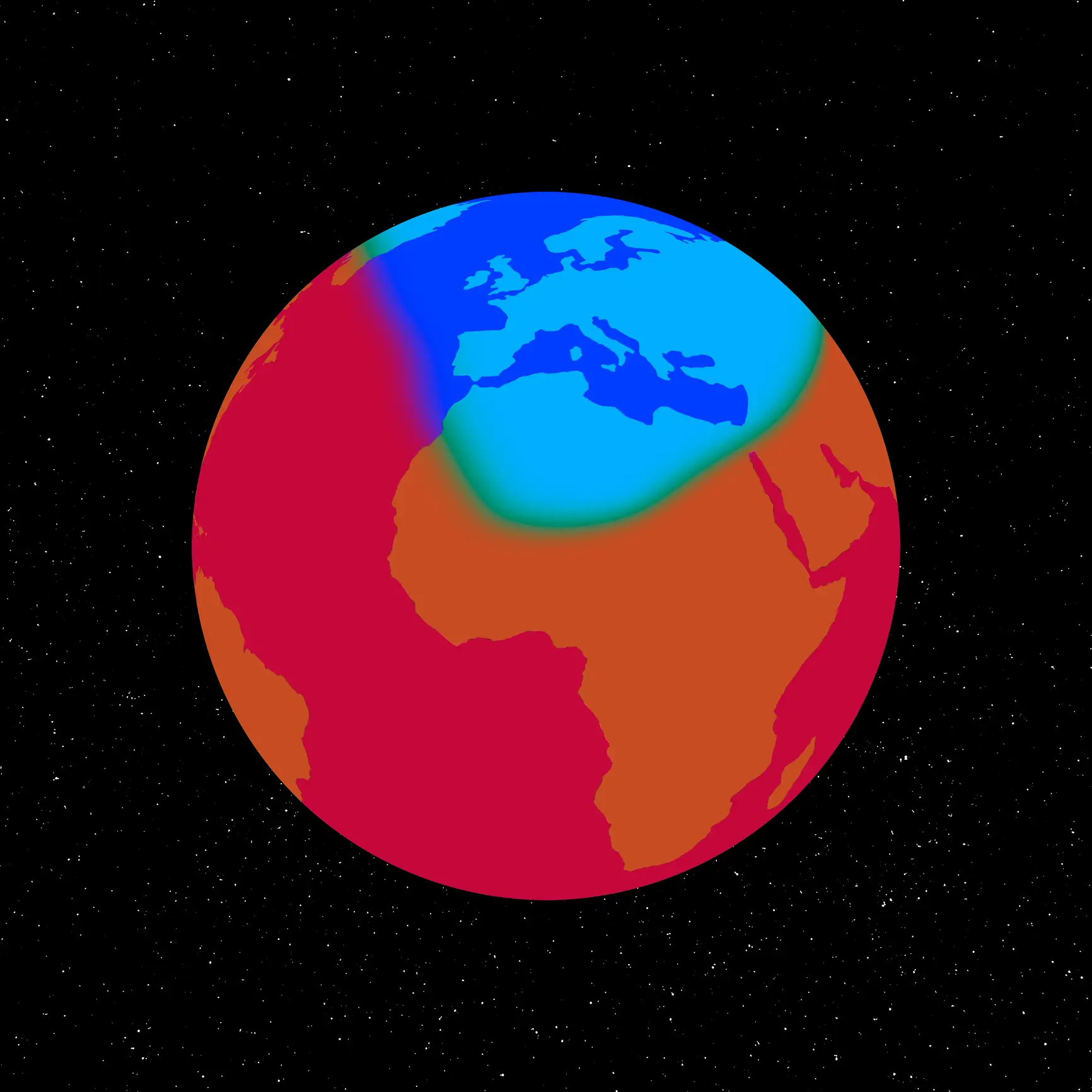
The Polar Vortex has made a number of headlines in recent weeks, and defines a large region of very strong winds that sit high above the Arctic during the winter, which could directly impact on our weather here in the UK.
It traps the air high in the atmosphere near the North Pole, but when it weakens and breaks up there is a risk of it pushing colder air to the south, which could result in colder weather conditions for parts of Europe.
Following predictions temperatures would plunge in parts of the UK to as low as -6C, it has triggered a series of health alerts across certain areas issued by the UK Health Security Agency (UKHSA).
Advert
Meteorologists and experts have already warned that the Arctic polar winds are splitting into two, which is pushing Arctic air towards Britain and parts of Europe.
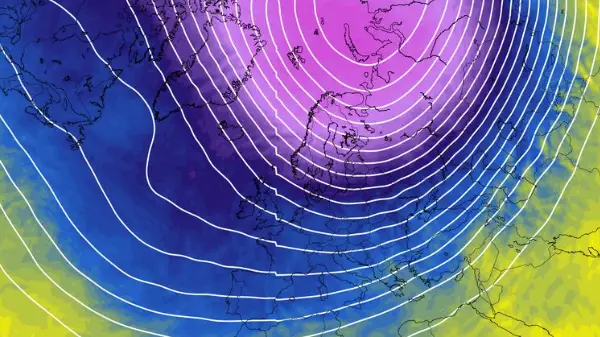
This is an event called a 'sudden stratospheric warming (SSW)' which is also developing, created due to the difference in freezing Arctic and warmer areas further south.
Experts have said the SSW is occurring the earliest on record. The Polar Vortex collapsing early could therefore drive much colder and drier temperatures.
One unexpected impact of this over the winter months would be continued drought, which remains at 'severe' levels in some part of the UK. The Polar Vortex is also likely to result in a higher demand on energy, according to scientists.
What a yellow health warning really means
The fears of much colder temperatures have now prompted the UKHSA to issue a fresh alert for the North West of England, North East of England and Yorkshire from 9pm on Sunday and lasting until Thursday.
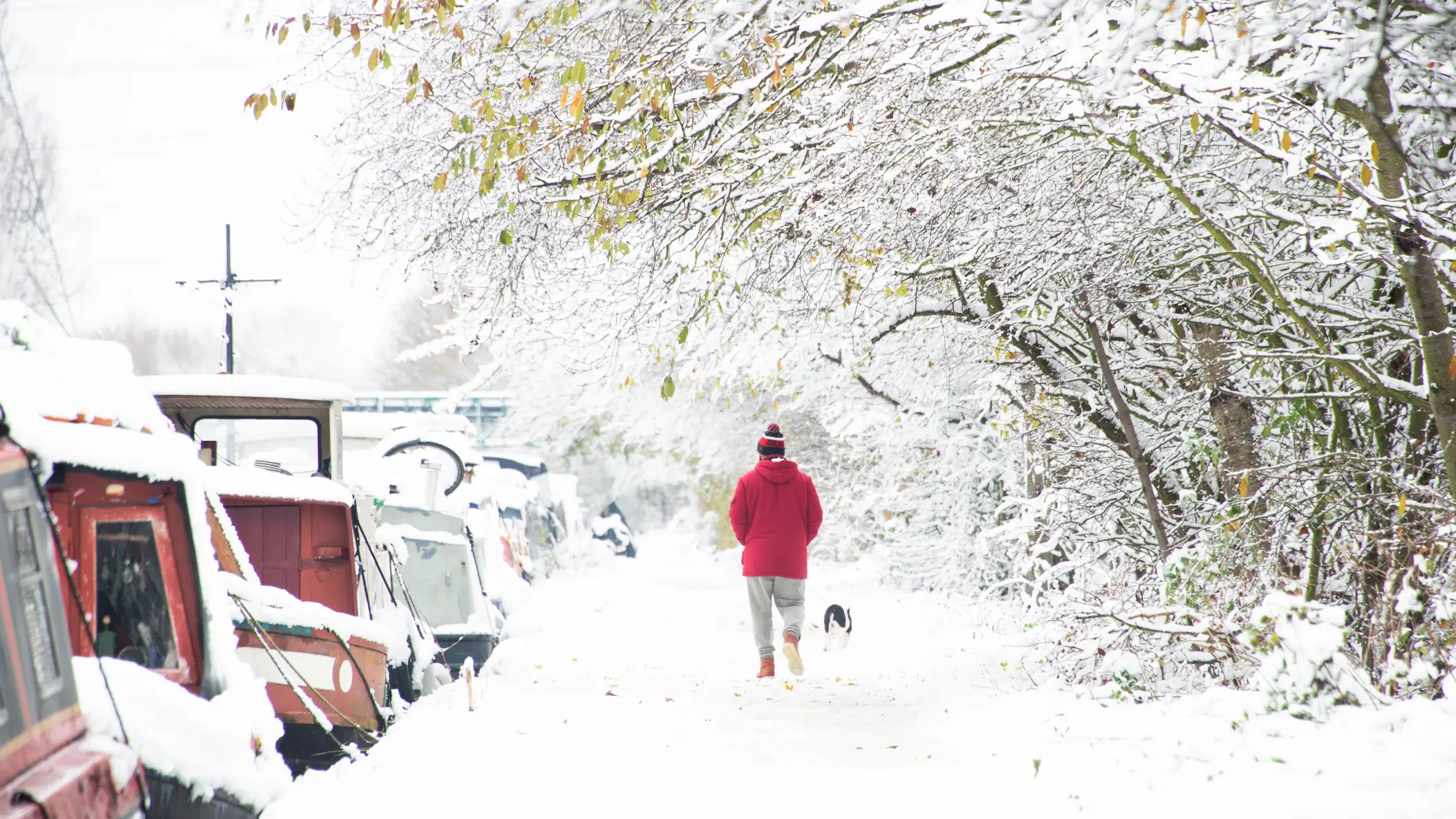
The Met Office said that parts of the UK have suffered through two freezing nights with many recording their lowest temperatures so far this autumn and warnings of cold snaps as low as -6C.
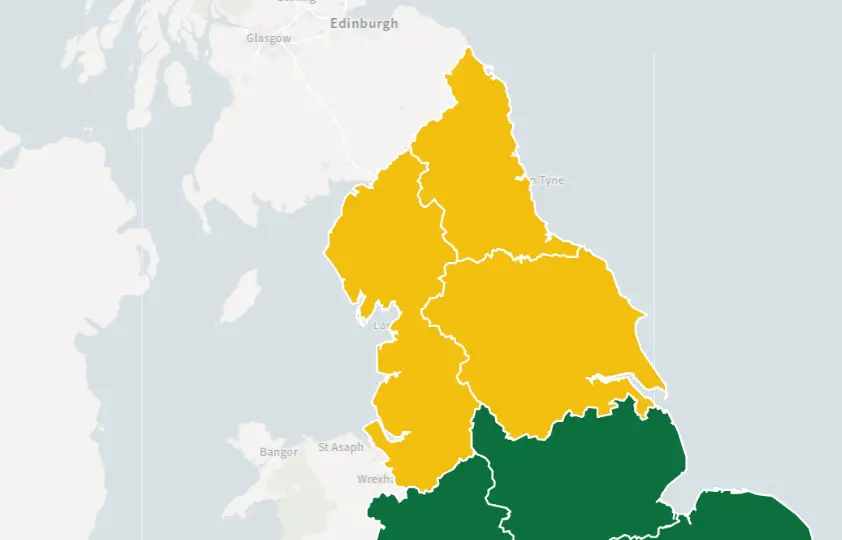
The yellow alert states that vulnerable people face a 'greater risk to life' and the possibility of an increase of use on vital healthcare services.
Paul Coleman, Consultant in Public Health at UKHSA, explained: “This is the latest cold-health alert of the season, and we can expect more as we move further into winter.
"Cold weather can have a serious impact on the health of some people, including those aged 65 and over and those with pre-existing health conditions, so it is vital to check in on friends, family and neighbours who are most vulnerable.
“We’re also reminding people to take simple steps to stay warm and look after their health. If you can, try to heat the rooms you spend most of your time in, such as your living room or bedroom, and dress warmly to help you stay safe and well during colder weather.”
Met Office explains 'widespread' cold
Meteorologists at the weather and climate service said the first widespread frost of autumn is a 'strong reminder that the forecast has entered a colder phase'.
It was predicted over the weekend that temperatures could plummet as cold as -6C in some areas.
Chris Bulmer, Met Office Chief Forecaster explained: “The UK forecast has moved to a colder phase with the daytime temperatures for most locations likely to stay in single figures.
"Overnight temperatures on Friday night will dip again to -4 or even -6 C in some locations, meaning another significant ground frost for many locations.”
Meanwhile, discussing the forward outlook, there is a change of snow hitting the UK over the coming days.
Met Office Deputy Chief Forecaster Steven Keates added: “The outlook is changeable with spells of rain, sleet and some hill snow.
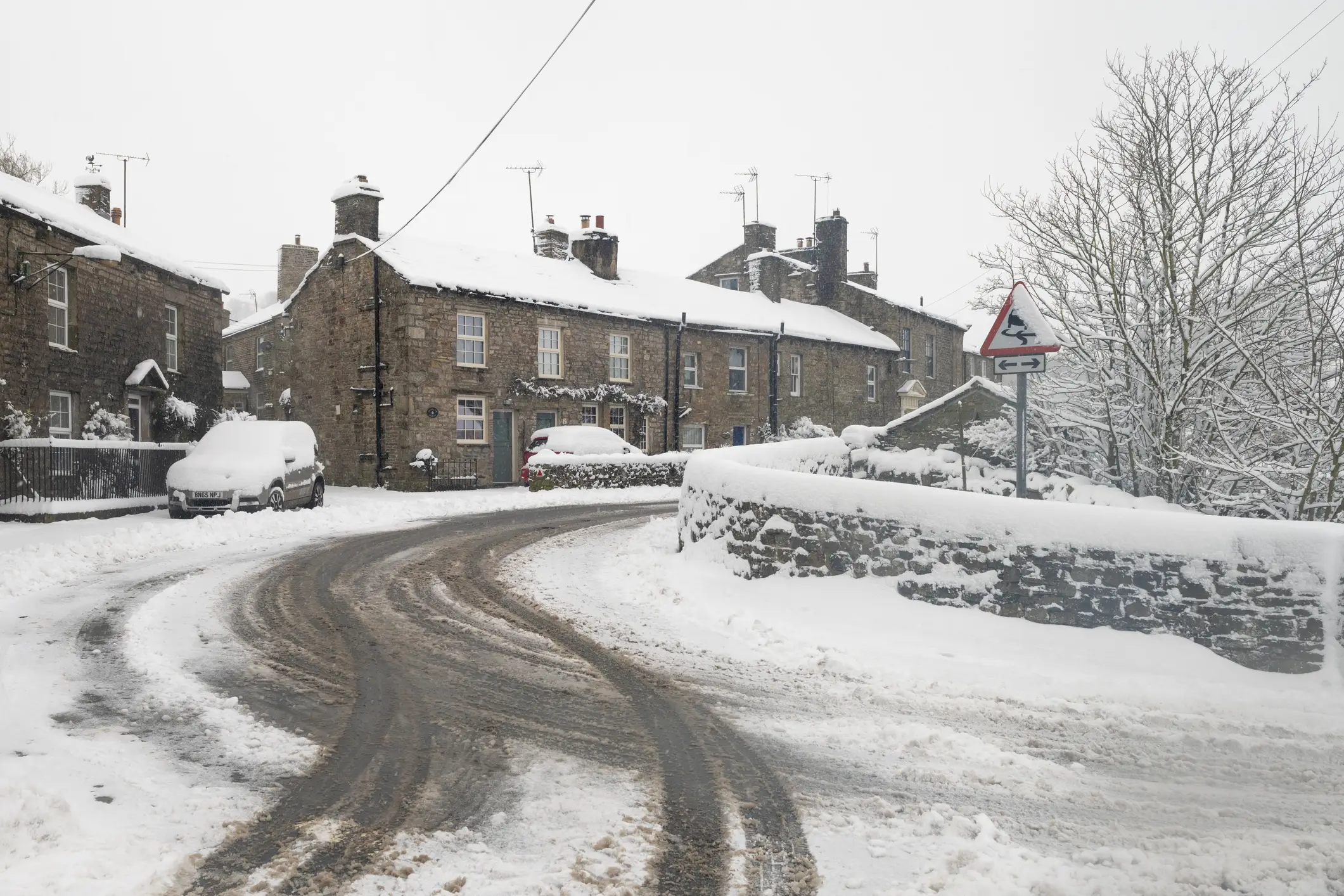
"On Sunday, low pressure will bring rain or showers to many areas. Precipitation will be most persistent across northern Scotland, where there is an increasing chance of snow developing later in the day.
"This will mainly fall over high ground, where accumulations are likely, but some snow could fall to lower levels too. Ice may also become a hazard."
 James Holt