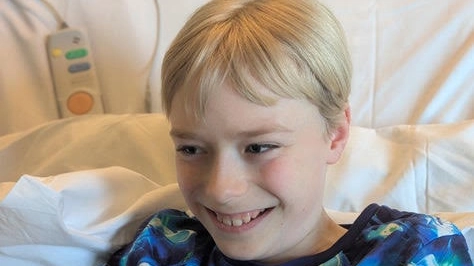
Boy, 10, makes heartbreaking plea to strangers to give him 'second chance of life' after skin 'turned pale'

A young boy who was diagnosed with an extremely rare and life-threatening disorder has made a heartbreaking plea after his mum noticed that his skin went pale.
Henry Teare, aged 10, from West Sussex, was just like any other boy his age before his family were handed devastating news earlier this year.
In May, the healthy and athletic youngster was diagnosed with a rare blood disorder and is now desperately searching for a stem cell donor to give him a second chance at life.
His mum Alison said that although Henry has always been 'naturally pale', that she knew something was wrong when she realised his cheeks weren't as rosy as normal. He then began feeling lightheaded while running and was experiencing breathlessness.
Advert
"Initially, we just thought that this was to do with his fitness levels," Alison explained. "We started to worry when he became unwell at school. Henry was still training for his school triathlon just before his diagnosis, but he was finding exercise more challenging.
"We had already booked a GP appointment when a friend commented on how pale he was looking, and recommended that we get his bloods checked, so we brought him straight to A&E.”
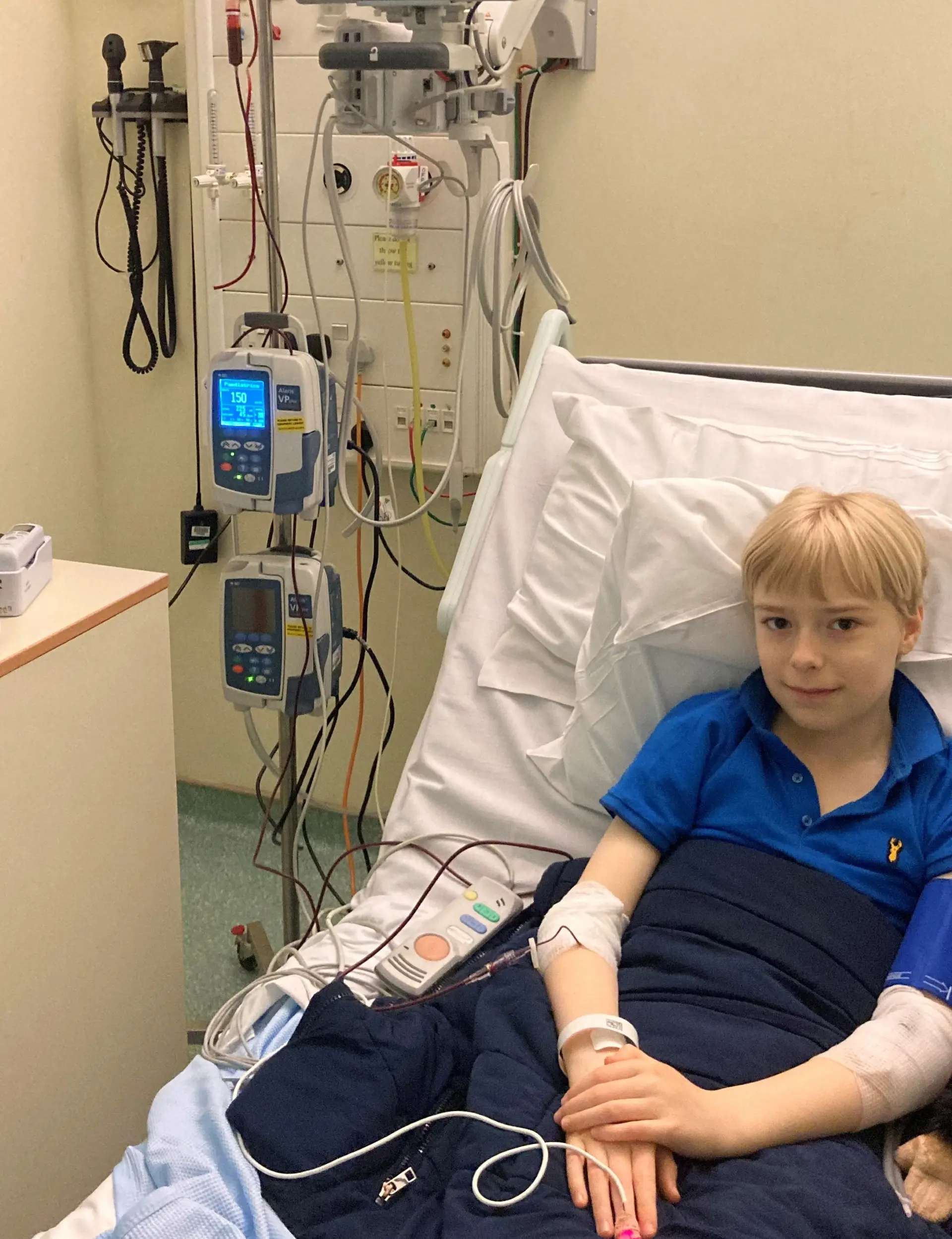
After rushing into hospital, Henry’s family were told his haemoglobin and platelet levels were dangerously low, and that he also had a heart murmur due to the low red blood cell count. He was immediately transferred to the High Dependency Unit and had an emergency blood transfusion.
He was later then transferred to London for a bone marrow biopsy, which confirmed that he had severe aplastic anaemia, a life-threatening disorder which means that the bone marrow is not able to produce enough new blood cells.
This means he is now reliant on regular blood transfusions and has to visit hospital for monitoring multiple times a week.
Alison said: "We had an overwhelming sense of shock and disbelief. Henry has shown so much positivity and resilience. He approaches everything with a ‘can do’ attitude. He even helps the community nurse take his blood.
“He has had to adapt to his new situation which has meant not being able to join in with things he loves, missing most of his school life and not being able to see his friends, which has always been so important to him. He has taken it all quietly in his stride, but this has to have a massive impact on him. He has never once said, ‘Why me?’.
“He is extremely anxious about what is going on but does not want to know too many details in case this upsets and worries him further. As a family we try to be very positive and keep normality as much as possible for Henry.”
Henry’s medical team said his best hope for a second chance at life is a stem cell transplant. For many patients with blood disorders or blood cancer, a stem cell transplant from a matching donor could be their only opportunity for recovery.
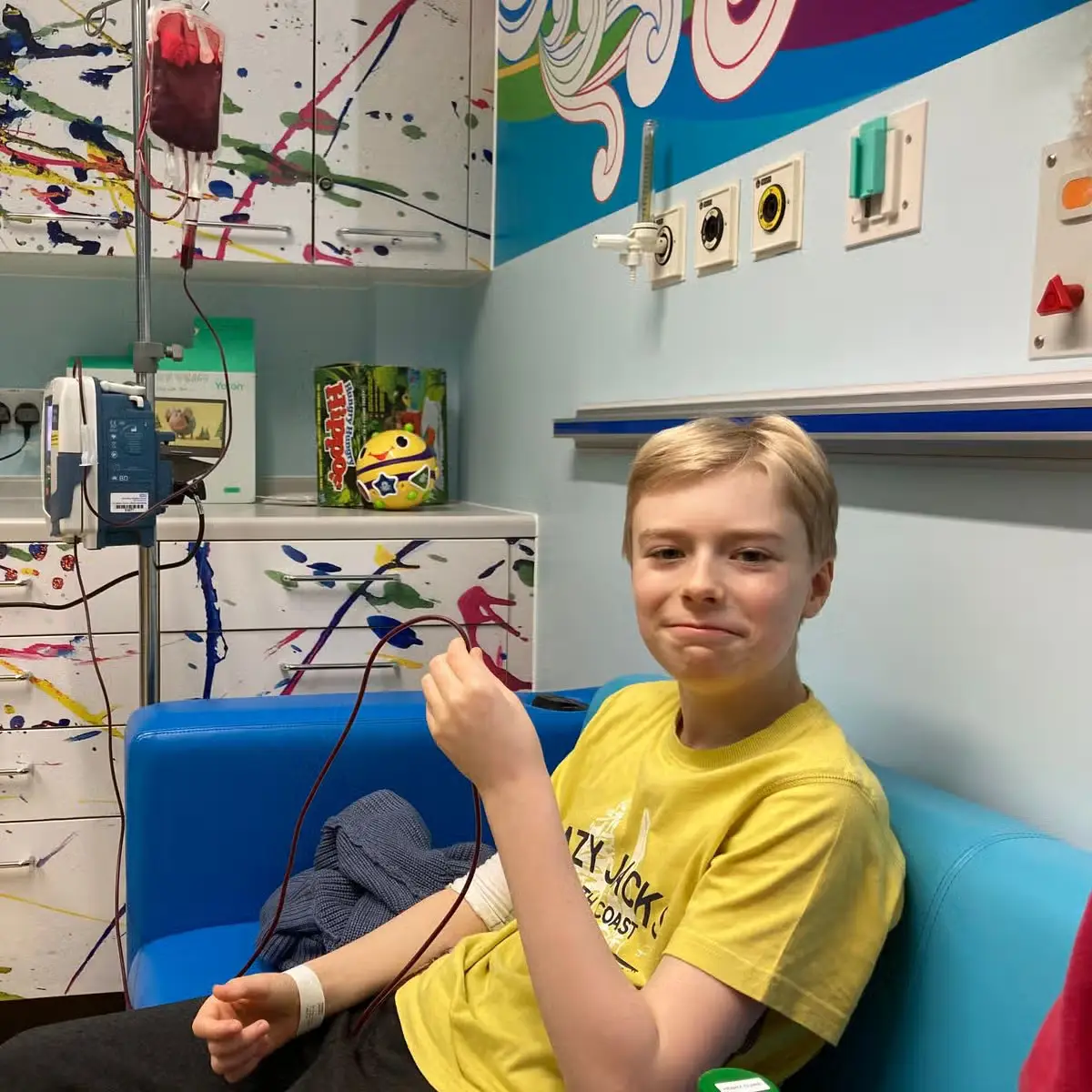
However, only one in three patients will find a matching donor in their family, and with Henry being an only child, it is unlikely that he will find a family match. He now relies on finding a complete stranger who has signed up the stem cell donor register, but only 7 percent of the eligible population in the UK are signed up.
Henry’s family is now working with blood cancer charity DKMS to encourage more people to register as potential stem cell donors. At any one time, there are around 2,000 people in the UK waiting for their match.
Alison explained: "The best outcome for Henry is a stem cell transplant. We are desperately still waiting for that special donor. We have learned that a person's world can be turned upside down and shattered by this horrible condition, so quickly.
"We hope that people who hear Henry’s story might stop to think, that they have the potential to offer someone a second chance. You could save a life, and this unselfish act could well become one of your proudest achievements."
According to the DKMS, most people who join the stem cell donor register will never be called to donate, but if you are matched to a patient, nine out of ten times the donation can be completed through a simple, non-surgical procedure, similar to donating blood platelets.
Bronagh Hughes, a spokesperson for the charity, said: “For Henry and patients like him, a total stranger joining the register could give them their lives back. The process is very simple, it’s so easy to give someone a second chance. Joining the register only requires answering a few questions, and a few simple and painless mouth swabs. It takes ten minutes of your time, but you could be the match that Henry, or someone else like him, is waiting for.”
 James Holt