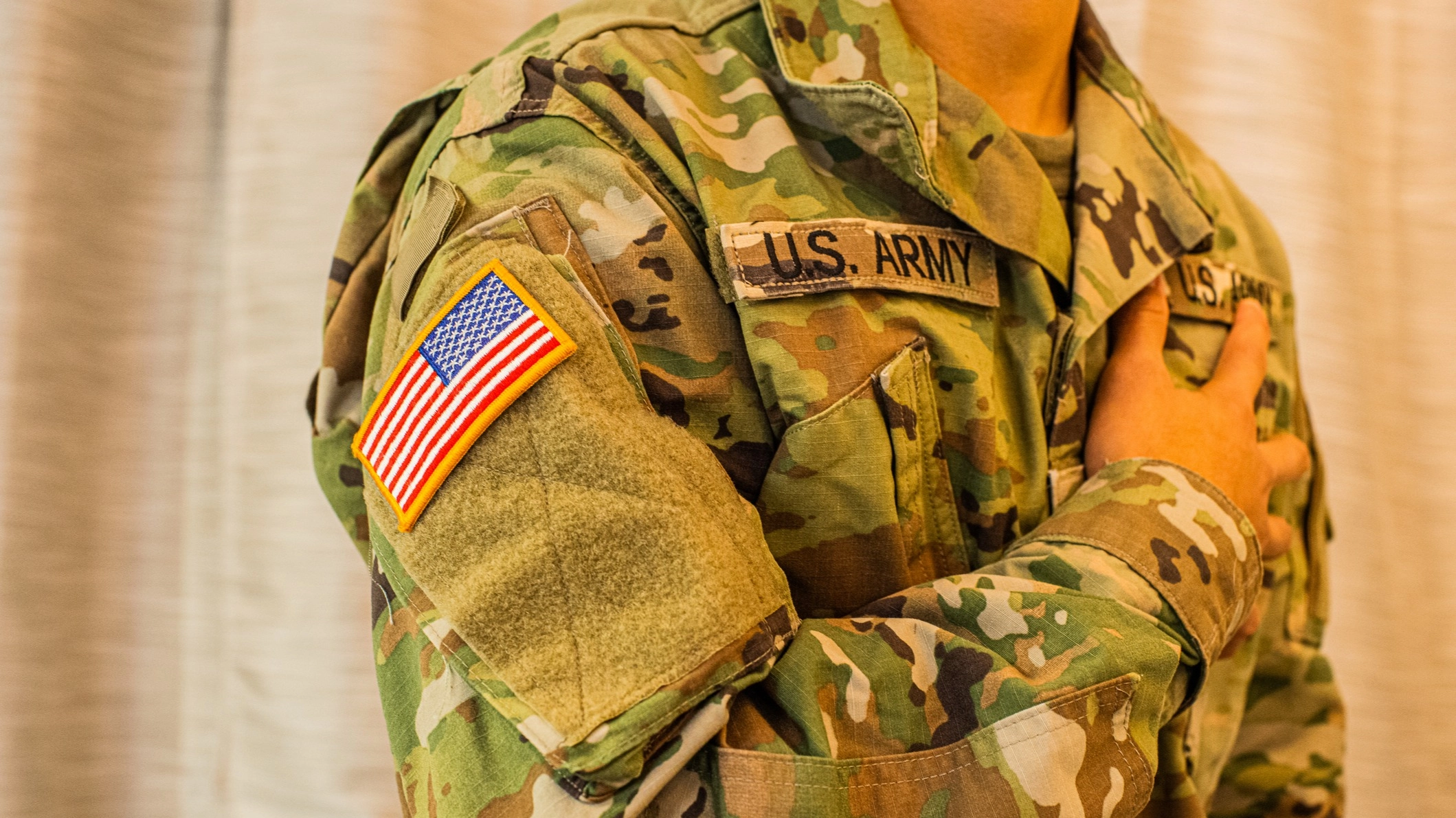
Health conditions that mean people will avoid conscription as Donald Trump 'keeps option on the table'

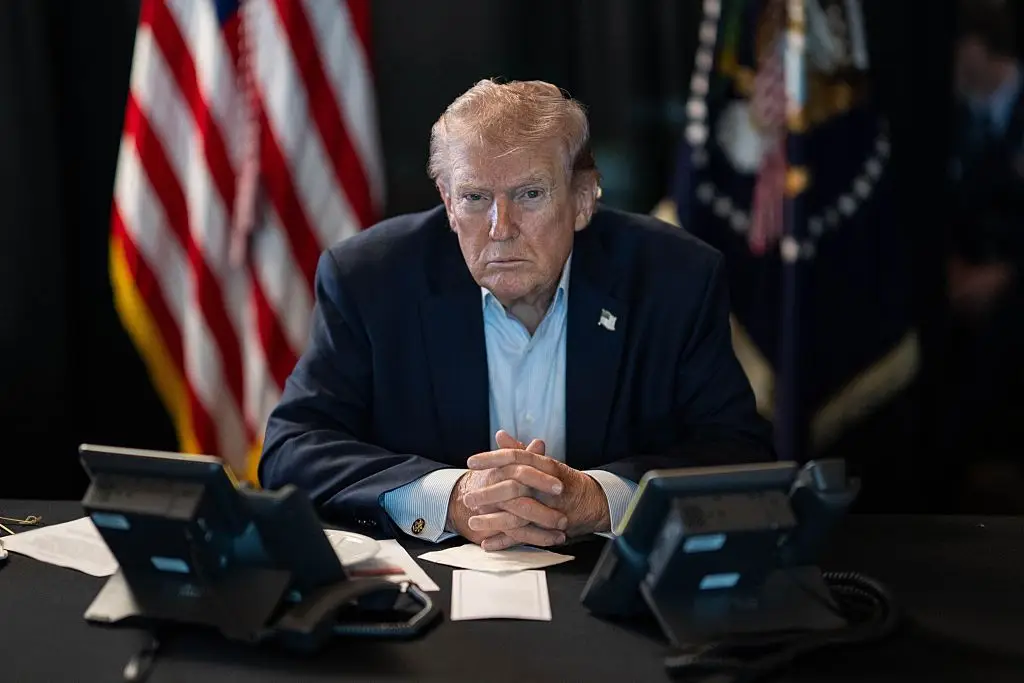
After Donald Trump suggested that he's keeping US conscription 'on the table' here are the health conditions that mean you could avoid it.
The US president hasn't ruled out the possibility of calling Uncle Sam out of retirement as tensions continue to rise following the US strikes on Iran.
Some experts have suggested that World War Three has already begun and while the 79-year-old claimed that the war could be over in weeks, it is also a possibility that able-bodied men and women in the US could be drafted into the military.
For now, it seems as if the US will focused on air strikes against Iran rather than involving too many American soldiers, with Trump suggesting that there will 'likely be more' deaths before the war ends, after seven troops sadly lost their lives.
Advert
“But, we’ll do everything possible where that won't be the case, but America will avenge their deaths and deliver the most punishing blow to the terrorists who have waged war against, basically, civilisation," he added.
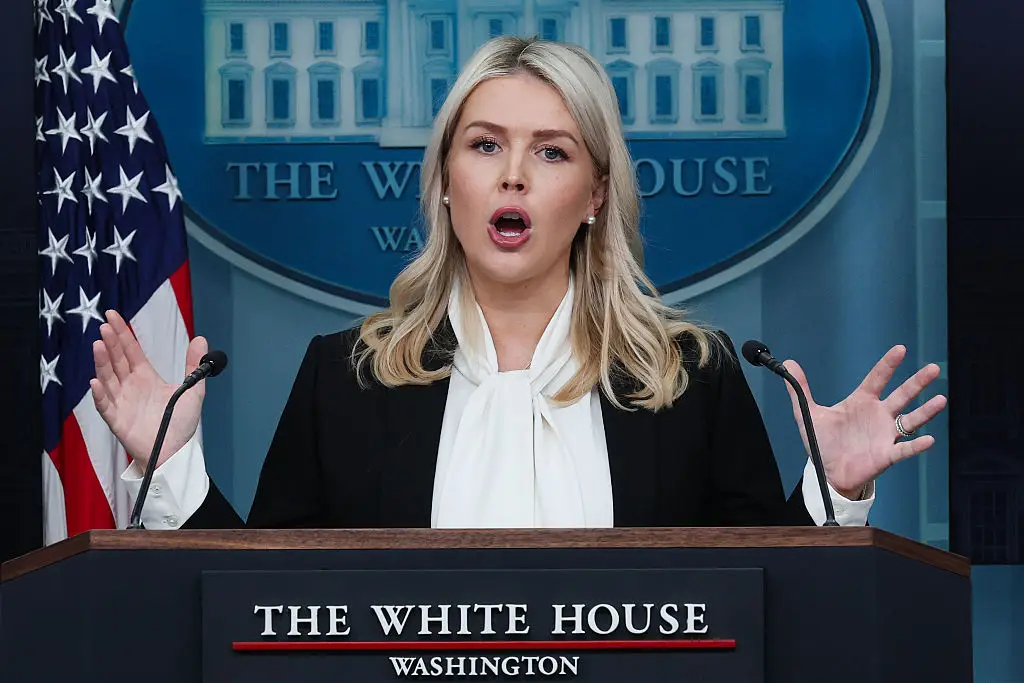
But while White House press secretary Karoline Leavitt suggested that a draft is not currently being discussed she did confirm that the president won't rule it out just yet, after Fox News anchor Maria Bartiromo asked about a draft.
She said: "President Trump wisely does not remove options off of the table. I know a lot of politicians like to do that quickly, but the president, as commander in chief, wants to continue to assess the success of this military operation."
Leavitt continued, adding, "It's not part of the current plan right now, but the president, again, wisely keeps his options on the table.
"As commander in chief, there's no greater priority or responsibility to this president than, of course, protecting the American people and our troops and bases in the Middle East, which Iran has been threatening for 47 years. They have killed and maimed thousands of American soldiers."
Trump, Leavitt added, 'was not going to allow Iran to attack our bases and our troops and our men and women in the Middle East first. And that's why he took historic action by launching Operation Epic Fury.'
Should conscription be put into place, there are some medical conditions which would mean you would avoid the national service, with some only
Health conditions which could see you avoid being drafted
- History of corneal transplant
- Absence of an eye/lack of vision in one or both eyes
- The presence of an implantable pacemaker or defibrillator
- History of myocardial infarction
- Current ostomy (gastrointestinal or urinary) History of chronic hepatic failure
- History of chronic kidney disease requiring dialysis
- Absence of hand
- Absence of a foot
- History of scleroderma
- History of neurodegenerative disorders, including, but not limited to, those disorders affecting the cerebrum, basal ganglia, cerebellum, spinal cord, or muscles
- Current central nervous system shunts of all kinds including endoscopic third ventriculocisternostomy
- History of disorders with psychotic features such as schizophrenic disorders, delusional disorders, or other unspecified psychoses or mood disorders with psychotic features (If not medication/substance induced)
- History of cystic fibrosis
- Current chronic supplemental oxygen use
- Current congestive heart failure
- Amyotrophic lateral sclerosis
- Multiple sclerosis
- Current epilepsy
- Current treatment for schizophrenia
- Homicidality within the previous 12 months
- Any suicidal attempt within the previous 12 months
- History of paraphilic disorders
- History of receiving solid organ transplant
- Trisomy 21
- Osteogenesis Imperfecta
Iran strikes: what you need to know
Why are the United States and Israel attacking Iran?
US President Donald Trump announced on Saturday (28 February) that the US and Israel have started 'major combat operations' in Iran after explosions were heard in multiple cities across the country.
Following a significant buildup of US forces in the region in recent weeks, Trump declared in a video posted on Truth Social that 'we are going to destroy their missiles and raze their missile industry to the ground'.
Alongside hundreds of civilian casualties - including at least 165 people, most children, after a reported strike hit a school in Minab - Iran's Supreme Leader Ayatollah Ali Khamenei was confirmed dead following Israeli missile strikes around Tehran.
According to Trump, the aim of this weekend's attacks were to 'ensure that Iran does not obtain a nuclear weapon'.
This has come after weeks of Trump threatening military action in Iran if the Middle Eastern country did not agree to a new deal over its nuclear programme. However, Iran has insisted repeatedly that its nuclear activities are 'entirely peaceful'.
What areas of the Middle East have been affected?
In retaliation to the US and Israeli strikes, Iran has launched strikes of its own on Israel and Gulf Arab countries, which include Qatar, the UAE, Bahrain and Kuwait.
The BBC reports that at least nine people were killed in a strike on the Israeli city of Beit Shemesh, while military and civilian targets - including an American naval base in Bahrain and Dubai's international airport in the United Arab Emirates - were also targeted across the weekend.
Several videos have been posted on social media from tourists and civilians that show the damage inflicted across these areas from missile and drone strikes, including many British citizens who are currently stranded in Dubai.
Meanwhile, after Lebanon's Iranian-backed militia Hezbollah fired missiles at the Israeli city of Haifa, Israel responded with its own strikes.
On Tuesday (3 March), Israel's Defence Minister Israel Katz promised IDF troops on the ground would 'advance and seize additional strategic areas in Lebanon in order to prevent fire on Israeli border communities'.
Is the UK going to war with Iran?
This is a question that has been asked repeatedly since the major combat operation began in Iran, due to the nation being an ally of both the United States and Israel.
Prime Minister Keir Starmer confirmed that British planes were 'in the sky' in the Middle East as part of a defensive operation 'to protect our people, our interests and our allies', and condemned Iran's retaliatory attacks on 'partners across the region'.
On Sunday (1 March), the prime minister also agreed to a request from the US to launch strikes against Iran from British military bases.
While the UK did not participate in the strikes, Starmer released a joint statement with the leaders of France and Germany, calling for Iran to 'refrain from indiscriminate military strikes'.
"Iran can end this now," Starmer said. "They should refrain from further strikes, give up their weapons programme and cease the appalling violence and oppression of the Iranian people – who deserve the right to determine their own future."
However, the Secretary of State for Foreign and Commonwealth Affairs, Yvette Cooper, has said it is 'simply not true' that the UK is being dragged into another Iraq-style conflict in the Middle East.
While addressing a reported drone strike on a RAF base in Cyprus believed to have originated from Iran-backed militia Hezbollah, she told Sky News on Monday, 2 March: "We took a very specific decision not to provide support for strikes that were taking place over this weekend. We have been clear that we believe there should be a diplomatic process, negotiations process."
Trump, for his part, slammed Starmer on Tuesday, saying he 'has not been helpful' in the context of the situation in Iran.
He added: "It's very sad to see that the relationship is obviously not what it was."
Topics: Donald Trump
 James Moorhouse