Strict rules for volunteers set to be able to shoot dead eight death row inmates

It might sound eerily similar to a Black Mirror episode but remarkably it is true that volunteers will soon be able to shoot people on death row.
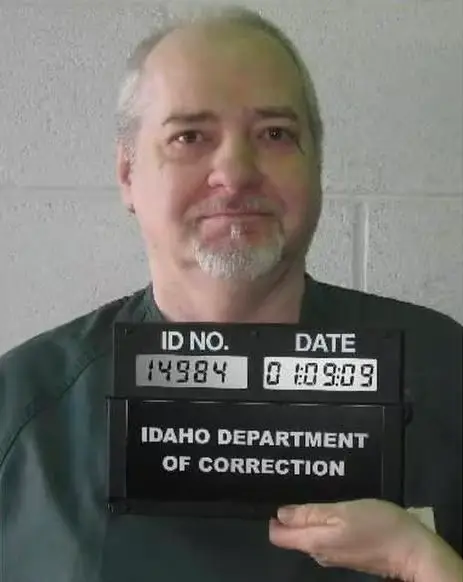
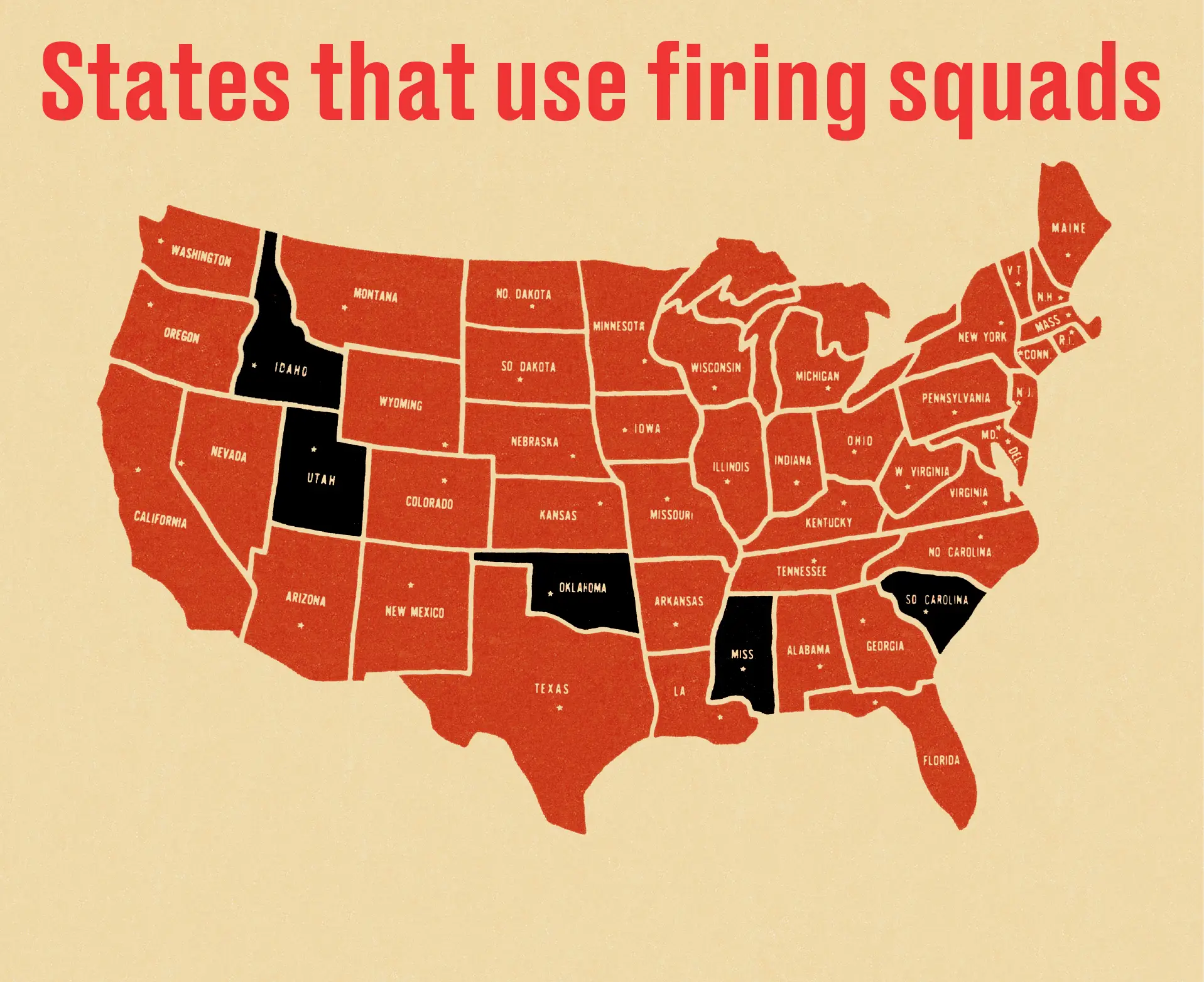
Following the botched lethal injection of Thomas Eugene Creech last year, when staff failed to administer the lethal drug on eight separate occasions across an hour-long period, the northwestern state made the decision to use a firing squad as their new method of execution, which came into place yesterday.
However, it now appears as if there will be one crucial difference to the other firing squads across the country, after it was confirmed yesterday that it will consist of six volunteers.
They will be law enforcement officers with significant experience and firearms training, and they will all have to adhere to some strict rules before being signed up.
Advert
This team of six, which consists of three main members, two alternates and a team leader, will also have to have held peace officer certification for at least three years, while also demonstrating their accuracy with a firearm in a test that replicates execution conditions.
Each of the volunteers will then be handed three magazines with one live round in each, and they are expected to stand around 10 yards away from the death row inmate, who is sat in a chair following a sedative, with a target placed over their heart.
Obviously, the death penalty is always likely to prove controversial and is always reserved for the worst criminals, but there is the risk of wrongfully convicted people receiving the ultimate punishment.
There are currently eight inmates on Idaho's death row.
And despite the strict rules attached to the new volunteers, which also make clear that they cannot know or be related to any of the inmates or their victims, it seems as if not everyone is keen on the idea.
Meanwhile, the Death Penalty Information Centre's executive director Robin Maher has been critical of the refreshed system.
"Every new execution method in history has been introduced with the promise that it will be foolproof and 'more humane' than the previous method. Unfortunately, those promises have always been broken," she said.
Hitting back via the Idaho Statesman, local prison director Bree Derrick noted: "The Idaho Department of Correction recognises the gravity of carrying out a court-ordered execution and the responsibility that comes with it.
"Our procedures are designed to ensure that any execution is conducted in a secure, orderly, and dignified manner while safeguarding the rights of all individuals involved and maintaining the safety and security of staff, witnesses, and the public."
States are using alternate execution methods for Death Row
With many pharmaceutical companies opposing the use of their drugs on Death Row, as well as a handful of botched executions using this method, inmates are opting for alternate execution methods.
Nitrogen hypoxia
First used: 2024 - in Alabama to execute convicted murderer Kenneth Eugene Smith
States where it’s authorised: Alabama, Arkansas, Louisiana, Mississippi, Oklahoma
Process: Inmates are strapped to a gurney and breathe pure nitrogen; death occurs as the body is deprived of oxygen
Risks: Confusion, the feeling of suffocation, panic
Electrocution
Most recently used: 2020 - by quadruple murderer Nicholas Todd Sutton in Tennessee, who was one of several prisoners who viewed lethal injection as state-sanctioned torture
States where it’s authorised: Alabama, Arkansas, Florida, Kentucky (if offence before 1988), Louisiana, Mississippi, Oklahoma, South Carolina, Tennessee (if offence before 1998)
Process: Tennessee’s chair is built using wood from the gallows used by the state before hangings were abolished and is nicknamed Old Smokey; it delivers 1,750 volts at 7 amps over 20 seconds
Risks: US Supreme Court Justice William Brennan graphically described the process, saying in 1985 that prisoners’ eyeballs could pop out and they could vomit blood - some states have ruled that the method is inhumane
Topics: US News
 James Moorhouse