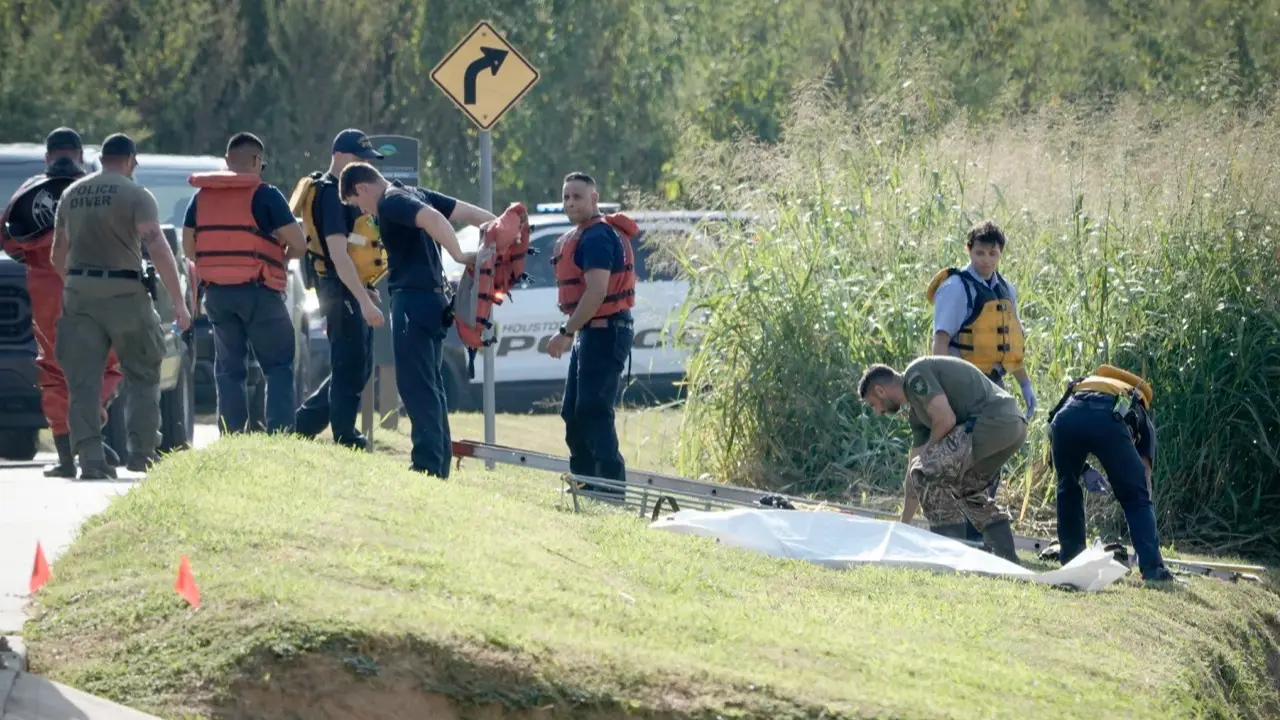
Serial killer fears in US city after at least 34 bodies pulled from same river

People in Houston are continuing to share their concerns over a 'serial killer being on the loose' with more bodies being found in lakes and rivers.
Three dead bodies were discovered in two Texan bayous last Monday (22 December), which brings the total bayou-related death toll to around 34, according to the Houston Chronicle.
Two of the bodies were reportedly found at 9:30am local time in the Buffalo Bayou and Brays Bayou.
Rumours of a serial killer have continued to spread after seven bodies were found in less than a month between September and October.
Advert
“The math isn’t mathing. I think there’s a serial killer,” visitor Juan Sandoval previously told ABC13.
Houston resident Erick Cortez added: “There must be someone out there…it’s ridiculous that so many people are dying in the bayou.”
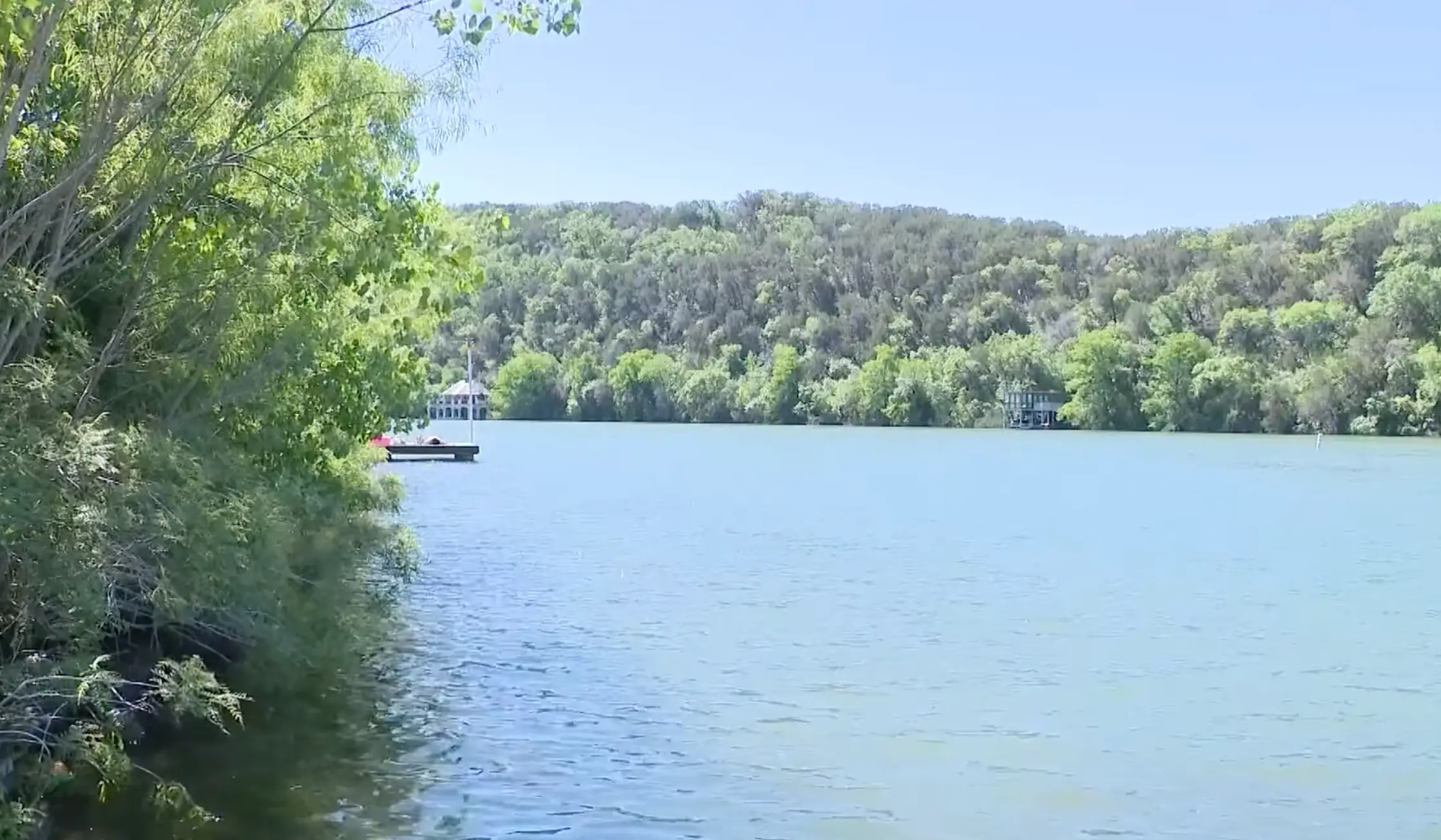
Despite concerns, law enforcement has continued to debunk the serial killer claims.
"For us as an agency, rumours stir fear and anxiety in our communities," Houston Police Chief Noe Diaz, said in a news conference in September.
Experts also reminded locals that 35 bodies were recovered from the bayous last year, so this year's number shouldn't be a surprise.
University of Houston Criminal Justice Professor Krista Gehring said: "Because a lot of times people think, 'Oh they're in the bayou, they are dumping the body to get rid of evidence'.

"'Because that's what we see in those shows, that the water will wash away the evidence' people could have just had an accident, people could've done this to themselves, people could've been intoxicated."
"I tell the citizens of Houston, we have a relatively safe city for the most part," added retired Houston Police Captain Greg Fremin.
"But it's just like any other big city, there is crime, you have to be vigilant, have situational awareness of what's going on but this is not anything to be concerned about."
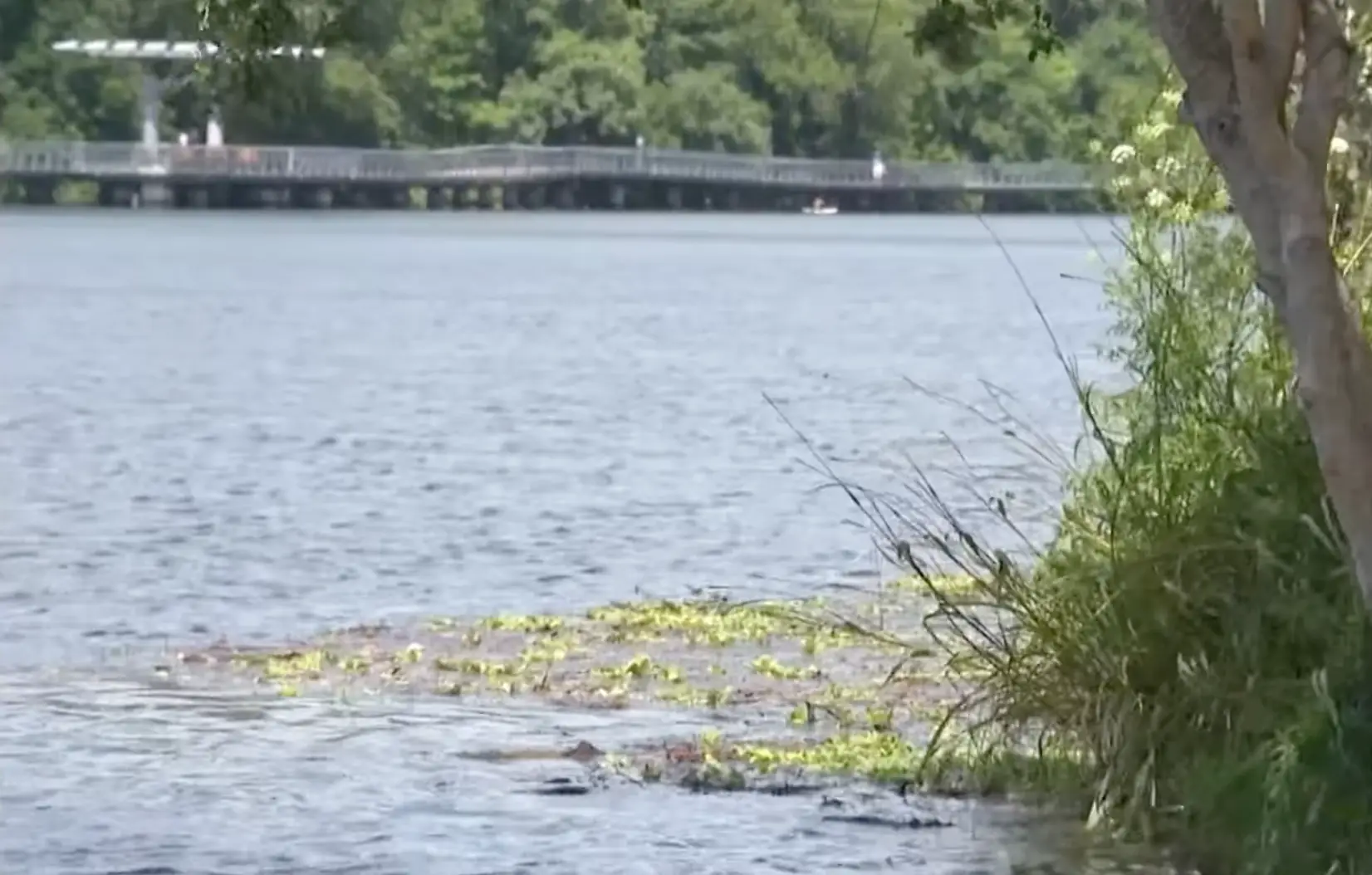
Up until last year, the number of bodies found in the bayous was declining heading into 2020, prior to the COVID-19 pandemic.
Reports suggest that the leading proven cause has been drowning, as Alissa Magrum, the executive director of the National Drowning Prevention Alliance, said: "Pools weren't open, so people were accessing all kinds of other water.
"I know at that time I lived in Austin, and we were seeing people getting in the lake — people that didn't have the skills or the ability to swim in open water.
"Water is inherently dangerous, so if we can encourage people to talk about water safety and talk about things we can do to prevent drowning, I think we can change our culture around water safety and make it something that people think about."
At least 17 deaths since 2017 have been attributed to drugs or alcohol, 11 to heart issues and seven to car accidents.
The cause of death for 68 victims, however, remains undetermined as of early December.
 Anish Vij