Why the Pentagon wants to livestream the Fort Hood shooter's death by firing squad, nearly 90 years after the last public execution

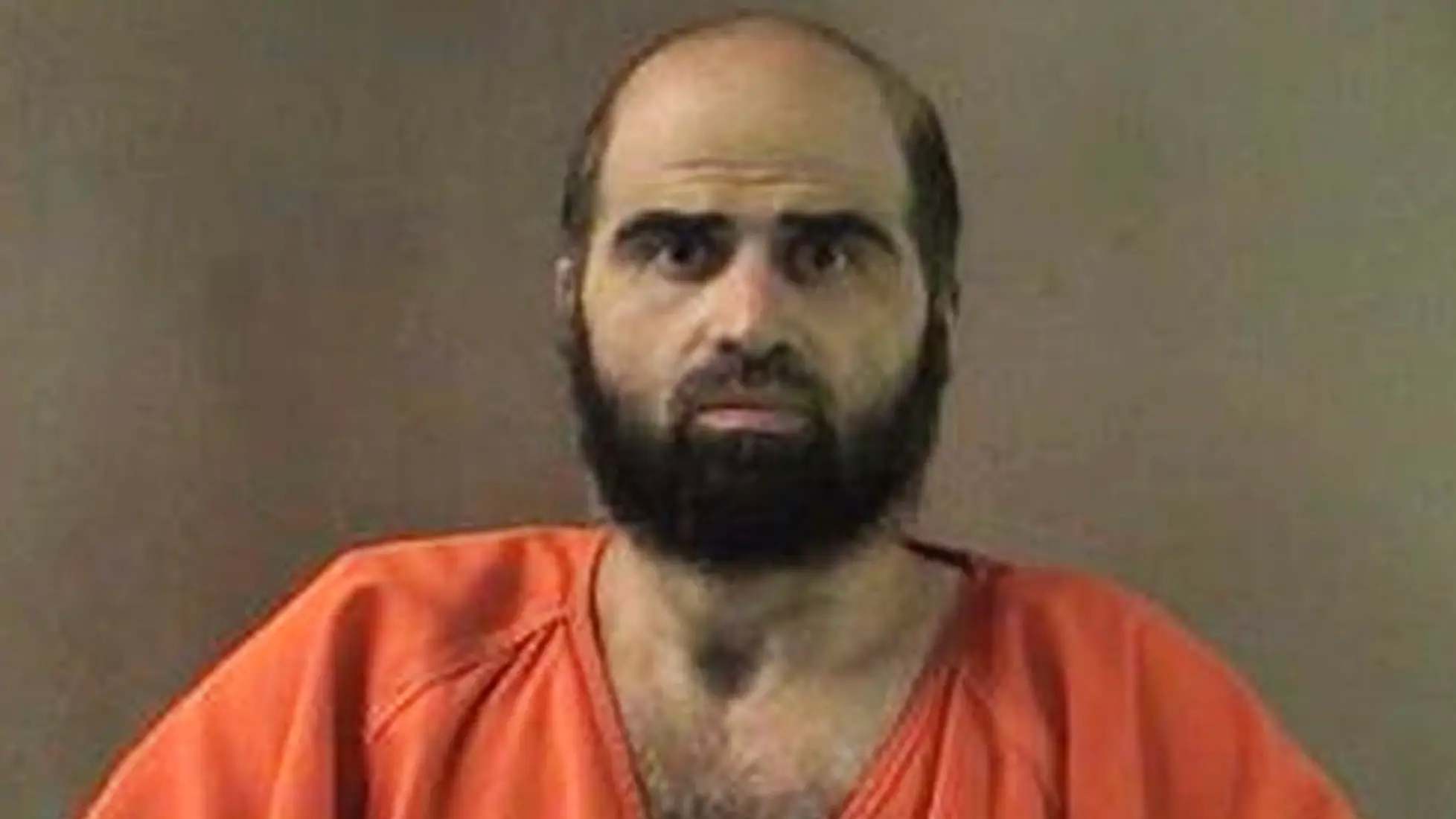
Fort Hood killer Nidal Hasan is set to become the first person to be publicly executed in the US in almost 90 years.
Former US army major Hasan killed 13 people and injured more than 30 others in the 2009 mass shooting at the Texas army base.
At his trial in 2013, Hasan said he had ‘switched sides’ and claimed he’d carried out the deadly attack out of a wish to protect Islamic and Taliban leaders from US troops and his anger at being to Afghanistan.
He was sentenced to death by a military court and is set to become the first service member to be executed by armed forces since 1961.
Advert
Earlier this week, US President Donald Trump approved death by firing squad.
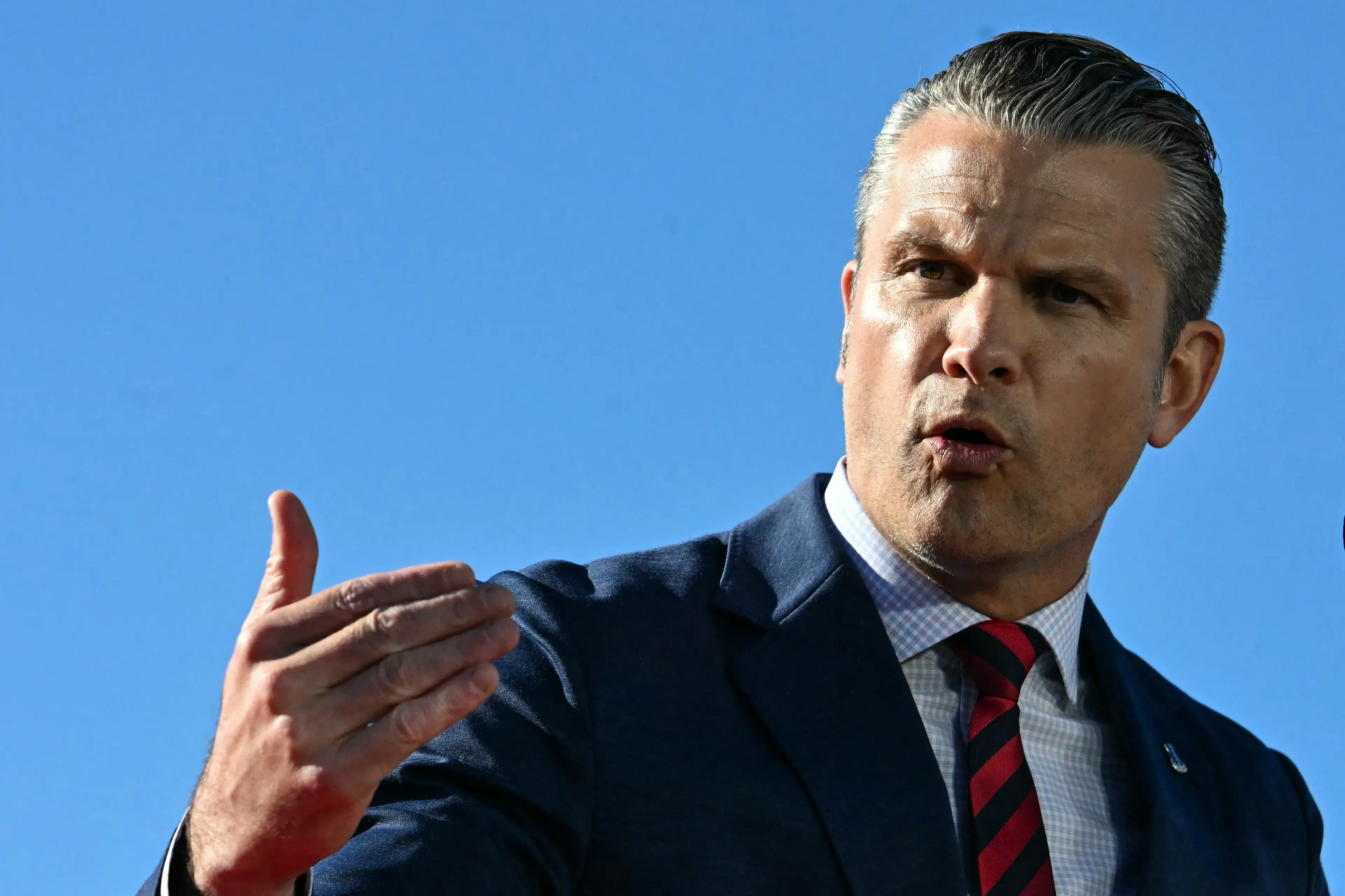
Pentagon spokesperson Sean Parnell said in a statement on Tuesday (6 October): “Secretary of War Pete Hegseth has recommended — and President Donald J. Trump has approved — death by US Army firing squad for convicted terrorist Nidal Malik Hasan, the jihadist who opened fire on unarmed American soldiers at Fort Hood in 2009.
"He killed 13 people and wounded 32 others while shouting 'Allahu Akbar' during the attack.
"The Secretary of the Army will set the time and place of the execution. Judgement day for Hasan has finally come."
Hasan is due to be executed on 3 December.
The following day, Hegseth told Real America’s Voice News, that the execution will be public and streamed live.
“We’ll make sure that people are able to watch it, that it’s public,” Hegseth said.
Explaining why the Pentagon had decided to go ahead with a public execution, he added: "Because people need to understand that there's serious consequences for these types of things."
When asked if Hasan had made any final requests or reached out to the Trump administration following the news of his impending execution, Hegseth replied: “Don’t care. We’ll see him on December Third.”
Decision to livestream execution is ‘unprecedented’
The move to make Hasan’s execution available on livestream to the public is ‘unprecedented in the modern era’, according to death row lawyer John Mills.
Speaking to the BBC, he said the execution was on ‘uncertain legal terrain’.
"Seeking to make it livestreamed, a firing squad execution, is little more than attention-seeking by the Trump administration and is unlikely to occur, much less deliver any semblance of justice," he added.
Yale Law School lecturer Eugene R. Fidell told the outlet that if the US plans to push on with plans to livestream the execution Hasan could launch legal action, which would potentially trigger a very long legal process.
It's been decades since the US had a public execution
While executions aren’t particularly uncommon in the US, Jamaal Howard’s death on Wednesday was the 30th execution this year, death by firing squad is rare.
Last year, South Carolina carried out three executions by firing squad for Brad Sigmon, Mikal Mahdi and Stephen Bryant, which were the first such executions in the US for more than a decade.
Meanwhile, public executions are unheard of.
The last time it happened in the US was on 21 May 1937 when Roscoe Jackson was put to death for the murder of travelling salesman Pearl Bozarth.
According to reports at the time, around 400 turned out to watch the execution in Missouri.
Sharing his final words before being killed, the 36-year-old said: “To ask anyone to forgive me is too much. Death itself is not so bad, but the record a person leaves behind him may be. To die accidentally is easy, but when you come to it gradually, it is hard. If you feel I am paying my debt like a man I am glad.”
Less than a year before Jackson’s death, the public execution of Rainey Bethea in Kentucky attracted a crowd of around 20,000.
The press coverage surrounding the hanging drew so much attention that officials in Kentucky banned public executions in 1938.
Turning executions into large spectacles with huge crowds is believed to be one of the reasons that public executions were scrapped in the US.
Over time, there was a larger societal shift towards executions as a solemn duty carried out by the state and less of a show.
Who can typically witness an execution?
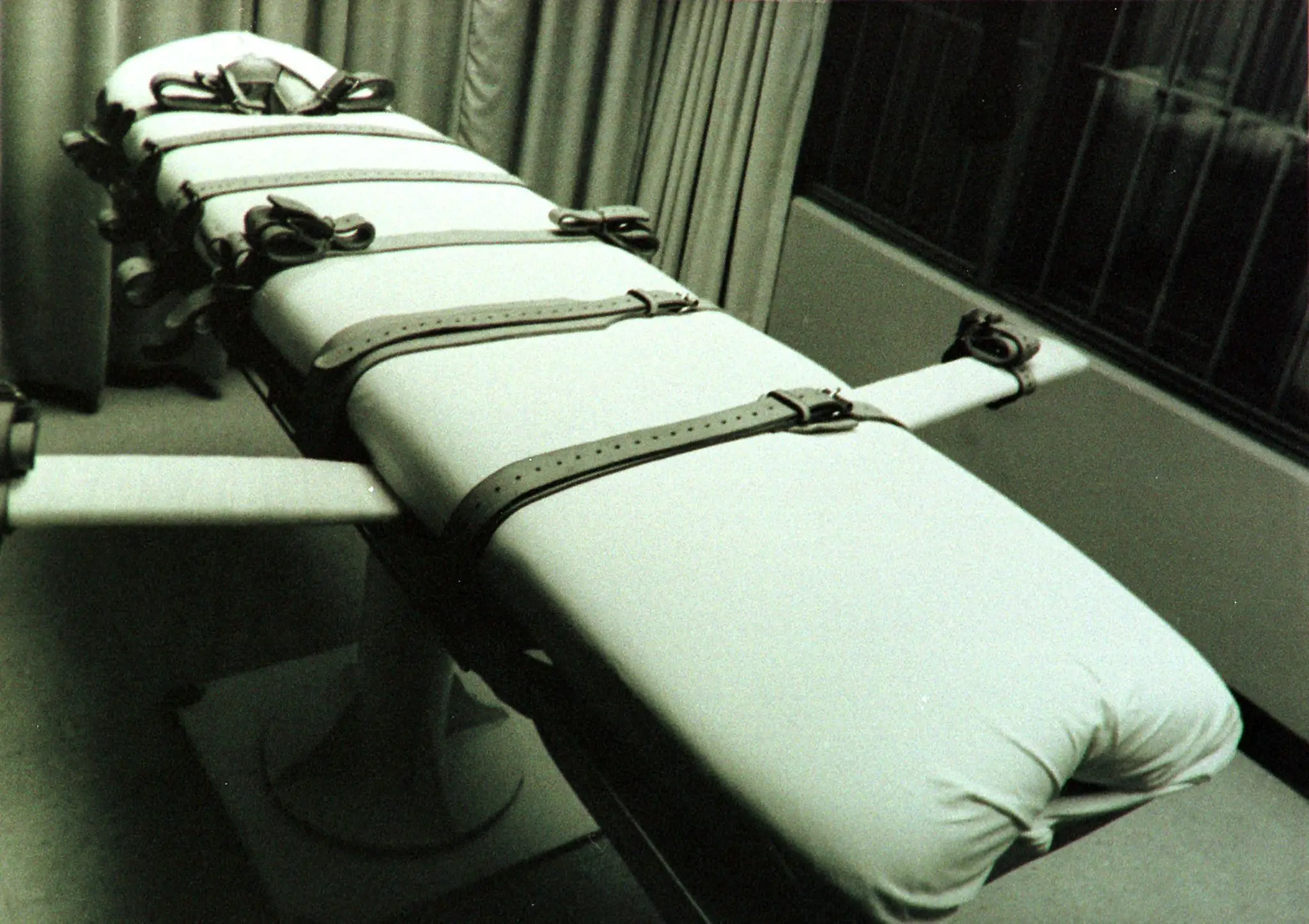
Today, executions in the US are carried out in the privacy of chambers.
Who can witness differs from state-to-state with some requiring reporters and members of the media to be present.
Viewing generally remains available for those related to the person being executed, and the victims' families.
Other eligible witnesses can include the offender's spiritual advisor or the prison chaplain, the prison doctor, the State Attorney General or designee, and the warden of the prison or the associate warden
Some states allow ordinary citizens to volunteer as witnesses.
 Claire Reid