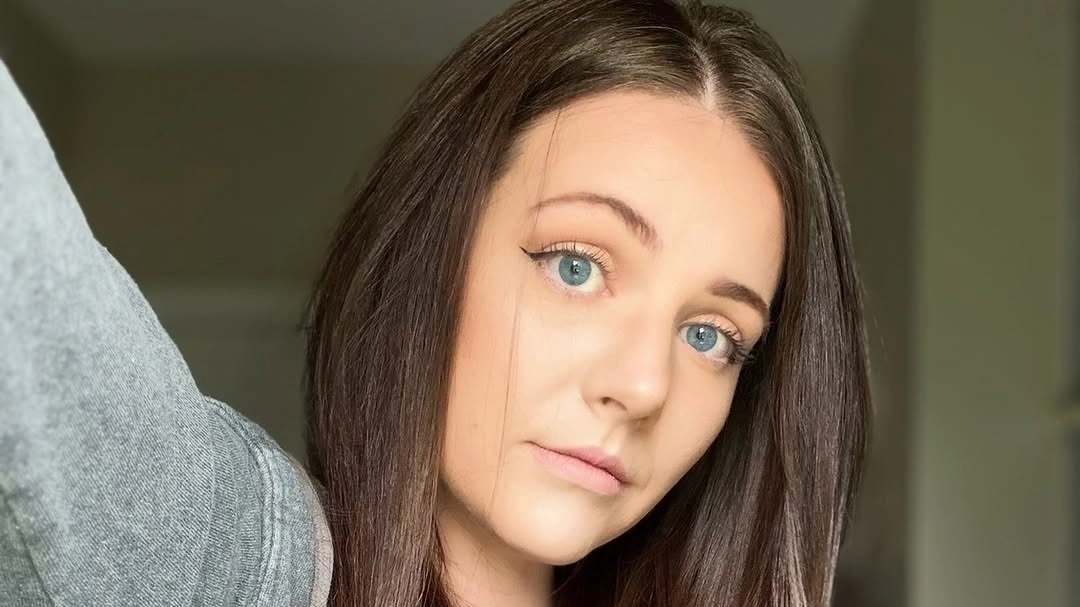
Woman diagnosed with Down syndrome at 23 hits back at common misconceptions

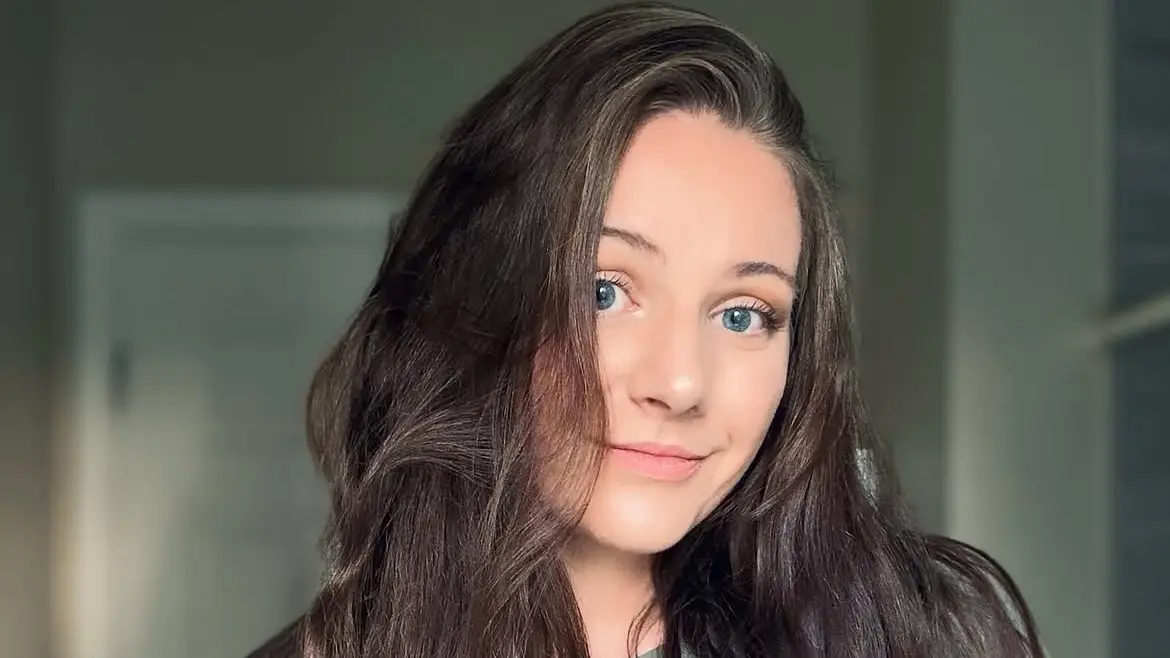
A woman who was diagnosed with Down syndrome as an adult has shared some common misconceptions about the condition.
In a lot of cases Down syndrome can be diagnosed at a very early age, with some people even being diagnosed with it before they are actually born.
But for Ashley Zambelli from Michigan in the US it was a very different situation, and she wasn't diagnosed until she was 23 years old, which is much later than what is more usual for the health condition.
Ashley was diagnosed with a form of Down syndrome called Mosaic Down syndrome, a variant of the condition.
Advert
Cleveland Clinic describes this as 'when some cells in your child’s body have three copies of chromosome 21, and some have the usual two copies - it’s a mix', adding that someone with this variant 'may have fewer distinct physical features and developmental delays'.
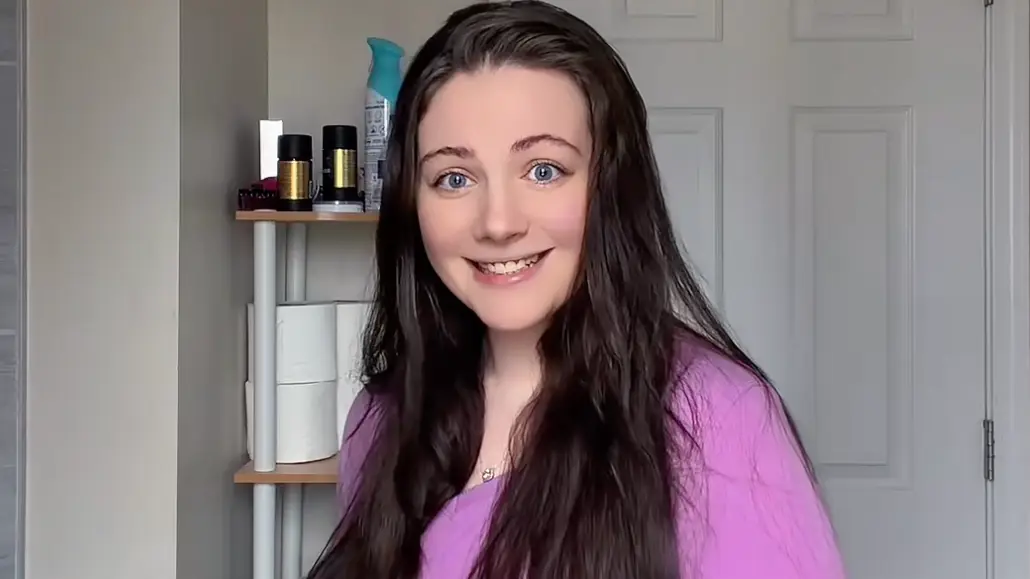
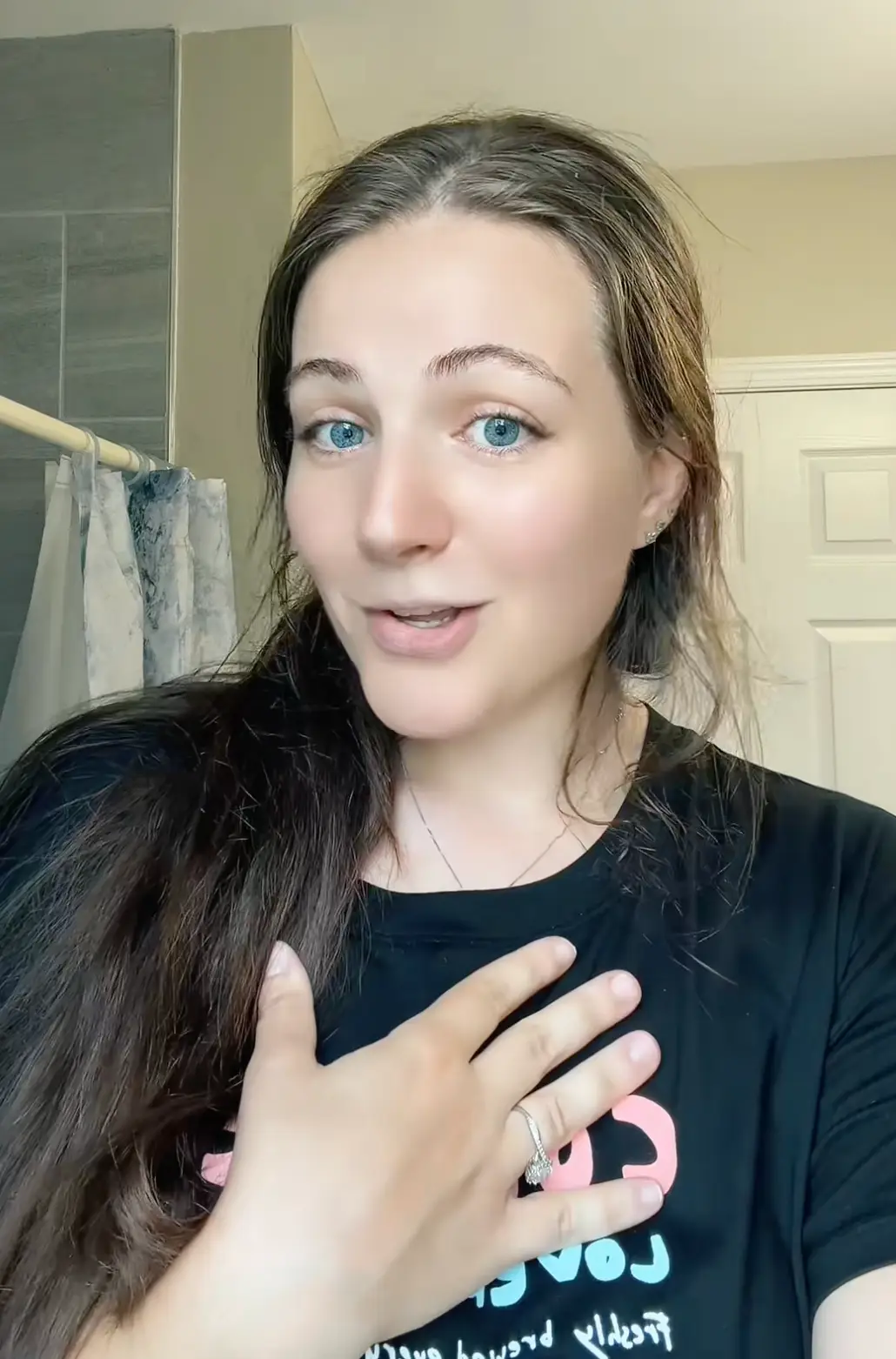
Ashley now uses her TikTok platform to raise awareness around her condition, and shared a video with four 'misconceptions' about it.
"Mosaic down syndrome is not the same as chimerism," she wrote in a caption superimposed on the video. "Chimerism is when you have two or more completely different sets of DNA, one being DNA that is not your own."
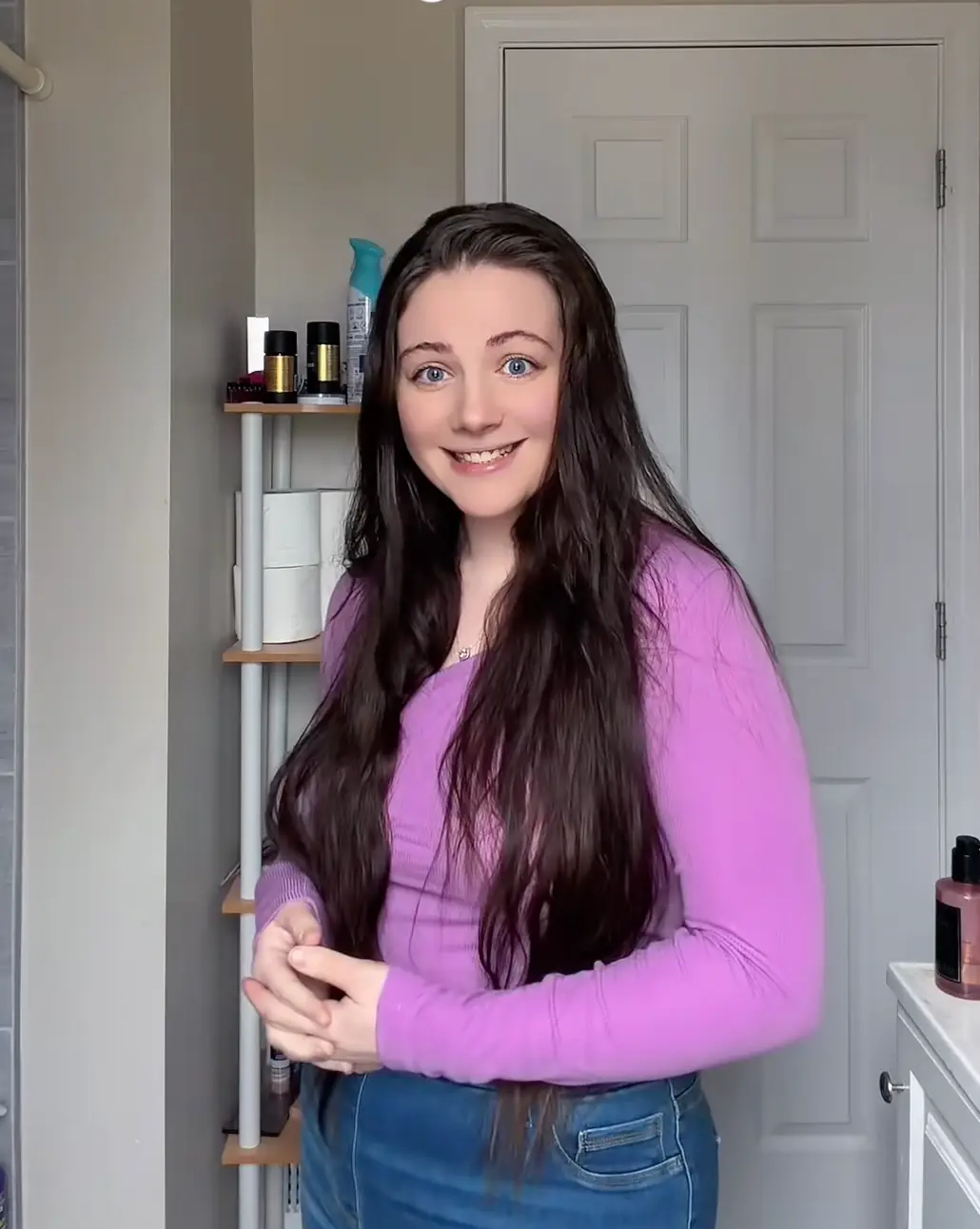
For the second one, she wrote: "People with mosaic down syndrome don't always have 'less problems' than those with complete down syndrome."
In another one, she wrote: "It most definitely is not the rarest form, l'd argue it's the second to most if not the most common form that exists."
According to the Centers for Disease Control and Prevention in the US, around 95 percent of people who have Down syndrome have 'Trisomy 21', where cells in the body have three different copies of chromosome 21.
Mosaic Down syndrome, the CDC says, accounts for around two percent of total cases of the condition.
Addressing another misconception about the condition, Ashley wrote: "Mosaic down syndrome doesn't always have the facial features associated with the condition. I lived 23 years of my life not knowing I had it."
The National Down Syndrome Society said of Mosaic Down Syndrome: "Research has indicated that individuals with mosaic Down syndrome may have fewer characteristics of Down syndrome than those with other types of Down syndrome.
"However, broad generalisations are not possible due to the wide range of abilities people with Down syndrome possess."
Ashley first realised that she herself had Down syndrome after three of her own children tested positive for the condition.
"The third time it happened with Katherine, alarm bells started ringing for my OBGYN, as she’d never had a patient with that many positive results before," Ashley told Metro previously.
After being referred for several blood tests, in the end it was a mouth swab which determined that Ashley herself had the condition, making it more likely that her children would also have it.
Addressing misconceptions about her variety of Down syndrome has been extremely important for Ashley, who said that she has met people who said she didn't have 'real' Down syndrome as she didn't display a lot of the symptoms commonly associated with the condition.
"The only thing I have is that my ears are smaller and they sit a little lower, but nobody ever sees my ears," she said.
"Doctors knew something was going on with me; they just didn’t know what," she added.
 Kit Roberts