Terrifying 'popcorn lung' disease linked to vaping is often mistaken for asthma, doctor says

A doctor has explained how a condition linked to vaping is sometimes mistaken for asthma.
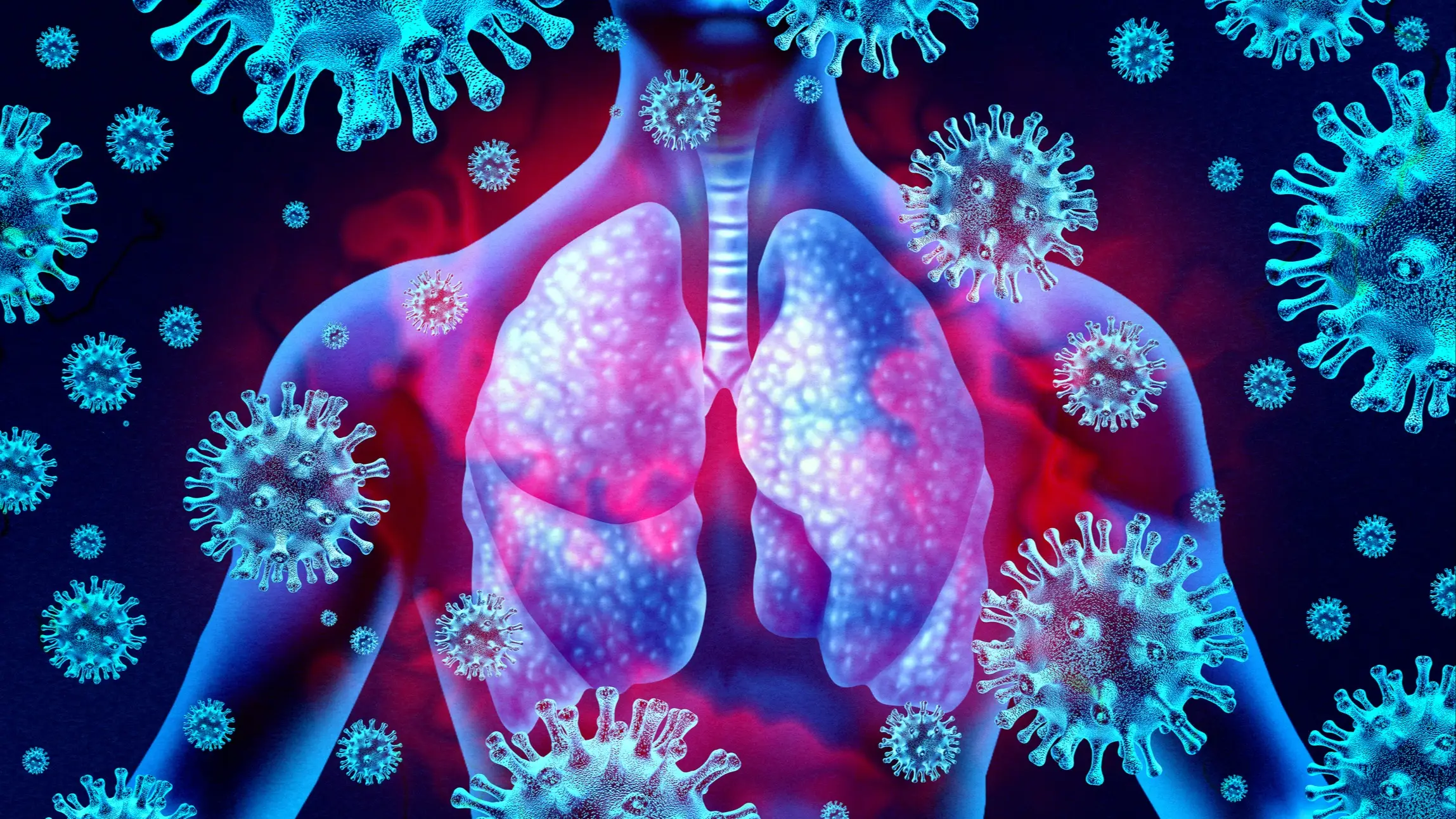
The health condition is called bronchiolitis obliterans, and is colloquially referred to as 'popcorn lung', and sadly once you have it is irreversible, though it can be managed.
NHS advice at present is that vaping is useful as a way to reduce harm from smoking tobacco, so if you already smoke tobacco, whether that's cigarettes, cigars, or even if you somehow manage to smoke a pipe in 2026, then vaping can be less bad. However, if you do not already smoke, then don't take up vaping.
Dr. Avi Kumar is a Senior Consultant Pulmonologist at Fortis Escorts Heart Institute, and told NDTV: "Popcorn lung, medically known as bronchiolitis obliterans, is a rare but serious condition in which the smallest airways of the lungs become inflamed and scarred.
Advert
"This scarring narrows the airways, making it increasingly difficult for air to move in and out of the lungs. The damage is unfortunately irreversible, which is why early recognition is so important."
Popcorn lung does have telltale symptoms, but these can be very similar to other respiratory conditions, which can make diagnosis difficult.
"Patients typically present with a persistent dry cough, progressive breathlessness, wheezing, and reduced exercise tolerance. Because these symptoms often mimic asthma or chronic bronchitis, the condition may initially be overlooked," said Dr. Kumar.
The colloquial name 'Popcorn Lung' might conjure up some unpleasant imagery of how it makes lungs appear, but that is not actually the origin of the name.
It got that name after becoming associated with employees working at factories producing microwave popcorn. The employees were exposed to the chemical diacetyl at work, which is used to create a butter-like flavouring.
Dr Kumar said: "Many people associate popcorn lung with microwave popcorn factories because the condition was first identified in workers exposed to a flavouring chemical called diacetyl."
He added that this is no longer the only risk factor in developing the condition.
"More recently, concerns have also been raised about exposure to certain chemicals in some vaping products, although vaping is not the only cause. Severe respiratory infections, autoimmune diseases, and even lung transplantation can also lead to this condition."
As for confirming a diagnosis, Dr Kumar explained that there are a number of factors which assist clinicians in this, including 'detailed medical history, pulmonary function tests, high-resolution CT scans', and adding that sometimes they can carry out a lung biopsy.
Unfortunately once the damage is done to the lungs then it's very difficult to treat, though there are things that clinicians can do to help manage it.
"The first and most important step is eliminating exposure to the offending agent, whether it is occupational chemicals or vaping," said Dr Kumar.
Once the cause has been identified and there is a way to stop a patient being exposed to it then there are treatment options available to manage the scarring.
Treatment could include pulmonary rehabilitation, therapy to combat inflammation, as well as inhaled medicines, and care to help someone improve their breathing.
 Kit Roberts