
Everything inside '72-hour survival kit' as Defence Secretary warns Brits to be ready for war in 1,000 days

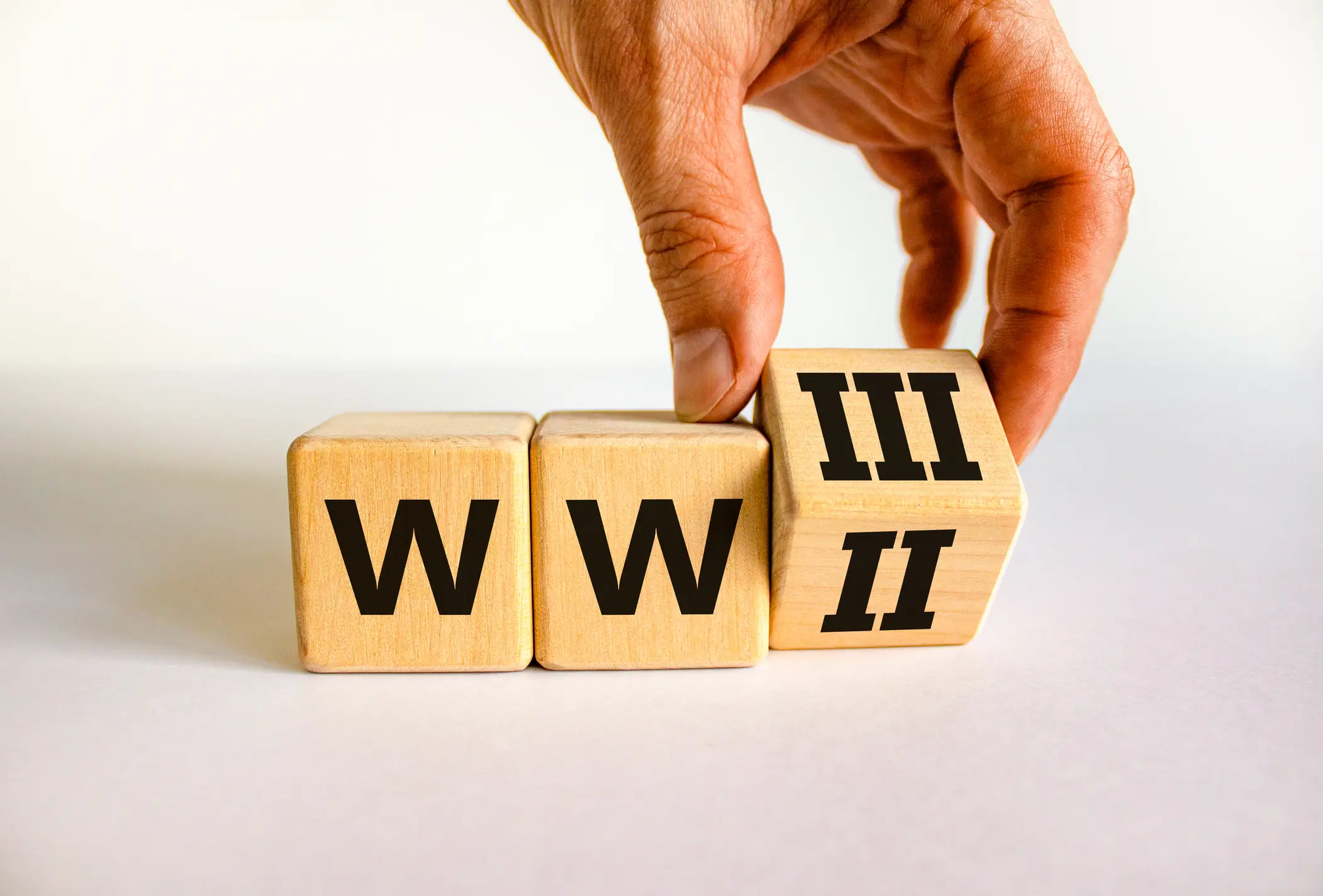
Brits have been issued a stockpile warning after Defence Secretary Wes Streeting says that Britain must be prepared for potential war within the next 1,000 days.
If World War III were to happen, the UK would most likely become involved through NATO, rather than by starting a war itself.
From what experts are saying, the most likely scenario is a conflict between Russia and NATO which escalates beyond control.
Either that or a major war involving China, the US and Taiwan could also draw Britain in.
Advert
In a worst-case-scenario, households in the UK have been advised keep a supply of non-perishable food and bottled water if we were to suffer a blackout, food shortage or cyberattacks. It comes after sales of wind-up radios have increased massively over the past few days, with seven major models sold out, The Telegraph reports.
Writing for The Telegraph, Streeting suggests that a war could break out as soon as 2030.
“Our adversaries’ willingness to harm us is not new. What has changed is there capacity. By 2030 their force strength and war economy could put them in a position to attack," he penned.
“That gives us a little over 1,000 days to complete our mission: to be ready with our allies to fight and win.”
He said that to 'prevent the worst, we have to prepare for it.'
Last week, the government announced its ‘Be Ready’ campaign, a three-year initiative urging households to prepare for potential emergencies.
While some countries may be safer than others if WW3 were to happen, many may wonder about what items they should have on hand.
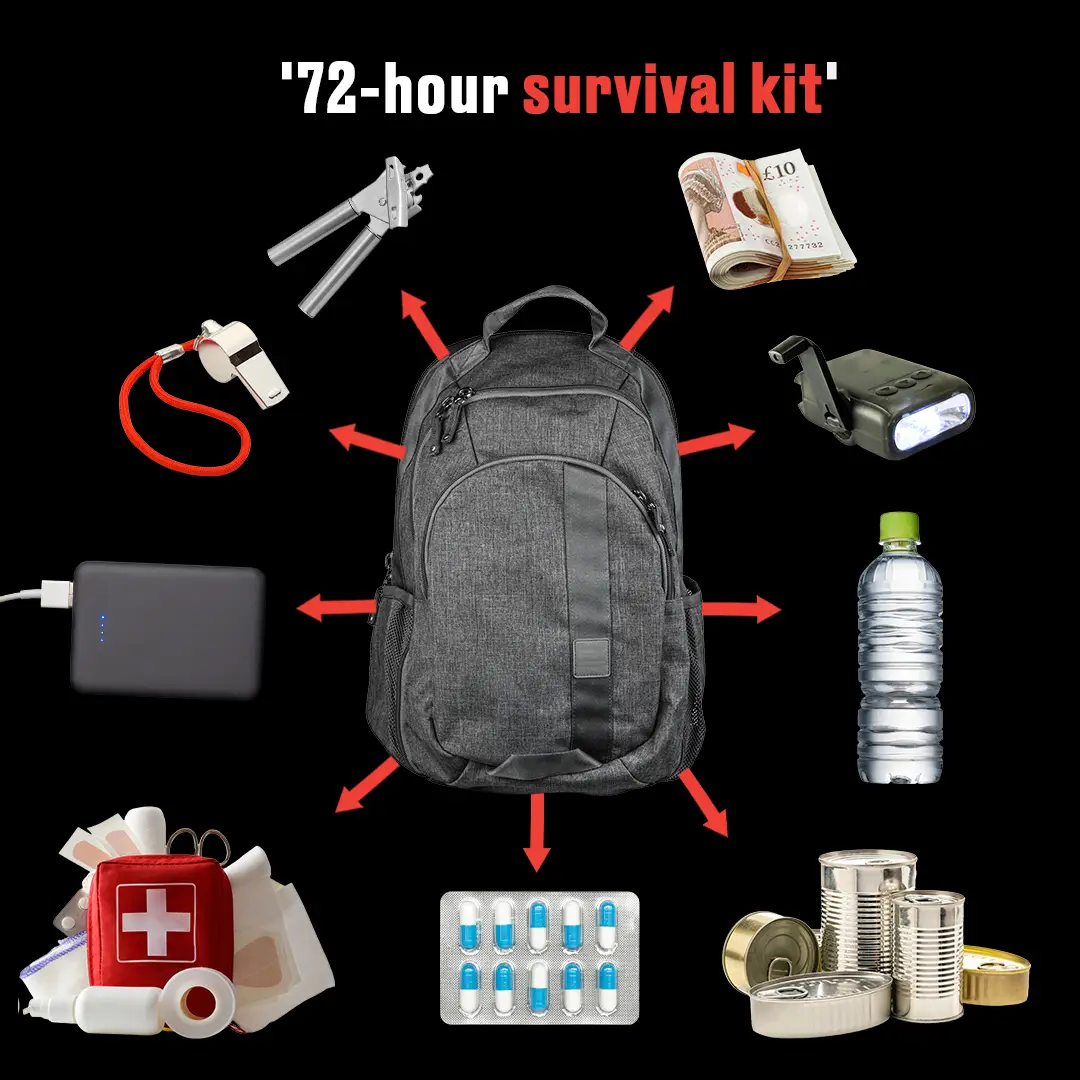
All items required in a '72-hour survival kit'
The City of Calgary in Canada has recommended that you include these key things in an emergency kit. This isn't to say it'll happen, but it could be crucial in a survive-at-all-costs situation.
Bottled water
One of the most important items, staying hydrated is important, especially in conditions where you could be going for days on rationed portions of food.
Health-wise, it is recommended that you have between one and a half to two litres of water per day anyway, which is about six to seven cups per day, to prevent dehydration.
You can survive three to five days with no water but for obvious reasons, this isn't recommended.
The bottles you store in your kit should be replaced 'every time you change your clocks', adding: "If necessary, you can use the water in your toilet tank or hot water heater."
Food
As mentioned earlier, rationed food may be on the cards so having canned items with distant expiry dates, along with a can opener, is crucial to a kit for any length of time.
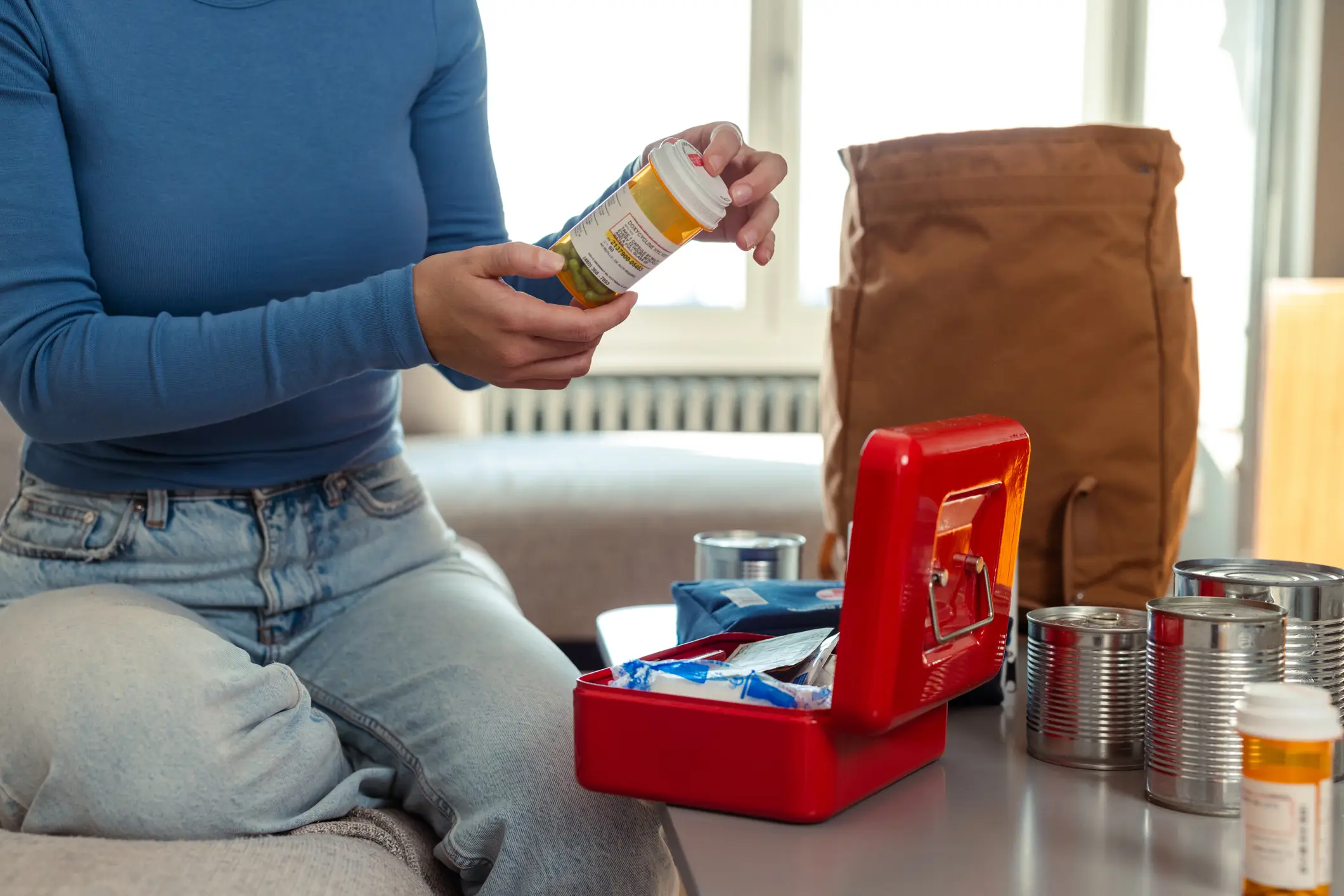
Medication
Firstly, it's key to have yours or any family member's prescription medication to hand, which may take some maintenance while the kit isn't being used.
If not, you should bring this medication with you while evacuating, and it's advised to 'include vitamins and medications to guard you against getting sick'.
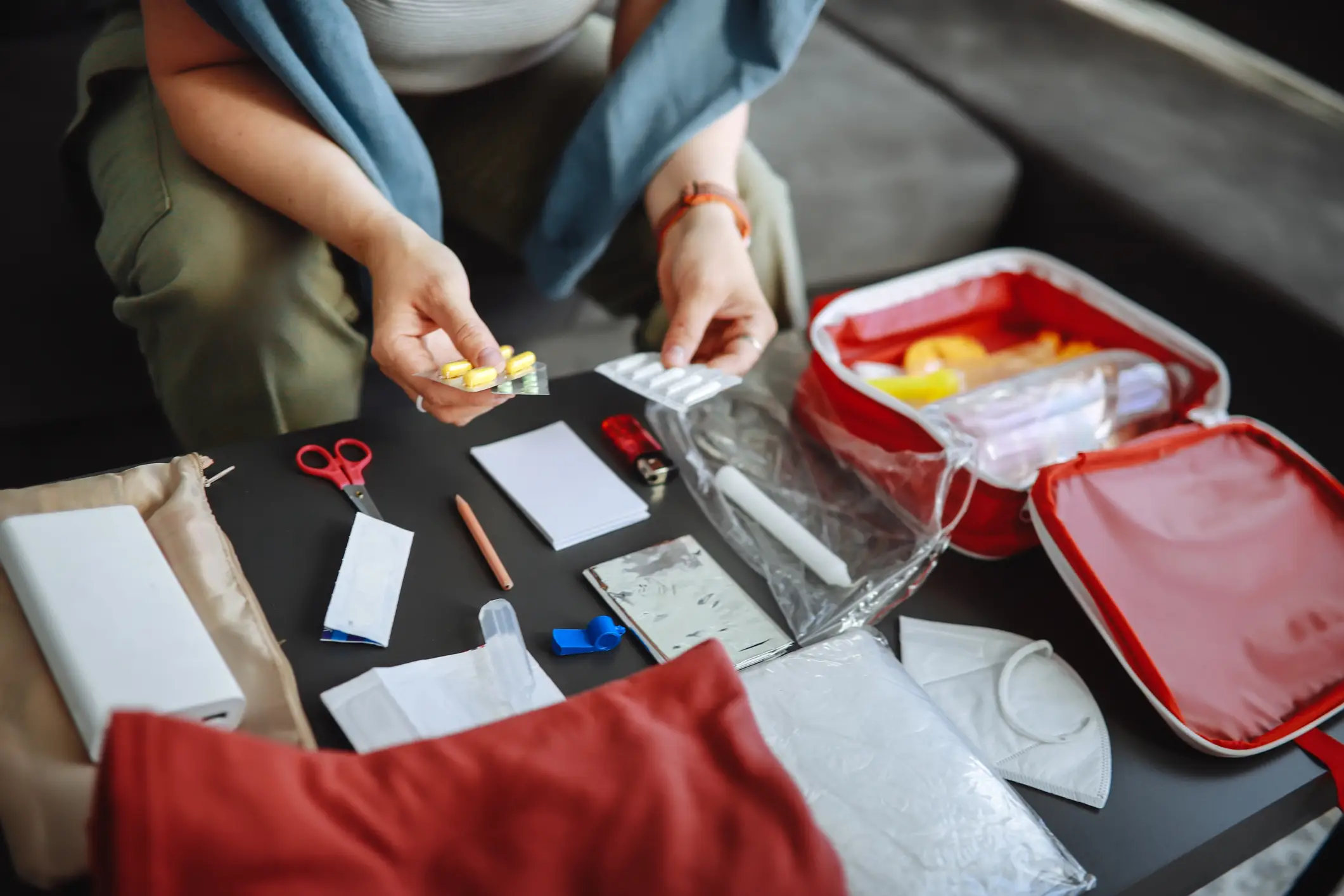
First aid kit
It's always best to come prepared, as you don't know what you'll really need in an emergency situation.
You should have one to hand anyway, but this is what must be included in a first aid kit:
• Gauze pads
• Gloves
• Different bandages
• Antiseptic
• Tweezers
• Scissors
• Needle and thread
• Instant ice packs
• Survival blanket, if you have space
Battery pack
You may think that this is so you can keep scrolling on TikTok to stop yourself getting bored, but it's all about staying charged in case you need to call someone or if you're having an emergency.
"If phone lines are too busy, you can still receive updates and alerts on your mobile device," the website details.
Money in bills and coins
Small bills and coins will be key as while contactless may fly out the window in a war scenario, the website advises that you keep some change in your kit, especially in case the electricity cuts out.
Important documents
Having your passport and ID is key if you need to move around or leave the country, though you may get away with photocopies of these if it's easier.
Other key items
• Wind-up torch
• Non-power consuming entertainment likes board games, cards or books
• Supplies for your baby and pet
• Dust mask and dusk tape to help keep your shelter in place
• A whistle to help attract attention if needed
• Personal sanitation items, such as hand sanitiser, masks, and wet wipes
• Warm clothes, blankets and sleeping bags
They advise that you store your supplies 'in a waterproof, wheeled suitcase or container', adding that if it's not portable, it defeats the purpose.
Additional words by Anish Vij.
Topics: Iran, World News, UK News, Politics
 Joshua Nair