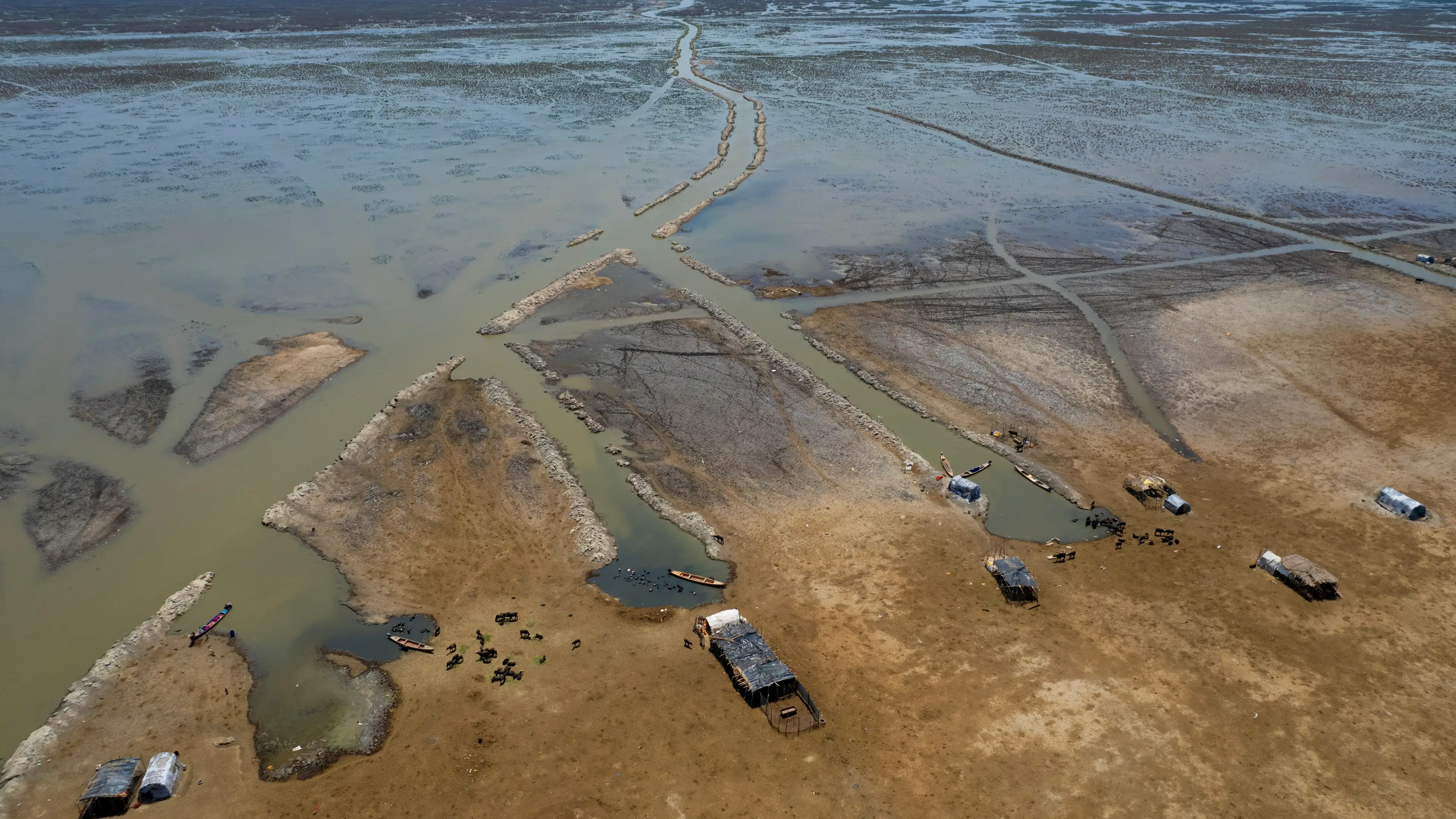
Situation that Bible says is ‘end of the world’ is happening right now

A Biblical prophesy foretold that if a certain river was to dry up, then the end of world would follow - and right now, it's disappearing.
While Global warming is a huge concern today in 2026, way back before the concept of the Earth's rising temperature was even thought about, the Book of Revelation gave a sinister warning.
It suggested in 95–96 AD that if the Euphrates river system, located in west Asia, runs dry, the apocalypse is not far behind.
The Bible says that the waters of the Garden of Eden are split into four, creating the Tigris, Euphrates, Pishon and Gihon rivers. Only the Tigris and Euphrates still exist, but scientists are concerned as the giant river is ever shrinking.
Advert
It is the longest river in western Asia and runs nearly 1,800 miles from eastern Turkey through Syria and Iraq, before joining the Tigris River and flowing into the Persian Gulf.
Throughout history, mankind has set up camp around the river and used it for fresh water.
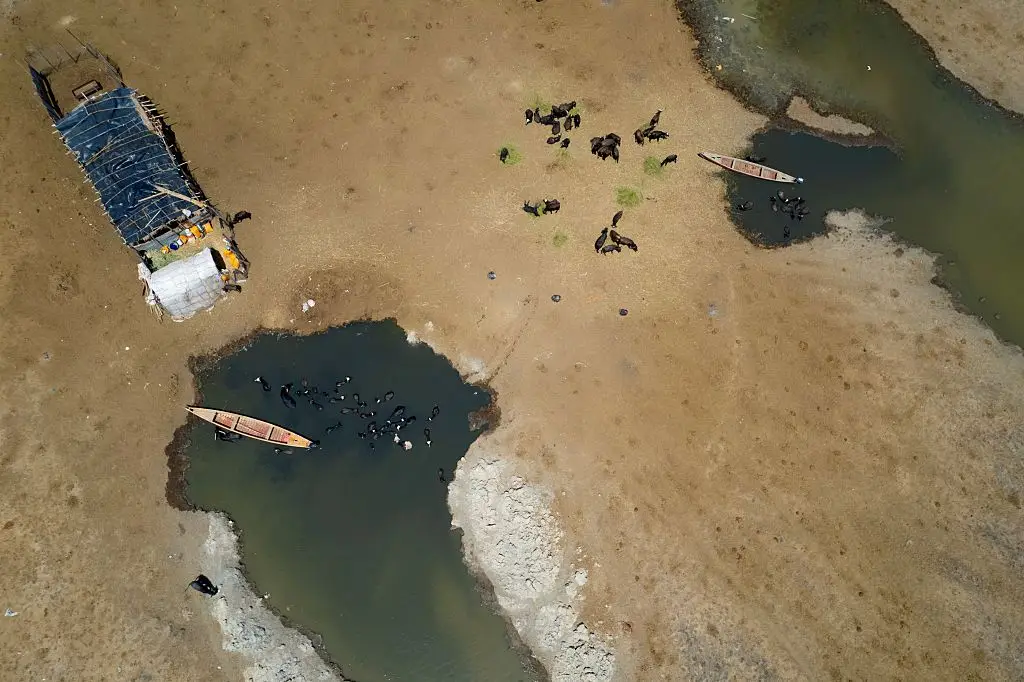
Now though, scientists say droughts are worsening, as well as temperatures increasing and growing populations placing more and more pressure on the resources.
According to Metro, climate experts fear Euphrates could dry out by 2040, if things keep going the way they are.
What did the Book of Revelation say about the Euphrates river?
Before Armageddon arrives, the river is described as drying up after an angel pours out one of the symbolic ‘seven bowls’ of judgment.
The Bible verse states: "The sixth angel poured out his bowl on the great river Euphrates and its water was dried up to prepare the way for the kings from the East."
Is the Euphrates river really drying up?
Scientists have studied satellite images of the river, with images showing a shocking loss of water - 34 cubic miles of freshwater have dried up since 2003.
To put that into context, that's roughly the same amount as 13 Olympic size swimming pools.

There was a severe drought back in 2007, which much of the area has never recovered from, warns Jay Famiglietti, a hydrologist and professor at the University of California.
'Demand for fresh water continues to rise'
He said the data shows 'an alarming rate of decrease in total water storage in the Tigris and Euphrates river basins, which currently have the second fastest rate of groundwater storage loss on Earth, after India'.
"The rate was especially striking after the 2007 drought, meanwhile, demand for fresh water continues to rise, and the region does not coordinate its water management because of different interpretations of international laws," he explained.
When you factor in the basin where it meets the Tigris river, the loss is even greater, warns the expert, at a shocking 90 cubic kilometers.
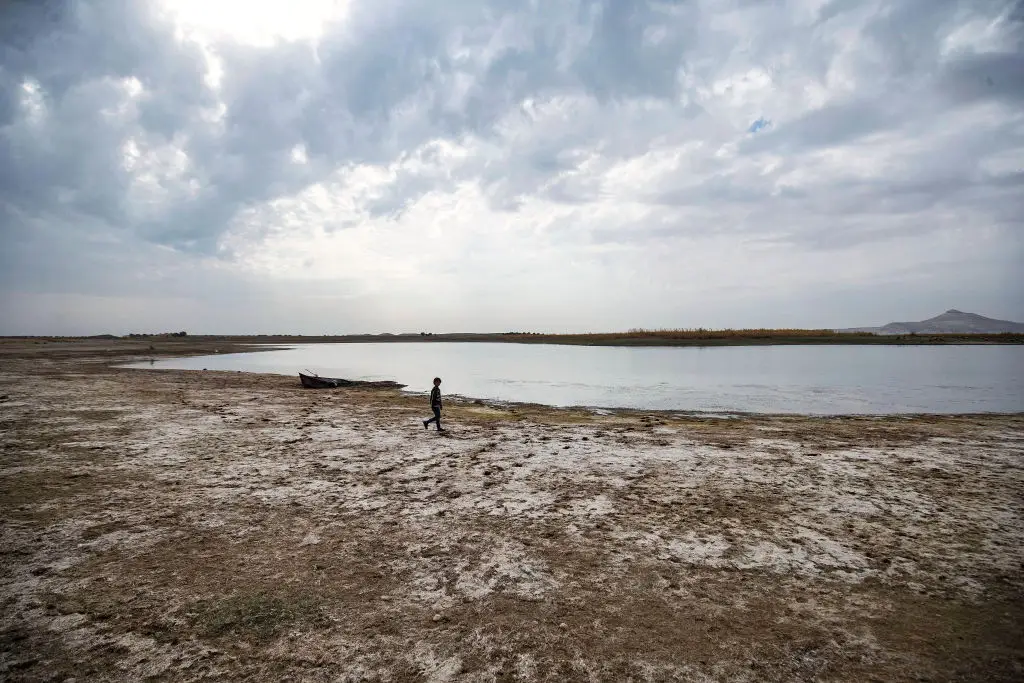
“That's enough water to meet the needs of tens of millions to more than a hundred million people in the region each year, depending on regional water-use standards and availability,” he said, according to NASA.
Communities in Iraq are already feeling the pressure of water shortages.
Naseer Baqar, a climate activist and field coordinator at the Tigris River Protectors Association in Iraq, told the British Medical Journal about the damage spreading across the country due to water shortages from the river.
"Diarrhoea, chicken pox, measles, typhoid fever, and cholera are currently spreading across Iraq because of the water crisis, and the government no longer provides vaccines to its citizens," he said.
Topics: Environment, World News, Religion
 Jen Thomas