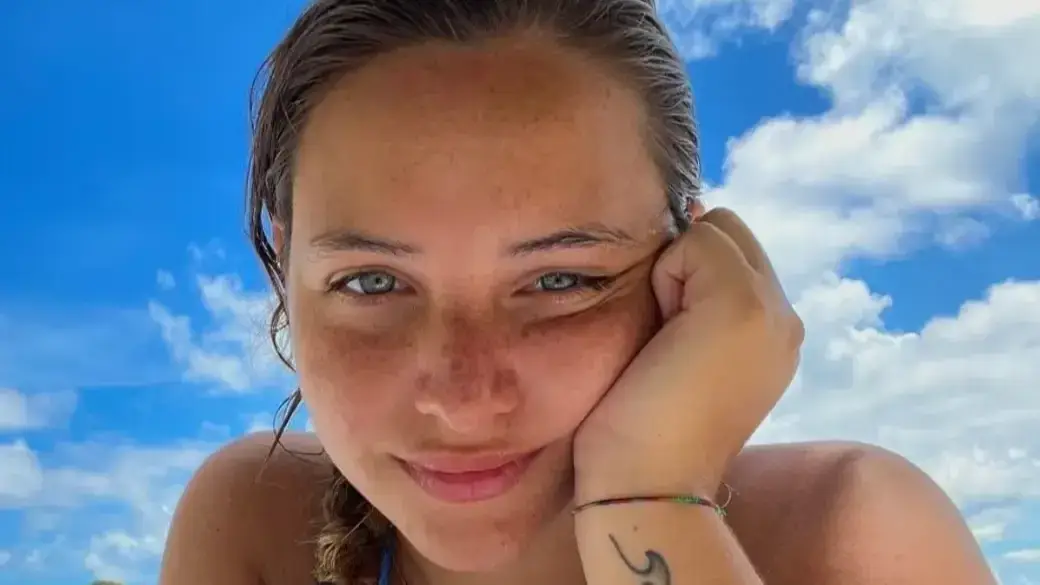
Experts share tragic theory as five tourists tragically die in 160ft cave dive in Maldives

Experts have shared a theory about a tragic accident involving a cave dive in the Maldives where five Italian tourists died.
The group had been exploring underwater caves at popular diving spots near Vaavu Atoll, which is situated around 100km south of the capital, Malé.
A search operation found five bodies, those of University of Genoa ecology professor Monica Montefalcone, her daughter Giorgia Sommacal, research fellow Muriel Oddenino, marine biology graduate Federico Gualtieri, and diving instructor Gianluca Benedetti.
Italy's foreign ministry said the five divers 'are believed to have died while attempting to explore caves at a depth of 50 metres', with police remarking that there had been a yellow weather warning in the area for fishermen and boats.
Advert
According to the New York Post, diving experts have put forward the theory that the five Italians may have died from oxygen toxicity and panic.
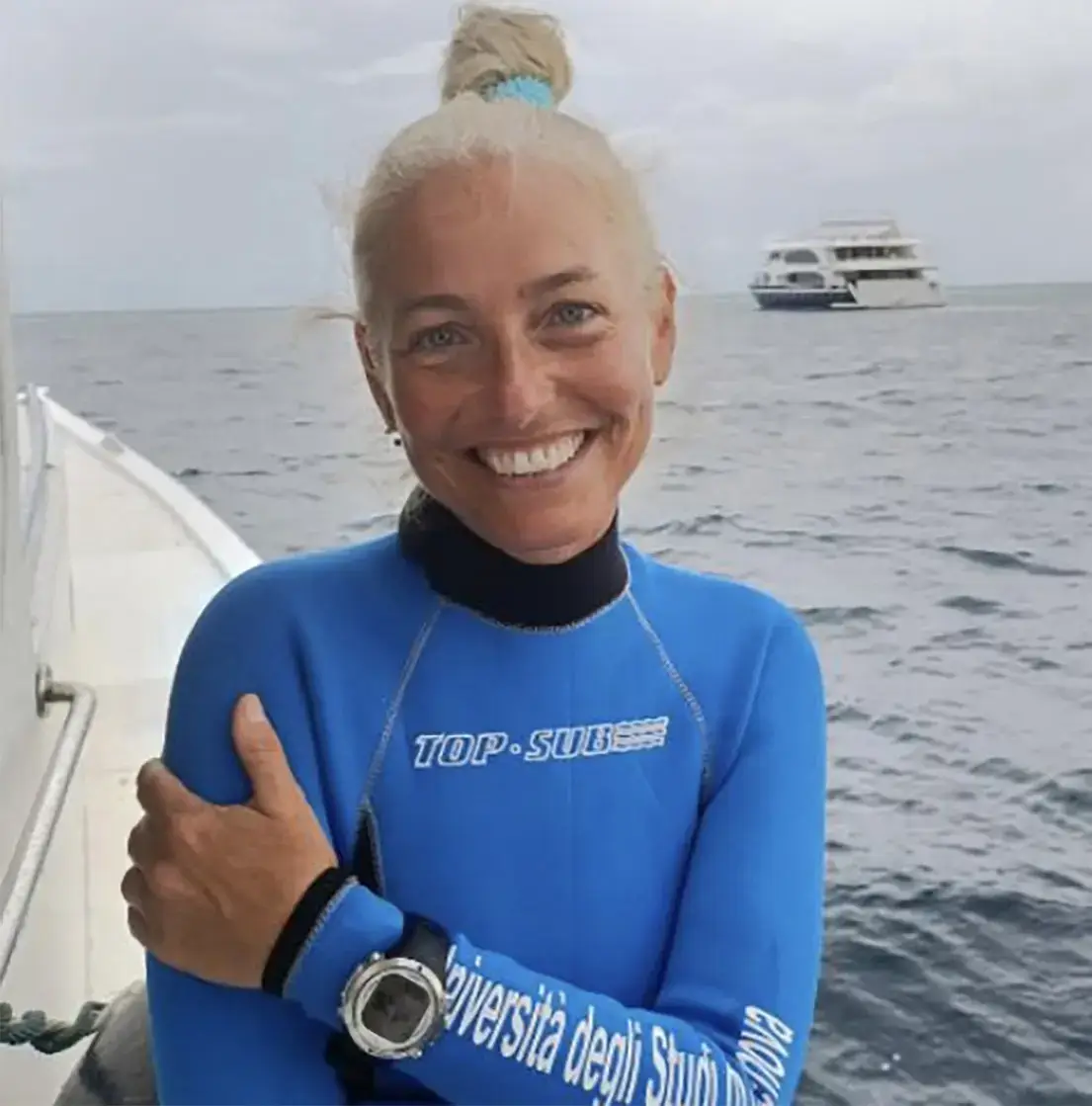
Pulmonologist Claudio Micheletto suggested that since all five divers perished in the accident 'it’s likely that something went wrong with the tanks' they would have been breathing their air from.
A director of pulmonology at the University Hospital of Verona, Micheletto said: "Death from oxygen toxicity, or hyperoxia, is one of the most dramatic deaths that can occur during a dive – a horrible end."
When divers breathe using tanks what they're inhaling is typically compressed air made of 21 percent oxygen and 79 percent nitrogen, just like the air we breathe normally.

However, sometimes there are higher amounts of oxygen in the air and while that's what humans need to breathe but if there's too much of it that can lead to oxygen toxicity.
"During the dive, dizziness, pain, altered consciousness and disorientation occur, making it impossible to surface," Micheletto warned as he explained what happened to someone suffering from oxygen toxicity in a diving environment.
Maurizio Uras, an Italian dive master interviewed by AGI, said that the depth is always an issue when deep sea diving.
“At certain depths, oxygen becomes toxic if the gas mixture is not properly calibrated,” he explained.
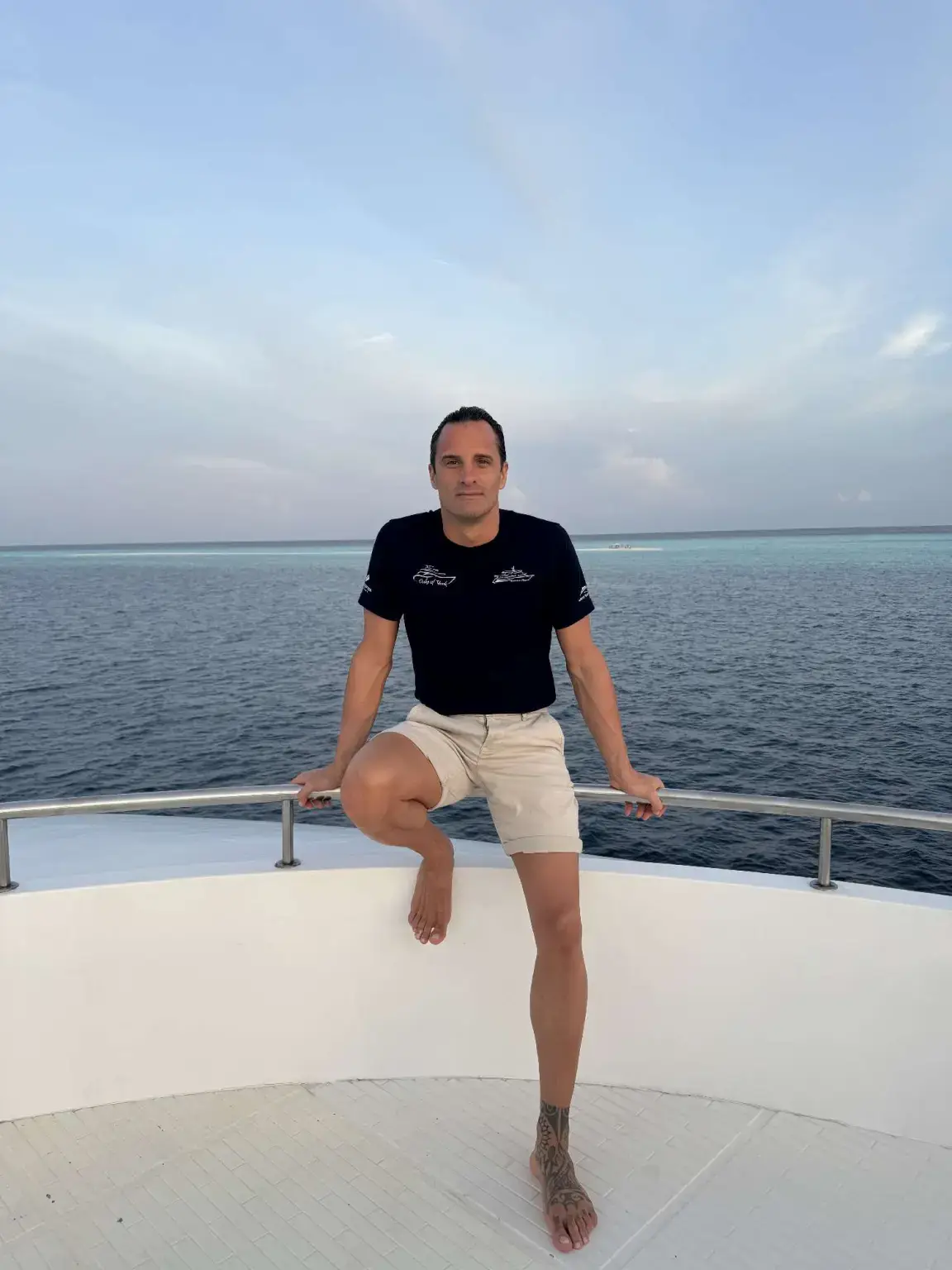
Alfonso Bolognini, president of the Italian Society of Underwater and Hyperbaric Medicine, added that panicking underwater while diving can be especially dangerous, warning that 'all it takes is a problem for a diver or a panic attack for a diver'.
He warned that if a diver panics then the water around them can become cloudy, limiting their visibility and possibly leading to 'fatal errors'.
However, Bolognini added that while that was a possible theory on the accident 'it’s not easy to say now what exactly may have happened at the bottom of the sea'.
Investigations into what happened during the dive are ongoing.
Topics: News, World News
 Joe Harker