'Off the charts' Super El Niño could collapse in 2027 as scientists warn La Niña is coming

Scientists have said that the current El Niño cycle is expected to continue into 2027, when the next part of the cycle will start.
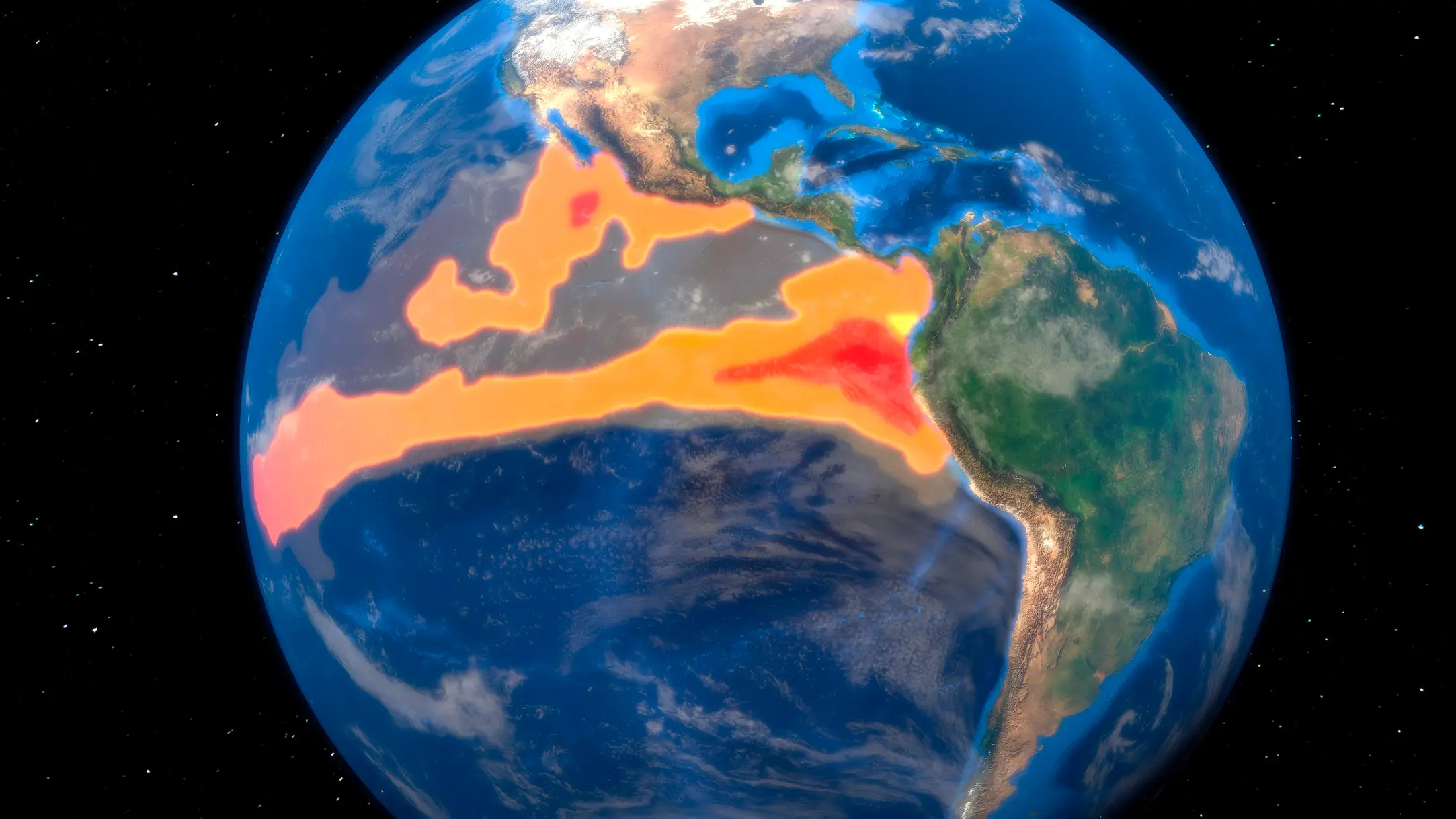
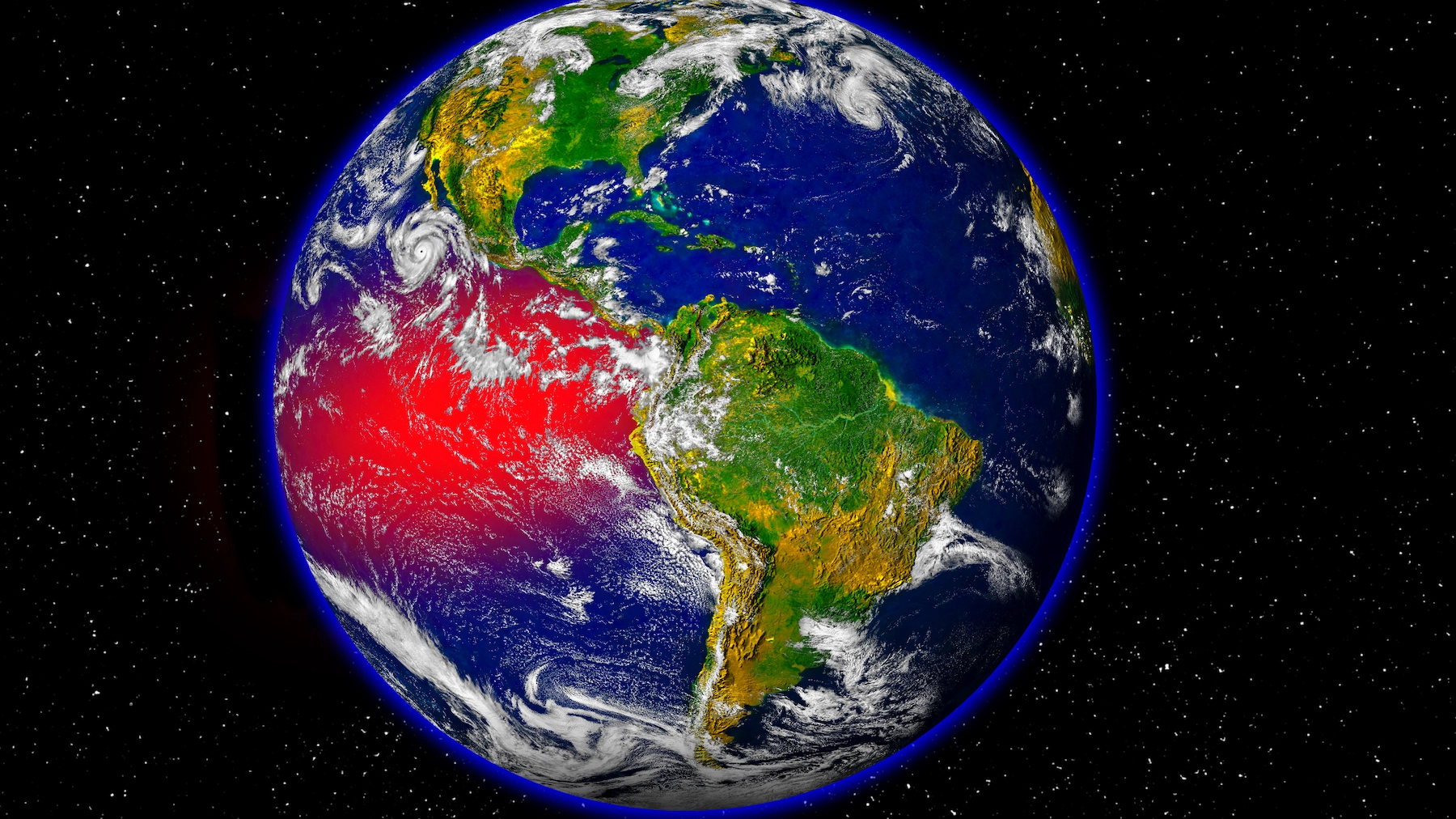
El Niño is one half of a system called the ENSO cycle, that's El Niño Southern Oscillation, which is a naturally occurring process dependent on the surface temperature of the Pacific Ocean.
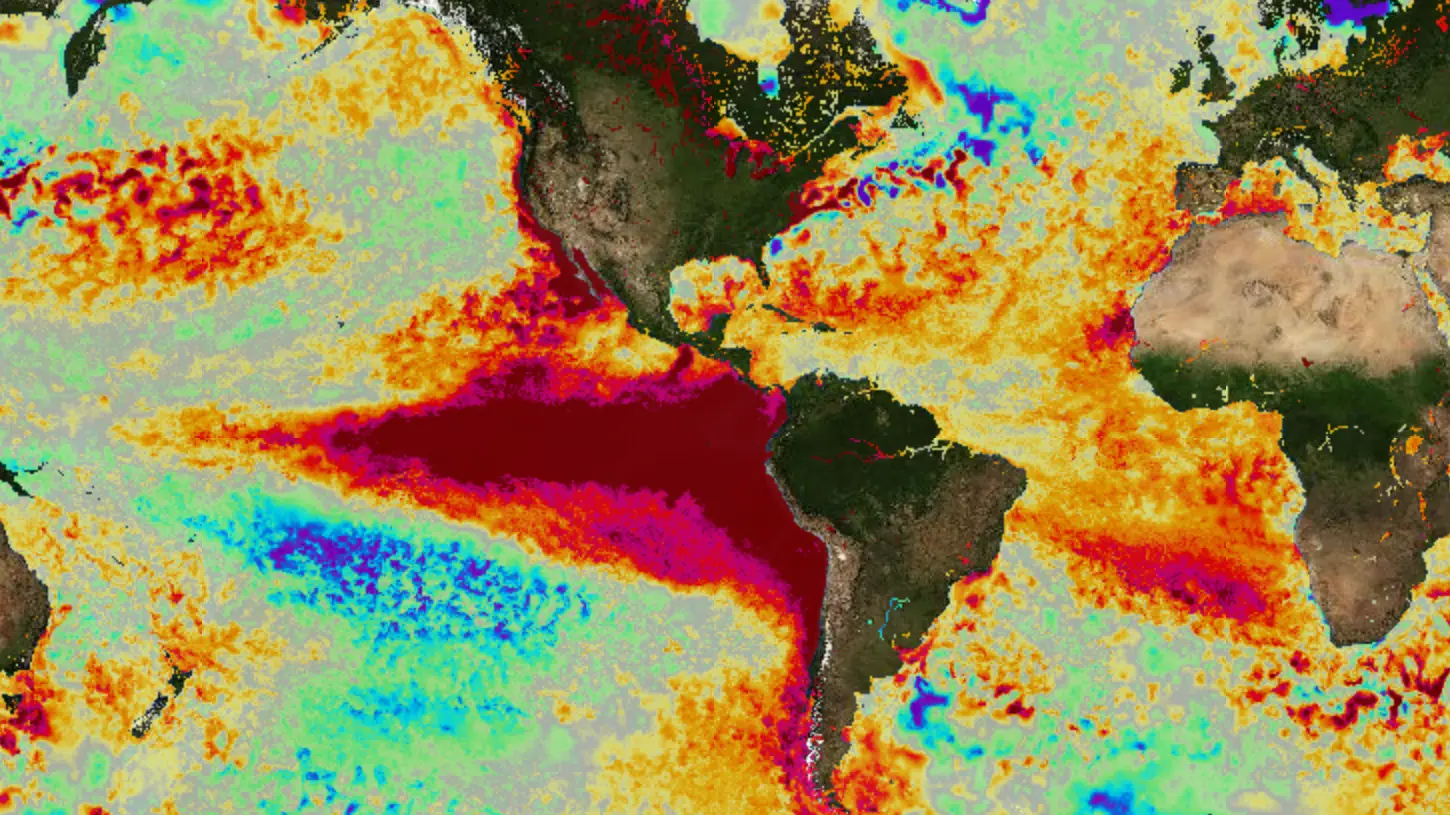
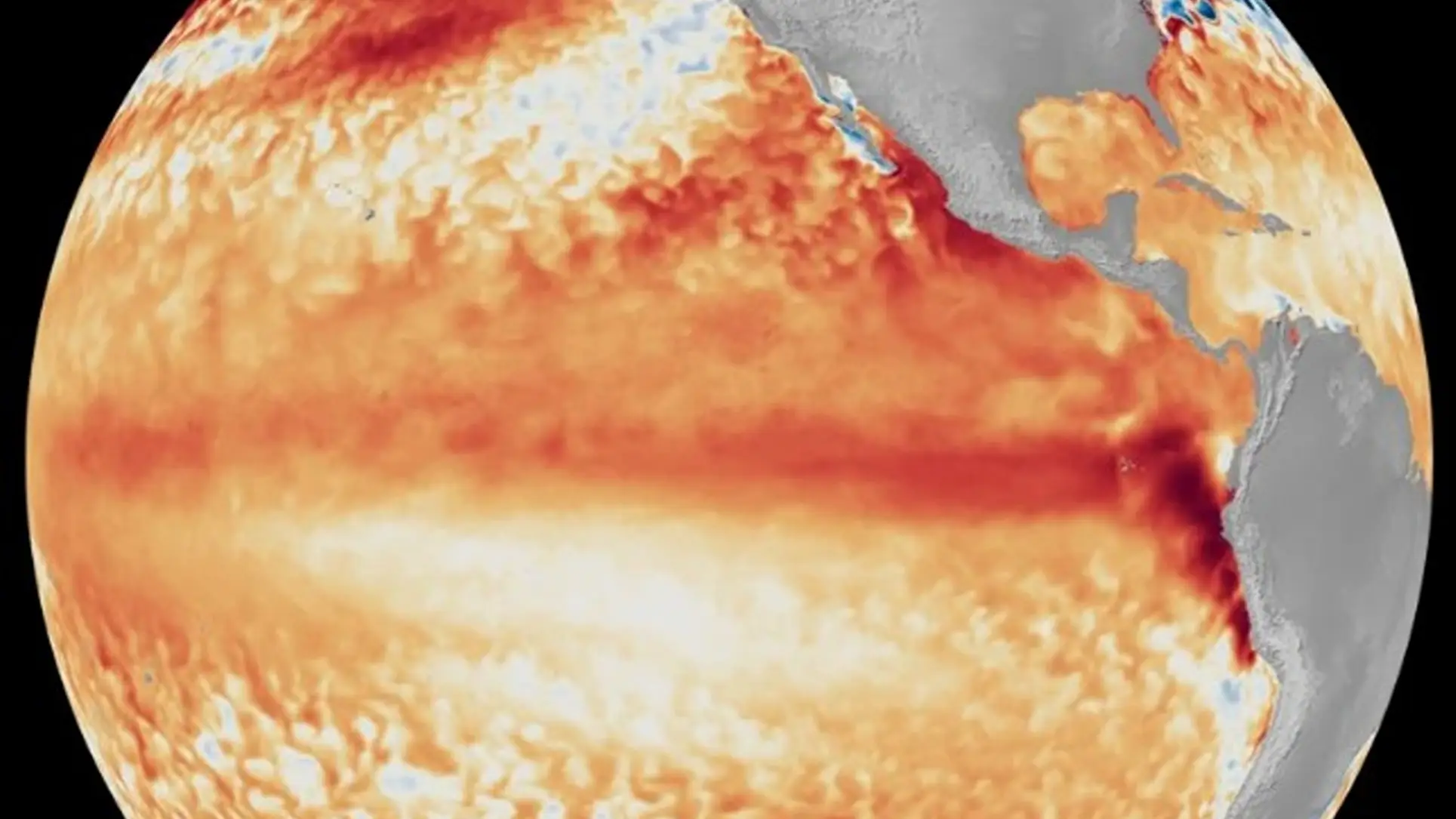
The current El Niño has been described as the strongest on record, with El Niño often leading to an increased likelihood of extreme weather around the world due to the sheer physical power of the Pacific Ocean and the effect it has on the weather.
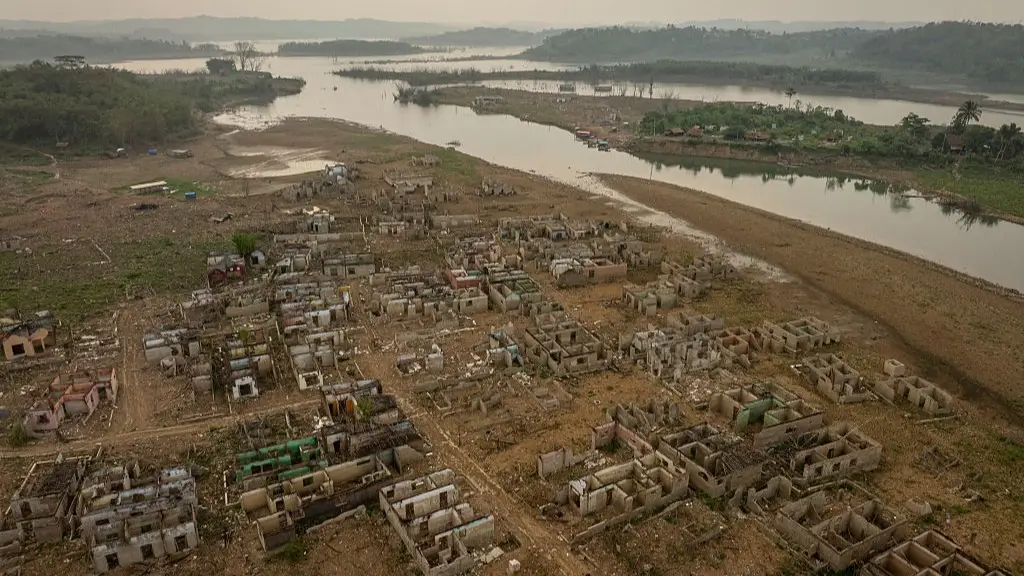
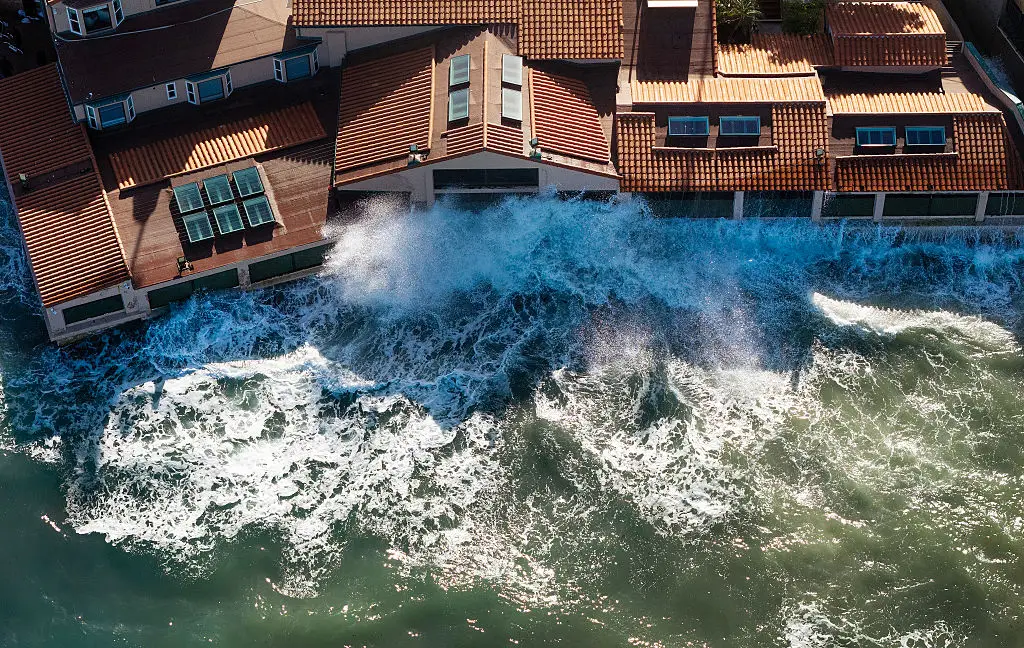
While El Niño brings without an increased chance of extreme weather, the precise impact varies by location, with some places more likely to experience extreme flooding, while others might have a higher chance of drought or wildfires.
Advert
And although the current El Niño cycle is expected to last until 2027, that doesn't mean that the cycle itself is finished as scientists have warned that it would then move into the next part of the ENSO cycle.
El Niño, which means 'the boy' in Spanish, is the part of the ENSO cycle when the surface temperature of the Pacific has warmed.
Meanwhile, the cooling part of this cycle is called 'La Niña', which I'm sure you've gathered means 'the girl' in Spanish.
The cycle happens roughly once every two to seven years, and the warmer phase of it can see huge amounts of heat released into the atmosphere.
Now, experts are saying that El Niño is coming close to its highest point in certain parts of the tropical Pacific, with the latest data indicating that it is at record strength.
Long term forecasts have shown a rapid collapse of El Niño in 2027 as the cycle moves into the La Niña, or cooling, phase.
This sees the oceans 'become cooler than usual', and could see a cold anomaly in the west due to strong bursts of wind there.
Scientists have suggested that this wind will push the warmer water eastwards, in turn leading to colder water from the depths replacing this on the ocean's surface.
Severe Weather produced models of how this could play out, with the models indicating a 'strong broader cold anomaly below the surface, with only a shallow layer of weak warmth left in the east'.
The website says that this is what you might expect from the beginning of the La Niña phase in the ENSO cycle.
"Looking also at other extended forecasts, the experimental NOAA PSL probabilistic ENSO forecast also shows a high chance of a La Niña emerging for the 2027/2028 season, also agreeing on the timing with my model, and on the high probability of a La Niña shift," the website says.
There have been four previous El Niños where were extremely strong, informally referred to as a 'Super El Niño' though this is not an official term, which occurred in 1972/72, 1982/83, 1997/98, and 2015/16.
All of these were then succeeded by La Niña in the winter immediately afterwards.
Topics: El Niño, World News, Weather
 Kit Roberts